
Red geraniums are a staple in many gardens and homes, but they offer so much more than just their vibrant beauty. Not only do these stunning plants bring a pop of color to any space, but they also pack a punch when it comes to health benefits and versatility. From their ease of care and propagation to the numerous ways you can use them in decorative arrangements, red geraniums are a must-have for anyone looking to add some excitement to their surroundings. In this ultimate guide, we’ll delve into the world of red geraniums, covering everything from how to grow and maintain them to their potential uses and benefits. Whether you’re a seasoned gardener or just starting out, get ready to discover why these incredible plants deserve a spot in your life.
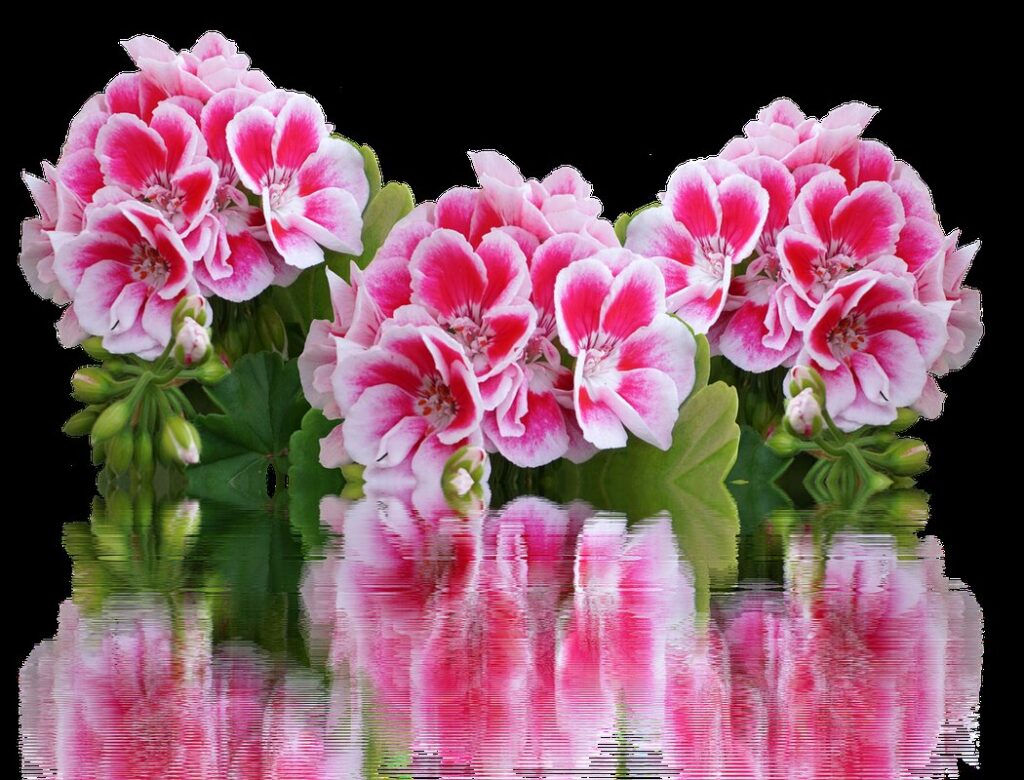
What is a Red Geranium?
Let’s start with the basics: what exactly is a red geranium, and how does it differ from other types of geraniums that you might be familiar with.
Introduction to Red Geranium
Red geraniums are one of the most popular flowering plants among gardeners and indoor plant enthusiasts alike. These vibrant flowers are not only a delight to behold but also relatively easy to care for, making them an ideal choice for both seasoned green thumbs and beginners.
But what exactly is a red geranium? Simply put, it’s a type of flowering plant that belongs to the Pelargonium genus. There are over 200 species within this group, with the most popular varieties being the Zonal, Ivy-Leaf, and Regal types. The striking red flowers of these plants have made them a staple in gardens around the world.
One reason for their enduring popularity is their adaptability. Red geraniums can thrive in both indoor and outdoor environments, from sunny balconies to shaded patios. They’re also relatively low maintenance, requiring minimal watering and pruning to keep them looking their best. Whether you’re a seasoned gardener or just starting out, red geraniums are an excellent choice for adding a splash of color and life to your space.
History and Origin of Red Geranium
Red geraniums have been delighting gardeners for centuries with their vibrant red flowers and versatility. To understand why they’re a staple in many gardens, let’s dive into the historical background of this beautiful plant.
The origin of the red geranium is attributed to South Africa, where it was first discovered by European botanists in the 17th century. Initially, it was cultivated for its medicinal properties, particularly in treating fever and inflammation. The red variety, with its striking color, soon gained popularity among gardeners due to its ability to thrive in a range of conditions.
As European trade routes expanded, red geraniums were introduced to gardens across the continent. They quickly became a favorite among horticulturists and landscape designers for their low-maintenance requirements and decorative value. By the 18th century, red geraniums had become a staple in European gardens, particularly in England where they were prized for their vibrant blooms.
Today, red geraniums continue to be a popular choice for gardeners worldwide due to their adaptability, disease resistance, and year-round flowering capabilities.
Types of Red Geranium: Differences and Characteristics
There are several types of red geraniums, each with its own unique characteristics, from compact varieties to tall growers with vibrant blooms. Let’s explore these differences together!
Pelargonium x hortorum vs. Zonal Geranium
When it comes to red geraniums, there are two popular varieties that often get confused with each other: Pelargonium x hortorum and Zonal Geranium. While both share similar characteristics, they have distinct differences in appearance and growth habits.
One of the main differences between these two types is their leaf pattern and flower color. Pelargonium x hortorum has leaves with a more subtle veining pattern, whereas Zonal Geranium features leaves with clear, visible zonation or stripes. As for the flowers, Pelargonium x hortorum produces smaller, delicate blooms in shades of red, pink, and white, while Zonal Geranium boasts larger, showier flowers in bold red hues.
In terms of growth habits, Pelargonium x hortorum is generally more compact and bushy, reaching a height of around 12-18 inches. On the other hand, Zonal Geranium tends to grow taller, up to 3 feet, with a more sprawling habit. If you’re looking for a low-maintenance option, Pelargonium x hortorum might be the better choice. However, if you want to add a pop of color and drama to your garden or indoor space, Zonal Geranium is an excellent option.
It’s worth noting that both varieties are relatively easy to care for and can thrive in a variety of conditions. With proper care, including well-draining soil, full sun to partial shade, and regular watering, you can enjoy the beauty of these red geraniums year-round.
Ivy-Leafed Geranium: A Compact Option
If you’re looking for a compact option within the world of red geraniums, the Ivy-Leafed Geranium (Pelargonium peltatum) is an excellent choice. This charming variety boasts small, glossy leaves with a delicate texture, giving it a unique appearance that’s hard to resist.
One of the standout benefits of Ivy-Leafed Geraniums is their compact size, making them perfect for smaller spaces or containers. They can grow up to 3 feet tall, but their spread remains relatively contained, requiring minimal pruning and maintenance. This low-maintenance requirement makes them an excellent choice for busy gardeners or those new to plant care.
Their ability to thrive in a range of conditions also adds to their appeal. Ivy-Leafed Geraniums are forgiving when it comes to watering, tolerating some neglect without suffering too much. They’re also relatively pest and disease-free, reducing the need for chemical treatments or constant monitoring.
If you’re eager to incorporate this compact beauty into your garden, simply plant in well-draining soil with full sun to partial shade. With regular watering and occasional fertilization, your Ivy-Leafed Geranium will provide months of vibrant color and a delicate charm that’s sure to captivate visitors.
Red Geranium Care: Tips for Success
To grow a thriving red geranium, proper care and attention are crucial – that’s why we’ve gathered expert tips to ensure your plant flourishes in its ideal environment.
Lighting Requirements for Red Geraniums
Red geraniums require specific lighting conditions to thrive. While they can tolerate some shade, direct sunlight is essential for their optimal growth and blooming. In fact, these plants can produce more vibrant flowers when exposed to at least 4-6 hours of direct sunlight per day.
However, be cautious not to leave your red geranium in full sun for too long, especially during peak summer months. Prolonged exposure to intense sunlight can cause the leaves to become scorched and the flowers to fade. To avoid this, consider placing your plant near an east- or west-facing window, which receives gentle morning or afternoon sunlight.
If you’re unable to provide direct sunlight, red geraniums will still grow well in bright, indirect light. A south-facing window with sheer curtains can work as a substitute. In low-light conditions, the plants may produce fewer flowers, but they’ll still maintain their foliage and overall health. To encourage blooming, fertilize your plant regularly and prune it back to promote new growth.
Watering Schedule for Optimal Growth
To ensure optimal growth, it’s essential to have a consistent watering schedule for your red geranium. Overwatering is one of the most common mistakes gardeners make when caring for this beautiful flower. Red geraniums prefer well-draining soil and should be watered thoroughly, allowing the top 1-2 inches of soil to dry out between waterings.
In general, it’s recommended to water your red geranium once a week during spring and summer months when they are actively growing. However, this frequency may vary depending on your climate, potting mix, and the size of your plant. As a rule of thumb, check the soil moisture by inserting your finger into the soil up to the first knuckle.
If the soil feels dry, it’s time to water. Water thoroughly until you see water coming out of the drainage holes in the bottom of the pot. During periods of drought or extreme heat, increase the frequency of watering to every 3-4 days. Conversely, reduce watering during cooler months or when your plant is dormant.
Keep an eye on your red geranium’s response to watering and adjust your schedule accordingly. If you notice yellowing leaves or a droopy appearance, it may be a sign that your plant needs less water. By following this simple watering schedule and observing your plant’s behavior, you’ll be well on your way to growing vibrant, healthy red geraniums.
Propagation Methods: How to Grow More Red Geraniums
You’ve successfully grown your first red geranium, and now you’re eager to share it with friends and family. In this next part of our guide, we’ll show you how to propagate more red geraniums easily.
Stem Cuttings: A Popular Method
Taking stem cuttings from mature red geranium plants is a popular method for propagation. This technique allows you to create new plants that are genetically identical to the parent plant, which can be beneficial if you want to maintain specific characteristics such as leaf size or color.
To take stem cuttings, start by selecting healthy stems with at least two sets of leaves from your mature red geranium plant. Cut the stems just below a node using a sharp, clean knife or pruning tool. Remove any lower leaves that will be submerged in water or soil to prevent rotting. Place the cutting in a glass of water or a propagation tray filled with a well-draining potting mix. Roots should develop within 1-2 weeks.
Once roots have formed, transfer the cutting into a pot filled with a well-draining potting mix. Water thoroughly and provide bright, indirect light. With proper care, your new red geranium plant should thrive in its new environment. By taking stem cuttings from mature plants, you can easily multiply your favorite varieties of red geraniums and share them with friends or family.
Division and Rooting: Alternative Propagation Methods
For those who enjoy getting their hands dirty, alternative propagation methods like division and rooting offer a fun and rewarding way to multiply your red geranium collection. Division involves separating established plants into smaller sections, each containing its own roots and growing points. This method is particularly useful for mature plants that have outgrown their containers or are showing signs of decline.
To divide a red geranium, gently remove the plant from its pot and separate the individual sections using a sterile tool. Make sure each division has at least one growth node and some roots to ensure it can thrive on its own. Replant the divisions in well-draining soil, water thoroughly, and provide bright, indirect light.
Rooting cuttings is another alternative method that allows you to propagate new plants from stem or leaf sections. Take 3-4 inch stem cuttings with at least two nodes, remove lower leaves, and dip the cut end into rooting hormone powder. Plant the cutting in a propagation tray filled with a mix of perlite and vermiculite, and keep it consistently moist but not waterlogged. Roots should develop within 2-3 weeks, after which you can transplant the new plant into a potting mix.
Health Benefits and Medicinal Uses of Red Geranium
Red geranium has been prized for its medicinal properties for centuries, offering a range of health benefits that can be harnessed through various uses. Let’s explore some of these incredible advantages.
Antimicrobial Properties and Skin Care
When it comes to skin care, finding products that are both effective and gentle is crucial. Red geraniums have been found to possess antimicrobial properties, making them a potential ingredient in skincare products. Research has shown that the plant’s essential oils exhibit strong antibacterial and antifungal activities, which can help combat acne-causing bacteria and prevent fungal infections.
This property of red geraniums makes them an excellent addition to face masks, toners, or creams designed for acne-prone skin. For instance, a study published in the Journal of Essential Oil Research found that the essential oil extracted from red geranium showed significant inhibition against Staphylococcus aureus and Candida albicans.
You can incorporate red geranium’s antimicrobial properties into your skincare routine by using products containing its essential oils or extracts. When choosing such products, ensure they are 100% pure and undiluted to reap the benefits fully. Additionally, you can try infusing a few drops of red geranium essential oil in a carrier oil like coconut or jojoba for a homemade face serum.
Herbal Remedies and Tea Making
Red geranium leaves have been used for centuries as herbal remedies to treat various ailments. One of the most notable benefits is its ability to reduce fever. The leaves contain a compound called tannin, which has natural antipyretic properties that help bring down body temperature. To make a fever-reducing tea, simply steep 1-2 teaspoons of dried red geranium leaves in a cup of boiling water for 5-7 minutes.
Red geranium is also effective in addressing digestive issues such as indigestion and bloating. The leaves contain carotenoids and flavonoids that have anti-inflammatory properties, which help soothe the stomach and intestines. To make a digestive tea, combine equal parts of dried red geranium leaves and peppermint leaves and steep for 5-7 minutes.
When using red geranium as a herbal remedy, it’s essential to note that excessive consumption can cause drowsiness and interact with certain medications. Consult with a healthcare professional before making any significant changes to your diet or supplement routine.
Red Geranium in Interior Design: Decorative Ideas
Red geraniums can add a pop of color and vibrant energy to any room, making them an ideal choice for creative interior design projects. Let’s explore some unique decorative ideas incorporating this beautiful flower into your home decor.
Using Red Geraniums in Arrangements and Centerpieces
When it comes to incorporating red geraniums into indoor arrangements and centerpieces, the possibilities are endless. These vibrant flowers add a pop of color and texture that can instantly elevate any room’s decor. Start by selecting a few statement pieces, such as vintage vases or mercury glass containers, and pair them with fresh red geraniums. For a more rustic look, combine the flowers with greenery like eucalyptus or ferns in a wooden planter.
Consider creating a focal point on your dining table with a dramatic centerpiece featuring red geraniums. Combine the flowers with candles, pebbles, or small ornaments to add visual interest. If you’re short on space, try using mini planters or terrariums filled with single stems of red geraniums for a sleek and modern look.
Red geraniums also pair beautifully with other flowers like sunflowers, dahlias, and roses in mixed arrangements. Experiment with different heights and textures to create visually appealing combinations that reflect your personal style.
Balcony and Patio Decorating with Red Geraniums
Red geraniums are not just limited to indoor spaces; they can also add a pop of color and vibrancy to your outdoor areas. When it comes to balcony and patio decorating with red geraniums, the possibilities are endless. One popular way to showcase these stunning plants is by using hanging baskets. Not only do they add a whimsical touch to your outdoor space, but they also make it easy to move them around according to the sun’s position.
To create a beautiful display, choose hanging baskets that have good drainage holes to prevent waterlogged soil. Then, fill the basket with a mix of red geraniums and complementary flowers like petunias or impatiens. Make sure to leave enough space for proper air circulation to prevent fungal diseases. Alternatively, you can use planters in various shapes and sizes to add visual interest to your balcony or patio.
Remember to choose planters that complement the style of your outdoor decor, whether it’s modern, rustic, or coastal. And don’t forget to add some decorative stones or pebbles at the bottom of the planter for a pop of color and texture. With these simple yet effective tips, you can create a stunning outdoor display using red geraniums as the focal point.
Conclusion: Why You Should Grow Red Geraniums Today
Now that you’ve learned all about the amazing benefits and uses of red geranium, let’s wrap up with some final thoughts on why this plant is perfect for your garden today.
Recap of the Benefits and Uses
As we conclude our comprehensive guide to red geraniums, let’s recap the numerous benefits and uses of this vibrant flower. By incorporating red geraniums into your garden or indoor space, you’ll not only add a pop of color but also reap their medicinal, air-purifying, and insect-repelling properties.
Red geraniums have been shown to possess antibacterial and antifungal qualities, making them an excellent addition to any indoor space. By placing them in areas with high foot traffic, you can benefit from their natural deodorizing effects. For example, studies have demonstrated that red geraniums can reduce unpleasant odors by up to 80% in as little as two hours.
Moreover, these flowers are a haven for bees and butterflies, attracting pollinators to your garden and supporting local ecosystems. With proper care, red geraniums can thrive indoors or outdoors, providing a low-maintenance yet visually striking addition to any space. Whether you’re a seasoned gardener or just starting out, incorporating red geraniums into your routine is an easy and rewarding way to enhance both the aesthetic and health benefits of your home.
Final Tips for Success and Encouragement to Try Growing Your Own Red Geranium
As you’ve reached the end of this comprehensive guide to red geraniums, we hope you’re excited and motivated to grow these beautiful plants yourself. Remember, with a little patience and practice, you can enjoy the numerous benefits of having red geraniums in your home or garden.
To ensure success, keep in mind that even the smallest mistakes can affect the plant’s health. Be gentle when transplanting, provide consistent watering, and give them plenty of indirect sunlight. Also, don’t be afraid to experiment with different potting mixes and fertilizers to find what works best for you and your plants.
If you’re new to growing geraniums, start by choosing a healthy seedling or cuttings from a reputable nursery. Prune regularly to encourage bushy growth and prevent legginess. With proper care, red geraniums can thrive in indoor containers or outdoor gardens, providing a pop of color and fragrance all year round.
Most importantly, don’t be discouraged if things don’t go as planned at first – growing your own red geranium is a process that requires trial and error. Take note of what works for you and adjust accordingly. With time and practice, you’ll become an expert in caring for these stunning plants.
Frequently Asked Questions
Can I use red geraniums indoors year-round, or do they need a break from indoor conditions?
Red geraniums can thrive indoors year-round if provided with proper care. To keep them healthy and thriving, ensure they receive sufficient light (at least 4-6 hours of direct sunlight) and maintain optimal temperatures between 65°F to 75°F (18°C to 24°C). Water and fertilize as needed, but avoid overwatering, which can lead to root rot.
How do I prevent red geraniums from becoming too leggy or losing their vibrant color?
To prevent red geraniums from becoming leggy, provide them with sufficient light and prune regularly. Remove any weak or dying stems, and trim back overgrown sections to encourage bushy growth. For maintaining vibrant colors, ensure the plants receive a balanced fertilizer, and consider repotting them every 2-3 years to refresh the soil.
Can I propagate red geraniums through division, even if they’re old or established?
While it’s generally easier to propagate young red geraniums, you can still divide older plants. However, be cautious when handling older roots, as they may be more brittle and prone to damage. Choose a healthy, established plant with multiple stems, and carefully separate the rhizomes (roots) while maintaining some of the original soil to minimize shock.
How do I protect my red geraniums from pests like aphids, whiteflies, or mealybugs?
Regularly inspect your plants for signs of infestation, and take action promptly. Use neem oil, insecticidal soap, or horticultural oil to control pests, following the product’s instructions carefully. Ensure good air circulation around your plants, and keep them in a well-ventilated area to prevent moisture buildup that can attract pests.
Can I use red geraniums in cut flower arrangements, and how long will they last as cut flowers?
Red geraniums make excellent additions to cut flower arrangements due to their vibrant colors and delicate appearance. To extend the life of your cut red geraniums, trim stems at an angle just before placing them in a vase filled with fresh water. Keep the arrangement away from direct sunlight and heat sources, changing the water every 2-3 days to maintain freshness.