
Are you ready to grow your own delicious cucumbers from scratch? Choosing the right cucumber seeds can be overwhelming, especially if you’re new to gardening. But don’t worry, with this guide, you’ll become a pro at selecting and planting high-quality seeds that will give you a bountiful harvest.
We’ll take you through every step of the process, starting with soil preparation and sowing techniques. You’ll learn how to identify healthy seeds, prepare the perfect environment for them to thrive in, and troubleshoot common issues like poor germination or weak growth. By the end of this article, you’ll be equipped with expert tips on harvesting cucumber seeds like a pro – no more store-bought seeds for you! Get ready to enjoy the satisfaction of growing your own cucumbers from seed to table.
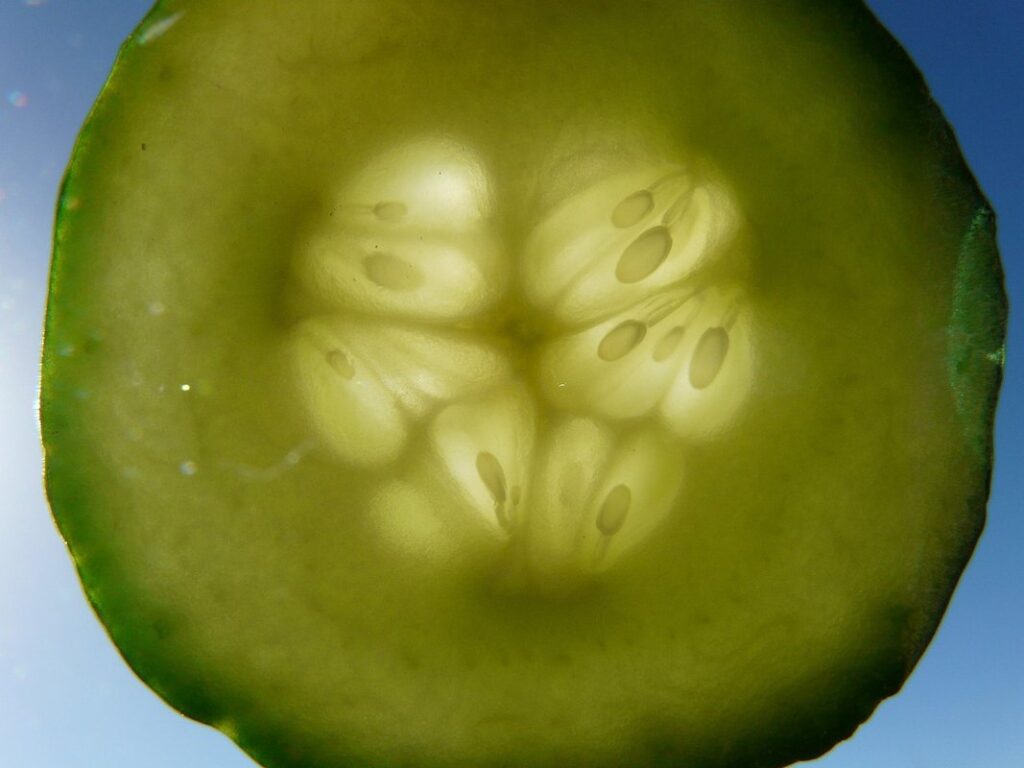
Choosing the Right Cucumber Seed Type
When it comes to growing cucumbers, selecting the right seed type is crucial for optimal flavor and yield. This section will help you navigate the various options available.
Hybrid vs. Heirloom Seeds
When it comes to choosing cucumber seeds, you’ll likely come across two main types: hybrid and heirloom. While both have their advantages and disadvantages, understanding the differences between them will help you make an informed decision for your garden.
Hybrid seeds are bred specifically for desirable traits like disease resistance, larger fruit size, or earlier maturity. They’re often a cross between two parent varieties that exhibit the desired characteristics. The pros of hybrid seeds include their higher yields, increased resistance to pests and diseases, and often a longer shelf life. However, they can be more expensive than heirloom seeds, and subsequent generations may not retain the same level of quality.
Heirloom seeds, on the other hand, are open-pollinated varieties that have been saved and handed down through generations. They offer unique characteristics like flavor, texture, and appearance. The benefits of heirloom seeds include their ability to adapt to specific climates and soil types, as well as their lower cost compared to hybrid seeds.
Consider your gardening goals and preferences when deciding between hybrid and heirloom cucumber seeds. If you’re looking for high yields and disease resistance, hybrids might be the better choice. But if you value unique flavors and textures and are willing to accept some variability in your crop, heirlooms could be the way to go.
Determinate vs. Indeterminate Cucumbers
When choosing cucumber seeds, you’ll come across two main types: determinate and indeterminate. These terms refer to the plant’s growth habits and yields, which are essential factors to consider for a bountiful harvest.
Determinate cucumbers, also known as bush or compact varieties, have a predetermined size and growth pattern. They produce all their fruits at once, typically within 50-60 days of sowing. These plants are ideal for container gardens, small spaces, or for those who want to avoid the hassle of pruning. They’re also more resistant to diseases due to their compact growth.
On the other hand, indeterminate cucumbers are vining varieties that continue to grow and produce new fruits throughout the season. They require more space (around 3-5 square feet) and support as they can reach up to 6 feet long. Indeterminates are perfect for larger gardens or for those who want a continuous harvest of fresh cucumbers.
Ultimately, the choice between determinate and indeterminate cucumbers depends on your available space, desired yields, and personal preference. Consider these factors when selecting the right cucumber seed type for your garden.
Preparing Your Soil for Cucumber Planting
Before you start planting your cucumber seeds, let’s get the soil ready by understanding the essential steps to create a conducive environment for your cucumbers to thrive. Proper soil preparation is key!
Soil pH Requirements
When it comes to planting cucumber seeds, one essential factor to consider is the soil pH level. Cucumbers prefer a slightly acidic to neutral soil pH, ranging from 6.0 to 7.0 on the pH scale. This range allows for optimal nutrient uptake and water availability.
To determine your soil’s pH level, you can purchase a DIY soil testing kit or send a sample to a laboratory for analysis. A simple way to test your soil is by mixing a teaspoon of soil with vinegar – if it fizzes, your soil is alkaline (high pH). If not, try adding a small amount of baking soda and observe again.
The ideal soil pH range can be influenced by the type of cucumber variety you’re growing. For example, some heirloom varieties thrive in slightly acidic conditions, while others prefer more neutral soils. Understanding your local climate and adjusting your soil accordingly will help ensure healthy growth and higher yields.
Adding Organic Matter to Your Soil
When it comes to growing cucumbers, having fertile soil is essential for their optimal growth and production. One of the most effective ways to improve soil fertility is by adding organic matter to it. Compost and well-rotted manure are two excellent options that can enrich your soil with vital nutrients.
Compost, in particular, is a treasure trove of beneficial microbes, minerals, and humus that help break down complex nutrients into forms easily accessible by plants. By incorporating 2-3 inches of compost into the top 6-8 inches of your soil, you’ll be providing cucumbers with an excellent foundation for growth. The microorganisms present in compost also help to suppress pathogens and pests, reducing the need for synthetic fertilizers or pesticides.
To use well-rotted manure effectively, mix it with a ratio of 1 part manure to 2 parts soil. This will prevent over-saturation and ensure that your cucumbers receive an optimal balance of nutrients.
Dealing with Common Soil Problems
When planting cucumbers, soil conditions play a crucial role in their growth and development. Soil problems can be detrimental to your crop’s health, leading to reduced yields or even plant failure. Two common issues that can affect cucumber growth are alkalinity and acidity.
Soil pH levels that are too high (alkaline) or low (acidic) can hinder nutrient availability for cucumbers. For example, if the soil pH is above 7.5, essential nutrients like calcium, magnesium, and potassium become less accessible to plants. On the other hand, extremely acidic soils with a pH below 6.0 can cause micronutrient deficiencies, further exacerbating growth problems.
To mitigate these issues, test your soil pH levels before planting cucumbers. Based on the results, you may need to amend the soil by adding lime to raise acidity or sulfur to lower it. A balanced fertilizer also helps provide essential nutrients for optimal plant growth. It’s recommended to maintain a slightly acidic to neutral soil pH between 6.0 and 7.5 for optimal cucumber cultivation.
When fertilizing, consider using organic or slow-release options that promote healthy microbial activity in the soil. This not only addresses nutrient deficiencies but also supports long-term soil health and fertility.
Sowing Cucumber Seeds
To successfully grow cucumbers, you’ll want to carefully prepare and sow cucumber seeds indoors 4-6 weeks before the last frost date in your area. This will give them a head start on the growing season.
Direct Sowing vs. Transplanting
When it comes to sowing cucumber seeds, you have two main options: direct sowing and transplanting. Both methods have their pros and cons, which we’ll break down below.
Direct sowing involves planting the seeds directly into the garden bed or container where they will mature. This method allows for a head start on the growing season and can be less stressful for the seedlings since they don’t have to undergo transplant shock. Direct sowing also eliminates the need for potting mix, containers, and additional care.
However, direct sowing can lead to overcrowding if not done carefully, which can make it difficult for the plants to receive sufficient sunlight and air circulation. Additionally, cucumber seeds may benefit from being started indoors in warmer climates where frost is a concern.
On the other hand, transplanting involves starting the seeds indoors in pots or seed trays before moving them outside when the weather permits. This method provides more control over growing conditions and can result in healthier plants with stronger root systems. Transplanting also allows for more precise spacing between plants, which can be beneficial for vining varieties.
Ultimately, whether you choose to direct sow or transplant your cucumber seeds depends on your climate, available space, and personal preference.
Depth and Spacing Guidelines
When sowing cucumber seeds, it’s essential to get the depth and spacing just right. This will ensure that your plants have enough room to grow and receive adequate sunlight and water.
Cucumber seeds should be sown about 1 inch deep in well-draining soil, whether you’re planting in rows or individual hills. Sowing too shallow can lead to seedlings drying out quickly, while planting too deeply can result in poor germination rates.
As for spacing, cucumbers are a vining crop and need plenty of room to spread out. Plant seeds 6-8 inches apart if growing vertically on a trellis or other support, and 12-18 inches apart if training them to sprawl across the ground. Remember that these plants will put out long vines, so you’ll want to leave about 3 feet between each hill or row.
Keep in mind that some varieties of cucumbers are bred for compact growth or bush-type habit, and can be planted more densely (every 2-4 inches) if you’re short on space. Be sure to check the specific sowing instructions for your particular variety to get the best results.
Seed Starting Indoors
Starting cucumber seeds indoors is a great way to get a head start on the growing season. It allows you to control the environment and ensure optimal conditions for germination and growth. To begin, fill seed trays with a good quality potting mix, leaving about 1-2 cm of space between each seed. Plant the seeds about 1/4 inch deep, and make sure not to overwater.
You’ll also need to provide adequate light for your seedlings. If you don’t have a sunny windowsill, consider investing in grow lights. These can be placed close to the seed trays or hung from the ceiling to provide even illumination. Aim for 12-14 hours of light per day, as cucumbers require a long photoperiod to thrive.
Keep the soil consistently moist but not waterlogged during the first few weeks after sowing. Once germination occurs (usually within 3-7 days), reduce watering to about once or twice a week. This will help prevent overwatering and root rot, common issues with indoor seedlings.
Caring for Your Cucumber Plants
To ensure your cucumber plants thrive, it’s essential to provide them with proper care, including watering, pruning, and fertilization techniques. Let’s dive into these critical details next.
Watering Requirements
Water is essential for cucumber plants to grow and thrive. Consistent moisture levels are crucial to prevent stress and promote healthy growth. Overwatering can lead to root rot, while underwatering causes wilting and reduced yields. To avoid these issues, check the soil daily by inserting your finger into it up to the first knuckle.
If the soil feels dry, it’s time to water. If it’s still moist, wait another day before checking again. Water your cucumber plants in the morning or early afternoon when the temperature is relatively low. This allows the plants to absorb the moisture throughout the day without evaporating quickly due to high temperatures.
Some signs of underwatering include yellowing leaves and a decline in fruit production. On the other hand, overwatering causes droopy leaves, soft stems, and a sweet, sour smell from the roots. Be attentive to these warning signs and adjust your watering schedule accordingly. To prevent overwatering, ensure good drainage by adding organic matter like compost or well-rotted manure to your soil.
Fertilization Needs
Providing optimal nutrients to your cucumber plants is crucial for their growth and development. A well-balanced fertilizer will supply essential macro and micronutrients, promoting healthy foliage, fruit set, and overall plant vigor.
When choosing a fertilizer for your cucumbers, consider the nutrient requirements at different stages of growth. Seedlings benefit from high-potassium fertilizers to promote root development, while mature plants require more nitrogen to support leafy growth. Organic options like compost tea or worm casting are excellent choices as they release nutrients slowly and reduce the risk of burning.
To make your own compost tea, steep 1-2 cups of compost in 5 gallons of water for 24 hours. This liquid fertilizer can be applied once a week to provide essential micronutrients like iron, zinc, and boron. Another option is to side-dress with balanced fertilizers like 10-10-10 (nitrogen-phosphorus-potassium) according to the manufacturer’s instructions.
Regular monitoring of your soil pH will also help prevent nutrient deficiencies. Most cucumber varieties prefer a slightly acidic to neutral soil pH between 6.0 and 7.0. Adjust your fertilizer choice accordingly to ensure optimal nutrient uptake by your plants.
Common Pests and Diseases
As you nurture your cucumber plants from seed to harvest, it’s essential to be aware of the common pests and diseases that can affect their growth. Two of the most notorious culprits are aphids and whiteflies. These tiny insects feed on the sap of your cucumbers, causing curled or distorted leaves, stunted growth, and reduced yields.
Powdery mildew is another common affliction that can decimate your cucumber crop. This fungal disease appears as a white, powdery coating on the leaves, which eventually turn yellow and drop off. To prevent powdery mildew, ensure good air circulation around your plants and avoid overhead watering, which can create a humid microclimate.
Bacterial wilt is another serious threat to cucumbers, caused by the bacterium Erwinia tracheiphila. This disease enters the plant through insect vectors or direct contact with contaminated soil. Symptoms include yellowing leaves, wilting stems, and a distinctive “shepherd’s crook” shape in the stem.
To protect your cucumbers from these pests and diseases, practice good gardening hygiene, use physical barriers like fine mesh or fine netting to keep insects at bay, and implement integrated pest management (IPM) strategies that combine crop rotation, biological control agents, and targeted chemical treatments. Regularly inspect your plants for signs of infestation or disease, and take action promptly to prevent the problem from spreading.
Harvesting Your Cucumber Crop
Now that your cucumbers are ready, learn how to carefully harvest them at the peak of freshness and flavor to enjoy all season long. Proper handling is key to preserving their quality.
Identifying Maturity Stages
When harvesting cucumbers, it’s essential to identify the maturity stage accurately. Cucumbers typically go through several growth stages before reaching full maturity. As a general rule of thumb, most cucumber varieties are ready for harvest 50-60 days after sowing.
To determine if your cucumbers are ripe and ready for harvesting, look for these visual cues:
* The fruit will be fully grown, but still slightly tender to the touch.
* The skin will have a glossy appearance and turn from a bright green color to a more muted yellow or creamy hue, depending on the variety.
* A small white or yellow spot at the blossom end of the cucumber is normal in many varieties. This spot should not be confused with soft spots or mold.
* Regularly inspect your plants for any signs of over-maturity, such as wrinkled skin, softening, or a decrease in size.
Regular monitoring and prompt harvesting will ensure you enjoy a bountiful crop of fresh cucumbers all season long.
Handling and Storage Tips
When handling and storing harvested cucumbers, it’s essential to maintain their freshness and quality. To prevent damage and spoilage, start by gently washing the cucumbers with cool water, then pat them dry with a clean towel or paper towels.
For short-term storage (up to 3-5 days), place the cucumbers in a sealed container lined with parchment paper or a paper bag, keeping them away from direct sunlight. Store them at room temperature, ideally between 50°F and 70°F (10°C and 21°C). Check on the cucumbers daily and remove any that have developed brown spots or soft patches.
For longer-term storage (up to 2 weeks), consider refrigerating the cucumbers in a sealed container. Keep them away from strong-smelling foods, as they can absorb odors easily. You can also store sliced or chopped cucumbers in an airtight container with some ice packs for up to 5 days.
To further extend their shelf life, you can also consider pickling or freezing your cucumber harvest. Simply slice the cucumbers thinly, soak them in a brine solution (vinegar and salt), and store them in an airtight container in the fridge. Alternatively, place sliced or chopped cucumbers in an airtight container or freezer bag and store them in the freezer for up to 6 months.
Troubleshooting Common Issues
If you’re experiencing issues with germination, seedling growth, or other problems when planting cucumber seeds, we’ve got some tips to help you troubleshoot and get back on track.
Poor Germination Rates
Poor germination rates can be frustrating and disheartening, especially after careful planning and preparation. There are several potential causes of poor germination rates that you should be aware of to improve your chances of success.
Inadequate soil moisture is one of the most common reasons for poor germination rates. Cucumber seeds require consistent and optimal moisture levels to germinate properly. If the soil is too dry, the seed will not have enough water to break through its outer shell and initiate growth. Similarly, if the soil is too wet, the seed may rot before it has a chance to germinate.
Temperature fluctuations can also affect germination rates. Cucumber seeds typically prefer temperatures between 70-85°F (21-29°C) for optimal germination. If the temperature drops below 60°F (15°C), germination rates will be significantly reduced, and if it rises above 90°F (32°C), seedlings may become weak and spindly.
To improve germination rates, make sure to maintain consistent moisture levels in the soil and provide a stable temperature environment.
Slow Growth or Yellowing Leaves
If you notice that your cucumber seedlings are exhibiting slow growth or yellowing leaves, it’s essential to address the issue promptly. Common factors contributing to this problem include inadequate watering, insufficient light, and nutrient deficiencies.
Inadequate watering is often a major culprit behind stunted growth in cucumber plants. Make sure to check the soil moisture regularly, and water your seedlings when the top 1-2 inches of soil feels dry to the touch. Avoid overwatering, as this can lead to root rot and further exacerbate the issue.
Light is another critical factor influencing cucumber plant growth. Most cucumbers require at least 6 hours of direct sunlight per day. If your seedlings are not receiving sufficient light, consider transplanting them to a sunnier location or using grow lights to supplement their lighting needs.
Nutrient deficiencies can also cause yellowing leaves and slow growth in cucumber plants. Ensure that you’re providing your seedlings with a balanced fertilizer (e.g., 10-10-10 NPK) during the first few weeks after germination, following the manufacturer’s instructions for application rates.
Frequently Asked Questions
What’s the ideal time to sow cucumber seeds for my region?
The sowing time will depend on your location, climate, and the specific variety of cucumbers you’re growing. Typically, it’s best to sow seeds 1-2 weeks after the last frost date in your area. Check the seed packet or consult with local nurseries for more precise information.
Can I use leftover cucumber seeds from previous seasons?
While it’s technically possible to reuse old seeds, their viability decreases significantly over time. If you want a high germination rate and optimal growth, it’s best to purchase fresh seeds each season. Store any leftover seeds in an airtight container in the refrigerator for up to 5 years.
How do I handle and store harvested cucumber seeds for long-term use?
After harvesting your cucumber crop, allow some of the plants to mature and produce seeds. Dry the seeds completely, either by air-drying or using desiccants, to prevent moisture buildup. Store them in a cool, dry place like an airtight container in the refrigerator or freezer.
What are some common pests that can affect my cucumber crop?
Cucumber crops are susceptible to aphids, whiteflies, and spider mites. Regularly inspect your plants for signs of infestation, such as yellowing leaves or sticky substance on the stems. Use organic pest control methods like neem oil or insecticidal soap whenever possible.
Can I grow cucumbers in containers if I don’t have a large garden space?
Yes! Cucumbers can thrive in containers with proper care. Choose a container at least 5-7 gallons in size, with good drainage and a well-draining potting mix. Provide adequate sunlight (at least 6 hours direct sun) and support the vines using trellises or cages. Water regularly, but avoid overwatering.