
Are you looking for ways to boost your strawberry yields while reducing chemical usage? You’re not alone. Many strawberry farmers are turning to the help of beneficial insects like honey bees, ladybugs, and lacewings to achieve their goals. These tiny superheroes can enhance strawberry quality, increase crop resilience, and even lower pest control costs. But how do you attract these beneficial insects to your farm? In this article, we’ll explore effective strategies for creating a welcoming environment that draws in these valuable pollinators and predators. From planting bee-friendly flowers to introducing natural pest control methods, we’ll cover it all. By the end of this article, you’ll be equipped with the knowledge to transform your strawberry farm into a thriving ecosystem that’s both sustainable and productive.
Introduction to Strawberry Beneficial Insects
Let’s dive into the fascinating world of strawberry beneficial insects, where you’ll discover the tiny heroes that help your crops thrive and flourish. We’ll explore their importance in maintaining a healthy ecosystem.
Importance of Beneficial Insects in Agriculture
Beneficial insects play a vital role in maintaining ecosystem balance and promoting sustainable agriculture. These tiny creatures help keep pest populations under control, reducing the need for pesticides and minimizing environmental damage. In strawberry fields, beneficial insects such as ladybugs, lacewings, and parasitic wasps work tirelessly to protect the crop from pests like aphids, whiteflies, and spider mites.
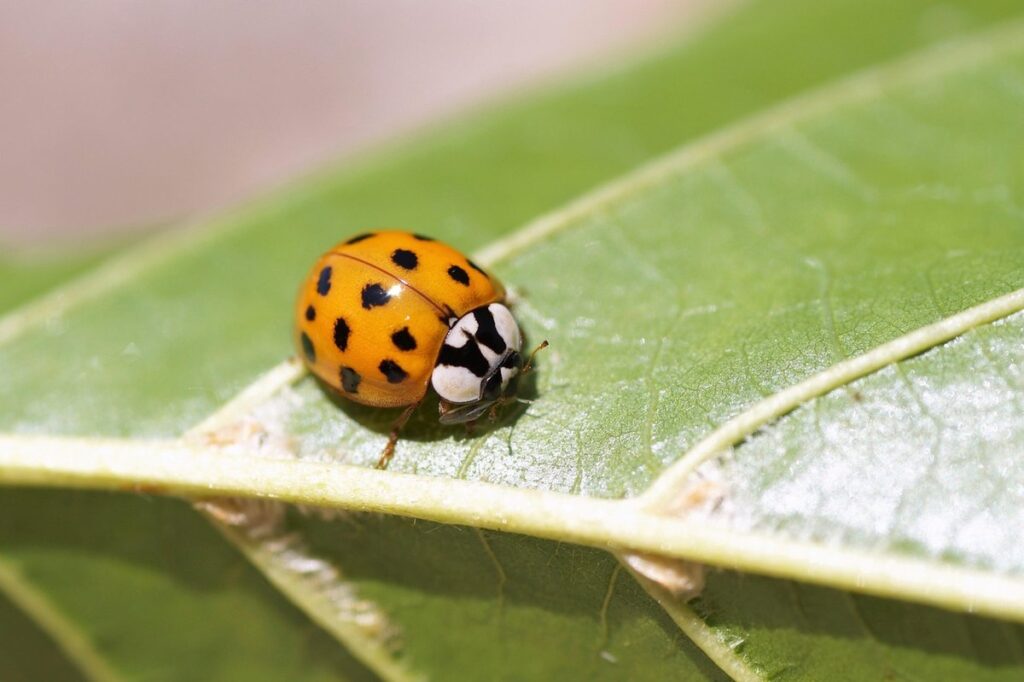
By introducing beneficial insects into your strawberry field, you can create a balanced ecosystem that is less reliant on chemical pesticides. This not only benefits the environment but also improves soil health and promotes healthy plant growth. For example, ladybugs feed on aphids, which can damage strawberry plants by sucking sap from leaves. By attracting ladybugs to your field, you can reduce the need for pesticides and minimize the risk of disease.
By incorporating beneficial insects into your strawberry farming practices, you can enjoy a more sustainable and resilient crop.
Common Challenges Faced by Strawberries
Strawberry crops are susceptible to various pests and diseases that can significantly impact their growth and yield. Among the common challenges faced by strawberry growers are fungal diseases such as powdery mildew and botrytis, which can spread rapidly if not managed properly.
Another significant threat is the spotted lanternfly (Lycorma delicatula), a highly invasive insect native to Asia that has been reported in several regions of North America. This pest feeds on plant sap, weakening strawberry plants and making them more susceptible to disease.
In addition to these pests and diseases, strawberry crops are also vulnerable to nematodes, microscopic worms that feed on the roots of strawberries, reducing their ability to absorb nutrients. Integrated pest management (IPM) strategies are crucial in mitigating the impact of these challenges.
For example, regular monitoring of fields and prompt removal of affected plants can help prevent the spread of diseases. Biological control methods, such as introducing beneficial insects like ladybugs or lacewings that prey on strawberry pests, can also be effective.
Honey Bees (Apis mellifera) and Strawberry Pollination
Honey bees are one of the most important pollinators for strawberry crops, and their relationship with these sweet fruits is crucial for successful harvests. Let’s take a closer look at how Apis mellifera helps strawberries thrive.
Honey Bee Biology and Behavior
Honey bees (Apis mellifera) play a vital role in strawberry pollination services. To understand their importance, it’s essential to delve into the biology and behavior of these incredible insects.
A honey bee colony consists of a single queen bee, tens of thousands of worker bees, and a few hundred drones. The queen is responsible for laying eggs, while the workers perform various tasks such as foraging, caring for young, and defending the colony. New worker bees emerge from cells after 21 days of development, during which they are fed royal jelly and pollen.
These highly social creatures have complex communication systems that facilitate their foraging habits. Bees use pheromones to convey information about nectar-rich flowers and potential threats. They also perform a “waggle dance” to communicate the direction and distance of food sources. This intricate language allows them to optimize foraging trips, resulting in efficient pollination services.
For strawberry growers, understanding honey bee biology can inform strategies for maximizing pollination benefits. By providing nectar-rich flowers and water sources near their fields, farmers can attract these beneficial insects and promote efficient pollination.
The Impact of Honey Bees on Strawberry Yield and Quality
Honey bees play a crucial role in pollinating strawberry crops, and their impact is nothing short of remarkable. According to research, one-third of the world’s strawberries are pollinated by honey bees (Apis mellifera). Without these busy bees, strawberry yields would plummet, and quality would suffer significantly.
Studies have shown that when honey bees pollinate strawberry flowers, yield increases by up to 20% and fruit size increases by 10%. The higher pollination efficiency of honey bees also leads to a significant improvement in fruit quality, resulting in larger, more flavorful berries. To take advantage of this boost in production, many commercial strawberry farmers rely heavily on bee colonies during peak pollination periods.
If you’re planning to grow strawberries at home or on a small scale, consider creating a bee-friendly environment by planting a variety of flowers that attract honey bees, such as sunflowers and lavender, around your strawberry patch. This will not only improve pollination but also enhance the overall health of your plants.
Ladybugs (Coccinella septempunctata) as Natural Pesticides
Ladybugs are one of the most effective and eco-friendly natural pest controllers for your strawberry crops, keeping aphid populations in check. Let’s dive into how to introduce these beneficial insects to your garden.
Ladybug Biology and Feeding Habits
Ladybugs are one of the most beneficial insects for strawberry crops. As natural predators, they play a crucial role in controlling aphid populations that can damage fruit and reduce yields. But what makes ladybugs such effective pest controllers? To understand their effectiveness, let’s take a closer look at their life cycle, diet, and behavior.
A female ladybug lays eggs on plants with high aphid infestations, ensuring her offspring have an abundance of food from the start. The larvae that hatch from these eggs are voracious predators, consuming up to 70% of their body weight in aphids per day. As they grow, they molt several times before entering a pupal stage where they transform into adult ladybugs.
Adult ladybugs feed on aphids, nectar, and pollen, but their primary diet consists of these pesky insects. A single ladybug can consume hundreds of aphids in its lifetime, making them an invaluable asset to strawberry farmers. By introducing ladybugs to your strawberry patch, you’re creating a balanced ecosystem that promotes healthy growth and reduces the need for pesticides. To attract more ladybugs to your garden, plant nectar-rich flowers like marigolds or sunflowers nearby, as these will serve as a sweet treat for your new beneficial friends.
Benefits of Ladybug-Introduced Integrated Pest Management
Incorporating ladybugs into Integrated Pest Management (IPM) strategies for strawberries offers numerous benefits. One of the most significant advantages is a reduction in chemical usage. Ladybugs are natural predators that feed on aphids, whiteflies, and other pests that can damage strawberry crops. By introducing ladybugs into the ecosystem, farmers can reduce their reliance on pesticides, which not only harms the environment but also poses health risks to consumers.
Studies have shown that IPM strategies involving ladybugs can lead to a 50-70% reduction in pesticide use. This is especially crucial for strawberries, as they are often grown using intensive agricultural practices. By adopting IPM with ladybugs, farmers can create a more balanced ecosystem that promotes biodiversity and reduces the need for chemical interventions.
To implement an effective IPM strategy involving ladybugs, farmers should first conduct thorough pest assessments to identify areas of high infestation. Next, introduce ladybug colonies at a rate of 1-2 ladybugs per square meter. Monitor their populations and adjust releases as needed to maintain optimal predator-to-prey ratios.
Lacewings (Chrysopa carnea) as Generalist Predators
Lacewings are a valuable addition to any strawberry farm, and their unique characteristics make them especially effective at controlling pests. Let’s take a closer look at how these beneficial insects work as generalist predators in your strawberry crop.
Lacewing Biology and Life Cycle
Lacewings (Chrysopa carnea) are one of the most valuable beneficial insects for strawberry crops. Their unique biology and life cycle make them an essential component of biological control. Lacewing larvae, also known as aphid lions, feed on soft-bodied pests like aphids, whiteflies, and thrips that often target strawberry plants.
A lacewing’s life cycle consists of four stages: egg, larva, pupa, and adult. Female lacewings lay their eggs near a food source, typically in the morning or evening, to ensure the larvae have an immediate supply of food when they hatch. Lacewing larvae are voracious predators that can consume up to 60 aphids per day. As they grow, they molt several times before entering the pupal stage, during which they undergo metamorphosis.
To integrate lacewings into your strawberry farm’s biological control strategy, provide a diverse range of host plants for adult lacewings to feed on and lay eggs near aphid colonies or other pest hotspots. This ensures that there is always an abundance of food available for the larvae when they hatch, allowing them to thrive and help control pest populations naturally.
The Role of Lacewings in Controlling Aphid Populations on Strawberries
Lacewings have proven to be a valuable asset in controlling aphid populations on strawberry crops. These beneficial insects are natural predators that feed on aphids, reducing their numbers and preventing the spread of plant diseases. Studies have shown that lacewing larvae can reduce aphid population sizes by up to 70%, with some farmers reporting significant reductions in pest pressure.
But how do lacewings achieve such impressive results? It’s due in part to their voracious appetite for aphids, which they devour in large quantities. Lacewing larvae are also highly effective at tracking down and killing aphids, using their long, slender bodies to navigate the intricate networks of strawberry plants. By introducing lacewings into your strawberry crop, you can significantly reduce the need for chemical pesticides and create a more balanced ecosystem.
To make the most of lacewings in controlling aphid populations, be sure to provide them with a suitable environment. This includes planting nectar-rich flowers nearby to attract adult lacewings and promote egg-laying.
Parasitic Wasps (Trichogramma spp.) as Biological Control Agents
Let’s dive into one of our favorite beneficial insects that helps control pests on strawberry crops: the parasitic wasp, Trichogramma spp. These tiny wasps play a vital role in maintaining a healthy ecosystem.
Life Cycle and Behavior of Trichogramma Wasps
Trichogramma wasps are one of the most effective biological control agents when it comes to managing pests that target strawberry crops. These tiny wasps have a unique life cycle and behavior that enables them to target specific pests with incredible precision.
Their life cycle begins as an egg, which is laid by the female Trichogramma on the surface of the host insect’s eggs. The female Trichogramma can lay up to 200 eggs in her lifetime, making them incredibly prolific. After a few days, the eggs hatch into larvae, which feed on the host insect’s internal tissues. This parasitic behavior is what allows Trichogramma wasps to control pest populations so effectively.
One of the most impressive characteristics of Trichogramma wasps is their ability to target specific pests. For example, certain strains are specifically designed to target the egg-laying stages of codling moths, which are a major pest of strawberries. This targeted approach allows farmers to use fewer resources and reduce the risk of harming beneficial insects.
When introducing Trichogramma wasps into your strawberry crop, it’s essential to monitor their populations and adjust as needed. By doing so, you can maximize their effectiveness in controlling pests while minimizing any potential risks. With proper management and release strategies, Trichogramma wasps can become a valuable addition to your integrated pest management (IPM) plan, helping to protect your strawberry crop from damage and disease.
The Impact of Trichogramma on Strawberry Pest Populations
When it comes to managing pest populations on strawberry crops, Trichogramma wasps have proven to be an effective biological control agent. These tiny wasps are natural predators of various pests that can harm strawberry plants, including whiteflies and aphids.
Research has shown that the introduction of Trichogramma can lead to a significant reduction in whitefly populations by up to 70%. This is because female Trichogramma wasps lay their eggs inside the eggs of whiteflies, preventing them from hatching. Similarly, Trichogramma can also control aphid populations by attacking and killing the aphids.
One study conducted in California found that using Trichogramma as a biological control agent resulted in an increase in strawberry yield by 25% compared to conventional pest management methods. Another benefit of using Trichogramma is that they are relatively inexpensive compared to chemical pesticides, making them an attractive option for farmers looking for cost-effective solutions.
To implement Trichogramma as a biological control agent on your strawberry farm, it’s essential to release the wasps at the right time and in sufficient numbers. Typically, this occurs during the peak pest population period, usually around mid-summer. The ideal release rate is 1-2 million Trichogramma per acre, depending on the severity of the infestation.
Encouraging Beneficial Insect Habitats for Strawberries
To ensure your strawberry crops receive optimal care, learn how to create a welcoming environment that attracts beneficial insects, such as bees and butterflies. By doing so, you’ll encourage these helpful visitors to stick around.
Creating a Beneficial Insect-Friendly Environment
Creating a beneficial insect-friendly environment is crucial for strawberry crops to thrive. As a farmer, you can provide shelter and food sources to attract these helpful insects. Start by incorporating native plants that offer nectar and pollen into your crop rotation. This will create a diverse habitat that supports pollinators like bees and butterflies.
Consider installing a bug hotel or a log pile in your field to provide shelter for beneficial insects. These structures can harbor solitary bees, wasps, and other tiny creatures that prey on pests. Leave some areas of the farm untidy, with leaves and debris intact, as these will attract ground-dwelling insects like ladybugs and lacewings.
By incorporating a mix of plants, providing shelter, and leaving some areas undisturbed, you’ll create an environment that benefits beneficial insects. For example, a study in California showed that farms with diverse habitats had significantly higher populations of beneficial insects, leading to increased yields and reduced pesticide use. Take the first step towards creating a thriving ecosystem for your strawberry crops – get creative with your habitat design!
Best Practices for Maintaining Beneficial Insect Populations
To maintain healthy populations of beneficial insects on strawberry farms, habitat management is crucial. This involves creating and preserving areas that provide shelter, food, and water for these insects. Start by identifying areas around the farm that are conducive to beneficial insect habitats, such as patches of native vegetation or undisturbed soil.
Provide alternative plants to strawberries that attract beneficial insects, like sunflowers or lavender. These plants can be incorporated into the crop rotation plan to create a diverse ecosystem. Ensure that any pesticide use is targeted and limited to areas where pests have been identified, rather than treating entire fields.
Another important aspect of maintaining beneficial insect populations is reducing disturbance around their habitats. This means minimizing tillage, avoiding over-mowing, and preserving undisturbed soil patches. By adopting these practices, strawberry farmers can create a welcoming environment for beneficial insects to thrive in.
Conclusion: Implementing Integrated Pest Management with Strawberry Beneficial Insects
Now that you’ve learned which beneficial insects help your strawberry crops thrive, it’s time to bring it all together and implement integrated pest management. This section will walk you through how to put this knowledge into practice.
Summary of Key Takeaways
In conclusion, integrating beneficial insects into strawberry agriculture can significantly enhance crop productivity and reduce chemical use. By adopting IPM strategies, farmers can create a balanced ecosystem that supports the growth of these beneficial insects.
One key takeaway is that beneficial insects are not just a supplementary measure but an essential component of sustainable strawberry farming. For instance, introducing ladybugs to control aphid populations can lead to a 50% reduction in pesticide use. Similarly, using parasitic wasps to manage spider mites has shown promising results in multiple field trials.
To implement IPM strategies effectively, farmers should start by conducting thorough surveys of their fields to identify areas where beneficial insects can be introduced. This may involve planting companion crops or creating habitat structures that support the life cycle of these beneficial insects. By doing so, farmers can create a self-sustaining ecosystem that promotes crop health and reduces reliance on chemical pesticides.
Actionable tips include:
• Assess your farm’s specific pest management needs
• Identify areas where beneficial insects can be introduced
• Plant companion crops or create habitat structures to support beneficial insect life cycles
Future Directions and Recommendations
As we conclude our discussion on beneficial insects that help strawberry crops thrive, it’s essential to look towards the future and explore avenues for further research and integration into pest management practices. One promising area of study is the development of more efficient and targeted beneficial insect species selection tools. These tools would enable farmers to identify the most suitable beneficial insects for their specific farm conditions, reducing trial and error and increasing efficacy.
Farmers can also benefit from participating in beneficial insect conservation efforts by incorporating diverse habitats and microclimates within their farms. This not only provides a haven for beneficial insects but also promotes biodiversity and ecosystem services. For example, introducing native plant species that provide shelter and food sources for beneficial insects can have long-term benefits for strawberry crops.
In the near future, consider collaborating with entomologists or extension specialists to explore local beneficial insect populations and their potential impact on your farm’s pest management. By embracing this collaborative approach and integrating beneficial insects into your practices, you’ll be taking a crucial step towards a more sustainable and resilient agricultural system.
Frequently Asked Questions
What if I’m not sure which beneficial insects are most suitable for my strawberry farm?
Start by identifying the primary pests affecting your strawberries, such as aphids or whiteflies. Then, research the specific beneficial insects that prey on these pests, like lacewings for aphid control or ladybugs for scale management. Consult with local experts or extension services to determine which beneficial insects are most effective in your region.
How can I ensure that my beneficial insect population remains stable over time?
Maintaining a beneficial insect-friendly environment requires ongoing effort. Regularly inspect your strawberry fields for signs of beneficial insects and take steps to protect their habitats, such as avoiding broad-spectrum pesticides and maintaining a diverse range of flowering plants. Consider introducing natural pest control methods, like neem oil or diatomaceous earth, to reduce reliance on chemical controls.
Can I use beneficial insects in conjunction with other integrated pest management (IPM) strategies?
Beneficial insects are an essential component of IPM, but they can be even more effective when combined with other techniques. Consider incorporating physical barriers, cultural controls, and biological controls into your IPM strategy to create a holistic approach to managing pests on your strawberry farm.
How do I know if my beneficial insect population is having a significant impact on pest populations?
Monitor the effectiveness of your beneficial insects by tracking pest population levels over time. Look for signs of reduced pest pressure, such as fewer aphids or whiteflies, and increased beneficial insect activity, like ladybug sightings. Consider using sticky traps or pheromone traps to capture and identify pests.
What if I encounter a pest problem that beneficial insects can’t control on their own?
Beneficial insects often work best in conjunction with other controls. If you’re facing a severe pest outbreak, consider combining biological control methods with cultural controls (e.g., crop rotation or sanitation) or physical barriers to prevent pest migration. This multi-faceted approach will help ensure your strawberry crops remain healthy and productive.