
Strawberry garden owners know that pests and diseases can quickly wreak havoc on their crops. To keep your strawberry plants healthy and thriving, you need to find effective ways to control these threats. One popular solution is neem oil spray, a natural pesticide that can help prevent infestations and promote plant growth. But timing is everything when it comes to using neem oil sprays in your strawberry garden. Applying it at the wrong moment can be ineffective or even harm your plants. In this article, we’ll explore the optimal timing for neem oil sprays on strawberries, including pre-harvest intervals and essential safety precautions to ensure you get the best results from this valuable tool.
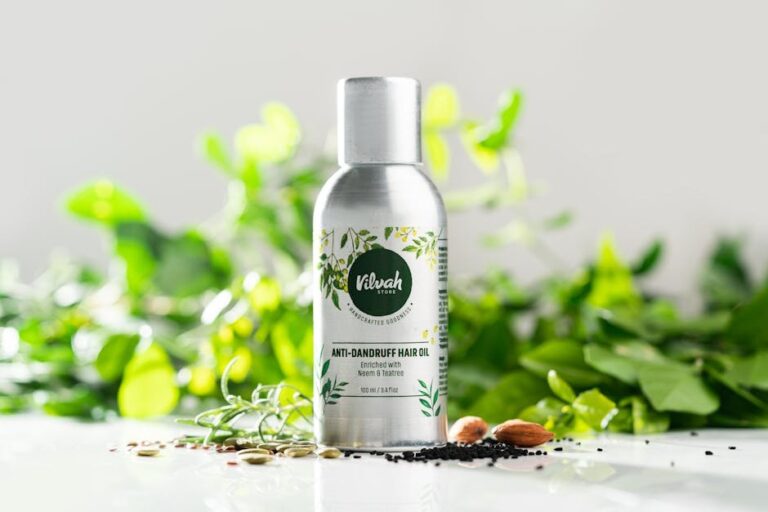
Understanding Neem Oil and Its Benefits
To get the most out of your strawberry neem oil spray, let’s start by understanding what makes it so beneficial for your garden. We’ll break down its key properties and advantages.
What is Neem Oil?
At its core, neem oil is a natural and versatile product derived from the seeds of the neem tree (Azadirachta indica). This remarkable substance has been harnessed for centuries to control pests, diseases, and even promote plant growth. As we delve into the world of optimal strawberry neem oil spray timing, it’s essential to understand the properties and benefits that make neem oil a valuable tool in your gardening arsenal.
When applied correctly, neem oil works as both a pesticide and fungicide, effectively managing common pests like aphids, whiteflies, and spider mites. It also helps prevent fungal diseases such as powdery mildew and leaf spot, which can be detrimental to strawberry plants. Moreover, neem oil has been shown to promote plant growth by stimulating root development and improving overall health.
To reap the benefits of neem oil in your strawberry garden, make sure to choose a high-quality product that is specifically labeled for agricultural use. Follow the instructions carefully, taking note of recommended concentrations and application frequencies.
How Does Neem Oil Work?
When you apply neem oil to your strawberry plants, it doesn’t just ward off pests and diseases – it also helps promote healthy growth. But have you ever wondered what makes neem oil so effective?
Neem oil works by disrupting the life cycle of insects, preventing them from reproducing or growing. This means that even if a pest does find its way onto your strawberry plants, it won’t be able to multiply and cause further damage. For example, when applied as directed, neem oil can prevent whiteflies, aphids, and spider mites from producing eggs – effectively putting an end to the next generation of pests.
In addition to its insecticidal properties, neem oil also has antifungal capabilities that can help combat diseases like powdery mildew and botrytis. This is especially important for strawberries, which are susceptible to fungal infections when they’re stressed or overwatered. By using neem oil regularly, you can create a healthier environment for your plants to thrive in. To reap these benefits, make sure to follow the product instructions and spray your strawberry plants at the right time – we’ll cover that in our next section.
Factors Affecting Neem Oil Spray Timing
When using neem oil spray on strawberries, several factors come into play to determine the optimal timing for application, ensuring effective pest control without harming your plants. Let’s break down these crucial considerations together.
Weather Conditions: Temperature and Humidity
When it comes to applying neem oil spray on your strawberry plants, you need to consider the impact of weather conditions, particularly temperature and humidity. Cooler temperatures can slow down pest activity, which might make it harder for neem oil to work effectively. For instance, if the temperature is consistently below 50°F (10°C), the neem oil may not be able to penetrate the plant’s tissues quickly enough to control pests.
On the other hand, extremely high temperatures above 90°F (32°C) can cause neem oil to evaporate too quickly, reducing its potency. Similarly, high humidity levels can prevent neem oil from spreading evenly on the leaves and stems of your strawberry plants. To maximize the effectiveness of neem oil sprays, it’s essential to choose a time when temperatures are between 60°F (15°C) and 80°F (27°C), and relative humidity is moderate.
In such conditions, neem oil can work efficiently to control pests without causing undue stress to your strawberry plants.
Plant Stage and Growth Cycle
When it comes to neem oil spray timing, understanding the plant stage and growth cycle of your strawberry plants is crucial for effective pest management. Young plants, in particular, are more vulnerable to pests and diseases due to their underdeveloped immune system.
During the seedling stage (1-2 weeks after sowing), strawberries require frequent watering and fertilization. It’s essential to monitor for aphids, whiteflies, and spider mites, which can be detrimental to young plants. Use neem oil spray at a concentration of 2-3% to prevent infestations.
As the plants grow (2-4 weeks after sowing), they enter the vegetative stage. Neem oil applications should focus on preventing disease outbreaks rather than pest control. Dilute the neem oil solution to 1.5% and spray it every 7-10 days to promote healthy growth.
Keep in mind that over-fertilization can lead to weak plant growth, making them more susceptible to pests. Monitor your plants’ responses to fertilizers and adjust accordingly.
Pre-Harvest Intervals (PHI) and Safety Precautions
Before applying neem oil spray, it’s crucial to understand the recommended pre-harvest intervals to avoid damaging your strawberries. We’ll walk you through essential safety precautions and PHI guidelines.
Importance of Pre-Harvest Interval
When it comes to using neem oil spray on your strawberry plants, one crucial aspect to consider is the pre-harvest interval (PHI). This may seem like a technical term, but trust us – it’s essential for ensuring the safety and quality of your strawberries.
The PHI refers to the amount of time that must pass between applying neem oil and harvesting your crops. Why is this important? Neem oil can leave behind residues on treated plants, which can be toxic if ingested by humans or animals. This might not seem like a big deal, but it’s especially concerning when it comes to food crops like strawberries.
To put things into perspective, the US Environmental Protection Agency (EPA) sets specific guidelines for PHI lengths based on the type of pesticide used and the crop being treated. For neem oil, the recommended PHI varies depending on factors like application rate, spray coverage, and weather conditions.
As a general rule, it’s best to wait at least 14 days after applying neem oil before harvesting your strawberries. However, this timeframe can be longer or shorter depending on specific circumstances. Be sure to check the product label and consult with local authorities if you’re unsure about the recommended PHI for your area.
Safety Measures When Using Neem Oil Spray
When using neem oil spray on your strawberry plants, it’s essential to take certain safety precautions to avoid any potential harm. To start with, make sure you’re wearing protective gear such as long sleeves, gloves, and eye protection. This will safeguard you against skin irritation and any possible splashes in the eyes.
It’s also crucial to use neem oil spray during early morning or late evening hours when the sun is not intense. Direct sunlight can cause the neem oil to degrade rapidly, losing its effectiveness and potentially harming your plants. Additionally, be sure to follow the recommended concentration ratio of neem oil to water as specified on the label.
When handling neem oil spray, always read the instructions carefully before application. Make sure you understand the recommended usage rates for different types of pests or diseases on strawberry plants. By following these simple guidelines and taking necessary precautions, you’ll be able to enjoy a healthy and thriving strawberry garden without compromising your safety.
Timing of Neem Oil Sprays for Different Pests
When dealing with different pests, knowing when to apply neem oil spray is crucial – let’s dive into the optimal timing for common strawberry pests and how it affects their control.
Common Garden Pests and Their Life Cycles
To effectively manage pests in your strawberry garden, it’s essential to understand their life cycles. This knowledge helps you determine the optimal timing of neem oil applications for maximum effectiveness. Let’s take aphids as an example. These tiny insects can be controlled by spraying neem oil when they’re in their nymph stage.
Aphid life cycle typically involves four stages: egg, nymph, adult, and honeydew production. Neem oil is most effective against them during the nymph stage. This is because it disrupts their hormone system, preventing them from reaching adulthood and reproducing. For optimal results, spray neem oil 7-10 days after aphids have hatched from eggs.
Other common garden pests include whiteflies, spider mites, and caterpillars. Each of these pests has a distinct life cycle, which should be understood to time neem oil applications correctly. Whiteflies, for instance, go through four stages: egg, nymph, adult, and mating. Neem oil can be applied at any stage, but it’s most effective against the adult whitefly.
Effective Methods for Controlling Various Pests
When it comes to controlling pests on your strawberry plants, timing is everything. For common pests like whiteflies and spider mites, a neem oil spray applied during the early morning hours when the dew is still present can be highly effective. This allows the oil to cling to the leaves and stems of the plant for an extended period, giving it ample time to penetrate the exoskeletons of these soft-bodied pests.
For slugs, which are notorious for their ability to damage strawberry plants at night, a neem oil spray applied in the evening can be particularly effective. As the slugs emerge from their hiding places under leaf litter and other debris to feed on your strawberry plants, the neem oil will already have taken hold, making it difficult for them to move or feed.
To ensure optimal control of these pests, be sure to:
* Apply a minimum of 3% neem oil solution
* Spray in areas where pest activity has been observed
* Repeat applications as necessary, ideally at 7-10 day intervals
By implementing these methods and adjusting your neem oil spray timing accordingly, you can create a more balanced ecosystem for your strawberry plants to thrive.
Using Neem Oil for Fungal Diseases
To tackle fungal diseases that can damage your strawberry plants, neem oil is a natural and effective solution to have on hand. Here’s how to use it safely and effectively in your garden.
Common Fungal Diseases Affecting Strawberry Plants
Strawberry plants are susceptible to various fungal diseases that can significantly impact their health and productivity. Some of the most common fungal diseases affecting strawberry plants include powdery mildew, leaf spot, and root rot. Powdery mildew is a prevalent issue caused by fungi such as Sphaerotheca fusca, resulting in a white powdery coating on leaves and stems that can lead to premature fruit drop.
Leaf spot, typically caused by Colletotrichum acutatum, appears as dark spots or lesions on the leaves, which can eventually spread to the crowns and roots. Root rot, often caused by Phytophthora cactorum, leads to soft, mushy crowns and roots that are more susceptible to other diseases.
Neem oil is an effective natural fungicide that can be used to control these fungal diseases in strawberry plants. It works by preventing spore germination and inhibiting the growth of fungal hyphae. To effectively use neem oil on your strawberry plants, it’s essential to identify the specific disease you’re dealing with and apply the oil at the right stage of infection.
Timing Neem Oil Applications for Fungal Disease Prevention
Timing neem oil applications correctly is crucial to prevent fungal diseases from taking hold. When it comes to strawberry cultivation, timing plays a significant role in ensuring optimal disease prevention. Apply neem oil sprays too early or late, and you may not reap the desired benefits.
In general, it’s recommended to apply neem oil sprays when fungal spores are present but before they’ve had a chance to infect your plants. This is usually around 7-10 days after a rain shower or irrigation cycle. Monitor your strawberry crop closely for signs of fungal diseases like powdery mildew, botrytis, and leaf spot.
To optimize results, consider the growth stage of your strawberries when applying neem oil sprays. For young plants, focus on preventative measures during the first 6-8 weeks after planting. As your strawberry plants mature, switch to treating specific areas where fungal diseases are more likely to occur, such as around blooms and ripening fruit.
By timing neem oil applications strategically, you can create a stronger defense against fungal diseases in your strawberry garden.
Conclusion: Maximizing the Effectiveness of Strawberry Neem Oil Spray
Now that we’ve covered the optimal timing for using strawberry neem oil spray, let’s review how to get the most out of this valuable tool. By following these final tips, you’ll be well on your way to a thriving and pest-free garden.
Recap of Key Points
In conclusion, determining the optimal timing for strawberry neem oil spray is crucial to maintaining a healthy and thriving garden. By considering weather conditions, plant stage, and pest life cycles, you can create an effective strategy to control pests and diseases while minimizing harm to beneficial insects.
Key takeaways from this article emphasize the importance of being mindful of environmental factors such as temperature, humidity, and wind direction when applying neem oil spray. For instance, spraying during periods of high heat or direct sunlight may exacerbate pest pressure, whereas cooler temperatures can enhance the efficacy of the product. Similarly, understanding the plant’s growth stage is essential to avoid disrupting its natural processes. This includes identifying specific growth stages where pests are most vulnerable, ensuring that the neem oil spray reaches them effectively.
Moreover, staying informed about pest life cycles will help you anticipate and prepare for potential infestations. For example, knowing when aphid populations typically peak in your region allows you to adjust your spraying schedule accordingly. By considering these variables, you can create a tailored approach that addresses specific challenges in your garden while minimizing unnecessary applications.
In practice, this means taking the following steps:
* Monitor local weather forecasts and adjust your spraying schedule according to temperature, humidity, and wind direction.
* Identify key growth stages for your strawberry plants and time neem oil spray applications accordingly.
* Stay informed about pest life cycles specific to your region and adjust your strategy to address peak infestations.
By embracing this comprehensive approach, you’ll be well-equipped to tackle the challenges posed by pests and diseases in your garden, ensuring a healthy and thriving strawberry crop all season long.
Frequently Asked Questions
What if I miss the optimal timing for neem oil spray, can I still use it at a later time?
If you’ve missed the optimal timing for neem oil spray, don’t worry – it’s not a lost cause! However, the effectiveness might be reduced. It’s recommended to wait at least 7-10 days before reapplying neem oil, allowing the plant to recover and minimizing potential phytotoxicity. Always check the specific product label instructions for any additional guidance.
Can I use neem oil spray on strawberry plants that are already infested with pests?
Yes, neem oil can still be effective even if your strawberry plants are already infested. However, it’s crucial to follow the product label instructions and take necessary precautions, such as removing heavily infested leaves or stems to prevent further contamination.
How often should I reapply neem oil spray on my strawberry plants?
The frequency of neem oil applications depends on various factors like pest pressure, weather conditions, and plant growth stage. As a general rule, you can expect to reapply every 7-10 days during peak growing seasons or when signs of pests or diseases appear.
Can I mix neem oil with other pesticides or fertilizers?
No, it’s generally not recommended to mix neem oil with other pesticides or fertilizers without consulting the product labels and ensuring compatibility. Neem oil can be a powerful tool on its own, so use it as directed to avoid any potential interactions or adverse effects.
What if I accidentally spray neem oil on my strawberry plants during peak sun hours?
If you’ve accidentally sprayed neem oil during peak sun hours, take immediate action by thoroughly rinsing the affected area with water. Neem oil can cause phytotoxicity when exposed to direct sunlight, so prompt attention will help minimize any potential damage.