
Strawberry leaf spot is one of the most frustrating diseases that can afflict your home garden or commercial crop. If you’re a strawberry farmer, grower, or enthusiast, chances are you’ve encountered this pesky issue at some point. The good news is that it’s not impossible to treat and prevent, but first, let’s understand what we’re up against. Strawberry leaf spot is caused by various fungal pathogens that thrive in warm and humid conditions, causing unsightly spots on your precious strawberry leaves.
In this comprehensive guide, we’ll delve into the causes and symptoms of strawberry leaf spot, share expert-approved prevention strategies to keep it at bay, and provide you with effective treatment options to revive your infected plants. Whether you’re a seasoned farmer or just starting out, our goal is to equip you with the knowledge you need to tackle this common issue head-on and protect your strawberry crop.
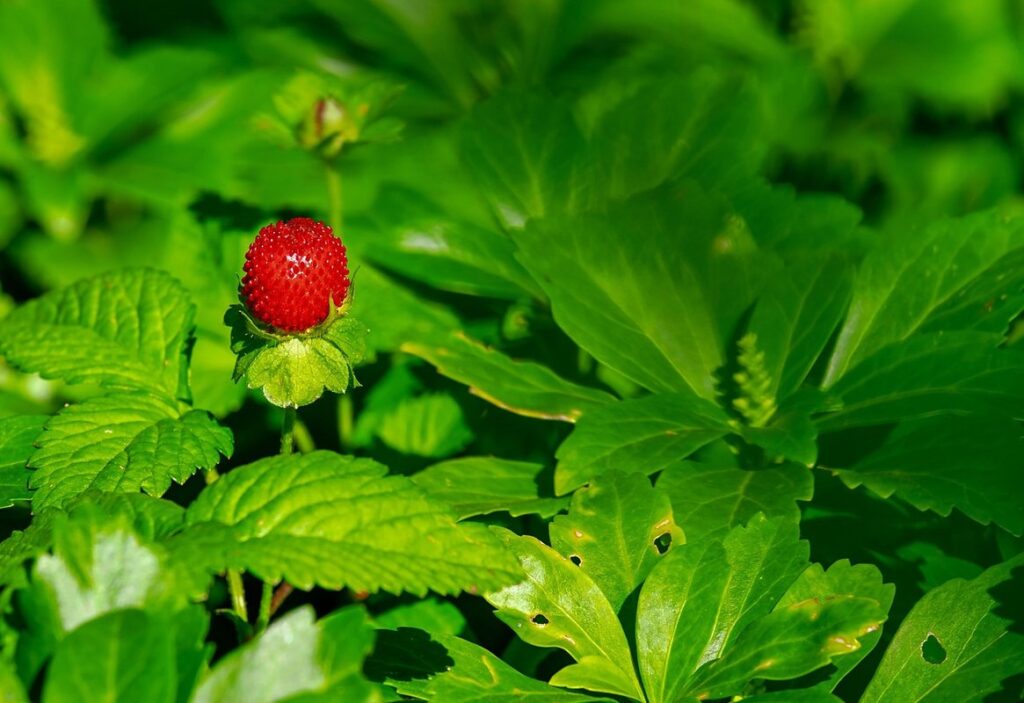
Understanding Strawberry Leaf Spot
Strawberry leaf spot is a common fungal disease that can have devastating effects on your strawberry plants, causing yellowing leaves and reduced yields. Let’s explore what causes this issue.
Causes and Symptoms of Strawberry Leaf Spot
Strawberry leaf spot is a common fungal disease that affects strawberry plants, causing significant damage to yields and plant health. The primary cause of this disease is the fungal infection by pathogens such as Phoridium oleraceum, Phoma exigua var. exigua, or Diplocarpon eres. These fungi are typically soil-borne and can be spread through water, equipment, and infected plant debris.
As the disease progresses, gardeners may notice a range of symptoms, including yellowing leaves, leaf spots, and eventually defoliation. The leaf spots themselves are often circular to oval in shape, grayish-green or blackish in color, and may have a downy growth on their surface. In severe cases, the entire plant can be affected, leading to reduced fruit production and plant mortality.
To identify strawberry leaf spot early, gardeners should regularly inspect their plants for signs of infection. Be sure to check both the upper and lower surfaces of leaves, as well as any newly emerging growth. If you notice even a few infected leaves, take action promptly to prevent further spread and reduce damage to your crop.
Environmental Factors Contributing to Strawberry Leaf Spot
Environmental factors play a significant role in the development and spread of strawberry leaf spot. Temperature is one such factor that can contribute to the disease’s progression. High temperatures above 25°C (77°F) create an ideal environment for the fungus to grow, while prolonged exposure to cool, wet conditions below 10°C (50°F) can weaken the plant’s resistance.
Humidity is another crucial environmental factor that contributes to strawberry leaf spot. Fungal growth thrives in humid environments with relative humidity levels above 80%. Prolonged periods of high humidity, such as during spring or summer months, increase the risk of infection.
Weather conditions like rainfall and irrigation can also facilitate the spread of the disease. Water droplets on leaves create a conducive environment for fungal spores to germinate and infect the plant. Avoid overhead watering, instead using soaker hoses or drip irrigation systems that deliver water directly to the roots.
Understanding these environmental factors will help you take proactive measures to prevent strawberry leaf spot in your garden. Keep an eye out for changes in temperature, humidity, and weather conditions to adjust your management strategies accordingly.
Identifying the Disease Early On
Identifying the disease early on is crucial to preventing its spread and reducing the severity of symptoms. As a gardener, it’s essential to know what to look out for when it comes to strawberry leaf spot. One of the most notable signs is the appearance of yellow or white spots on the leaves, which can be circular or irregular in shape. These spots may also have a grayish or brownish center and are often accompanied by a yellowing or curling of the leaf margins.
As the disease progresses, infected leaves may become distorted, wilted, or even drop off the plant altogether. To identify strawberry leaf spot early on, inspect your plants regularly, paying attention to any unusual discoloration or deformation of the leaves. Keep in mind that young leaves are more susceptible to infection than mature ones. If you notice any signs of disease, take action promptly to prevent its spread and treat affected areas with fungicides specifically designed for strawberry leaf spot treatment.
Prevention Strategies for Strawberry Leaf Spot
To keep strawberry leaf spot at bay, understanding prevention strategies is key. Let’s dive into practical tips to help you protect your strawberry plants from infection.
Creating a Healthy Garden Environment
Maintaining a balanced ecosystem in your garden is crucial to preventing strawberry leaf spot. One of the most effective ways to do this is through crop rotation. By rotating your crops, you can break the life cycle of fungal diseases like strawberry leaf spot. For example, if you’ve grown strawberries on a particular patch of soil, move them to a different area for the next season. This will reduce the risk of fungal spores building up in the same spot.
Composting is another essential practice that contributes to a healthy garden environment. By adding compost to your soil, you’re enriching it with beneficial microbes that help fight off diseases like strawberry leaf spot. Aim to add 2-3 inches of compost to the top layer of soil each season. To make your own compost, mix equal parts “green” materials (food scraps and grass clippings) with “brown” materials (leaves and twigs).
Proper soil care is also vital in maintaining a balanced ecosystem. Make sure to test your soil pH regularly and adjust it as needed. Most strawberries prefer slightly acidic conditions between 5.5 and 6.5. Avoid overwatering, which can exacerbate fungal diseases like strawberry leaf spot. Instead, water your plants deeply but infrequently to encourage deep root growth.
Implementing Integrated Pest Management (IPM) Techniques
Implementing Integrated Pest Management (IPM) techniques is a crucial step in preventing Strawberry Leaf Spot from taking over your garden. IPM isn’t just about pest control; it’s a holistic approach to managing your garden’s ecosystem, focusing on long-term sustainability and minimizing the use of chemicals.
To incorporate IPM into your gardening routine, start by understanding the life cycle of the fungus that causes Strawberry Leaf Spot. This will help you identify when and where the disease is most likely to occur, allowing you to take preventative measures. For example, prune your strawberry plants in the fall to remove any infected leaves, and ensure good air circulation around the plants.
IPM also involves creating a healthy growing environment by maintaining optimal soil pH, providing adequate nutrients, and ensuring proper watering practices. Consider using crop rotation and companion planting to reduce disease pressure on your strawberry plants. By adopting these strategies, you’ll not only prevent Strawberry Leaf Spot but also promote overall plant health and resilience in the face of other potential diseases.
Best Practices for Watering and Irrigation
Proper water management is crucial in preventing strawberry leaf spot. Overwatering can lead to an ideal environment for the disease-causing fungus to thrive. Ensure you’re not overwatering by checking the soil moisture regularly using a finger test or a moisture meter.
Watering during early morning hours allows the plants to absorb the water throughout the day, reducing the risk of fungal growth. Avoid watering in the evening when excess moisture can accumulate on the leaves overnight. Use drip irrigation systems or soaker hoses that deliver water directly to the roots, reducing evaporation and runoff.
Maintain a consistent soil moisture level by adjusting your watering schedule based on weather conditions and temperature fluctuations. Reduce watering during hot and dry spells, as this will help prevent stress on the plants. By implementing proper irrigation techniques and avoiding overwatering, you can significantly reduce the risk of strawberry leaf spot infection in your garden.
Organic and Chemical Treatment Options
When it comes to treating strawberry leaf spot, you’ve got two main approaches to consider: organic methods that work in harmony with nature, and chemical treatments that offer quick relief.
Organic Methods for Managing Strawberry Leaf Spot
When it comes to managing strawberry leaf spot organically, gardeners have several effective methods at their disposal. One approach is to utilize biological controls, which involve introducing beneficial organisms that naturally prey on the fungus causing the disease. For example, using Trichoderma harzianum, a type of fungal parasite, can help control the spread of strawberry leaf spot.
Another method is to employ physical barriers to prevent the disease from taking hold. Applying copper-based products or sulfur-based fungicides can be effective in preventing spores from germinating on plant leaves. However, it’s essential to note that these methods may require repeated applications and proper timing for optimal results.
Selecting resistant varieties of strawberries is also a viable option for gardeners looking to minimize the impact of strawberry leaf spot. Some popular varieties include ‘Camarosa’, ‘Seascape’, and ‘Albion’. When planting new strawberry plants, be sure to choose a variety that has been bred specifically to resist this disease.
Chemical Treatments: A Last Resort for Severe Outbreaks
Chemical treatments may be necessary as a last resort to control severe outbreaks of strawberry leaf spot. While organic options should always be prioritized, chemical treatments can provide quick relief from the disease.
However, it’s essential to understand that chemical treatments have both pros and cons. On the plus side, they can offer rapid results in controlling the spread of the disease, especially during critical growth stages when fruit production is at its peak. For instance, products containing fungicides like chlorothalonil or copper oxychloride can effectively prevent the development of leaf spot lesions.
The main drawback of chemical treatments lies in their potential impact on beneficial organisms and the soil environment. These chemicals can also leave residues on fruit, which may be detrimental to human health and the environment if not properly managed. Moreover, repeated use of fungicides can lead to the development of resistant fungal populations, reducing the treatment’s long-term efficacy.
If chemical treatments are deemed necessary, it’s crucial to follow application guidelines carefully to minimize risks. Always read labels thoroughly, wear protective gear during application, and ensure proper timing for optimal results.
Best Practices for Strawberry Farming
To ensure your strawberry plants stay healthy and productive, let’s dive into some essential best practices for farming strawberries. This includes tips on soil preparation, crop rotation, and disease management techniques.
Integrated Crop Management Strategies
Implementing integrated crop management (ICM) strategies is crucial to minimize the risk of strawberry leaf spot outbreaks. This approach involves combining various techniques to promote healthy plant growth, reduce disease pressure, and maintain soil fertility. To get started, farmers can adopt a few key practices.
Firstly, maintain good air circulation around your plants by leaving enough space between rows (around 1-2 meters). This simple measure can help prevent moisture from accumulating on leaves, making it less conducive for fungal growth. Consider planting companion crops like basil or marigold nearby to repel pests and improve soil health.
Regular monitoring of temperature and humidity levels is also essential in preventing strawberry leaf spot outbreaks. Keep an eye out for conditions that favor the disease’s development (high temperatures, high humidity). Apply fungicides as a last resort, opting instead for cultural controls like crop rotation and sanitation.
Crop selection is another vital component of ICM. Choose strawberry varieties known to be resistant or tolerant to leaf spot diseases, such as ‘Camarosa’ or ‘Fern’. Rotate your crops annually to break disease cycles and improve soil structure.
Regular Monitoring and Record Keeping
Regular monitoring and record keeping are crucial components of strawberry farming, particularly when it comes to detecting early signs of disease such as leaf spot. By staying vigilant and documenting observations, farmers can catch issues before they spread, reducing the need for expensive treatments like fungicides.
To effectively monitor your strawberry plants, start by checking them regularly for signs of disease. Look for yellowing leaves, black spots, or a general decline in plant health. Take note of the severity of any symptoms you observe and record the date. This information will be invaluable when deciding on a treatment plan.
Consider keeping a field journal or using a mobile app to log your observations. Include details such as weather patterns, temperature fluctuations, and any treatments applied. Reviewing this data can help identify potential causes of disease outbreaks and inform future management decisions. For example, if you notice that leaf spot tends to occur during periods of high humidity, you may choose to adjust your irrigation schedule or apply preventative fungicides during these times.
Conclusion: Protecting Your Strawberry Plants
Now that you’ve treated your strawberry plants for leaf spot, let’s focus on protecting them from future infections to keep your harvest healthy and thriving. This is where prevention comes into play.
Recap of Key Findings
In conclusion, managing strawberry leaf spot effectively requires a multifaceted approach that combines cultural practices, chemical treatments, and integrated pest management strategies. Our discussion highlighted the importance of monitoring weather conditions to prevent disease onset, as well as implementing crop rotation and sanitation techniques to reduce spore dispersal.
Regular fungicide applications can help control the spread of the disease, but it’s essential to choose products carefully, considering their effectiveness against Sclerotinia sclerotiorum and their impact on beneficial microorganisms in the soil. Additionally, maintaining optimal growing conditions, including adequate moisture, temperature, and nutrient levels, is crucial for promoting plant health.
To recap, here are the key takeaways from our exploration of strawberry leaf spot treatment: ensure proper crop rotation and sanitation, monitor weather conditions closely, choose effective fungicides, maintain optimal growing conditions, and consider integrated pest management strategies to minimize chemical use. By adopting this holistic approach, gardeners can effectively manage strawberry leaf spot and protect their plants’ health and productivity.
Additional Tips for Future Reference
To maintain healthy strawberry plants and prevent future outbreaks of leaf spot, it’s essential to adopt a proactive approach. This includes regular monitoring of your plants for signs of infection, such as yellowing leaves, black spots, or white powdery patches.
Practice good gardening hygiene by removing any infected leaves or debris from the affected area. Disinfect pruning tools and equipment regularly to prevent the spread of disease. Consider implementing a rotation system in your garden, where strawberry crops are grown in a new location each season to break the cycle of infection.
In addition, maintain optimal growing conditions for your strawberries, including adequate watering, proper pH levels, and sufficient sunlight. Avoid overwatering, which can exacerbate leaf spot symptoms. By following these guidelines, you’ll be better equipped to prevent future outbreaks and ensure a bountiful strawberry harvest.
Frequently Asked Questions
How soon can I expect to see results after implementing prevention strategies?
You may start seeing improvements within a week or two of implementing our recommended prevention strategies, such as adjusting watering schedules or using fungicides. However, it’s essential to maintain consistent efforts over time to achieve long-term protection against strawberry leaf spot.
Can I use the same treatment methods for both organic and chemical-based treatments?
No, we strongly advise against mixing organic and chemical-based treatments. Each approach requires a different set of considerations and applications. Our article outlines specific guidelines for each type of treatment, so be sure to follow these recommendations carefully to avoid contamination or other issues.
What happens if I’ve already noticed significant damage from strawberry leaf spot?
If you’ve already observed extensive damage, it’s crucial to implement our recommended treatment options as soon as possible. This includes both organic and chemical-based methods, depending on the severity of the outbreak. Be sure to monitor your plants closely for any further signs of infection.
How often should I inspect my strawberry crop for early detection of leaf spot?
We recommend regular monitoring of your strawberry crop every 3-4 days during peak growing seasons. Keep an eye out for telltale symptoms like yellowing leaves, black spots, or a general decline in plant health. Early detection is key to effective prevention and treatment.
What are some common mistakes to avoid when implementing integrated pest management (IPM) techniques?
Some common pitfalls include over-reliance on chemical treatments, neglecting crop rotation, or failing to maintain proper sanitation and hygiene practices around the garden. To maximize IPM’s effectiveness, be sure to follow our guidelines for implementing these strategies.