
Are you tired of picking strawberries at the wrong time and missing out on their peak sweetness? Optimizing your strawberry harvest timing can make all the difference in enjoying the best flavor and texture. But, with so many factors to consider, it’s easy to get it wrong.
From selecting the right variety for your climate to preparing the soil for optimal growth, there are several key elements that will help you time your strawberry harvest perfectly. In this comprehensive guide, we’ll cover everything from variety selection to post-harvest handling techniques, giving you the knowledge and confidence to pick strawberries at their best. Whether you’re a seasoned gardener or just starting out, this article will walk you through the essential steps to ensure a successful and rewarding strawberry harvest.
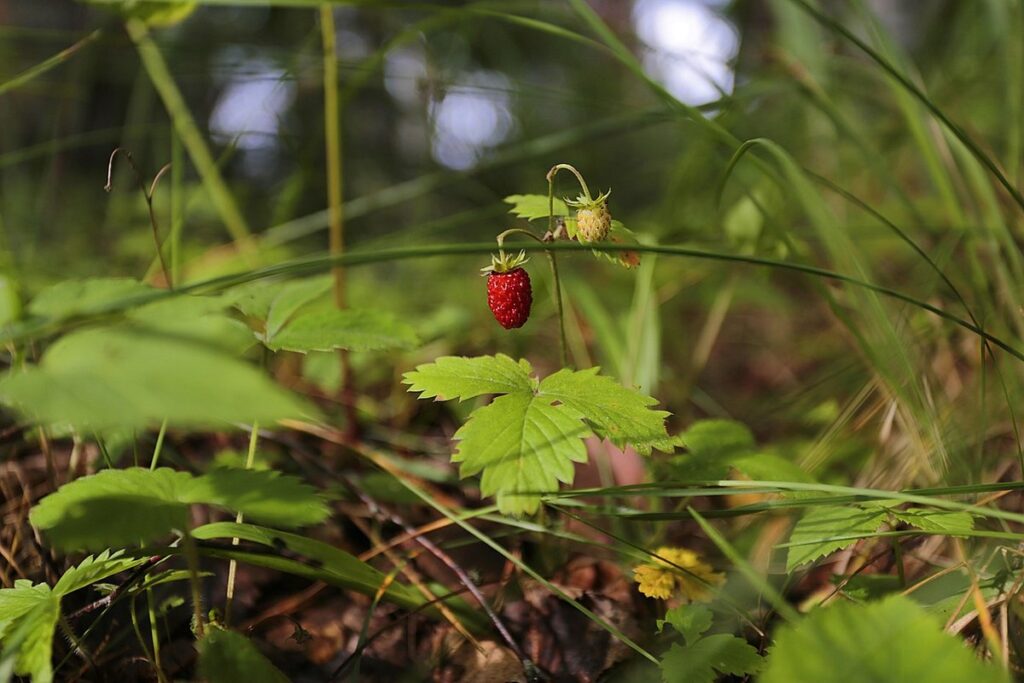
Understanding Strawberry Varieties and Their Impact on Harvest Timing
When it comes to optimizing your strawberry harvest, understanding the different varieties can make all the difference in timing. Let’s take a closer look at how various types of strawberries affect harvest timing.
Factors Influencing Strawberry Variety Selection
When selecting a strawberry variety, several factors come into play. Climate is one of the primary considerations, as different varieties are suited to specific temperature and humidity ranges. For instance, day-neutral strawberries thrive in cooler temperatures, making them ideal for growers in temperate regions. On the other hand, ever-bearing strawberries perform better in warmer climates with ample sunlight.
Soil type also plays a significant role in strawberry variety selection. Some varieties prefer well-draining sandy loams, while others tolerate heavier clays or alkaline soils. Market demand is another crucial factor to consider. Growers who supply high-end grocery stores may opt for premium varieties like Albion or Camarosa, which offer exceptional flavor and texture.
In addition to these factors, growers must also consider the specific needs of their operation, including disease resistance and harvest timing. By carefully evaluating these factors and selecting a variety that meets their unique requirements, growers can optimize their crop and ensure a successful strawberry harvest.
Characteristics of Early-Season, Mid-Season, and Late-Season Strawberry Varieties
When selecting strawberry varieties for your farm or garden, it’s essential to consider their characteristics and how they’ll impact harvest timing. Let’s break down the unique features of early-season, mid-season, and late-season varieties.
Early-season strawberry varieties typically produce fruit 30-40 days after planting and are ideal for regions with a short growing season. They often have smaller berries but higher yields, making them perfect for areas where the temperature drops quickly in the fall. For example, ‘Earliglow’ is a popular early-season variety that produces fruit in as little as 25 days.
Mid-season strawberry varieties usually produce fruit between 50-70 days after planting and are suitable for most regions. They often have larger berries than early-season varieties but slightly lower yields. A good mid-season variety to consider is ‘Camarosa’, which offers large, sweet strawberries and a moderate yield.
Late-season strawberry varieties take around 90-120 days or more to produce fruit and are ideal for areas with long growing seasons. They often have the largest berries of all three types but can be more challenging to grow due to their sensitive nature. ‘Cavendish’ is an excellent late-season variety that produces large, flavorful strawberries, but it requires careful management to thrive.
When selecting strawberry varieties, consider your specific climate and harvest goals. This will ensure you choose the best variety for your needs and maximize your crop’s potential.
Climate and Weather Considerations for Optimal Harvest Timing
When planning your strawberry harvest, it’s essential to consider how climate and weather conditions can impact your crop’s ripeness. This affects not only flavor but also texture.
Regional Weather Patterns and Their Effect on Strawberry Ripening
Regional weather patterns play a significant role in determining the optimal harvest timing for strawberries. Temperature fluctuations are particularly crucial, as strawberries typically ripen when temperatures range between 60°F and 70°F (15°C to 21°C). Prolonged exposure to high temperatures can accelerate ripening, while cooler temperatures may slow it down.
In regions with mild winters, such as California or Florida, strawberry crops often thrive due to the consistent warmth. However, in areas with cold winters, like Michigan or New York, growers must carefully monitor temperature fluctuations to determine the best harvest timing.
Precipitation also impacts strawberry ripening, as excessive moisture can lead to fungal diseases and rot. Aim for well-draining soil and consider using covers or mulch to manage water levels. Sunlight exposure is another critical factor, with strawberries typically requiring 6-8 hours of direct sunlight per day to ripen evenly.
By understanding regional weather patterns and their effects on strawberry ripening, growers can make informed decisions about harvest timing, ensuring optimal flavor, texture, and yield.
Understanding Frost and Freeze Events’ Impact on Strawberries
Frost and freeze events can be particularly devastating for strawberry crops, which are highly sensitive to temperature fluctuations. When strawberries are exposed to temperatures below 25°F (-4°C), they can suffer significant damage, leading to reduced yields or even total crop loss.
In regions prone to frost and freeze events, it’s essential to monitor weather forecasts closely during the harvest season. This allows you to take proactive measures to protect your strawberry crop, such as covering plants with row covers or bringing them indoors if possible.
To mitigate risks, consider planting a variety of strawberry that is known for its cold hardiness, such as ‘Seascape’ or ‘Albion’. These varieties are more resilient to frost and freeze events but may not be suitable for warmer climates.
When preparing for potential frost and freeze events, it’s also crucial to maintain healthy soil and optimal crop moisture levels. This will help your strawberry plants withstand temperature fluctuations better than those grown in nutrient-poor or water-stressed conditions.
Soil Preparation and Nutrient Management for Healthy Strawberry Plants
Before you start harvesting your strawberries, it’s essential to prepare the soil and manage nutrients effectively to ensure healthy plants that thrive throughout the season. A well-prepared soil will also help optimize fruit production.
Soil pH and Nutrient Requirements for Optimal Strawberry Growth
Soil pH plays a crucial role in strawberry growth, and maintaining an optimal range is essential for maximizing yields. For strawberries to thrive, the ideal soil pH ranges between 5.5 and 6.5. This slightly acidic to neutral range allows for better nutrient availability and uptake by the plant.
Strawberries require a balanced mix of macro- and micronutrients to produce high-quality fruit. Key nutrients include nitrogen (N), phosphorus (P), potassium (K), calcium (Ca), magnesium (Mg), and sulfur (S). Nitrogen promotes leaf growth, while phosphorus supports root development and flower formation.
To optimize strawberry growth, consider the following soil nutrient requirements:
* Maintain a consistent nitrogen level of around 100-150 ppm
* Phosphorus levels should be between 50-70 ppm
* Potassium levels should be around 200-250 ppm
Keep in mind that these are general guidelines and may vary depending on your specific climate, soil type, and variety of strawberries. Regular soil testing is essential to ensure you’re providing the optimal nutrient balance for your plants. By monitoring and adjusting your soil pH and nutrient levels accordingly, you’ll be well on your way to a successful strawberry harvest.
Strategies for Effective Fertilization and Irrigation Practices
When it comes to optimizing your strawberry crop, proper fertilization and irrigation practices are crucial for healthy plant growth. The key is to tailor these strategies to your region’s climate and soil conditions. In areas with high temperatures and dry spells, for instance, it’s essential to implement efficient irrigation systems that conserve water without compromising yields.
Aim to provide strawberries with at least 1-2 inches of water per week, either from rainfall or supplemental irrigation. You can also consider using drip irrigation, which delivers water directly to the roots while minimizing evaporation and runoff. When fertilizing, opt for a balanced fertilizer (e.g., 10-10-10 N-P-K) during the first growing season, followed by a bloom-boosting formula (e.g., 15-30-15 N-P-K) during flowering and fruiting stages.
Be mindful of your soil’s pH levels and adjust fertilization accordingly. For example, if your soil is alkaline (pH above 7), choose an acidic fertilizer to bring the pH down to a more suitable range for strawberries (5.5-6.5). By implementing these effective fertilization and irrigation strategies, you’ll be well on your way to optimizing your strawberry crop’s yield and quality.
Pest and Disease Management: Preventing Pests from Affecting Harvest Timing
Effective pest management is crucial to ensuring that your strawberry crop reaches optimal harvest timing, without being compromised by unwanted critters. We’ll explore the key strategies for preventing pests and diseases from affecting your harvest.
Common Strawberry Pests and Diseases and Their Impact on Crop Yield
Common strawberry pests and diseases can significantly impact harvest timing and crop yield. Aphids, whiteflies, and spider mites are among the most prevalent pests that feed on strawberry plants’ sap, causing curled or distorted leaves. These pests can also transmit plant viruses, leading to reduced yields and delayed harvests.
Diseases like powdery mildew and botrytis (grey mold) can spread rapidly, especially in humid environments. Fungal diseases thrive in moist conditions and can cause significant damage to strawberry flowers and fruits. For instance, a study found that powdery mildew reduced strawberry yields by up to 30% in some regions.
Effective management strategies include crop rotation, sanitation, and integrated pest management (IPM) techniques. Regular monitoring of your strawberry plants for signs of pests or diseases is crucial. Keep an eye out for sticky honeydew droplets on leaves, which indicate aphid infestations. By taking proactive measures to prevent these issues, you can optimize harvest timing and ensure a healthy crop. Implementing IPM strategies can also reduce the need for chemical pesticides and minimize environmental impact.
Integrated Pest Management (IPM) Strategies for Healthy Strawberries
When it comes to growing healthy strawberries, Integrated Pest Management (IPM) strategies are crucial for minimizing the use of chemical pesticides and promoting a balanced ecosystem around your plants. IPM involves monitoring pests and diseases, using physical barriers, cultural controls, biological control methods, and targeted pesticide applications when necessary.
To implement an effective IPM strategy for your strawberry crop, start by introducing beneficial insects such as ladybugs or lacewings to prey on aphids and other pests. You can also use row covers to prevent pests like slugs and snails from reaching your plants. Crop rotation and sanitation are also essential in preventing the spread of diseases.
Regularly inspecting your plants for signs of stress, disease, or pest infestation will help you take timely action to prevent damage. For example, copper-based fungicides can be used to control fungal diseases like powdery mildew. By adopting a holistic approach to pest and disease management, you’ll not only reduce the need for chemical pesticides but also promote a thriving ecosystem that benefits your strawberry crop.
Some of the key benefits of IPM include reduced chemical usage, increased biodiversity, and improved soil health. By incorporating these strategies into your farming practices, you’ll be well on your way to achieving optimal strawberry harvest timing and yields.
Post-Harvest Handling and Storage Techniques
Now that you’ve brought in your freshly picked strawberries, let’s talk about how to keep them fresh for as long as possible through proper handling and storage techniques. This includes tips on cooling, cleaning, and storing your berries to maintain their quality.
Proper Harvesting Methods to Minimize Damage and Delayed Ripening
Harvesting strawberries at the right time is crucial for optimal flavor and texture. However, proper harvesting methods are equally important to prevent damage and delayed ripening. When handling strawberries, it’s essential to minimize bruising and scratching, which can lead to mold growth and reduced shelf life.
To avoid damaging the delicate skin of strawberries, gently lift them from the plant using a fork or a specialized strawberry harvester. Avoid pulling on the leaves or stems, as this can cause unnecessary stress to the plant. Also, never harvest strawberries when they’re wet, as excess moisture can lead to fungal diseases and spoilage.
To prevent delayed ripening, harvest strawberries in the morning after the dew has evaporated but before the heat of the day. This allows for optimal flavor development and texture. Regularly inspect your strawberry plants to identify ripe fruit, and pick them at the same time every day to maintain a consistent picking schedule.
Optimal Storage Conditions for Maintaining Strawberry Quality
Maintaining optimal storage conditions is crucial for extending the shelf life of strawberries and preserving their quality. After harvest, strawberries are highly perishable and sensitive to temperature fluctuations, humidity levels, and ethylene production. To keep them fresh, store them in a controlled environment with the following parameters:
* Temperature: between 32°F (0°C) and 40°F (4°C), which slows down respiration and metabolic processes.
* Humidity: maintain a relative humidity of 90-95% to prevent water loss and decay.
* Ethylene management: keep strawberries away from sources of ethylene, such as apples and bananas, which can trigger ripening.
* Ventilation: ensure good air circulation around the storage area to prevent the buildup of CO2 and ethylene.
Monitor the storage conditions closely, as temperature fluctuations can cause strawberries to spoil quickly. Check on them daily and remove any spoiled or rotten berries to maintain a healthy environment for the rest. By storing strawberries under these optimal conditions, you can extend their shelf life by 7-10 days and keep them fresh for up to two weeks.
Conclusion: Maximizing Your Strawberry Harvest with Accurate Timing
Now that you’ve learned how to predict and prepare for your strawberry harvest, let’s tie everything together by maximizing your yields with precise timing. With this final piece of the puzzle in place, you’ll be a pro at growing delicious strawberries!
Recap of Key Takeaways on Optimizing Strawberry Harvest Timing
As we conclude our guide on optimizing strawberry harvest timing, let’s recap the key takeaways to help you maximize your crop. By applying these insights, you’ll be well on your way to enjoying a bountiful and timely strawberry harvest.
Firstly, understanding the factors that influence strawberry ripening is crucial. This includes temperature, chill hours, day length, and moisture levels. Recognizing how these elements interact will enable you to anticipate when your strawberries are ready for picking. For instance, cool temperatures slow down fruit growth but initiate flowering, while warm temperatures speed up development.
Accurate timing involves considering the specific variety of strawberry you’re growing. Some cultivars mature earlier than others, and selecting the right one for your climate and region can significantly impact harvest success. Research and choose varieties that are known to perform well in your area.
Another critical aspect is monitoring weather forecasts and adapting your strategy accordingly. Keep a close eye on temperature fluctuations and precipitation patterns. Unseasonable changes can cause strawberries to ripen too quickly or develop unevenly, affecting flavor and texture.
To ensure you’re harvesting at the optimal time, pay attention to visual cues such as color, shape, and firmness. Pick strawberries when they are still slightly green around the stem end and the red color is vibrant but not overripe. Regular inspections will also help you detect potential issues like pests or diseases that can compromise your harvest.
Finally, keep a detailed record of your harvest timing strategies to refine them for future seasons. Analyze what worked well and what didn’t, making adjustments as needed to optimize your strawberry production. By following these takeaways and staying informed about the factors influencing your strawberries’ ripening process, you’ll be well-equipped to reap the rewards of a bountiful and delicious harvest.
Frequently Asked Questions
How can I confirm the optimal harvest timing for my strawberry variety?
Check your plant’s label or consult with a local nursery to determine its specific maturity days, which will give you an estimate of when it should be ready for harvest. Keep in mind that weather conditions like temperature and rainfall may affect actual ripening times.
What are some common mistakes people make when timing their strawberry harvest?
A common mistake is waiting too long between harvests, leading to overripe strawberries or a depleted crop. Regularly inspect your plants to determine when berries have reached optimal sweetness and texture, then plan for regular harvesting to prevent these issues.
How do I handle unexpected weather events like frost or heatwaves during the strawberry harvest?
For frosts, bring potted plants under cover, or use row covers to protect them. For heatwaves, provide adequate water and shade, ensuring that soil moisture levels don’t drop too low. Both strategies will help minimize damage and maintain optimal growing conditions.
Can I grow strawberries in areas with extreme temperature fluctuations between summer and winter?
While strawberries generally prefer cooler temperatures, some varieties are bred for warmer climates. If you’re planning to grow in an area with significant temperature swings, look for heat-tolerant or day-neutral strawberry varieties specifically suited for your region’s climate conditions.
How often should I water my strawberry plants during the harvest period?
Strawberries need consistent moisture levels throughout their growth cycle, especially when producing fruit. Aim to provide about 1-2 inches of water per week through either rain or irrigation, taking care not to overwater, which can lead to root rot and other issues.