
Strawberry plants require a delicate balance of nutrients to thrive, but with so many different types of fertilizers on the market, it can be tough to know where to start. As a strawberry grower, you’re probably no stranger to concerns about pH levels and optimal application times – after all, getting these just right is crucial for a bountiful harvest.
In this article, we’ll break down everything you need to know about creating a tailored fertilizer schedule for your strawberry plants. We’ll explore the key nutritional needs of strawberries at different stages of growth, discuss how to monitor and adjust pH levels, and provide guidance on when and how often to apply various types of fertilizers. By following our expert advice, you’ll be well on your way to growing lush, healthy strawberries that will delight your family and friends all season long.
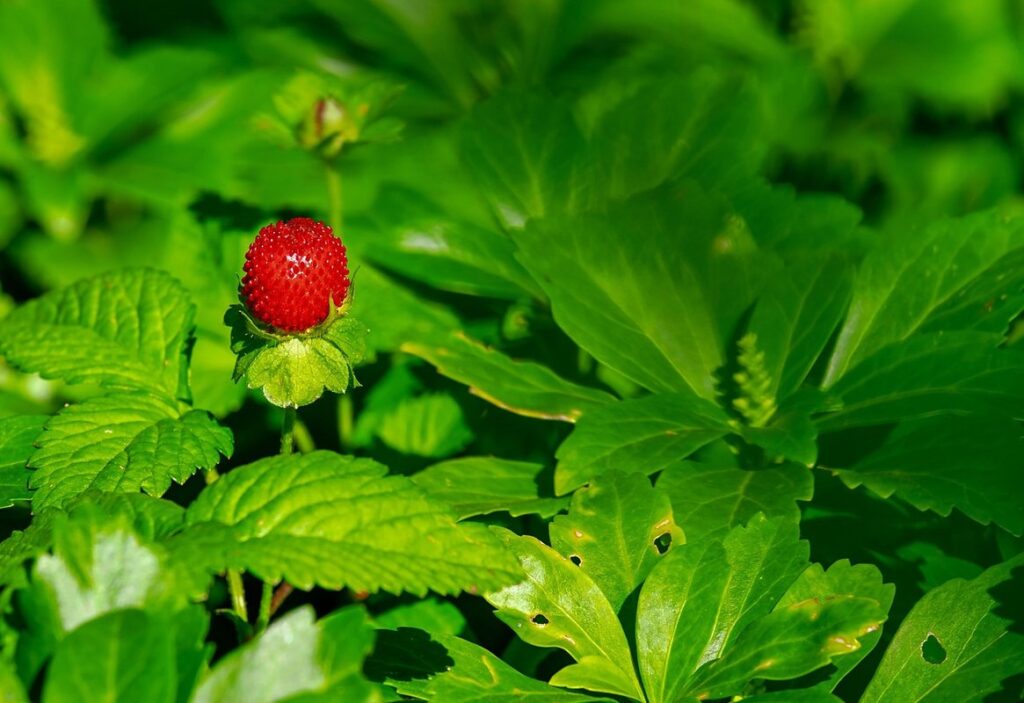
Understanding Your Strawberry Plant’s Nutritional Needs
Understanding your strawberry plant’s nutritional needs is crucial for optimal growth and production, so let’s break down what they require.
Macronutrients and Micronutrients for Optimal Growth
To grow healthy and productive strawberry plants, it’s essential to provide them with the right balance of macronutrients and micronutrients. Macronutrients are the primary nutrients that make up a significant portion of a plant’s dry weight, while micronutrients are needed in smaller amounts but are just as crucial for optimal growth.
The three main macronutrients required by strawberry plants are nitrogen (N), phosphorus (P), and potassium (K). Nitrogen promotes leaf growth and development, phosphorus supports root development and fruiting, and potassium helps with overall plant health and resistance to disease. Aim to provide a balanced fertilizer that contains an N-P-K ratio of 10-10-10 or similar.
Micronutrients like iron, magnesium, and sulfur are also vital for healthy strawberry growth. Iron is necessary for photosynthesis and chlorophyll production, while magnesium helps with enzyme function and nutrient uptake. Sulfur supports plant resistance to disease and pests, as well as promoting healthy fruiting. Make sure your fertilizer contains these essential micronutrients in adequate amounts.
The Importance of pH Levels in Strawberry Fertilization
Soil pH is a crucial aspect of strawberry fertilization that often gets overlooked. The reality is that nutrient availability and uptake by your strawberry plants heavily rely on the soil’s pH level. When the pH is off, it can limit the accessibility of essential nutrients, ultimately affecting plant growth and fruit production.
To gauge your soil’s pH levels, you’ll need to invest in a soil testing kit or consult with a local nursery for assistance. Most kits will provide a numerical reading between 0-14, with 7 being neutral. Strawberry plants generally thrive within a slightly acidic to neutral range (pH 6.0-7.0). If your test reveals an excessively high or low pH, you’ll need to adjust the levels accordingly.
To lower high pH levels, incorporate elemental sulfur or peat moss into your soil. For elevated alkalinity, add dolomitic limestone to raise the pH gradually. It’s essential to monitor and record these changes, as sudden fluctuations can stress your plants. By acknowledging and adjusting your soil’s pH levels, you’ll ensure that your strawberry plants absorb necessary nutrients for optimal growth.
Creating a Balanced Fertilizer Schedule
Now that you’ve learned the basics of strawberry fertilization, it’s time to create a balanced fertilizer schedule tailored to your specific growing needs and climate. We’ll walk you through the process step by step.
Understanding the N-P-K Ratio: A Guide to Choosing the Right Fertilizer
When choosing the right fertilizer for your strawberry plants, understanding the N-P-K ratio is crucial. The N-P-K ratio refers to the proportion of nitrogen (N), phosphorus (P), and potassium (K) in a given fertilizer. These three macronutrients are essential for plant growth and development.
Nitrogen promotes leafy green growth, phosphorus supports root development and fruiting, while potassium enhances overall health and resistance to disease. A balanced N-P-K ratio ensures that your strawberries receive the right amounts of these nutrients to thrive.
Common N-P-K ratios used in strawberry cultivation include 10-10-10 (equal parts nitrogen, phosphorus, and potassium) and 20-5-5 (more nitrogen with lower levels of phosphorus and potassium). For example, a fertilizer labeled as 15-30-15 would have 15% nitrogen, 30% phosphorus, and 15% potassium. When selecting a fertilizer, consider the specific needs of your strawberry plants at different growth stages – vegetative growth, flowering, and fruiting. By understanding the N-P-K ratio, you can make informed decisions about which fertilizer to use and when.
Scheduling Fertilizers Based on Strawberry Growth Stages
As strawberry plants go through various growth stages, their fertilization needs change significantly. Understanding these stages is crucial for creating a balanced fertilizer schedule.
Strawberry establishment stage typically lasts from planting to about 6-8 weeks after transplanting. During this period, focus on providing essential nutrients like nitrogen, phosphorus, and potassium (NPK) in moderate amounts. This will promote healthy root development and leaf growth.
As strawberries begin to produce flowers and eventually fruit, their fertilization needs shift. Fruiting stage usually starts around 8-10 weeks after transplanting and continues until harvest. At this point, reduce nitrogen application and focus on providing phosphorus-rich fertilizers to support flower and fruit production.
Harvest stage marks the final growth stage of strawberries, typically lasting from mid-spring to early summer. During this time, maintain a balanced fertilizer schedule with moderate NPK levels to promote continued fruiting and overall plant health.
Keep in mind that specific fertilization needs may vary depending on your strawberry variety, climate, and soil conditions. Regularly monitoring your plants’ growth and adjusting the fertilizer schedule accordingly will ensure optimal results.
Choosing the Right Type of Fertilizer for Strawberries
When it comes to feeding your strawberries, not all fertilizers are created equal. We’ll break down the different types of fertilizers that work best for strawberries and their unique requirements.
Organic vs. Synthetic Fertilizers: Pros and Cons
When it comes to fertilizing your strawberry plants, you’ll likely encounter two main types: organic and synthetic. Understanding the pros and cons of each is crucial for making informed decisions about your strawberry fertilizer schedule.
Organic fertilizers, derived from natural sources like compost, manure, or bone meal, have several benefits. They promote healthy soil ecosystems, improve soil structure, and contribute to biodiversity. For example, using compost tea as a foliar spray can enhance plant resistance to diseases and pests. Additionally, organic fertilizers tend to release nutrients slowly, reducing the risk of over-fertilization.
However, organic options are often more expensive than synthetic alternatives. They may also require additional labor to prepare and apply, which can be time-consuming. A 2020 study found that while organic fertilizers increased strawberry yields by an average of 15%, they were only cost-effective in large-scale commercial operations.
Synthetic fertilizers, on the other hand, offer quick and affordable nutrient uptake. They contain high concentrations of nitrogen, phosphorus, and potassium (NPK), which can boost plant growth rapidly. However, excessive use can lead to soil degradation, water pollution, and reduced fertility over time. A study published in the Journal of Environmental Science and Health revealed that synthetic fertilizer runoff contributes significantly to surface water contamination.
To make an informed decision, consider your specific strawberry cultivation needs. If you’re focused on long-term soil health and environmental sustainability, organic fertilizers might be the better choice. Conversely, if rapid growth is a priority and budget constraints are tight, synthetic options could be suitable.
Liquid vs. Solid Fertilizers: Considering Ease of Application and Efficiency
When it comes to fertilizing your strawberries, you have two main options: liquid and solid fertilizers. Both types have their advantages and disadvantages, which we’ll explore below.
Liquid fertilizers offer the convenience of easy application, as they can be simply poured onto the soil or dripped directly into the plant’s roots. This makes them ideal for large strawberry patches or commercial growers with limited time to dedicate to fertilization. However, liquid fertilizers require more frequent applications, typically every 1-2 weeks, which can increase labor costs and may lead to over-fertilization if not monitored closely.
On the other hand, solid fertilizers provide a more controlled application rate, as you can simply sprinkle them onto the soil surface or mix into the soil according to package instructions. This type of fertilizer also tends to release nutrients more slowly, which can be beneficial for plants that require a steady supply of nutrients over time. However, solid fertilizers may not be as readily absorbed by the plant, potentially reducing their effectiveness.
In terms of nutrient delivery speed, liquid fertilizers tend to take effect quickly – often within 24-48 hours – while solid fertilizers may take several days or even weeks to become fully available to the plant. To get the most out of your fertilizer, it’s essential to choose a type that suits your strawberry patch’s specific needs and schedule.
When selecting between liquid and solid fertilizers for strawberries, consider the following:
* Your strawberry variety: Some varieties may prefer one type of fertilizer over another.
* Climate and weather conditions: Liquid fertilizers can be more effective in areas with high temperatures or intense sunlight.
* Plant age: Young plants may benefit from a faster-acting fertilizer like liquid, while mature plants may do better with a slower-releasing solid fertilizer.
* Soil type: Different soil types may require different types of fertilizers for optimal nutrient uptake.
Timing Your Fertilizer Applications for Maximum Effectiveness
To get the most out of your strawberry fertilizer, it’s essential to apply it at the right time. This section explains how to synchronize your fertilization schedule with your plants’ growth cycles for optimal results.
Early Season Fertilization: Setting Up for Success
When it comes to establishing a strong foundation for healthy strawberry plant growth, early-season fertilization plays a critical role. This initial application sets the stage for optimal development and maximizes yields throughout the season. A well-placed fertilizer dose at this critical juncture allows young plants to develop robust root systems that can efficiently absorb essential nutrients.
To reap these benefits, it’s essential to apply a balanced, water-soluble fertilizer (around 20-10-10 NPK ratio) as soon as possible after transplanting or seed germination. This kick-starts the growth process by providing an immediate boost of nitrogen, phosphorus, and potassium.
Timing is everything here; aim for about 1 to 2 weeks after planting when the soil has reached a relatively stable temperature (ideally between 60°F to 70°F). This brief window allows newly transplanted strawberries or seedlings to get accustomed to their new environment while absorbing necessary nutrients.
Foliar sprays can also be beneficial, especially if you notice any early signs of nutrient deficiencies. These targeted applications provide an instant boost and give your plants the tools they need to establish a strong foundation for success throughout the season.
Mid-Season Fertilizers: Boosting Fruit Production and Quality
Mid-season fertilization is a crucial stage in strawberry cultivation that can significantly impact fruit yield, size, and quality. As strawberries continue to grow and produce, they require additional nutrients to maintain optimal health and productivity. A mid-season fertilizer application can help address nutrient deficiencies, promote healthy growth, and ultimately lead to better fruit quality.
At this stage, it’s essential to focus on micronutrients like iron, zinc, and manganese, which play a critical role in plant development. For instance, iron deficiency is common in strawberries, particularly during periods of high rainfall or waterlogged soil conditions. Applying an iron-based fertilizer can help alleviate this issue, resulting in improved fruit set and size.
Another key nutrient to consider during mid-season is potassium (K), which helps regulate plant water balance, promotes root growth, and enhances disease resistance. By incorporating a balanced fertilizer with adequate K content into your routine, you’ll be providing your strawberries with the necessary support to thrive throughout their growing season.
Consider adding a 10-15% K-based fertilizer at mid-season to see notable improvements in fruit size and quality. This strategic application can also help mitigate stress caused by weather fluctuations or pests/diseases.
Addressing Common Issues through Strategic Fertilizer Application
When you’re dealing with common issues like stunted growth or poor fruit production, understanding how to strategically apply fertilizers can be a game-changer for your strawberry plants. Let’s tackle these problems head-on!
Overfertilization: Causes, Symptoms, and Prevention Strategies
Overfertilization can have severe consequences on strawberry cultivation, including environmental pollution, soil degradation, and reduced crop yields. One of the primary causes of overfertilization is incorrect fertilizer application timing. When fertilizers are applied too frequently or at the wrong stage of plant growth, they can lead to an excessive buildup of nutrients in the soil.
Symptoms of overfertilization include yellowing leaves, stunted growth, and reduced fruit production. In severe cases, overfertilization can even cause strawberry plants to become scorched, leading to permanent damage. To avoid these issues, it’s essential to adopt targeted fertilization practices that take into account the specific nutrient needs of strawberries at different stages of growth.
Aim for a balanced fertilizer schedule that includes a mix of macro and micro nutrients. Nitrogen-rich fertilizers should be applied during fruiting stages, while phosphorus-based fertilizers are more effective during planting and establishment phases. Regular soil tests can also help identify areas where targeted fertilization is needed to correct nutrient deficiencies or prevent overfertilization altogether.
Nutrient Deficiencies: Identifying and Correcting Imbalances
As you work on your strawberry fertilizer schedule, it’s essential to be aware of common nutrient deficiencies that can impact plant health and productivity. Nitrogen deficiency is a prevalent issue in strawberries, often causing symptoms like yellowing leaves, stunted growth, and reduced fruit yield.
To identify nitrogen deficiency, inspect your plants for these signs and conduct soil tests to confirm the diagnosis. If you’ve determined that your strawberry plants are indeed suffering from nitrogen deficiency, corrective action involves adjusting your fertilizer application schedule.
Apply a balanced fertilizer with a higher nitrogen content (e.g., 10-20-10 NPK) during the growing season, typically from spring to early summer. For existing deficiencies, consider using a quick-release nitrogen fertilizer as a foliar spray or adding it directly to the soil. Monitor your plants for improvement and adjust your fertilization plan accordingly.
In addition to nitrogen deficiency, watch out for other common issues like phosphorus, potassium, magnesium, and iron imbalances. Regularly testing your soil will help you identify these potential problems and guide targeted corrective actions to optimize strawberry growth and production.
Frequently Asked Questions
What’s the best way to monitor pH levels in my strawberry plants, especially during the early stages of growth?
Monitoring pH levels is crucial for optimal strawberry growth. You can use a soil testing kit or send a sample to a lab for analysis. For DIY options, consider using pH test strips or digital meters. Keep in mind that strawberries prefer a slightly acidic to neutral soil pH (around 5.5-6.5). Adjustments may be necessary based on your specific results.
How often should I apply fertilizers during the peak fruiting season to maximize strawberry production?
During the peak fruiting season, it’s essential to maintain a consistent fertilizer application schedule. Typically, this means applying a balanced fertilizer (10-10-10 N-P-K) every 2-3 weeks. However, this may vary depending on your specific climate and soil conditions. Consider using a foliar spray or liquid fertilizer for easier application during this critical period.
Can I use compost tea as a substitute for regular fertilizers in my strawberry garden?
Compost tea can be an excellent addition to your strawberry fertilization routine. It provides beneficial microbes that promote plant health and nutrient uptake. You can use it as a foliar spray or soil drench, but consider combining it with other fertilizers for optimal results. A 1:10 dilution ratio is usually recommended.
How do I address common issues like overfertilization or nutrient deficiencies in my strawberry plants?
Identifying and correcting common issues is crucial to maintaining healthy strawberry plants. Monitor your plants regularly for signs of overfertilization (yellowing leaves, reduced fruiting) or nutrient deficiencies (chlorosis, stunted growth). Adjust your fertilizer application schedule accordingly, and consider consulting with a local gardening expert or conducting further research.
Can I apply fertilizers during extreme weather conditions like heatwaves or droughts?
Extreme weather conditions can impact strawberry growth and fertilizer effectiveness. It’s best to avoid applying fertilizers during intense heatwaves or droughts, as this may cause more harm than good. Instead, focus on providing adequate water and shade for your plants. Resume regular fertilization once the weather returns to normal.