
Transplanting seedlings can be a nerve-wracking experience, especially when you’re unsure how to do it right. But did you know that shocking your plants is one of the most common mistakes gardeners make? Shock can cause irreparable damage to your delicate seedlings, setting them back weeks or even killing them off entirely. But don’t worry, with a few simple tips and tricks, you can learn how to transplant seedlings successfully without shocking them. In this comprehensive guide, we’ll explore the causes of shock, share expert advice on preparing your plants for transplanting, and provide troubleshooting tips to help you overcome common issues. By the end of this article, you’ll be equipped with the knowledge to give your seedlings the best chance at thriving in their new home.
Understanding Seedling Shock
Seedling shock is a common issue that can occur when transplanting seedlings, causing them to drop leaves and struggle to thrive. In this crucial step-by-step guide, we’ll explore its causes and prevention methods.
What is Seedling Shock?
Seedling shock is a common phenomenon that occurs when seedlings are transplanted from one environment to another. It’s a natural response of the plant to the stress caused by being handled, exposed to new light and water conditions, or having its root system disturbed. When this shock occurs, seedlings may exhibit reduced growth rates, increased susceptibility to disease, and decreased yields.
During transplanting, roots are inevitably damaged, which can disrupt the plant’s ability to absorb water and nutrients from the soil. This stress triggers a cascade of responses in the plant, including changes in hormone production and nutrient allocation. As a result, seedlings may become stunted or weak, making them more vulnerable to pests and diseases.
In extreme cases, seedling shock can lead to complete failure of the plant to thrive. If you’re experiencing this issue with your transplanted seedlings, it’s essential to recognize the signs early on and take corrective action.
Causes of Seedling Shock
Seedling shock can occur due to several common causes that can be prevented with proper care and handling. One of the primary reasons is root disturbance, which happens when a seedling’s roots are disrupted during transplanting. This disruption can cause stress to the seedling, leading to shock. To minimize this risk, gently handle the roots during transplantation, and avoid exposing them to light.
Changes in light and temperature are another significant cause of seedling shock. When seedlings are moved from a shaded area to full sun or vice versa, it can be too intense for their sensitive leaves. Similarly, sudden changes in temperature can also cause stress to the seedling. To prevent this, gradually acclimate your seedlings to outdoor conditions by moving them outside during the day and bringing them back inside at night.
Over-handling of seedlings is another cause of shock that should be avoided. Seedlings are fragile, and excessive handling can damage their delicate tissues. Handle them carefully, and avoid touching or manipulating their leaves excessively. By being mindful of these common causes of seedling shock, you can take steps to prevent it and ensure a successful transplant.
Preparing for a Successful Transplant
Before you begin transplanting your seedlings, it’s essential to prepare them for their new environment by hardening off and acclimating them to outdoor conditions. This step is crucial for a successful transplant.
Choosing the Right Time to Transplant
When it comes to transplanting seedlings without shocking them, timing is everything. You want to choose the right moment when the seedling is ready for its new home and the environment is conducive to growth. To determine the optimal time for transplanting, consider three key factors: weather conditions, soil quality, and plant growth stages.
Check the weather forecast before transplanting, aiming for a cloudy or overcast day to reduce stress on the seedling. Avoid direct sunlight, which can cause the seedling to become scorched and stressed. Also, ensure that the soil is not too wet or dry. A consistent moisture level will help the seedling adjust to its new environment.
Pay attention to the growth stage of your seedlings. Young seedlings (1-2 weeks old) are more sensitive to transplanting than those that have developed two sets of leaves. Transplant seedlings when they have at least two sets of leaves, and their roots have begun to fill the container.
Monitor the seedling’s root development by gently removing it from its container. If the roots are circling or growing out of the pot, it’s time to transplant. Transplanting during this stage will give your seedling a better chance at thriving in its new environment.
Acclimating Seedlings Before Transplant
When transplanting seedlings outdoors, it’s crucial to acclimate them to the new environment before making the final move. This process, called hardening off, helps prevent shock by gradually exposing the seedlings to outdoor conditions such as sunlight, wind, and temperature fluctuations.
Start by moving the seedlings from a shaded area or indoor space to a sunny spot outdoors for short periods each day, increasing the duration over several days. Begin with 1-2 hours of direct sunlight per day and gradually increase to full sun exposure (6-8 hours) over 7-10 days. Monitor your seedlings’ responses and adjust the timing accordingly.
Additionally, subject the seedlings to gentle breezes or use a fan to mimic wind conditions. You can also simulate temperature fluctuations by placing them in an area where they’ll be exposed to morning sun and afternoon shade. This will help them develop resilience to changing temperatures. By acclimating your seedlings gradually, you’ll reduce the risk of transplant shock and give them the best chance for success in their new environment.
The Transplant Process
Now that we’ve discussed how to prepare your seedlings for transplant, let’s dive into the steps of a successful transplant process to ensure they thrive in their new home.
Digging the Hole Correctly
When digging holes for transplant seedlings, it’s crucial to get the size and depth just right. You see, each plant species has its unique root growth patterns, and failing to accommodate them can cause shock when transplanted.
For example, shallow-rooted plants like tomatoes and peppers prefer a shallower hole, around 12-18 inches deep, while deeper-rooted plants like carrots and beets require holes that are about 2-3 times as deep. Take into account the mature size of your plant, not just its current size when planting.
Soil structure is another factor to consider. If you have dense or heavy clay soil, you may need to create a hole that’s slightly wider than usual to ensure proper drainage and prevent root circling. On the other hand, if you’re working with sandy soil, you might need to dig a bit deeper to provide enough stability for the roots.
Aim for a hole that’s at least 2-3 times as wide as the plant’s root ball. This will give the roots room to grow and establish themselves without feeling cramped or restricted.
Handling Seedlings During Transplant
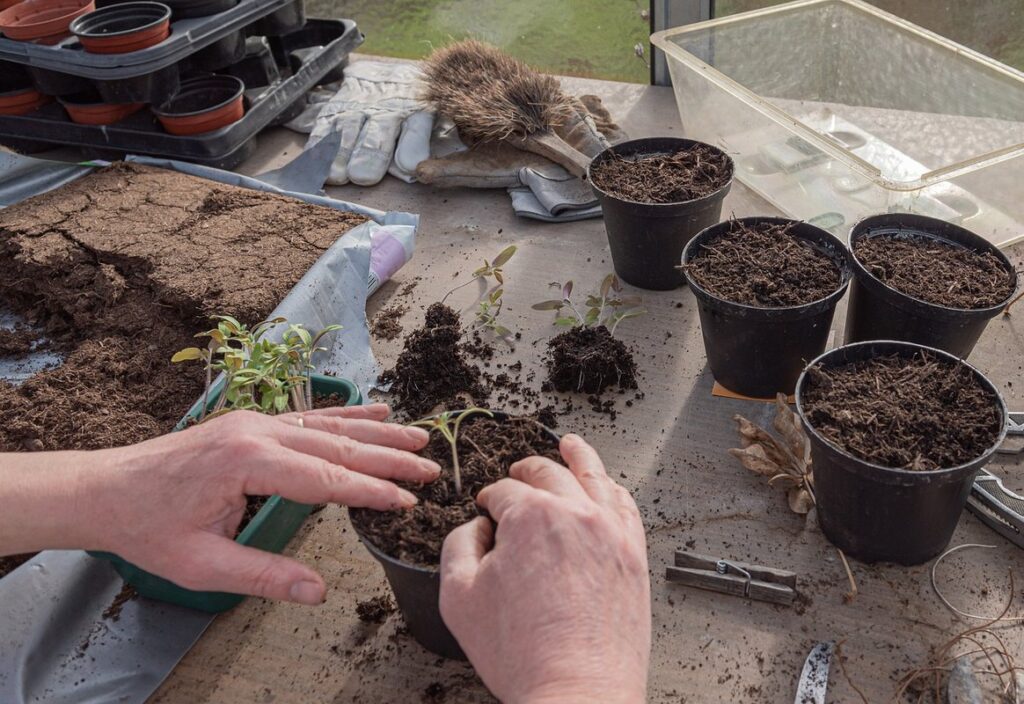
When handling seedlings during transplant, it’s essential to be gentle and minimize damage to their roots and stems. Start by gently grasping the seedling just above the soil line, making sure not to touch the fragile roots or disturb the surrounding soil.
Supporting the seedling with one hand while moving it will also help prevent any sudden jolts that can cause shock. You can use a soft-bristled brush or your fingers to support the stem, keeping it upright and stable.
When transplanting multiple seedlings, try to handle them in small groups rather than individually. This will not only reduce handling time but also minimize the risk of damage. Remember to move slowly and deliberately, allowing each seedling to adjust to its new environment gradually.
To further reduce shock, you can also water your seedlings before transplanting them. Moist soil is easier to handle and will help prevent any sudden changes in temperature or humidity that can cause stress. By taking these simple precautions, you’ll be well on your way to minimizing transplant shock and giving your seedlings the best chance of success.
Aftercare for Healthy Root Development
After you’ve transplanted your seedling, its roots are most vulnerable – that’s why proper aftercare is crucial to establishing a strong root system. Let’s dive into some essential tips for healthy root development.
Watering and Soil Moisture Management
Proper watering schedules and soil moisture levels are crucial for healthy root development after transplanting. It’s easy to over-water or under-water seedlings, which can lead to shock, disease, and even death. To avoid this, observe your seedlings closely and adjust their water intake accordingly.
Signs of over-watering include yellowing leaves, droopy stems, and a soft, mushy texture. If you notice these symptoms, cut back on watering immediately. On the other hand, signs of under-watering are wilted leaves, crispy edges, and a dry, cracked soil surface. If this is the case, increase the frequency or amount of water.
Monitor your seedlings’ soil moisture by sticking your finger into the soil up to the first knuckle. Water when the soil feels dry but not crumbly. Keep in mind that different plants have varying watering needs, so research specific requirements for your species.
Monitoring for Signs of Stress
Monitoring for Signs of Stress is crucial during the post-transplant period. As seedlings adapt to their new environment, they may exhibit stress symptoms that can be subtle but detrimental if left unchecked. One of the most common signs of stress in transplanted seedlings is yellowing leaves. This could be due to overwatering, underwatering, or even a change in light exposure.
If you notice your seedling’s leaves turning yellow, immediately check its watering schedule and adjust it accordingly. Ensure the soil isn’t waterlogged, but also avoid letting it dry out completely. Another sign of stress is droopy stems. This can be caused by inadequate light or temperature fluctuations. To address this, consider relocating the seedling to a brighter spot with consistent temperatures.
Keep an eye on your seedlings’ growth rates as well – if they’re stunted or slow-growing, it may indicate root damage during transplanting. Regularly inspect the roots and re-pot the seedling in fresh, well-draining soil if necessary. Remember, prompt action can make all the difference between healthy development and seedling loss.
Tips for Preventing Seedling Shock
Preventing seedling shock is crucial when transplanting your young plants, and there are several key steps you can take to minimize the risk of stressing them out. We’ll walk you through these strategies next.
Selecting the Right Plant Material
When it comes to transplanting seedlings without shock, selecting the right plant material is crucial. A high-quality seed starting mix can make all the difference in reducing stress on young roots. Look for a mix that is specifically designed for seed starting, as it will have the ideal balance of nutrients and water retention.
Choose seeds that are suitable for your climate and region. Some varieties are more prone to shock than others, so be sure to do some research before selecting your seeds. For example, if you live in an area with intense sunlight, look for varieties that are tolerant of high temperatures and light intensity.
For propagation techniques, consider using cell packs or seed trays with individual cells. These allow for good air circulation around the seedlings, reducing the risk of fungal diseases that can exacerbate shock. Additionally, make sure to handle seeds and seedlings gently to prevent damage during transplanting. By choosing the right plant material from the start, you’ll be well on your way to minimizing the risk of seedling shock and giving your young plants the best chance at success.
Improving Soil Quality for Better Root Growth
When transplanting seedlings, it’s essential to focus on improving soil quality to support healthy root growth and minimize the risk of shock. Healthy roots are the foundation for robust seedling growth, so investing time in preparing the soil is crucial.
Start by testing your soil to determine its pH level and nutrient content. Based on the results, add organic matter such as compost or well-rotted manure to improve soil structure and fertility. This will help create a stable environment for roots to develop, making it easier for seedlings to transition from their pots.
You can also incorporate cover crops into your rotation plan to enhance soil health over time. Legumes like clover or beans are excellent choices as they fix nitrogen in the soil, reducing the need for synthetic fertilizers. As you plant new seedlings, make sure not to compact the soil around them. Instead, gently firm it down with a gentle touch of your fingers or a soft-bristled brush.
By implementing these strategies, you’ll be well on your way to creating an ideal environment that allows your seedlings to establish themselves quickly and thrive in their new surroundings.
Troubleshooting Common Issues
If you’re experiencing issues after transplanting seedlings, don’t worry – we’ve got you covered. This section addresses common problems and offers practical solutions to get your seedlings thriving again quickly.
Addressing Pests and Diseases
When transplanting seedlings, it’s essential to be aware of the potential risks from pests and diseases that can affect their health. As a gardener, you must identify common issues early on and take corrective action before they spread.
Some of the most common pests affecting transplanted seedlings include aphids, whiteflies, and spider mites. These tiny insects feed on plant sap, causing curled or distorted leaves and stunted growth. To control them, use neem oil or insecticidal soap as a foliar spray. Apply these organic pesticides when you first notice the infestation to prevent it from spreading.
Common diseases that can affect transplanted seedlings include powdery mildew, root rot, and fungal infections. These often result from overwatering, poor air circulation, or high humidity. To manage them, ensure your plants receive adequate light and water them carefully. Use a fungicide specifically designed to target the type of disease you’re dealing with.
Keep in mind that prevention is key when it comes to managing pests and diseases. Use crop rotation, improve soil health through organic amendments, and maintain a balanced ecosystem to minimize risks. Regularly inspect your plants for signs of infestation or infection, and take action promptly if you notice any issues.
Dealing with Transplant Failure
If you’ve successfully transplanted several seedlings only to have one or more of them fail to thrive, it can be frustrating and puzzling. Transplant failure can occur for various reasons, including root disturbance, shock, inadequate light, poor soil quality, or pests/diseases.
Identifying the cause is crucial in taking corrective action. Check if the seedling was transplanted too deeply or not deep enough, as this can impact its ability to absorb water and nutrients. Inspect the roots for any signs of damage or rot. Look out for pests like aphids, whiteflies, or spider mites that could be sucking the sap from your plant.
To prevent similar issues next time, ensure you’re transplanting at the right time – when the seedling has developed two sets of leaves and its root system is well-established. Water the soil thoroughly a day before transplanting to reduce shock. Handle the roots with care during transplantation, gently spreading them out in their new pot. By understanding the reasons behind your seedling’s failure, you can take steps to improve your technique and enjoy healthier, more robust plants.
Frequently Asked Questions
Can I transplant seedlings in direct sunlight or should I choose a shaded area?
Transplanting seedlings in direct sunlight can cause further stress, so it’s best to choose a shaded area with filtered light. This will help reduce the shock and give your plants the best chance at thriving.
How long does it take for seedlings to recover from transplant shock?
The recovery time varies depending on the plant species, environmental conditions, and how well you’ve prepared them for transplanting. In general, seedlings can take anywhere from a few days to several weeks to fully recover.
What if I notice signs of stress after transplanting – is it too late to intervene?
No, it’s not too late! Monitor your plants closely for signs of stress and adjust their care accordingly. Make sure they’re getting the right amount of water, light, and nutrients. With prompt intervention, you can help prevent further damage and promote healthy growth.
Can I use a general-purpose fertilizer after transplanting, or do I need a specific formula?
After transplanting, it’s best to use a balanced, water-soluble fertilizer that’s specifically formulated for seedlings. This will provide them with the necessary nutrients to recover from shock and support healthy growth.
How can I handle multiple seedlings at once without causing more stress?
When handling multiple seedlings, make sure to gently separate each one by its roots, taking care not to damage the plant or disturb the surrounding soil. Use a soft-bristled brush or a clean cloth to remove excess soil and debris from the leaves and stems. Handle each seedling individually, rather than grouping them together, to minimize stress.