
As a gardener, you know how exciting it is to watch your seedlings sprout and grow. But did you know that overcrowding can be detrimental to their health and even impact your harvest? That’s where thinning seedlings techniques come in – essential for promoting healthy plant growth, preventing overcrowding, and ultimately boosting yields. By learning effective thinning methods, you’ll not only encourage strong, robust plants but also reduce the risk of disease and pests. In this comprehensive guide, we’ll walk you through the best thinning seedlings techniques to suit your needs, from identifying which seedlings to keep to pruning and repotting. Whether you’re a seasoned green thumb or just starting out, our expert tips will help you grow healthier, more productive plants that will make your gardening experience even more rewarding.
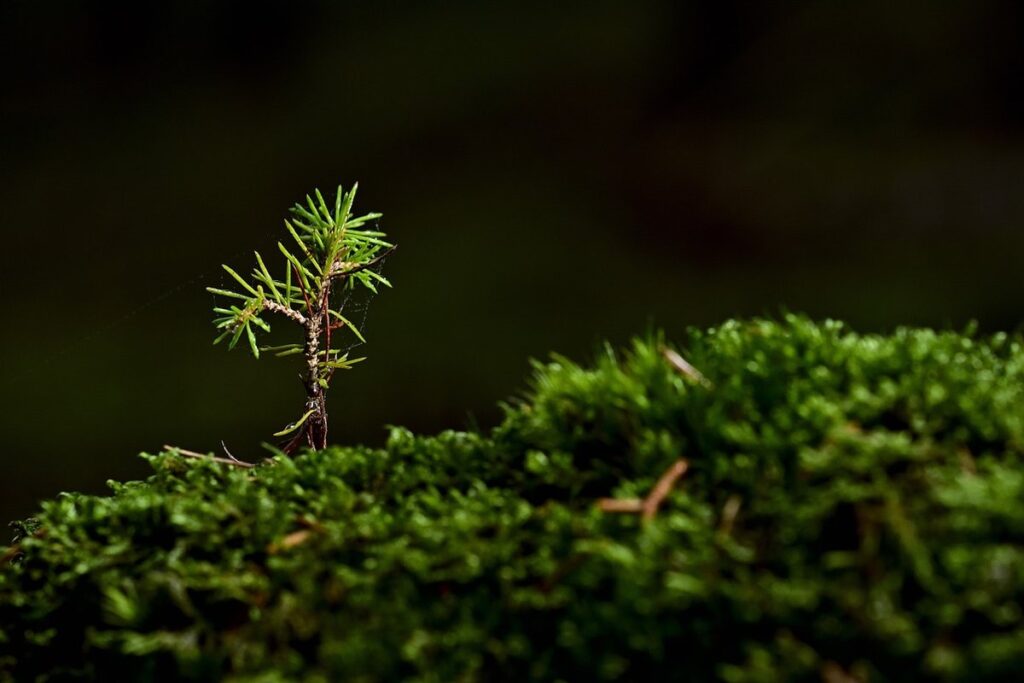
Importance of Thinning Seedlings
Now that we’ve covered the basics, let’s dive into why thinning seedlings is crucial for healthy plant growth and development. Proper thinning techniques can make all the difference in your garden’s success.
Why Thin Your Seedlings
Thinning seedlings is an essential step in ensuring healthy plant growth and development. When seedlings are crowded together, they compete for resources such as water, nutrients, and light. This competition can lead to stunted growth, weakened immunity, and increased susceptibility to diseases.
Overcrowding also reduces air circulation between plants, creating a humid microclimate that fosters the spread of fungal diseases. To illustrate this point, consider a seed starting tray with tightly packed cells. As the seedlings grow, they will inevitably start to stretch towards the light, causing them to become leggy and vulnerable to disease.
By thinning your seedlings, you create space for healthy growth and development. This process allows each plant to receive an adequate supply of resources, promoting robust root systems and strong stems. By removing weaker or slower-growing plants, you also reduce the risk of disease transmission within the planting bed.
Signs That Seedlings Need to be Thinned
When seedlings are overcrowded, they can exhibit visual signs that indicate they need to be thinned. One of the most noticeable symptoms is twisted or deformed leaves. This occurs when seedlings are competing for space and resources, causing their leaves to become distorted. You may also notice stunted growth, where seedlings are growing slower than usual due to lack of light and air circulation.
Another indicator is yellowing foliage, which can be a sign that the seedling is struggling to receive enough nutrients. This is often accompanied by pale or washed-out looking leaves. If you notice any of these signs in your seedlings, it’s essential to take action promptly. Thinning will help prevent further damage and ensure healthy growth.
To determine if thinning is necessary, inspect your seedlings regularly. Look for seedlings that are growing inwards, towards the center of the pot or tray. These seedlings may be competing with their neighbors for resources and are likely to benefit from being thinned out. By recognizing these visual signs, you can take proactive steps to promote healthy growth and development in your seedlings.
Benefits of Early Thinning
Thinning seedlings early on is one of the most crucial decisions you’ll make as a gardener. By doing so, you’ll not only give your remaining plants room to breathe and grow but also provide them with an optimal environment to thrive. One of the primary benefits of early thinning is improved root growth.
With more space to spread out, your seedlings’ roots can develop deeper and stronger, allowing for better water and nutrient uptake. This, in turn, translates to healthier plants that are less susceptible to disease. Reduced competition among seedlings also leads to increased fruit production. When plants have ample room to grow, they’re able to produce more flowers and fruits.
In fact, a study on tomato plants found that those thinned early produced 25% more tomatoes than those left unthinned. By thinning your seedlings at this stage, you’ll give them the best chance of reaching their full potential.
Techniques for Thinning Seedlings
When it comes to thinning seedlings, using the right techniques can make a huge difference. In this section, we’ll walk you through some essential methods to help your plants thrive.
Pinching and Trimming
Pinching and trimming are effective methods for removing excess seedlings while maintaining the overall health and appearance of your plants. To determine which seedlings to remove, look for those that are weak, spindly, or growing in a way that’s competing with neighboring seedlings for resources.
When pinching, use your fingers or a pair of clean scissors to gently remove the top set of leaves from a seedling, just above a node. This encourages branching and promotes bushy growth. For example, if you’re growing tomatoes, pinch off weak seedlings at the first true leaf stage to encourage more vigorous growth.
Trimming involves cutting back or removing entire seedlings that are competing for space or resources. Be ruthless – remove any seedling that’s not showing strong growth habits. To maintain plant shape and size, regularly trim back leggy seedlings to encourage a fuller, more compact habit. By carefully selecting which seedlings to pinch or trim, you’ll promote healthy, robust plants with optimal growing conditions.
The Snip-and-Leave Method
When dealing with overcrowded seedling trays, it’s essential to employ thinning techniques that promote healthy growth and maximize space. One such method is the snip-and-leave technique. By removing only a portion of the stem, you’re allowing the remaining seedling to continue growing while also creating room for others nearby.
To perform this technique, carefully identify the weakest or slowest-growing seedlings within the tray. Use scissors or pruning shears to cut them back about one-quarter to one-third of their height. Be sure not to remove more than 25% of the stem, as this can cause stress and potentially kill the plant. This method encourages the remaining seedlings to focus energy on developing strong root systems and promoting vigorous growth.
When implementing the snip-and-leave technique, keep in mind that it’s best suited for seedlings with a single stem or those that are easily identifiable as weaker plants. By being selective about which seedlings to remove, you can optimize your growing conditions while nurturing only the healthiest specimens.
Using Gardening Tools for Thinning
When it comes to thinning seedlings, using gardening tools can be an efficient and precise way to remove excess plants. One of the most common tools used for this purpose is scissors. They are particularly useful for seedlings that have delicate stems or leaves, as they allow for a clean cut without causing damage.
Pruners are another popular choice for thinning, especially when dealing with thicker stems. They can be more time-consuming to use than scissors but provide a more controlled cut. Some gardeners prefer using pruners because they are easier to sanitize and maintain compared to other tools.
Cultivators can also be employed for thinning, particularly in larger gardens or areas with dense seedling growth. However, they may not be as precise as scissors or pruners and can cause more stress to the remaining plants due to their cutting mechanism. Ultimately, the choice of tool depends on personal preference, garden size, and the specific needs of your seedlings.
When using gardening tools for thinning, it’s essential to make clean cuts just above a leaf node to promote healthy growth in the remaining plants. This helps prevent shock and encourages the remaining seedlings to focus their energy on development rather than trying to recover from damage.
Timing and Frequency of Thinning
Now that we’ve covered the basics, let’s dive into the specifics of timing and frequency to ensure your seedlings receive just the right amount of space to thrive. This section will break down optimal thinning schedules for you.
Early Stage Thinning
When to Thin Seedlings in the Early Stages of Growth
Thinning seedlings is an essential part of ensuring healthy growth and development. In the early stages, it’s crucial to thin out weak or spindly seedlings to give the remaining ones space to breathe and grow. The ideal time for thinning depends on the specific needs of your seedlings.
As a general rule, thin seedlings when they have 2-3 sets of leaves. This is usually around 1-2 weeks after germination. Look for weak or spindly seedlings that are struggling to reach sunlight or are growing too close together. Remove these by gently twisting them off at soil level.
The frequency of thinning depends on the growth rate of your seedlings. For faster-growing varieties, you may need to thin every 7-10 days. For slower-growing varieties, once a week may be sufficient. Keep in mind that factors like temperature, light, and watering can affect growth rates, so adjust your thinning schedule accordingly.
Late Stage Thinning
When it comes to thinning seedlings, many gardeners focus on early-stage pruning. However, late-stage thinning is just as crucial for the health and productivity of your plants.
Late-stage thinning typically occurs 1-3 weeks before transplanting or when seedlings have reached 2-4 inches in height. At this stage, you can assess which seedlings are truly thriving and remove weaker ones to create more space for healthy growth. By doing so, you’ll improve plant spacing, allowing for better air circulation and sunlight penetration.
Reducing competition among seedlings is another significant benefit of late-stage thinning. Overcrowding can lead to weakened immunity in individual plants, making them more susceptible to pests and diseases. By selecting the strongest seedlings and removing weaker ones, you’re essentially giving each plant a fair chance at thriving.
In addition to improved spacing and reduced competition, late-stage thinning promotes healthy growth by encouraging the remaining seedlings to focus their energy on developing strong root systems and robust foliage. This will ultimately lead to healthier, more productive plants that are better equipped to handle environmental stresses.
Tips for Maintaining Consistency
Maintaining consistency when it comes to thinning seedlings is crucial to ensure even growth and prevent overcrowding. One way to achieve this is by monitoring seedling growth regularly. Check on your seedlings every 3-4 days, taking note of their height, leaf count, and any signs of nutrient deficiencies or pests. This will allow you to identify slow-growing seedlings that may need more attention.
To adapt to changing weather conditions, consider implementing a flexible thinning schedule. For example, if a heatwave is forecasted, delay thinning until the temperature cools down to prevent shocking the remaining seedlings. Conversely, if there’s an extended period of cool and rainy weather, you may need to thin more frequently to prevent overgrowth.
Keep track of your thinning progress by maintaining a calendar or log. This will help you stay on schedule and make adjustments as needed. Remember, consistency is key when it comes to thinning seedlings. By staying vigilant and adapting to changing conditions, you’ll be able to maintain a healthy and thriving crop.
Common Challenges and Solutions
When you’re just starting out, thinning seedlings can be a daunting task, but don’t worry, we’ve got you covered. This section will tackle common challenges and provide practical solutions to make the process easier for you.
Over-Thinning
Over-thinning can be a costly mistake for gardeners and farmers. When seedlings are thinned to an extent that leaves too much space between them, it can have far-reaching consequences. The most immediate effect is stunted plant growth. Seedlings will stretch towards the light rather than focusing on developing strong roots and stems. This can lead to weaker, less resilient plants that are more susceptible to disease and pests.
If over-thinning continues unchecked, yields will also suffer. Plants that have too much space between them may not produce as many flowers or fruit due to reduced competition for resources like water and nutrients. In severe cases, over-thinned seedlings may never reach their full potential, leading to a decrease in crop quality and quantity.
To prevent over-thinning, gardeners should keep a close eye on the spacing between seedlings. A general rule of thumb is to leave at least 6-8 inches of space between each plant for optimal growth. Monitoring the plants’ progress and making adjustments as needed will help ensure that the perfect balance is achieved. Regular pruning can also be an effective solution to encourage healthy growth and maintain a balanced plant population.
Under-Thinning
Under-thinning, or failing to thin seedlings sufficiently, can have severe consequences on plant growth and health. Overcrowding is a major issue that arises from under-thinning, as it leads to competition for resources such as light, water, and nutrients. This competition weakens individual plants, making them more susceptible to disease and pests.
When seedlings are too densely packed, they also increase the risk of fungal diseases like powdery mildew and root rot. As moisture becomes trapped between plants, ideal conditions are created for these pathogens to thrive.
To avoid under-thinning issues, it’s essential to carefully evaluate your seedling spacing during the thinning process. Make sure to leave enough space (typically 6-12 inches) between each plant to allow for proper air circulation and sunlight penetration. Additionally, monitor your plants’ growth regularly, and remove any weak or spindly growth that may hinder healthy development.
Managing Thinning in Specific Environments
When it comes to thinning seedlings in unique environments, challenges can arise that require special consideration. Greenhouses, for instance, can be a blessing and a curse when it comes to thinning seedlings. The controlled climate and precise temperature control can encourage vigorous growth, but this also means that seedlings may become overcrowded and more susceptible to disease.
In areas with limited space, such as indoor spaces or small backyards, the decision to thin seedlings is often just as critical due to spatial constraints. In these situations, it’s essential to prioritize the healthiest seedlings while still allowing for adequate growth room.
A good rule of thumb is to assess the specific needs and limitations of each environment before making a decision on which seedlings to keep and which to remove. By doing so, you can create a thriving plant community that not only grows well but also withstands potential stressors.
Conclusion: Thinning Seedlings for Success
Now that you’ve learned how to identify and thin your seedlings effectively, let’s wrap up by discussing some final considerations to ensure a thriving harvest.
Recap of Key Points
In this comprehensive guide to thinning seedlings techniques, we’ve explored various methods for promoting healthy growth and development. To recap, it’s essential to identify the right timing for thinning, as both too early and too late can be detrimental to seedling health. This means monitoring your seedlings closely for signs of overcrowding and excess competition for resources like light, water, and nutrients.
When determining which seedlings to keep or remove, consider factors such as overall growth rate, size, and vigor. It’s often more beneficial to prioritize the strongest and most robust plants, allowing them to thrive in optimal conditions. Additionally, remember that thinning can also help prevent the spread of disease by reducing the risk of fungal spores and other pathogens.
By implementing these thinning techniques effectively, you’ll be well on your way to cultivating a diverse and resilient garden ecosystem. Remember to handle seedlings gently when transplanting or removing weaker specimens to avoid causing unnecessary stress or damage. With practice and patience, you’ll develop a keen eye for identifying the most promising plants in need of nurturing.
Final Tips for Successful Thinning
As you’ve made it through the thinning process and have a healthy crop of seedlings to show for it, remember that thinning is an ongoing process. It’s not a one-time task, but rather a continuous effort to ensure your seedlings receive the right amount of resources. To maintain a successful thinning schedule, monitor seedling growth closely.
Check on your seedlings regularly to identify any issues or changes in their development. If you notice some seedlings are struggling while others are thriving, adjust your thinning schedule accordingly. Don’t be afraid to remove more seedlings if necessary – it’s better to err on the side of caution and give the remaining plants room to breathe.
Weather conditions can also impact your seedling growth, so stay flexible with your thinning plan. Adjust your schedule as needed based on temperature fluctuations, rainfall, or other environmental factors that might affect your crop. Lastly, practice patience – it may take some trial and error to find the right balance for your specific climate and seedlings.
Frequently Asked Questions
What are the signs that seedlings need to be thinned immediately?
Seedlings may need to be thinned if they’re visibly competing for resources, displaying stunted growth, or showing weakened immunity due to overcrowding. Check for yellowing leaves, slow growth rates, and a general appearance of strain between plants.
How can I determine the right thinning ratio for my seedlings?
The ideal thinning ratio varies depending on plant type and growth habits. Generally, leave 2-3 inches between seedlings to ensure proper air circulation and resource distribution. Experiment with different ratios to find what works best for your specific plants and environment.
Can I use a single technique for all types of seedlings, or do some require specialized thinning methods?
Some seedlings may require more delicate handling due to their size or growth stage. For example, seedlings in the early stages of development often benefit from pinching and trimming techniques, while those nearing maturity may be better suited for pruning and repotting.
How often should I check on my thinned seedlings to ensure they’re receiving adequate resources?
Regular monitoring is essential to prevent under-thinning or over-thinning. Check on your seedlings every 1-2 weeks during the first month after thinning, adjusting as needed based on their growth and response to pruning.
What’s the best way to handle thinned-out seedlings that don’t seem to be thriving?
Consider repotting thinned seedlings into individual containers or transplanting them into a less crowded area. Make sure to provide adequate resources, such as light, water, and nutrients, to help these plants recover and establish themselves in their new environment.