
When it comes to gardening and horticulture, choosing the right growing medium can make all the difference. Two popular options are coir and peat moss, but which one is best for your plants? Both have their own set of advantages and disadvantages that you need to consider before making a decision.
Coir and peat moss differ significantly in terms of water-holding capacity, pH levels, nutrient content, and environmental impact. While coir has gained popularity in recent years due to its sustainability and eco-friendliness, peat moss remains a favorite among gardeners for its ability to retain moisture. In this article, we’ll delve into the differences between these two growing mediums, comparing their performance in various aspects to help you decide which one is best suited for your gardening needs. By understanding the benefits and drawbacks of each, you can make an informed decision that’s right for you.
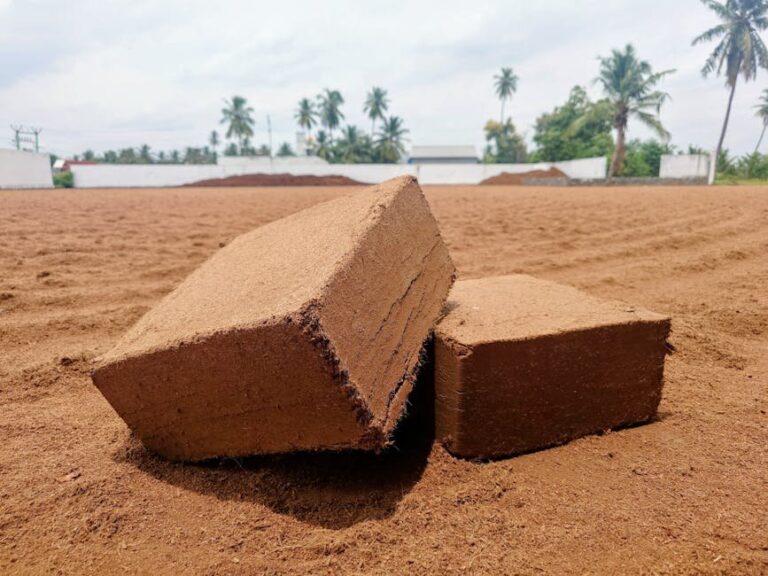
What is Coir and Peat Moss?
Let’s start by understanding what coir and peat moss are, two popular potting materials used for gardening and horticulture. We’ll dive into their unique characteristics next.
Definition and Origin
Coir and peat moss are two popular organic growing mediums used in gardening and horticulture. Let’s break down what they are, where they come from, and how they’re obtained.
Coir is a byproduct of coconut husks, which are the tough outer layers of coconuts. Coconut husks are abundant in tropical countries like India, Indonesia, and Sri Lanka, making coir a sustainable and eco-friendly option for gardening. Coir is extracted through a mechanical process that involves soaking the coconut husks in water, followed by a series of treatments to remove impurities.
Peat moss, on the other hand, comes from peat bogs, which are wetlands formed from partially decayed plant matter. Peat moss is obtained through strip mining, where layers of peat are extracted and processed for use as a growing medium. Peat bogs are mostly found in cool and temperate climates, such as Ireland, Scotland, and Canada.
It’s worth noting that the extraction process for peat moss has raised concerns about environmental sustainability and carbon sequestration, whereas coir is considered a more environmentally friendly option due to its abundance and minimal processing requirements.
Types of Coir and Peat Moss
When it comes to understanding coir and peat moss, it’s essential to know the different types available. Coir, for instance, is derived from coconut husks and can be further categorized into two main subtypes: coconut fiber and coconut husk. Coconut fiber is a finer, more lightweight material often used as a mulch or in potting mixes, while coconut husk is coarser and denser, making it suitable for erosion control, landscaping, and even rope-making.
Peat moss, on the other hand, has several types, with sphagnum peat being one of the most widely available. Horticultural peat, often used in gardening, is another common type. Sphagnum peat, however, is harvested from natural bogs and can be more acidic than horticultural peat. When choosing between these types, consider the specific application: for example, sphagnum peat may be better suited for acidic-loving plants, while horticultural peat provides a more neutral pH.
Some suppliers also offer blends of coir and peat moss or alternative products made from other materials, like coconut coir logs. Knowing the different types available can help you make an informed decision about which product to use in your specific situation.
Properties and Characteristics
When it comes to choosing between coir and peat moss, understanding their properties and characteristics is crucial for making an informed decision. Let’s dive into what makes each of these popular potting mediums unique.
Water-Holding Capacity
When it comes to retaining moisture, coir and peat moss have distinct abilities that set them apart. Coir, being a natural, biodegradable byproduct of coconut husks, has an impressive water-holding capacity due to its high lignin content. This property allows it to absorb and retain up to 9 times its dry weight in water, making it an excellent choice for gardens with fluctuating moisture levels.
In contrast, peat moss has a lower water-holding capacity compared to coir. While it can still absorb a significant amount of water (up to 5-6 times its dry weight), its capacity is limited by its acidic pH and higher carbon content. This means that peat moss may not perform as well in very wet or very dry conditions.
To maximize the water-holding capacity of coir, gardeners can mix it with other materials like perlite or vermiculite to improve drainage and aeration. On the other hand, those using peat moss may need to supplement it with additional moisture-retaining ingredients, such as coconut coir or recycled paper products. By understanding these differences, you can choose the right product for your specific gardening needs.
pH Level and Acidity
When it comes to choosing between coir and peat moss for your garden, understanding their impact on soil pH levels and acidity is crucial. Both coir and peat moss have distinct effects on the pH level of your soil.
Peat moss tends to be acidic in nature, with a pH level ranging from 3.5 to 4.5. This can lead to an acidic soil environment if used excessively. On the other hand, coir has a more neutral pH level, typically between 6 and 7.5. As a result, coir is generally less likely to cause significant changes in your soil’s acidity.
It’s essential to note that excessive use of peat moss can lead to acidic runoff, affecting not only your garden but also nearby water bodies. Coir, on the other hand, can help maintain a balanced pH level, making it an ideal choice for gardens with sensitive plants or where acidification is a concern.
If you’re planning to use coir or peat moss in your garden, consider mixing them in moderation to avoid significant changes in soil pH levels. Start by incorporating small amounts and monitor the results before adjusting as needed.
Nutrient Content
When it comes to nutrient content, both coir and peat moss have their own unique characteristics. Coir is a good source of micronutrients like iron, zinc, and copper, but its macronutrient levels are generally lower compared to peat moss. In fact, one study found that coir contains about 20% less nitrogen, phosphorus, and potassium than peat moss.
However, coir has some potential benefits when it comes to nutrient content. For example, it’s often sterilized during processing, which can help reduce the risk of diseases in plants. Additionally, coir is relatively acidic, with a pH range of 5.5-6.5, making it suitable for acid-loving plants like azaleas and blueberries.
Peat moss, on the other hand, has high levels of macronutrients, but its micronutrient content can be lower. Some studies have also raised concerns about peat moss’s high acidity, which can potentially leach out nutrients from the soil as it breaks down.
When choosing between coir and peat moss for your garden or indoor plants, consider the specific needs of your plants. If you’re growing acid-loving plants, coir might be a better choice due to its acidic pH range. However, if you need high levels of macronutrients, peat moss might be a better option.
Uses in Gardening and Horticulture
When it comes to gardening, both coir and peat moss have their uses, but which one excels in certain situations? Let’s take a closer look at how they’re utilized.
Seed Starting and Transplanting
When it comes to seed starting and transplanting, coir and peat moss have different performance characteristics that set them apart. Coir, being a more sustainable alternative, can help reduce the risk of overwatering, which is particularly beneficial for delicate seedlings. Its high water-holding capacity means it retains moisture well, but also drains excess water quickly, preventing root rot. This makes coir an excellent choice for starting seeds indoors.
On the other hand, peat moss has a higher pH level than coir, making it less suitable for acidic-loving plants like blueberries and azaleas. However, it does retain more acidity over time, which can be beneficial for seedlings that require low pH levels. To use peat moss effectively, mix 1 part peat moss with 2 parts potting soil to prevent waterlogging.
When transplanting seedlings into larger pots or directly into the garden, coir’s superior aeration properties allow for better root growth and establishment. Its fibers also help to break up compacted soil, promoting healthy drainage and reducing the risk of nutrient deficiencies.
Soil Amendment and Conditioning
When it comes to gardening and horticulture, soil amendment and conditioning are crucial steps to ensure optimal plant growth. Both coir and peat moss can be used for this purpose, but they have different properties that make them more or less suitable depending on the situation.
Coir, being a byproduct of coconut husk processing, is an excellent conditioner for clay soils. It helps to break down compacted soil structures, improving drainage and aeration. When added to sandy soils, coir acts as a natural mulch, retaining moisture and reducing evaporation. Mix 10-20% of coir into your soil to create a well-balanced mix.
Peat moss, on the other hand, is often used in acidic environments or for plants that require high acidity, such as azaleas and blueberries. However, its limited availability and higher carbon footprint make it less sustainable than coir. Peat moss can also be mixed into potting mixes to improve water retention, but it’s essential to use it sparingly, as overuse can lead to waterlogging.
In contrast to peat moss, coir is more eco-friendly and has a lower carbon footprint. It also requires minimal processing, which makes it an attractive alternative for gardeners looking for sustainable options.
Composting and Mulching
When it comes to composting and mulching, both coir and peat moss play important roles. Composting is a natural process that breaks down organic matter into a nutrient-rich soil amendment. Both coir and peat moss can be used as carriers or bulking agents in compost piles, helping to improve airflow and speed up the decomposition process.
Coir is an excellent choice for composting because it’s highly absorbent and resistant to fungal growth. It helps to retain moisture in the pile while also preventing anaerobic conditions that can lead to unpleasant odors. Peat moss, on the other hand, is a good source of acidity and helps to balance out the pH levels in the compost.
In terms of mulching, both materials have their own advantages. Coir is often preferred due to its ability to retain moisture while also suppressing weeds. It’s particularly useful for use around plants that are prone to root rot or require consistent humidity levels. Peat moss can be used as a more acidic mulch, but it can break down quickly and may need to be replenished frequently.
When choosing between coir and peat moss, consider the specific needs of your garden and composting setup.
Environmental Impact and Sustainability
When it comes to eco-friendly gardening practices, understanding the environmental impact of coir and peat moss is crucial. We’ll explore how these two alternatives affect our planet in this critical section.
Coir’s Eco-Friendly Advantages
When it comes to sustainable gardening practices, coir is an eco-friendly alternative that’s gaining popularity. One of its most significant advantages is its biodegradable nature, which sets it apart from peat moss. Unlike peat moss, which can take centuries to decompose and releases carbon dioxide as it breaks down, coir naturally decomposes within a few years, reducing greenhouse gas emissions.
Another significant benefit of using coir is its reduced carbon footprint. Peat bogs are often destroyed during the harvesting process, leading to deforestation and habitat loss for many plant and animal species. Coir, on the other hand, is sourced from coconut husks, which are a byproduct of coconut processing. This means that no additional land or resources are required for its production.
Using coir can also help reduce waste in your garden. Coconut husks are often discarded during the processing stage, but they can be repurposed as a sustainable and renewable resource. By switching to coir, you’re not only reducing your environmental impact but also contributing to a more circular economy.
Peat Moss’s Ecological Concerns
Harvesting peat moss has significant environmental concerns that have sparked debates among gardeners and sustainability experts. One of the primary issues is habitat destruction. Peat bogs are home to unique and fragile ecosystems, including carnivorous plants like sundews and pitcher plants. When peat moss is harvested, these habitats are destroyed, leading to loss of biodiversity and extinction risk for some species.
Furthermore, peat moss production contributes to greenhouse gas emissions. Peat bogs store massive amounts of carbon over thousands of years, but when they’re cut down, this stored carbon is released into the atmosphere. In fact, a study found that draining peatlands can increase CO2 emissions by up to 40%. Moreover, peat harvesting often involves burning excess peat to dry it, which releases more pollutants and greenhouse gases.
Considering these concerns, it’s essential to choose sustainable alternatives like coir for potting mixes. If you still want to use peat moss, look for certified sustainably sourced products that follow environmentally responsible harvesting practices.
Cost-Effectiveness and Availability
When it comes to coir versus peat moss, one of the most important factors to consider is whether your chosen option will fit within your budget. Let’s explore their cost-effectiveness and availability.
Coir vs Peat Moss Pricing
When it comes to pricing, both coir and peat moss have their own set of costs associated with them. One key factor to consider is the cost of shipping, which can significantly add up depending on where you’re purchasing from. Coir, being a more sustainable and locally sourced option in some regions, may have lower shipping costs compared to peat moss.
However, the prices of coir and peat moss itself vary greatly depending on the brand, quality, and quantity. On average, a 2-cubic foot bag of coir can cost anywhere from $5 to $15, while peat moss typically ranges from $3 to $10 for the same size. Keep in mind that these prices are not always reflective of their respective qualities or performance.
To put this into perspective, if you’re planning to use both products for a large-scale gardening project, coir might end up being the more cost-effective option due to its longer lifespan and better water retention properties. However, if you only need a small quantity for a small potting mix, peat moss might be the way to go.
Accessibility and Distribution
When it comes to using coir and peat moss for gardening, one crucial factor to consider is their accessibility and distribution. Coir, being a byproduct of coconut husks, has gained popularity worldwide, but its availability can vary greatly depending on the region.
In some countries like India and Sri Lanka, where coconuts are abundant, coir is easily available and often produced locally. However, in other parts of the world, it may be harder to find or more expensive due to transportation costs. This uneven distribution can make it challenging for gardeners outside these regions to access high-quality coir.
Peat moss, on the other hand, is widely distributed and readily available in most countries. It’s often imported from bogs in Northern Europe, making it a more accessible option for gardeners globally. However, its extraction process has raised environmental concerns, highlighting the need for sustainable alternatives like coir.
To navigate these differences, consider checking local nurseries or gardening stores for coir availability before committing to a purchase. Online retailers also offer a wide range of products, including coir and peat moss, which can be shipped directly to your doorstep.
Conclusion and Recommendations
Now that you’ve weighed the pros and cons of coir and peat moss, it’s time to make an informed decision for your gardening needs. In this final section, we’ll summarize our key takeaways and offer some practical recommendations.
Choosing Between Coir and Peat Moss
When it comes to choosing between coir and peat moss for your gardening needs, understanding the key differences is essential. As we’ve discussed throughout this comprehensive comparison, coir and peat moss have distinct characteristics that set them apart from one another.
Coir, a byproduct of coconut husks, offers improved drainage and aeration, making it ideal for plants with high water requirements or those that prefer well-draining soil mixes. On the other hand, peat moss provides excellent water retention, beneficial for plants that thrive in acidic environments and need consistent moisture levels. However, its acidic nature can alter soil pH, potentially harming plants that are sensitive to acidity.
For gardeners and horticulturists, coir might be a better choice when cultivating tropical or subtropical plants, while peat moss is suitable for acid-loving species such as azaleas, rhododendrons, and blueberries. Ultimately, the decision comes down to your specific gardening needs and preferences. If you prioritize drainage and aeration, opt for coir; if you need water retention, choose peat moss.
Future Developments and Innovations
As we conclude our comprehensive comparison of coir and peat moss, it’s essential to consider potential future developments and innovations that may shape these industries. In recent years, both coir and peat moss have seen significant advancements, but there are exciting trends on the horizon.
One area of growth is in the development of more sustainable and eco-friendly production methods for coir and peat moss. With increasing concerns about climate change and environmental degradation, companies are focusing on reducing their carbon footprint and implementing circular economy practices. For instance, some manufacturers are exploring biodegradable alternatives to traditional plastic packaging, using plant-based materials that can be composted or recycled.
Additionally, advancements in technology may soon revolutionize the way we harvest and process coir and peat moss. Robotics and automation could streamline production processes, reducing labor costs and improving efficiency. Furthermore, innovations in biotechnology may enable the development of high-performance, customized products tailored to specific soil types and plant requirements. As these innovations unfold, it’s crucial for growers and gardeners to stay informed and adapt their practices accordingly, ensuring they remain at the forefront of sustainable horticulture.
Frequently Asked Questions
Can I use coir and peat moss together to achieve the best of both worlds?
You can combine coir and peat moss to create a balanced growing medium, but it’s essential to consider their pH levels and nutrient content. Mixing them can be challenging due to their different water-holding capacities. Start with a small batch to observe how they interact and adjust the ratio as needed.
How do I maintain the right pH level in my coir or peat moss-based growing medium?
Maintaining the optimal pH range for your plants is crucial when using coir or peat moss. Test the pH regularly and adjust it by adding lime to raise the pH or sulfuric acid to lower it. Keep in mind that coir tends to be more acidic than peat moss.
Can I reuse coir and peat moss after they’ve been used?
While both can be reused, their reusability is different. Coir retains its structure well and can be reused several times, but peat moss breaks down quickly and loses its effectiveness. You may need to repurpose it for mulching or composting instead.
How do I prevent waterlogging when using coir as a growing medium?
Waterlogging is a common issue with coir due to its high water-holding capacity. To prevent this, ensure good drainage by adding perlite or vermiculite to the mix and monitor your watering schedule closely. Also, consider using a well-draining potting container.
Can I use coir in hydroponic systems?
Coir can be used as a substrate for hydroponics due to its high water-holding capacity. However, ensure that you maintain proper aeration and drainage to prevent root rot and other issues associated with hydroponic systems.