
Creating a wildlife pond in your garden is one of the simplest ways to connect with nature, attract beneficial wildlife, and boost biodiversity. Not only does a well-designed pond provide a haven for local species, but it also transforms your outdoor space into a serene oasis. However, building and maintaining a thriving wildlife pond requires careful planning, especially when it comes to selecting the perfect location and choosing the right materials. In this article, we’ll guide you through the process of designing, building, and maintaining a wildlife pond that’s both safe for humans and beneficial for local wildlife. We’ll cover expert tips on site selection, material choice, and ongoing maintenance to ensure your pond becomes a haven for nature lovers and a stunning feature in your garden.
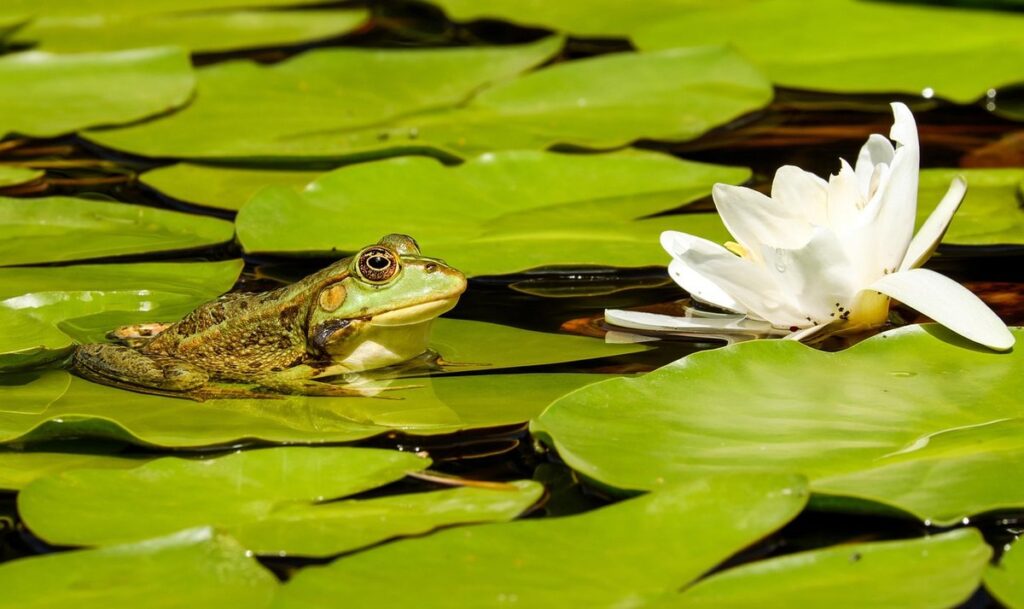
Planning and Design Considerations
Before building your wildlife pond, it’s essential to consider its location, size, and design to ensure it blends harmoniously with your garden landscape. We’ll guide you through these crucial planning steps.
Choosing the Perfect Location
When it comes to creating a wildlife pond in your garden, selecting the perfect location is crucial for its success. The spot you choose will determine not only the health and well-being of the plants and animals that inhabit it but also how efficiently it functions.
First and foremost, consider the amount of sunlight the area receives. Most aquatic plants require at least six hours of direct sunlight per day to thrive, so make sure your pond is in a spot where it can bask in the sun’s warm rays. However, if you live in an extremely sunny climate, be aware that algae growth can become a problem.
Drainage is also essential when choosing a location for your wildlife pond. Look for areas with a slight incline to ensure excess water drains away from the pond and doesn’t accumulate around it. You’ll also want to consider proximity to water sources – ideally, you should be no more than 10-15 feet away from a tap or hose connection.
When selecting the ideal spot for your wildlife pond, remember that it’s all about balance. A location with partial shade and gentle slopes will provide an optimal environment for both plants and animals to coexist harmoniously.
Understanding Local Regulations and Guidelines
Before you start digging and creating your wildlife pond, it’s crucial to understand the local regulations and guidelines that govern such projects. These can vary significantly from one region to another, so it’s essential to familiarize yourself with the specific rules in your area.
To ensure compliance, check with your local council or municipality for any necessary permits or approvals required before constructing a wildlife pond. Some regions may have zoning restrictions or environmental regulations that affect where and how you can build your pond. For instance, if you live near a waterway or sensitive ecosystem, there might be specific guidelines to follow to prevent pollution.
You can usually find this information on the local government’s website, by contacting their planning department directly, or by attending community meetings where such matters are discussed. Don’t assume that just because you’re creating a wildlife pond for birds and insects, it won’t impact your neighbors or the environment. Take time to research and understand the regulations in place, and plan accordingly to avoid any potential issues down the line.
Designing Your Pond’s Shape, Size, and Depth
When designing your pond’s shape, size, and depth, it’s essential to strike a balance between aesthetics and practical considerations. A well-designed pond can attract a variety of wildlife, including birds, bees, and even small mammals.
Firstly, let’s consider the shape of your pond. While a circular or irregular shape may be visually appealing, they can also be more challenging to maintain. For example, a curved edge can create dead spots where debris accumulates. A rectangular pond, on the other hand, is often easier to clean and maintain.
In terms of size, it’s generally recommended that your pond be at least 1-2 meters deep to allow for year-round aquatic life. However, if you have limited space, a smaller pond can still be effective with careful planning. Consider using a multi-level design or incorporating plants that thrive in shallow water to create a diverse environment.
Ultimately, the key is to create a balanced ecosystem that meets both your aesthetic and practical needs. By considering factors such as shape, size, and depth, you’ll be well on your way to designing a thriving wildlife pond in your garden.
Building the Pond: Materials and Techniques
When building a wildlife pond, choosing the right materials and techniques is crucial for creating a safe and thriving environment for your local wildlife. We’ll cover the essentials you need to get started.
Excavation and Shaping the Pond Basin
Excavating the pond basin is one of the most critical stages in building a wildlife pond. To do it safely and efficiently, you’ll need the right tools and equipment. Start by choosing a shovel that’s sturdy enough to handle clay or soil with rocks. A garden fork can also be useful for breaking up compacted earth.
Begin excavating at the deepest point of your pond, using your shovel to create a hole about 1-2 feet deep. Gradually widen and deepen the excavation as needed, taking breaks every 20-30 minutes to avoid fatigue. When you hit water-bearing strata or sandy layers, be cautious not to damage your tools or compromise the stability of your pond.
As you excavate, keep an eye out for underground utilities or other hazards that could undermine your pond’s integrity. If you encounter any issues, consider consulting a professional before proceeding. Use a level and straightedge to ensure the pond basin is even and symmetrical, which will help prevent water pooling or uneven circulation.
Installing Pond Liners and Edging Materials
When it comes to installing pond liners and edging materials, it’s essential to choose the right products for your wildlife pond. There are three primary types of pond liners: rubber, PVC (polyvinyl chloride), and EPDM (ethylene propylene diene monomer). Rubber liners are a popular choice due to their durability and flexibility, but they can be more expensive than other options. PVC liners, on the other hand, are budget-friendly and resistant to chemicals, making them suitable for ponds with high water circulation.
To install a pond liner, start by cleaning and preparing the area where the pond will sit. Next, lay down a layer of underlayment material to protect the liner from punctures. Then, carefully place the liner into the pond shell, ensuring it’s centered and smooth out any wrinkles or creases. Secure the liner using rocks or weights, making sure they’re evenly distributed around the perimeter.
For edging materials, consider using natural stone, brick, or composite materials that won’t harbor algae or bacteria. These types of edges will help prevent erosion and create a seamless transition from pond to surrounding landscape. When installing edging materials, apply a layer of sand or gravel beneath them to ensure stability and prevent settling over time.
Adding a Pumping System for Circulation and Aeration
When it comes to creating a thriving wildlife pond, maintaining adequate water circulation and oxygen levels is crucial. This is where a pumping system comes into play. A well-designed pump will not only keep the water moving but also introduce oxygen, which is essential for aquatic life.
There are three main types of pumps to consider: submersible, external, and solar-powered. Submersible pumps are self-contained units that sit at the bottom of the pond, drawing in water and pumping it back out. They’re quiet, energy-efficient, and relatively low-maintenance. External pumps, on the other hand, sit outside the pond and use a hose to draw in water. While they can be more powerful than submersibles, they often require more maintenance and may create noise pollution.
Solar-powered pumps are an eco-friendly option that harnesses renewable energy from the sun. They’re ideal for small ponds or those with limited space. Consider factors like pump size, flow rate, and wattage when selecting a system that suits your pond’s specific needs. Installing multiple pumps in series can also increase circulation and oxygenation.
Stocking and Maintaining Your Wildlife Pond
Now that your pond is thriving, it’s time to think about stocking it with a variety of wildlife-friendly plants and animals. This will bring your pond to life and create a haven for local wildlife.
Introducing Native Plants and Insects
Incorporating native aquatic plants and insects into your pond is crucial for creating a thriving ecosystem. These plants provide essential food sources and shelter for the diverse wildlife that visit your pond, while also supporting the health of the water itself. Native plants are specifically adapted to your local climate and soil conditions, making them easier to maintain and less prone to disease.
When selecting native aquatic plants, consider species such as water lilies, cattails, and iris. These plants not only provide shelter for wildlife but also help to keep algae under control by absorbing excess nutrients from the water. For example, duckweed can be used to control algae blooms in small ponds, while floating plants like water hyacinth can shade out areas of the pond where algae tends to grow.
To encourage insect populations, incorporate native aquatic insects such as dragonflies and damselflies into your pond design. These insects help to pollinate plants and serve as a food source for other wildlife. You can attract these insects by including rocks, logs, or branches in your pond’s ecosystem, which provide sheltered areas for them to lay eggs and larvae.
By incorporating native aquatic plants and insects into your pond, you’ll create a more balanced and resilient ecosystem that will attract a wider variety of wildlife to visit your garden.
Selecting and Releasing Fish and Amphibians Safely
When it’s time to introduce fish and amphibians into your wildlife pond, careful planning and consideration are crucial for their survival. The species you choose will depend on the size and type of pond you have, as well as the region you live in.
For fish, consider starting with native species such as goldfish or koi that thrive in cooler temperatures. If you’re introducing larger fish like carp or pike, ensure your pond is deep enough (at least 1-2 meters) to accommodate them comfortably. Also, research any local regulations regarding the introduction of non-native species.
For amphibians, select native species like frogs or toads that are adapted to your climate and will benefit from the pond’s ecosystem. Release them at night, when they’re most active, to give them a head start on finding food and shelter. Be sure to handle them gently and avoid disturbing their habitats during release.
When releasing animals into your pond, do so in shallow water near vegetation where they can easily find hiding spots. This will also help prevent immediate predation by larger fish or other wildlife.
Regular Pond Maintenance Tasks and Tips
Regular maintenance is crucial to keep your wildlife pond thriving and healthy. Just like any other ecosystem, it requires regular checks and upkeep to ensure the well-being of its inhabitants.
Start by testing the water quality at least once a month using a kit specifically designed for pond water. This will help you identify any potential issues with pH levels, ammonia, or nitrite levels that could harm your aquatic life. If you notice any significant changes or concerns, take corrective action promptly.
Cleaning is another essential task to perform regularly. Remove any debris, dead plants, and algae from the pond floor and surrounding areas using a skimmer or vacuum cleaner. This will help maintain water clarity and prevent stagnation.
Monitoring the water level, temperature, and aquatic life are also vital tasks. Check the water level regularly to ensure it’s at the recommended depth for your specific pond design. Keep an eye on temperature fluctuations, as extreme changes can affect aquatic life. Finally, observe the wildlife visiting your pond and note any changes in behavior or numbers.
By dedicating time each month to these maintenance tasks, you’ll be able to enjoy a thriving and balanced ecosystem that attracts a wide variety of wildlife.
Ensuring Safety Around Your Wildlife Pond
When creating a wildlife pond, it’s essential to think not just about attracting birds and other wildlife but also about keeping them safe from potential hazards around your pond. This section covers crucial safety considerations to ensure a harmonious coexistence.
Minimizing Risks for Pets and Family Members
When creating a wildlife pond in your garden, it’s essential to consider potential hazards that could affect not only your pets but also family members. One of the most significant risks is drowning, particularly for small children and pets who may accidentally fall into the water. To mitigate this risk, ensure that the pond has a secure barrier or fence around it that’s at least 1 meter high. Additionally, consider installing a lockable lid on any pumps or filters to prevent accidental falls.
Another concern is the attraction of predators or pests, such as mosquitoes, flies, and rodents, which can spread diseases. To minimize this risk, maintain good pond hygiene by regularly cleaning the pond and its surroundings. This includes removing any debris, algae, and excess plant growth. Also, consider introducing beneficial insects, like dragonflies, that feed on mosquitoes and other pests.
Finally, take steps to prevent pest infestations by keeping your garden free of weeds and clutter, which can attract unwanted visitors. Regularly inspect your pond for signs of pests or diseases and take prompt action if you notice any issues.
Managing Water Quality and Algal Blooms
When it comes to maintaining a healthy and thriving wildlife pond, water quality is of utmost importance. Poor water quality can lead to issues such as algal blooms, which not only harm aquatic life but also create unpleasant odors and aesthetic problems.
To prevent algae growth, regular monitoring of water parameters such as pH, ammonia, and nitrite levels is essential. This allows you to identify any potential issues early on and take corrective action. For instance, if ammonia levels are high, it may be necessary to perform a partial water change or increase the frequency of your filter cleaning.
Another critical aspect of maintaining optimal water quality is addressing stratification and thermal shock. Stratification occurs when warm water at the surface mixes with cooler water below, causing temperature fluctuations that can harm fish and other aquatic life. To mitigate this, consider installing a pond aerator or using a submersible pump to gently circulate the water.
Regular maintenance tasks such as skimming debris from the surface and cleaning the filter will also help maintain good water quality. By implementing these practices, you’ll be well on your way to creating a healthy and thriving wildlife pond that attracts a variety of birds, insects, and small animals to your garden.
Conclusion
As you’ve completed your wildlife pond, take a moment to appreciate the beauty it brings to your garden. With its soothing sounds, vibrant plants, and diverse wildlife visitors, this water feature has become an integral part of your outdoor space. Remember that maintaining your pond is just as important as creating it – regularly inspect the water quality, trim surrounding vegetation, and replenish water features as needed.
By following the steps outlined in this guide, you’ve taken a significant step towards creating a haven for local wildlife. Your garden has become not only a peaceful retreat but also a vital habitat for birds, insects, and other creatures. With proper care, your pond will continue to thrive, attracting an ever-growing variety of species and enhancing the overall ecosystem of your garden.
Frequently Asked Questions
Can I build a wildlife pond on sloping land?
Yes, it’s entirely possible to build a wildlife pond on sloping land, but you’ll need to take extra precautions to ensure the pond’s stability and water circulation. Consider installing a pump or using a natural gradient to prevent water from accumulating at one end of the pond.
How do I manage algae blooms in my wildlife pond?
Algae blooms can be a common issue in ponds with high levels of nutrients. To minimize their occurrence, maintain good water circulation, ensure adequate filtration, and introduce beneficial bacteria or algae-eating fish. Regularly test your water for nutrient levels and make adjustments as necessary.
What type of plants are best suited for a wildlife pond?
Native aquatic plants are ideal for a wildlife pond, as they provide food and shelter for local wildlife while also maintaining the ecosystem’s balance. Choose plants that thrive in your climate and are suitable for the size and depth of your pond.
Can I use a pre-formed pond liner or build my own from scratch?
Both options have their advantages and disadvantages. Pre-formed liners can save time but may not fit perfectly, while building your own liner allows for more customization but requires more effort and expertise. Consider your budget, DIY skills, and desired level of complexity when deciding which approach to take.
How do I ensure my wildlife pond remains safe for pets and family members?
To minimize risks, install a sturdy fence around the pond, keep children away from the water’s edge, and educate pets about respecting the pond’s boundaries. Regularly inspect your pond’s surroundings for any potential hazards and make adjustments as necessary to maintain a safe environment.