
Are you ready to create your own enchanting cottage garden? With its whimsical charm and effortless beauty, a well-designed cottage garden is the ultimate haven for nature lovers and gardening enthusiasts alike. But have you ever wondered how to bring this idyllic vision to life? From planning and plant selection to maintenance and troubleshooting, creating a thriving cottage garden requires careful consideration of design, style, and functionality. In this article, we’ll delve into the secrets of cottage garden design, sharing expert tips on everything from choosing the right plants and structures to navigating common challenges and staying true to your vision. Whether you’re a seasoned gardener or just starting out, our comprehensive guide will help you create a beautiful and functional space that’s perfect for relaxing and enjoying the great outdoors.
Planning Your Perfect Cottage Garden
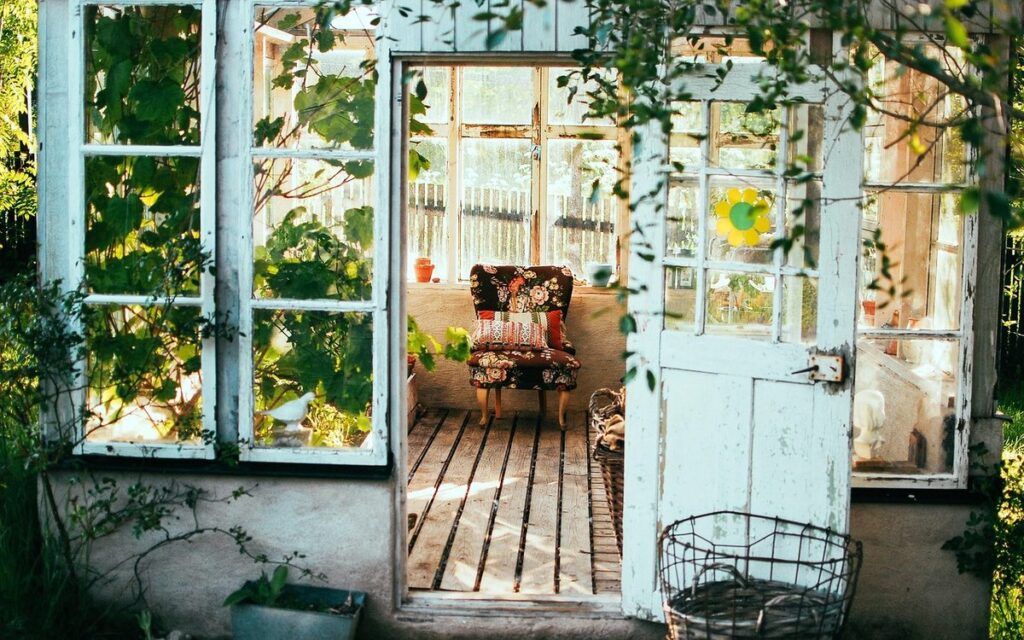
To create a cottage garden that truly feels like your own, you’ll want to start by planning the layout and selecting the perfect plants for your space. This section will guide you through those essential steps.
Understanding the Essence of Cottage Gardens
Cottage gardens have been delighting garden enthusiasts for centuries with their unique charm and character. Originating in medieval Europe, these gardens were once a necessity for cottagers who grew fruits, vegetables, and herbs to supplement their diets. Over time, they evolved into beautiful, informal spaces that reflected the personality of their owners.
Unlike formal or modern gardens, cottage gardens are often described as “wild” or “unstructured.” They’re not about precision and symmetry; instead, they celebrate the beauty of nature in all its forms. You’ll find a mix of vibrant flowers, shrubs, and trees, along with winding paths and plenty of nooks to explore.
To capture this essence in your own cottage garden, think about creating a sense of layers and texture. Incorporate a variety of plants with different shapes, sizes, and colors, and don’t be afraid to let some areas grow a little wild. You can also add character with rustic furniture, trellises, or other decorative elements that reflect the whimsy of your garden. By embracing this carefree spirit, you’ll create a truly unique and enchanting space that invites exploration and relaxation.
Defining Your Style: Traditional vs. Modern Cottage Gardens
When it comes to creating a whimsical cottage garden oasis, defining your style is crucial. The two main styles that distinguish cottage gardens are traditional and modern. Traditional cottage gardens evoke a sense of nostalgia with their classic charm and romance.
Key features of traditional cottage gardens include soft pastel colors, whites, and creams in the color palette. Plant choices often feature old-fashioned roses, peonies, and lavender, which bloom profusely and create a lush atmosphere. Architectural elements such as brick paths, wooden garden benches, and picket fences add to the classic look.
On the other hand, modern cottage gardens offer a more contemporary take on the traditional style. They often feature bold color schemes with brighter hues like blues and yellows. Modern plant choices might include grasses, succulents, or ornamental trees that provide structural interest. Clean lines, minimal ornamentation, and sleek garden furniture define this style.
When deciding between these two styles, consider your personal taste, the climate of your region, and the existing architecture of your home. Ask yourself: do you prefer a soft, romantic look or a more modern, edgy aesthetic?
Choosing Plants for a Thriving Cottage Garden
When it comes to creating a beautiful cottage garden, selecting the right plants is crucial. Let’s dive into some top picks and expert tips for choosing blooms that will thrive in your whimsical oasis.
Selecting Classic Perennials for a Timeless Look
When it comes to creating a timeless and whimsical cottage garden oasis, selecting classic perennials is a great place to start. Plants like roses, peonies, and hydrangeas have been favorites among gardeners for centuries, and for good reason. Not only do they add structure and texture to the garden, but they also provide a sense of history and tradition.
Roses, in particular, are a staple of cottage gardens. With their lush foliage and showy blooms, they can add a romantic touch to any garden bed. Consider incorporating old-fashioned rose varieties like ‘Mister Lincoln’ or ‘Zephirine Droughin’ for a vintage look. When selecting roses, choose a mix of climbing, shrub, and rambling types to create a visually interesting display.
Peonies and hydrangeas are also excellent choices for adding structure and texture to the garden. These plants have large, lush leaves that provide a beautiful backdrop for other flowers. Plant them in clusters or groupings to create a sense of abundance and visual interest.
Incorporating Cottage-Style Annuals and Bulbs
When it comes to incorporating vibrant annuals and bulbs into your cottage garden, the possibilities are endless. Annuals like sunflowers, dahlias, and cosmos provide a pop of color and energy that’s perfect for adding whimsy to your garden. Plant them en masse or scatter them throughout your beds for a playful, carefree look.
Bulbs, on the other hand, offer a more subtle yet equally charming option. Tulips, daffodils, and hyacinths are just a few examples of bulbs that can add a touch of elegance to your garden. Plant them in drifts or scatter them among perennials for a naturalized look.
To make the most of your annuals and bulbs, it’s essential to plan ahead. Create a planting schedule to ensure that you’re always having blooms throughout the growing season. For example, plant cool-season crops like pansies and violas in early spring, followed by warm-season annuals like zinnias and marigolds later in the summer. Don’t forget to succession plant bulbs every 4-6 weeks for continuous blooms.
By incorporating a mix of annuals and bulbs into your cottage garden, you’ll create a dynamic, ever-changing landscape that’s sure to delight visitors all season long.
Designing for Whimsy: Paths, Pavers, and More
Let’s add some personality to your paths and pavers by choosing unique shapes and materials that complement your whimsical cottage garden style. This eclectic approach will add visual interest and depth to your outdoor space.
Creating Meandering Paths and Walkways
When designing a cottage garden oasis, incorporating meandering paths and walkways is essential to create a sense of exploration and discovery. These winding paths invite visitors to wander through the garden, taking in the sights, sounds, and scents that bring it to life.
Using natural materials like stone, brick, or wood can add warmth and character to your paths. Consider mixing different textures by combining smooth stones with rough-hewn wood or incorporating planters and decorative accents along the way. For example, a meandering gravel path surrounded by lush greenery and bursts of colorful blooms creates a serene atmosphere perfect for relaxation.
To create a sense of discovery, consider adding subtle surprises like hidden seating areas, water features, or secret gardens tucked away behind walls or trellises. You can also incorporate sensory elements like aromatic herbs, soft lighting, or musical wind chimes to heighten the experience. By incorporating these design elements, you’ll create an enchanting space that beckons visitors to slow down and indulge in the joys of nature.
Incorporating Arbors, Trellises, and other Structural Elements
Incorporating arbors, trellises, and other structural elements is an excellent way to add depth and interest to a cottage garden. These features not only provide a sense of structure but also create opportunities for lush greenery to spill over and around them, creating a whimsical feel.
When choosing an arbor or trellis, consider the style of your home and garden. For example, a classic white picket fence-inspired arbor can complement a traditional cottage-style home, while a more rustic wooden trellis might suit a country-chic abode. Don’t be afraid to mix and match different styles to create a unique look.
Consider placement carefully – near an entryway or pathway can create a dramatic sense of arrival, while positioning it near a seating area encourages garden strolling and relaxation. Some ideas for other structural elements include a pergola for vines, a gazebo for shade, or even a whimsical birdhouse or sculpture to add visual interest.
Think about incorporating living walls or vertical planters to further maximize space in your cottage garden oasis. With a little creativity, these structures can become the stars of the show, rather than just backdrops for plants and flowers.
Adding Charm: Accessories and Decor
Adding a touch of whimsy to your cottage garden is all about the accessories and decor, so let’s talk about how to add charm without overpowering the beauty. From garden benches to antique planters, we’ll explore the perfect finishing touches.
Using Garden Furniture for Seating Areas and Al Fresco Dining
Incorporating functional furniture into your cottage garden is essential to create inviting seating areas and al fresco dining spaces. Benches, tables, and chairs can help define different zones within the garden while providing a comfortable spot to relax or enjoy meals with family and friends.
When selecting garden furniture, prioritize weather-resistant materials that can withstand harsh outdoor conditions. Consider using reclaimed wood, metal, or synthetic wicker options that are designed specifically for outdoor use. Some popular choices include teak, cedar, and recycled plastic furniture. These materials not only provide durability but also offer a natural, rustic aesthetic that complements the charm of a cottage garden.
To add an extra touch to your seating areas, consider adding throw pillows, blankets, or rugs made from weather-resistant fabrics like cotton, linen, or sunbrella. These can help create a cozy atmosphere and add color and texture to your outdoor spaces.
Displaying Potted Plants and Hanging Baskets
When it comes to incorporating potted plants and hanging baskets into your cottage garden, the possibilities are endless. One of the key elements to consider is color coordination. A whimsical touch can be achieved by selecting plants with varying hues that complement each other. For example, pairing pastel pink geraniums with white roses and lavender adds a soft, romantic charm to your garden.
In terms of placement, don’t be afraid to get creative! Consider suspending hanging baskets from tree branches or gazebos, allowing them to cascade down like a verdant waterfall. Alternatively, group potted plants together in clusters to create a visually appealing vignette. Think about the mature size of each plant and leave enough space for growth. As your garden evolves, these carefully placed pots will provide a beautiful backdrop.
To add an extra layer of whimsy, try incorporating vintage or distressed containers, such as old wooden tubs or metal buckets. These unique vessels can add character to your garden while also providing a functional way to display your plants. By mixing and matching different shapes, sizes, and styles, you’ll create a visually appealing display that reflects the charm of your cottage garden oasis.
Maintenance and Upkeep: Tips for a Thriving Cottage Garden
To keep your cottage garden looking its best, regular maintenance is key – we’ll share our top tips on how to keep yours thriving all season long.
Watering Strategies for a Drought-Tolerant Oasis
A thriving cottage garden requires more than just a dash of whimsy and a pinch of charm – it also demands careful attention to its watering needs. As you strive to create a lush and vibrant oasis, efficient watering techniques are crucial to maintaining the health and well-being of your plants.
One effective way to collect and conserve rainwater is by using rain barrels or cisterns. These containers can be placed under downspouts to collect rainwater, which can then be used for irrigation. Not only do rain barrels reduce stormwater runoff, but they also provide a natural source of water for your garden.
Drip irrigation systems are another excellent option for efficient watering. By delivering water directly to the roots of plants, these systems minimize evaporation and runoff, ensuring that every drop counts. Installing a drip irrigation system is relatively straightforward, and it’s an investment worth making in the long run, as it will save you time and resources.
By incorporating rain barrels and drip irrigation systems into your watering strategy, you’ll not only conserve water but also create a more sustainable garden ecosystem.
Seasonal Tasks to Keep Your Cottage Garden Looking Its Best
As you tend to your enchanting cottage garden, it’s essential to stay on top of seasonal tasks to keep it looking its absolute best. With a little planning and dedication, you’ll be enjoying a thriving oasis all year round.
In spring, take the time to divide overgrown perennials and replant them in well-draining soil. This not only helps maintain their health but also encourages new growth and vibrant blooms. For example, divide and replant your peonies in early spring when new growth begins to emerge from the ground. Remove any dead or damaged stems and separate the roots into sections, making sure each section has at least one growing point.
Summer is the perfect time for deadheading, which involves removing spent flowers to promote continuous blooming. Simply snip off faded blooms with scissors or pinch them off by hand, taking care not to damage the developing buds. Be sure to also keep an eye out for pests and diseases that can spread quickly in warm weather. Regularly inspect your plants and take action if you notice any issues.
In autumn, begin preparing your garden for winter by cutting back perennials to about three inches from the ground. This helps prevent damage from frost and allows new growth to emerge in spring. Also, consider composting leaves and other organic matter to create a nutrient-rich soil amendment that will benefit your plants come springtime. By staying on top of these seasonal tasks, you’ll be well on your way to maintaining a vibrant and enchanting cottage garden oasis.
Troubleshooting Common Issues in a Cottage Garden
Don’t let pesky pests and weeds ruin your whimsical cottage garden oasis – we’ve got some practical tips to help you tackle common problems and get back to enjoying your outdoor space.
Dealing with Pests and Diseases: Organic Solutions
When it comes to creating a thriving cottage garden oasis, dealing with pests and diseases is an inevitable challenge. But fear not! Identifying common culprits is the first step towards solving these problems organically.
Common pests like aphids, whiteflies, and slugs can wreak havoc on your plants. To spot them early, keep an eye out for distorted leaves, sticky honeydew droplets, or holes in leaves. For example, if you notice a cluster of tiny, pear-shaped insects on the underside of your rose leaves, it’s likely aphids.
To control pests without resorting to harsh chemicals, try these organic solutions: introduce natural predators like ladybugs and lacewings, which feed on aphids and other pests; use neem oil or insecticidal soap as a spray; or employ physical barriers like copper tape around your plants to deter slugs.
Diseases like powdery mildew and leaf spot can also be problematic. To prevent these fungal issues, ensure good air circulation between your plants and avoid overhead watering, which encourages moisture that fosters disease development. Use a fungicide specifically labeled for organic use if an infestation occurs. By adopting these strategies, you’ll be well on your way to maintaining a healthy, thriving cottage garden oasis.
Overcoming Design Challenges: Tips for Small Spaces and Narrow Gardens
When designing a cottage garden in a small or unusual space, it’s essential to think creatively. For instance, consider vertical gardening techniques like trellises, arbors, or wall-mounted planters. These not only maximize space but also add visual interest with climbing plants like roses, clematis, and ivy.
If your garden is particularly narrow, try using a “railway” bed design where you plant in long, thin rows. This layout not only saves space but also creates a sense of continuity. Another idea is to use tiered planters or raised beds that can be nestled between existing structures like fences or walls.
For even more compact spaces, explore container gardening options using large pots and tubs. These provide ample room for planting while also serving as decorative elements themselves. When selecting plants for small or narrow gardens, focus on compact varieties and those with a natural spreading habit to minimize maintenance needs and ensure a lush appearance.
Frequently Asked Questions
What are the essential elements I should consider when planning a cottage garden for small spaces?
When designing a cottage garden for limited space, it’s crucial to prioritize a focused selection of plants that thrive together, rather than trying to cram too many varieties into a small area. Consider incorporating vertical elements like trellises or arbors to maximize your space and create visual interest. Also, don’t forget to leave room for pathways and seating areas – every cottage garden needs a place to relax!
How do I balance the need for maintenance with the whimsical, informal feel of a traditional cottage garden?
While it’s true that cottage gardens are often low-maintenance, they still require some upkeep to keep them looking their best. To strike the right balance, focus on selecting plants that require minimal pruning and care. For example, choose perennials like daylilies or coneflowers that can tolerate neglect but still bloom beautifully each season. This way, you can maintain your garden’s charm without sacrificing too much time.
Can I incorporate modern elements into a traditional-style cottage garden, or will it lose its authenticity?
The beauty of cottage garden design lies in its flexibility – you can definitely blend traditional and modern styles to create a unique look that reflects your personal taste. Think about incorporating clean-lined planters or sleek garden furniture alongside vintage-inspired accessories like galvanized metal lanterns or distressed wood planters.
How do I choose the perfect plants for my cottage garden, considering factors like climate, sunlight, and soil type?
When selecting plants for your cottage garden, it’s essential to take into account your local climate, as well as the specific conditions in your garden. Consider consulting with a local nursery or gardening expert to get personalized recommendations tailored to your region’s unique needs. This will help ensure that your plants thrive and add beauty to your space.
What are some creative ways to repurpose items from my old garden into new decorative elements for my cottage garden?
Repurposing old items can be a fun and creative way to give your cottage garden personality! Think about turning old galvanized tubs into planters, using antique windows as garden markers, or even incorporating vintage gardening tools as decorative accents. Not only will this save you money on new materials, but it’ll also add a charming, rustic touch to your space.