
Are you dreaming of a serene oasis in your yard, teeming with life and color? A meadow garden can be just that, providing a haven for wildlife while creating a beautiful and peaceful space for you to enjoy. But designing a thriving meadow garden requires more than just tossing some seeds on the ground – it needs careful planning and consideration of native plants, wildlife-friendly features, and sustainable practices.
In this article, we’ll explore the ins and outs of designing a stunning meadow garden that not only looks amazing but also supports local biodiversity. We’ll delve into the benefits of incorporating native plants, how to create a welcoming space for wildlife, and practical tips for maintaining your meadow garden over time. Whether you’re a seasoned gardener or just starting out, this article will provide you with expert advice on creating a thriving meadow garden that brings joy and beauty to your outdoor space.
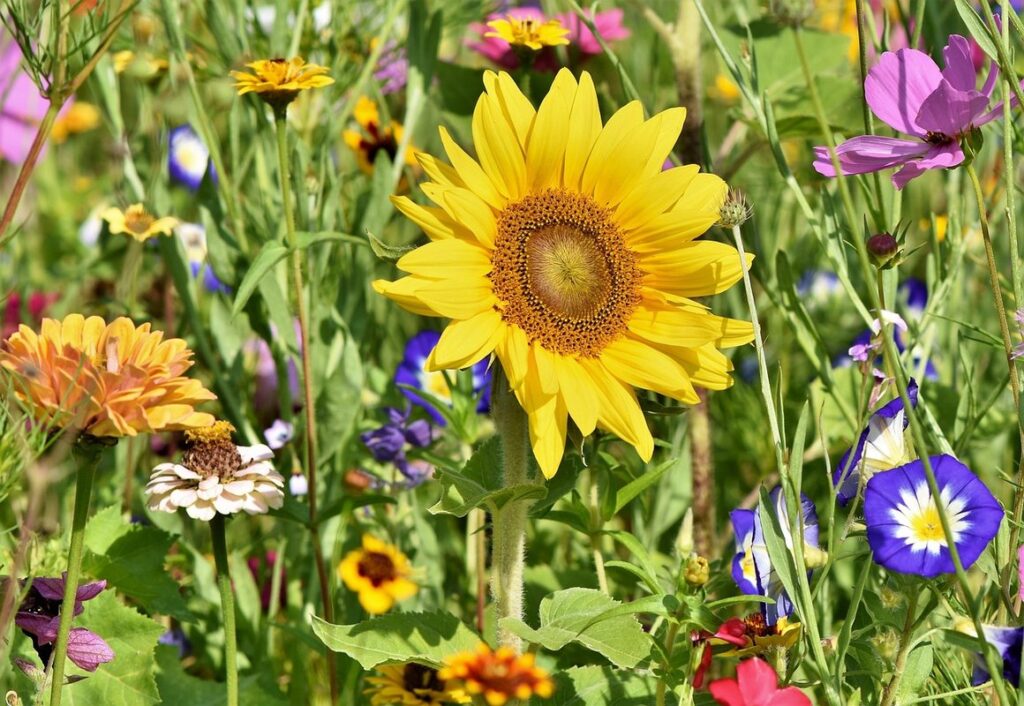
Section 1: Choosing the Perfect Location
When designing a meadow garden, selecting the right location is crucial – it’s essential to consider factors such as sunlight and soil quality to ensure your blooms thrive.
Subsection 1.1: Assessing Sunlight and Soil Conditions
When designing a meadow garden, it’s essential to consider two crucial elements: sunlight and soil conditions. These factors will significantly impact the health and beauty of your plants, so take the time to assess them before planting.
Sunlight is the primary source of energy for plants, and different species have varying requirements when it comes to light exposure. Some meadow flowers, such as sunflowers and cosmos, thrive in full sun (six hours or more of direct sunlight), while others like ferns and hostas prefer partial shade (two to four hours of indirect sunlight). To determine the sunlight levels in your garden, observe the sun’s path throughout the day during different seasons. Note how long specific areas receive direct sunlight.
Soil quality is equally important, as it affects root growth, water absorption, and nutrient availability for plants. Test your soil type (clay, silt, sand, or loam) and pH level to understand its composition. This information will help you choose plants that suit the local conditions. If your soil lacks nutrients or has poor drainage, consider adding organic matter like compost or mulch to improve its structure and fertility. By understanding and adapting to your meadow garden’s sunlight and soil conditions, you’ll create a thriving environment for your plants to flourish in.
Subsection 1.2: Selecting a Suitable Meadow Plant Mix
When selecting plants for your meadow garden, it’s essential to choose a mix that thrives in your region’s climate. Native wildflowers are an excellent choice, as they’re well adapted to local conditions and require minimal maintenance. Consider plants like coneflowers, black-eyed Susans, and cosmos, which attract pollinators and add vibrant color to your meadow.
Grasses are also a great addition to a meadow garden, providing structure and texture. Ornamental grasses like switchgrass and little bluestem are low-maintenance and can tolerate drought. Shrubs like butterfly bush and shrub roses offer a pop of color and attract pollinators, while also providing a natural screen for the meadow.
When selecting a mix, consider your region’s climate zone and choose plants that are suitable for it. For example, in areas with cold winters, choose plants that go dormant during winter or have a hardiness rating above 5. In warmer climates, opt for heat-tolerant plants like lantana and zinnias. By selecting a mix of native wildflowers, grasses, and shrubs, you’ll create a thriving meadow garden that attracts wildlife and requires minimal maintenance.
Subsection 1.3: Considering Wildlife-Friendly Features
When designing your meadow garden, it’s essential to consider incorporating wildlife-friendly features that will create a thriving ecosystem. By doing so, you’ll not only attract a variety of beneficial insects and birds but also contribute to the local biodiversity.
Consider creating pollinator hotspots by planting a mix of nectar-rich flowers that bloom at different times throughout the growing season. This will ensure a constant source of food for these vital creatures. For example, plant lavender in early spring, followed by coneflowers and black-eyed Susans in summer, and finally, asters and goldenrod in late summer and fall.
Additionally, install birdhouses or nesting boxes to provide shelter for birds during the breeding season. You can also include a birdbath or shallow dish filled with fresh water to attract birds and other wildlife. By incorporating these simple features, you’ll be creating a haven that will support the local wildlife, making your meadow garden even more serene and vibrant.
Section 2: Designing Your Meadow Garden Layout
Now that you have a clear vision for your meadow garden, it’s time to bring it all together by designing a layout that showcases its unique character and charm. Let’s walk through creating a beautiful and functional space.
Subsection 2.1: Creating Curved Lines and Natural Shapes
When designing your meadow garden layout, consider incorporating curved lines and natural shapes to create a visually appealing space. Curved lines can add a sense of fluidity and movement to your design, breaking up straight lines and creating visual interest.
Incorporating natural shapes into your design can also enhance the overall aesthetic of your meadow garden. For example, using a winding path made from gravel or stone can guide visitors through the space while adding texture and depth. Consider creating a natural border around your garden beds using boulders or large stones to create a sense of separation between different areas.
To incorporate curved lines into your design, try using a meandering pattern for your plantings or hardscaping elements. You can also use plants with irregular shapes, such as ornamental grasses or shrubs, to add visual interest and texture. By incorporating these elements, you can create a unique and inviting space that feels more natural and organic.
Practical tips for creating curved lines in your meadow garden include using flexible edging materials like bamboo or metal to create fluid borders, or planting a mix of tall and short perennials to create a sense of movement. Experiment with different shapes and patterns to find the one that works best for your space and design goals.
Subsection 2.2: Incorporating Water Features and Mounding
Incorporating water features and mounding into your meadow garden can add an extra layer of depth and interest to this serene and vibrant space. Not only do these elements enhance the aesthetic appeal of your garden, but they also provide crucial support for local wildlife.
Water features, such as small ponds or birdbaths, offer a source of water for birds, insects, and even small mammals. This can be especially beneficial in meadow gardens where plants are often thirsty for moisture. A small pond, for example, can attract dragonflies, damselflies, and other beneficial insects that help control pest populations.
When it comes to mounding, this simple yet effective technique involves creating raised beds or hills using a mix of soil and plants. Mounds provide habitat for beneficial insects like bees and butterflies, which are drawn to the sheltered areas created by these mounded features. By incorporating both water features and mounding into your meadow garden design, you can create a haven for local wildlife while also enhancing its beauty.
Subsection 2.3: Using Native Plants for Naturalistic Design
When designing your meadow garden layout, it’s essential to incorporate native plants that thrive in your local climate and ecosystem. These plants have adapted over time to withstand the specific conditions in your area, making them a perfect choice for a naturalistic design.
Native plants not only reduce maintenance needs but also attract pollinators like bees and butterflies, which are essential for a healthy meadow garden. For example, if you live in a region with hot summers, look for native grasses that can withstand drought conditions, such as Little Bluestem or Indiangrass. These species will add movement and texture to your landscape while minimizing water consumption.
To select native plants suitable for your area, research local nurseries and gardening organizations that specialize in native plant species. They often provide lists of recommended plants based on specific regions and microclimates. When choosing plants, consider factors like soil type, sun exposure, and moisture levels to ensure the best results. By incorporating native plants into your meadow garden design, you’ll create a space that’s not only beautiful but also sustainable and low-maintenance.
Section 3: Plant Selection and Maintenance
Now that you’ve chosen your meadow garden style, it’s time to select the perfect plants and learn how to care for them, ensuring they thrive in their new home.
Subsection 3.1: Choosing Low-Maintenance Meadow Plants
When it comes to creating a low-maintenance meadow garden, selecting the right plants is crucial. Not only will they thrive with minimal care, but they’ll also provide a beautiful canvas for the rest of your design.
Native wildflowers like coneflowers and black-eyed Susans are excellent choices, as they’re incredibly resilient and require less watering than other varieties. These plants have adapted to local climate conditions over time, making them perfect for meadow gardens in various regions. For example, coneflowers can tolerate dry spells and only need occasional watering during hot summers.
Other low-maintenance options include grasses like little bluestem and big bluestem, which are drought-tolerant and don’t require frequent pruning. In fact, it’s essential to let these plants grow naturally, allowing their seed heads to mature and provide a winter interest in the garden.
When selecting meadow plants, consider your climate, soil type, and desired bloom times. This will help you choose species that fit seamlessly into your meadow design. By choosing low-maintenance plants, you’ll save time and effort while still enjoying the beauty of your meadow garden.
Subsection 3.2: Seasonal Planting Strategies for Year-Round Interest
One of the most exciting aspects of designing a meadow garden is incorporating seasonal planting strategies to ensure year-round interest. This approach not only adds visual appeal but also encourages biodiversity and attracts pollinators throughout different seasons.
In the spring, bulbs are an excellent choice for adding vibrant colors to your meadow garden. Consider planting daffodils, tulips, or hyacinths in clusters to create a dramatic display. These bulbs require minimal maintenance and can thrive in conditions with full sun to partial shade. Plant them about 3-4 inches deep and 6-8 inches apart for a stunning springtime show.
As the seasons transition into fall, perennials such as asters, goldenrod, or sedum are perfect for planting. These hardy flowers provide long-lasting color and structure to your meadow garden, often continuing to bloom well into winter. When selecting perennials, choose varieties that mature in the late summer or early fall to ensure a prolonged blooming period.
By incorporating seasonal plantings, you’ll be able to enjoy your meadow garden throughout different times of the year. Remember to consider factors like soil type, sunlight, and moisture levels when selecting plants for each season.
Subsection 3.3: Mulching and Groundcover Options for Weed Control
When it comes to maintaining a healthy meadow ecosystem, controlling weeds is a crucial aspect of the process. Mulching and groundcover options can play a significant role in achieving this goal. By incorporating these elements into your meadow garden design, you’ll be able to create a serene and vibrant space that’s less prone to weed growth.
Mulch, for example, acts as a barrier between the soil and sunlight, preventing weeds from germinating. It also retains moisture and suppresses weed growth by depriving them of light. Choose an organic mulch like wood chips or bark to ensure it breaks down slowly and doesn’t harm the environment. For groundcover options, consider plants with dense foliage like creeping thyme or sedum, which can outcompete weeds and create a lush carpet.
To implement this strategy effectively, focus on incorporating a 2-3 inch layer of mulch around your meadow plants. Replenish it regularly as needed to maintain its effectiveness. Additionally, select groundcover species that are suitable for your climate and soil type to ensure they thrive in their environment. By combining these techniques with good garden practices, you’ll be well on your way to creating a low-maintenance meadow garden that’s teeming with life and beauty.
Section 4: Creating a Diverse Pollinator Habitat
To create a thriving pollinator habitat, you’ll want to incorporate a mix of native flowers, shrubs, and trees that provide nectar-rich blooms throughout the growing season. This diversity is key to attracting a wide range of beneficial insects.
Subsection 4.1: Planting for Bee, Butterfly, and Moth Support
When designing your meadow garden, it’s essential to consider the needs of pollinators like bees, butterflies, and moths. These creatures rely on specific plants for nectar and host plants for their larvae to feed on. To create a thriving pollinator habitat, focus on incorporating nectar-rich flowers that are rich in pollen and have a long blooming season.
Some excellent options include coneflower (Echinacea spp.), black-eyed Susan (Rudbeckia hirta), and purple coneflower (Liatris spp.). These flowers are not only attractive but also provide a valuable source of nectar for pollinators. Additionally, consider planting host plants like milkweed (Asclepias spp.) for monarch butterflies, which will feed their caterpillars.
When selecting plants, be sure to choose varieties that are native to your region and have minimal maintenance requirements. This will ensure that your meadow garden is not only beautiful but also sustainable. By incorporating a mix of nectar-rich flowers and host plants, you’ll create a haven for pollinators in your meadow garden.
Subsection 4.2: Providing Insect-Friendly Hubs and Corridors
Incorporating insect-friendly hubs and corridors into your meadow garden is essential for creating a thriving ecosystem. These features not only provide shelter and food for beneficial insects but also help to maintain biodiversity.
Rock piles, log stacks, or even old stone walls can be repurposed as insect-friendly hubs by adding plants like lavender, rosemary, or thyme that attract pollinators. Consider placing these hubs in areas with good sunlight and some shade, allowing plants to grow in a variety of conditions. For example, the rock piles at the High Line in New York City provide habitat for over 30 species of butterflies.
When designing corridors, think about creating a “pollinator highway” that connects different areas of your meadow garden. This can be achieved by planting nectar-rich flowers like coneflowers or black-eyed susans along pathways made from materials like wood chips or gravel. Keep in mind that corridors should have some height and structure to provide shelter for insects, such as placing small trees or shrubs with a mix of dense and open foliage.
Section 5: Integrating Ornamental Features
Now that we’ve laid out our meadow garden design, let’s explore how to incorporate beautiful ornamental features that enhance its natural beauty. This is where creativity and planning come together.
Subsection 5.1: Selecting Appropriate Garden Structures for Meadow Gardens
When designing a meadow garden, incorporating garden structures can add depth, functionality, and visual interest to the space. Arborways, pergolas, and benches are popular choices for meadow gardens, as they provide shade, support climbing plants, and offer comfortable seating areas.
Arborways are ideal for creating a sense of entrance or separation within the garden. Choose materials that blend with your landscape, such as cedar, reclaimed wood, or metal, to maintain visual harmony. Consider a simple yet elegant design, like a single arbor with a trellis-style top, to support climbing plants.
Pergolas are perfect for providing shade and structure in larger meadow gardens. Use wooden slats or metal latticework to create a sense of airiness while still offering protection from the sun. Incorporate climbing plants, such as wisteria or honeysuckle, to add color and fragrance.
Benches are an essential element in any garden, allowing visitors to pause and appreciate the surroundings. Opt for weather-resistant materials like recycled plastic, teak, or wrought iron to ensure durability. Place benches in areas with interesting views or near water features to enhance the experience.
Subsection 5.2: Incorporating Ornamental Gravel or Decorative Stepping Stones
When designing your meadow garden, incorporating ornamental gravel or decorative stepping stones can elevate its visual appeal and create a serene ambiance. These features not only add texture and interest but also help to define pathways and borders.
Ornamental gravel, available in various colors, shapes, and sizes, is an excellent option for creating visually appealing pathways. It’s low-maintenance, weed-suppressing, and can be easily replenished as needed. Consider using a mix of different colors or textures to create a unique visual effect. For example, combining dark gray gravel with lighter beige stones can add depth and contrast.
Decorative stepping stones are another way to enhance your meadow garden’s aesthetic. These stones come in various shapes, designs, and materials, such as natural stone, concrete, or ceramic. You can use them to create a winding path through the garden or as standalone decorative elements. To make the most of these features, consider arranging them in a way that creates visual interest and guides visitors through the space.
To incorporate these features effectively, start by planning their placement and layout. Consider the meadow garden’s overall design, including plant selection and spacing. This will help ensure that your ornamental gravel or stepping stones complement rather than overpower the natural beauty of the garden.
Section 6: Long-Term Care and Management Strategies
As your meadow garden matures, it’s essential to consider long-term care strategies to maintain its beauty and vibrancy for years to come. We’ll explore practical management tips and techniques in this next section.
Subsection 6.1: Seasonal Mowing and Pruning Schedules
To maintain the beauty and biodiversity of your meadow garden, it’s essential to establish a seasonal mowing and pruning schedule. This routine will not only promote healthy growth but also help control invasive species that can quickly take over.
In early spring, around late March or early April, start by cutting back dead foliage from perennials and shrubs using sharp, clean tools. This will allow new growth to emerge and prevent the spread of disease. For grasses and wildflowers, consider a gentle mowing at a height of 3-4 inches to encourage blooming.
During peak growing season (summer), maintain your meadow by cutting back or dividing overcrowded plants. Prune shrubs and small trees to promote air circulation and prevent disease. Be mindful of invasive species like Japanese knotweed, which can quickly spread through your garden. Regularly monitor for signs of invasion and take action promptly.
In autumn, reduce mowing frequency as growth slows down. Remove dead plant material and debris from the garden bed to prepare for winter. Finally, in late winter or early spring, remove any dead foliage that may have accumulated over the previous growing season.
Subsection 6.2: Monitoring Soil Health and Adjusting Plant Mixes as Needed
Monitoring soil health is crucial to maintaining a thriving meadow garden. As plants grow and mature, they deplete nutrients from the soil, and if not replenished, can lead to nutrient deficiencies and poor plant performance. Regular soil testing will help you determine the pH level, nutrient content, and other factors that impact soil health.
To adjust your plant mixes based on soil test results, consider the following steps: Start by identifying areas of concern, such as low organic matter or high levels of certain nutrients. Then, select plants that thrive in those conditions, taking into account their specific needs for light, water, and nutrient requirements. For example, if your soil is acidic, choose plants like coneflower or black-eyed Susan, which prefer slightly acidic to neutral soil.
Remember to retest your soil every 2-3 years to monitor changes over time. By regularly assessing and adapting your plant mixes, you’ll be better equipped to create a resilient meadow garden that continues to flourish with minimal maintenance.
Section 7: Inspiration and Resources
To further ignite your meadow garden creativity, we’ve curated a selection of inspiring examples and valuable resources to help you bring your vision to life.
Subsection 7.1: Online Resources for Meadow Garden Design and Maintenance
When it comes to creating a stunning meadow garden, there’s no shortage of online resources to inspire and guide you. Let’s take a look at some of our favorite websites, blogs, and social media platforms that offer a wealth of information on designing and maintaining these beautiful spaces.
Websites like The Spruce and Garden Design are treasure troves of meadow garden inspiration. They feature stunning photos, expert advice, and informative articles on topics such as plant selection, soil preparation, and seasonal maintenance. You’ll find tips on how to create a meadow garden from scratch, including guidance on choosing the right plants for your climate and region.
Social media platforms like Instagram are also excellent resources for meadow garden enthusiasts. Follow accounts like @meadowsongflowers or @wildflowerfields to get inspiration from experienced gardeners and designers. You can also join online communities like the Wildflower Meadow Garden Facebook group, where you can connect with others who share your passion for meadow gardening.
By tapping into these online resources, you’ll be well on your way to creating a serene and vibrant meadow garden that brings joy and beauty to your outdoor space.
Subsection 7.2: Local Nurseries and Gardening Communities for Support and Advice
When designing a meadow garden, it’s essential to tap into local resources and expert knowledge. Joining local nurseries and gardening communities can provide you with valuable support and advice as you bring your vision to life.
Local nurseries often host workshops, seminars, and plant sales that are perfect for learning about native plants, sustainable gardening practices, and meadow garden design. Attend these events to network with fellow gardeners, ask questions, and gain insights from experienced horticulturists. Many nurseries also offer one-on-one consultations or advice sessions, so don’t be afraid to reach out for personalized guidance.
Additionally, consider connecting with local gardening communities through online forums, social media groups, or in-person meetups. These networks are a great way to share knowledge, exchange tips, and collaborate on projects with like-minded individuals. Some popular examples of gardening communities include Master Gardeners programs, permaculture groups, or meadow garden enthusiast clubs.
By leveraging these local resources, you’ll not only improve your chances of success but also build relationships with fellow garden enthusiasts who can provide ongoing support and inspiration for your meadow garden project.
Frequently Asked Questions
What is the best way to handle weeds in a meadow garden, especially during the first year when plants are establishing themselves?
Weeds can be a challenge in any new garden, but in a meadow garden, it’s essential to strike a balance between controlling weeds and allowing native species to establish themselves. A good approach is to use mulch or straw to suppress weed growth while the native plants get established. Once the meadow plants are growing well, you can gradually reduce the mulch layer, allowing native plants to outcompete weeds naturally.
Can I create a meadow garden in a shaded area, and if so, how do I choose suitable shade-tolerant plants?
While most meadow gardens require full sun, it’s possible to create a shaded meadow garden with careful plant selection. Choose native plants that thrive in partial shade, such as woodland wildflowers or shrubs. Research specific plant requirements for your region and climate to ensure success.
How do I incorporate wildlife-friendly features into my meadow garden, especially if I have limited space?
Even small meadow gardens can be a haven for wildlife. Consider adding a source of fresh water, like a birdbath or shallow dish, and include native plants that provide food and shelter for local species. If space is limited, focus on compact or dwarf varieties of native plants to maximize biodiversity.
What are some common mistakes to avoid when designing a meadow garden?
Common pitfalls in meadow garden design include choosing non-native plants, over-mowing or under-maintaining the area, and neglecting soil health. Be mindful of these potential issues by selecting native species, mowing at the right height for your climate, and monitoring soil conditions throughout the growing season.
Can I create a meadow garden in a previously lawn-covered area without disturbing the existing grass?
Yes, it’s possible to transition from a lawn to a meadow garden without disrupting the existing turf. Start by selecting a suitable plant mix that can compete with the existing grass. Apply mulch or cardboard to suppress weeds and allow native plants to establish themselves gradually.