
If you’re an avid gardener or simply someone who loves observing these beautiful creatures, you’re likely aware of how crucial nectar plants are to butterflies. These delicate flowers not only add vibrant colors and enticing scents to your garden but also play a vital role in supporting the life cycle of butterflies. Without access to adequate nectar sources, these winged wonders wouldn’t be able to thrive. In this article, we’ll delve into the importance of choosing the right nectar plants for your butterfly-friendly garden and explore how to create a healthy ecosystem that supports these amazing insects every step of the way. We’ll discuss the life cycle of butterflies, highlight some top nectar plant picks, and provide tips on maintaining a balanced environment that’s perfect for these lovely visitors.
Understanding the Importance of Nectar Plants
As we delve into the world of nectar plants, it’s essential to understand why these flowers are crucial for attracting butterflies and supporting their survival. They’re more than just a pretty face!
What are Nectar Plants and Why Do Butterflies Need Them?
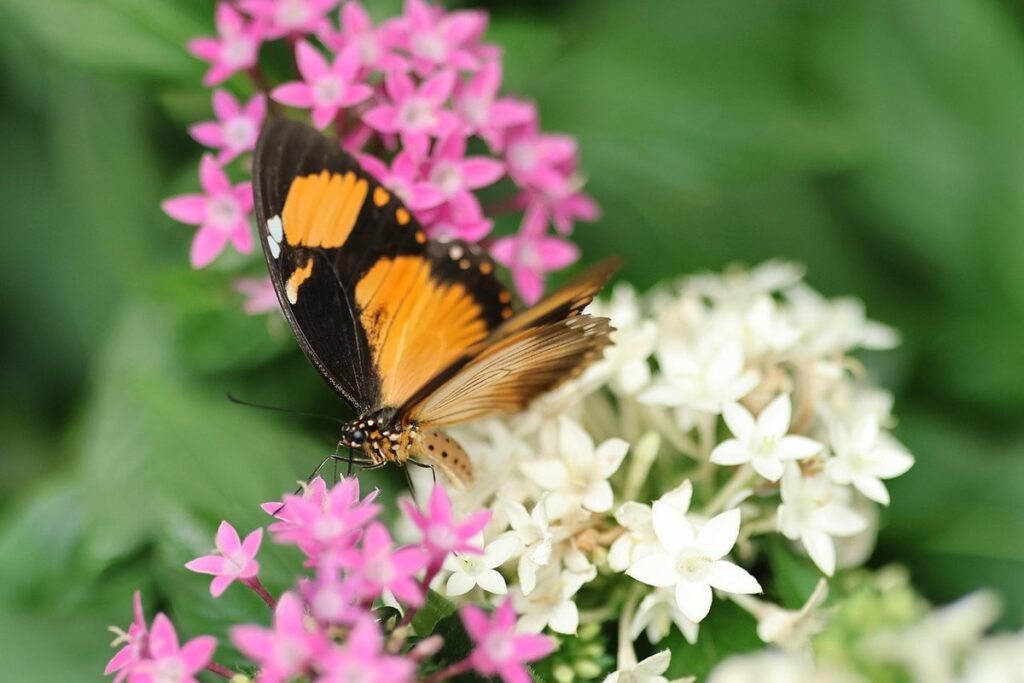
Butterflies are drawn to nectar plants because they provide a rich source of energy and nutrients. Nectar plants are flowering plants that produce a sweet, energy-rich liquid called nectar as a way to attract pollinators like butterflies, bees, and hummingbirds. These plants come in various shapes, sizes, and colors, making them easy to spot in gardens and meadows.
A butterfly’s diet consists mainly of nectar from flowers, which is essential for its survival. Without access to nectar-rich plants, butterflies would struggle to obtain the energy they need to fly, reproduce, and complete their life cycle. In fact, research suggests that a single butterfly can visit hundreds of flowers in search of nectar each day.
To support the local ecosystem, incorporating nectar plants into your garden or community space is crucial. By doing so, you’ll not only provide a haven for butterflies but also attract other beneficial insects and pollinators, promoting biodiversity and ecosystem health. Some popular nectar-rich plants include butterfly bush, lantana, and zinnia – consider planting these in your garden to create a butterfly-friendly environment.
The Role of Nectar Plants in Butterfly Life Cycle
When it comes to the life cycle of butterflies, nectar plants play a crucial role in ensuring their survival. Let’s break down the various stages where nectar plants make a significant contribution.
As female butterflies search for a suitable location to lay their eggs, they often rely on nectar-rich flowers as a source of energy and food. For instance, milkweed (Asclepias spp.) is a vital host plant for monarch butterfly caterpillars. When female monarchs are ready to lay eggs, they will often choose milkweed plants with high nectar levels, ensuring their offspring have an abundant food supply.
Once the eggs hatch into caterpillars, they feed on the milkweed leaves while continuing to rely on nearby nectar-rich flowers for sustenance. As the caterpillars grow and transform into chrysalises, adult butterflies begin to emerge, hungry for nectar to replenish their energy reserves.
By incorporating a variety of nectar plants in your garden or habitat, you can provide a vital source of food for all stages of a butterfly’s life cycle. This is especially important during the summer months when flowers are in bloom and adult butterflies require an abundant supply of nectar to fuel their flight and other activities.
Choosing the Right Nectar Plants for Your Garden
When selecting nectar plants for your garden, it’s essential to choose varieties that are not only butterfly-friendly but also thrive in your specific climate and soil conditions. Consider factors like bloom time and nectar quality when making your selection.
Selecting Flowers that Attract Butterflies
When selecting flowers that attract butterflies, it’s essential to choose species rich in nectar. These plants provide the energy source butterflies need to survive. Native plant species are an excellent starting point as they have co-evolved with local butterfly populations, ensuring a natural and effective relationship.
Consider incorporating flowers like Butterfly Weed (Asclepias tuberosa), Lantana (Lantana camara), and Zinnia (Zinnia elegans) into your garden. These plants are known to attract various butterfly species and thrive in different climates. For example, the Eastern Tiger Swallowtail butterfly is particularly drawn to Butterfly Weed.
To maximize your nectar plant’s effectiveness, ensure they receive adequate sunlight, typically six hours or more per day. Also, select a diverse range of flowers with varying bloom times to provide a constant source of nectar throughout the growing season. This will encourage butterflies to visit and stay in your garden for extended periods.
Planting Considerations: Sunlight, Soil, and Space Requirements
When planting nectar-rich flowers for butterflies, it’s essential to consider three crucial factors: sunlight, soil type, and available space. The wrong conditions can lead to poor plant growth, making them less attractive to these beautiful creatures.
Sunlight is the most critical factor in choosing nectar plants. Butterflies rely on warmth to fly and navigate their surroundings, so plants that receive direct sunlight for at least six hours a day are ideal. For example, marigolds and zinnias thrive in full sun, while hostas and impatiens prefer partial shade. When selecting plants, consider the amount of sunlight your garden receives and choose varieties that match.
Soil type is also vital when planting nectar-rich flowers. Butterflies are drawn to plants growing in well-draining soil with a pH between 6.0 and 7.0. If your garden has heavy clay or sandy soil, amend it with organic matter like compost or perlite to improve drainage and structure.
Lastly, ensure you have enough space for nectar-rich flowers to spread out and grow. Many species can become invasive if not contained, so plant them in a designated area where they won’t compete with other plants for resources. By considering these factors, you’ll create an attractive haven that will entice butterflies to visit your garden regularly.
Top Nectar-Rich Flowers for Butterflies
Butterfly enthusiasts, get ready to discover our top picks of nectar-rich flowers that will be a butterfly paradise in your garden! From vibrant sunflowers to delicate cosmos.
Annuals: Zinnias, Cosmos, and Marigolds
When it comes to attracting butterflies to your garden, annual flowers are an excellent choice. Zinnias, Cosmos, and Marigolds are three popular annuals that are rich in nectar and irresistible to these beautiful creatures.
Zinnias, in particular, are a butterfly magnet. These vibrant flowers come in a variety of colors and are easy to grow from seed. They prefer well-drained soil and full sun, making them an excellent choice for containers or borders. When planting zinnias, be sure to choose a mix of early-blooming and late-blooming varieties to ensure a continuous nectar source throughout the growing season.
Cosmos are another annual that butterflies can’t resist. These dainty flowers come in shades of pink, white, and purple and are known for their feathery foliage and delicate blooms. Cosmos prefer full sun and well-drained soil, making them an excellent choice for meadow gardens or cottage-style borders. To encourage cosmos to bloom, make sure to deadhead spent flowers regularly.
Marigolds, with their bright yellow and orange blooms, are a butterfly favorite. These easy-to-grow annuals prefer well-drained soil and full sun, making them perfect for containers or hanging baskets. When planting marigolds, be sure to mix them with other nectar-rich flowers to create a butterfly-friendly garden.
By incorporating these three annuals into your garden, you’ll be creating a haven for butterflies that will visit again and again throughout the growing season. Remember to plant a variety of nectar-rich flowers together to ensure a constant supply of food for these beautiful creatures.
Perennials: Bee Balm, Blazing Star, and Butterfly Bush
When it comes to perennials that offer a constant source of nectar for butterflies throughout the seasons, there are several top choices. One perennial standout is Bee Balm (Monarda didyma), which produces vibrant red, pink, or purple flowers that are rich in nectar. These blooms are a favorite among butterflies, particularly the monarch and swallowtail species. Not only do they provide a vital food source, but their tubular shape also makes it easy for butterflies to access the nectar.
Another perennial option is Blazing Star (Liatris spp.), which produces purple or white spiky flowers that are a magnet for butterflies. Its long-blooming period and ability to thrive in dry conditions make it an excellent choice for butterfly gardens. To maximize its attractiveness, consider planting multiple varieties of Blazing Star together, as this will create a vibrant display of color.
Butterfly Bush (Buddleja spp.) is another perennial powerhouse when it comes to attracting butterflies. Its long, conical flowers come in a range of colors and are rich in nectar, making them a go-to choice for butterflies like the painted lady and red admiral. When planting Butterfly Bush, choose a variety that’s suitable for your climate, as some species can be sensitive to extreme temperatures.
Creating a Butterfly-Friendly Habitat
To attract butterflies to your garden, creating a welcoming habitat is essential. This means considering factors like sunlight, water, and shelter for these beautiful creatures.
Incorporating Nectar Plants into Your Garden Design
When it comes to incorporating nectar plants into your garden design, it’s essential to consider the layout and structure of your garden. Butterfly-friendly gardens often feature a mix of open areas and sheltered spots, which cater to different species’ preferences. Incorporate a variety of nectar-rich flowers with staggered blooming periods to provide a constant food source for visiting butterflies.
Consider adding water sources like shallow dishes or birdbaths with fresh water to attract thirsty butterflies. Position them near the nectar plants to create an inviting spot for these creatures. Plant native species, which are adapted to your local climate and soil conditions, as they will require less maintenance and support.
To maximize the impact of your garden design, incorporate sheltered spots like shrubs or trees that provide protection from harsh weather conditions and predators. This will enable butterflies to roost safely during the night, allowing them to conserve energy for their next day’s activities. By carefully planning your garden layout, you can create a haven that supports the needs of these magnificent creatures.
Maintaining a Healthy Ecosystem: Weeding, Watering, and Fertilizing
Maintaining a healthy ecosystem is crucial for creating a butterfly-friendly habitat. This means controlling weeds, watering wisely, and fertilizing sustainably.
To control weeds, it’s essential to understand that they compete with nectar plants for water and nutrients. Remove weeds by hand or use a tool like a hoe, being careful not to damage nearby plants. Consider using mulch or groundcovers to suppress weed growth in areas where you don’t want them to grow. For example, thistle and dandelions are often unwanted weeds that can be replaced with beneficial plants like coneflower or black-eyed Susan.
Watering wisely means providing enough moisture for nectar plants without overwatering, which can lead to root rot and attract pests. Check the soil daily, and water only when it feels dry to the touch. Aim for about 1-2 inches of water per week, either from rainfall or irrigation. Fertilizing sustainably involves using organic options like compost tea or worm casting, which provide slow-release nutrients without harming beneficial insects.
Remember that a balanced ecosystem is a dynamic process, and regular maintenance will help your garden thrive over time.
Supporting Local Butterfly Populations
To really make a difference, we need to think beyond our own gardens and consider how we can support local butterfly populations in their natural habitats. Here are some ways to do just that.
Monitoring and Recording Butterfly Activity
Monitoring and recording butterfly activity is crucial for understanding their behavior, habits, and preferences. This information will help you fine-tune your nectar plant selection and placement to maximize the benefits for local populations. Start by observing your garden or nearby areas during peak butterfly hours (usually late morning to early afternoon) and note the types of plants visited by these beautiful creatures.
To record their activity effectively, keep a simple logbook or use an app like iNaturalist or PlantSnap to track species identification, numbers, and any notable behaviors. Take note of the nectar-rich flowers they prefer, as well as any host plants for caterpillars in the area. This information will help you create a welcoming habitat that meets their needs.
By monitoring and tracking butterfly activity, you’ll also be able to assess the impact of your nectar plant selection on their behavior. Are they visiting the plants more frequently or staying longer? Do certain species seem to favor specific types of flowers? These insights will enable you to make data-driven decisions about future plant additions and optimize your garden’s butterfly-friendly features.
Collaborating with Neighbors and Community Groups
Collaborating with neighbors and community groups can be a powerful way to promote butterfly conservation. By working together, you can pool your knowledge, resources, and gardening expertise to create vibrant habitats that attract these beautiful creatures.
One idea is to start a neighborhood butterfly garden project. This could involve identifying vacant lots or underutilized spaces where you can plant nectar-rich flowers that cater specifically to local butterfly species. You can also organize regular clean-up events to remove invasive weeds and debris, making the space more welcoming for butterflies.
Another approach is to form a community group focused on sharing gardening best practices and knowledge about butterfly conservation. This could be in the form of monthly meetings, workshops, or online forums where members can exchange tips, discuss challenges, and learn from one another’s experiences. For instance, you might invite a local entomologist to share insights on how to create a butterfly-friendly habitat or schedule a visit to a nearby nature reserve to observe and learn from existing conservation efforts.
By collaborating with your community, you can amplify the impact of individual gardening efforts and create a network of like-minded individuals passionate about promoting local biodiversity.
Frequently Asked Questions
What are some common mistakes to avoid when selecting nectar plants for my butterfly garden?
When choosing nectar plants, it’s essential to remember that not all flowers are created equal. Some may be attractive to butterflies but lack the necessary depth or complexity of structure to provide a rich source of energy and nutrients. Avoid selecting single-petaled flowers like roses or petunias, which can be difficult for butterflies to access. Opt instead for nectar-rich flowers with deep, tubular structures like trumpet-shaped honeysuckles or coral bells.
Can I use native plants in my butterfly garden, even if they’re not specifically labeled as “nectar plants”?
Yes! Native plants are an excellent choice for creating a butterfly-friendly habitat because they’ve co-evolved with the local pollinators. Even if they’re not explicitly marketed as nectar plants, many native flowers will still provide essential resources for butterflies. Consider incorporating native wildflowers like milkweed, coneflower, or black-eyed Susan into your garden to create a welcoming space for these winged visitors.
How often should I water and fertilize my nectar plants to support the health of my butterfly population?
Watering and fertilizing schedules will vary depending on factors like climate, soil type, and plant species. A good rule of thumb is to maintain moist but well-draining soil conditions, especially during peak butterfly activity periods (usually spring and summer). Fertilize lightly in the spring with a balanced, organic fertilizer that promotes healthy growth without over-stimulating the plants.
Can I incorporate nectar plants into my existing garden design, or should I start from scratch?
Absolutely! You can easily integrate nectar plants into your existing garden by choosing varieties that complement your current landscape and flowering schedule. Consider using perennials like bee balm, blazing star, or butterfly bush, which will require less maintenance over time and provide a long-term source of nectar for butterflies.
How can I create a butterfly-friendly habitat in areas with limited sunlight or poor soil quality?
Butterflies need a mix of sunny and shaded spots to survive, so incorporate plants that tolerate different light conditions into your garden design. For areas with poor soil quality, try using containers or raised beds filled with a nutrient-rich potting mix. Consider adding compost tea or worm castings to improve soil health and fertility, which will help support the growth of nectar plants in these challenging environments.