
Swallowtail butterflies are a delight to behold, with their striking color patterns and impressive wing spans. However, these beautiful creatures require more than just a picturesque backdrop to thrive – they need specific host plants to lay their eggs and complete their life cycle. As gardeners and nature enthusiasts, we can play a crucial role in supporting local swallowtail populations by creating a welcoming environment that meets their needs.
In this article, we’ll explore the essential host plants for swallowtails, including both native and non-native species. We’ll cover the benefits of incorporating these plants into your garden, how to choose the right ones for your region, and tips for creating a swallowtail-friendly haven that attracts these magnificent butterflies and supports their survival. By the end of this article, you’ll have the knowledge and inspiration to create a vibrant oasis that nurtures these incredible creatures.
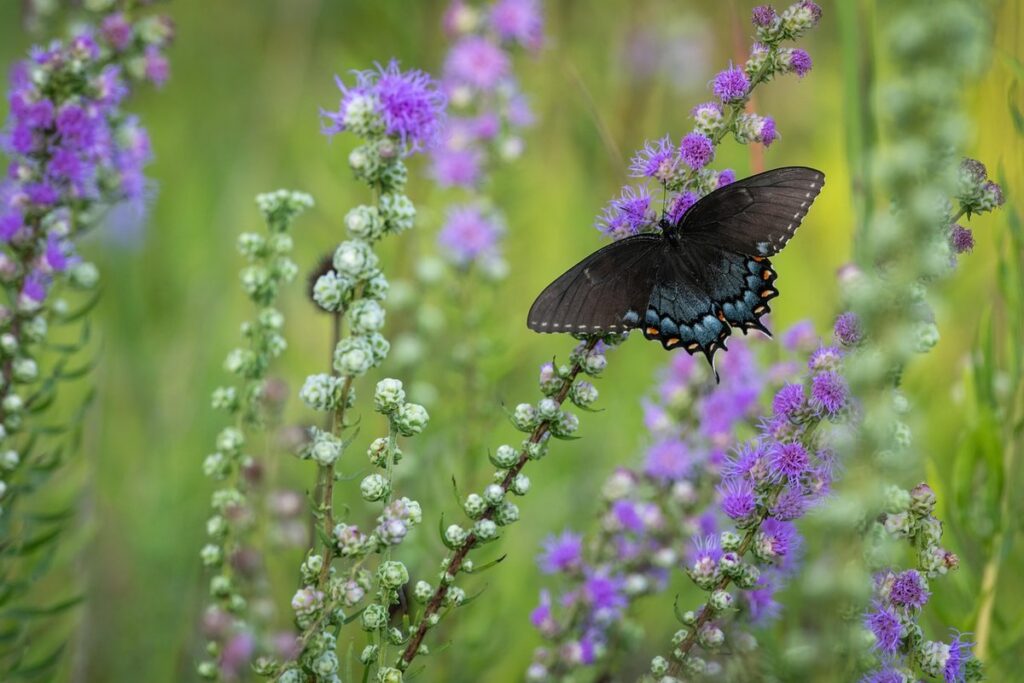
Introduction to Swallowtail Host Plants
Let’s dive into the essential host plants for swallowtails, including some of the most popular and versatile species that will attract these beautiful butterflies to your garden.
Understanding the Importance of Host Plants
When it comes to the life cycle of swallowtail butterflies, host plants play a vital role that cannot be overstated. These plants serve as a food source and shelter for both larvae and adults, providing them with the necessary nutrients for growth and survival.
For larval development, host plants are essential because they contain specific chemicals called glycosides, which are toxic to most predators but harmless to swallowtails. This unique relationship allows the caterpillars to feed on the plant without harming themselves, while also gaining protection from potential threats. In fact, some species of swallowtails can only survive if their larvae feed on a particular host plant.
In addition to providing sustenance and defense, host plants also offer shelter for caterpillars as they grow and develop. The leaves and stems of these plants create a safe haven where the young butterflies can hide from predators and undergo metamorphosis. As adult swallowtails emerge, they still rely on their host plants for nectar and other essential nutrients.
When choosing host plants for your garden or landscape, consider which species of swallowtail you’re trying to attract. Some popular options include milkweed (Asclepias spp.) for black swallowtails and passionflower (Passiflora spp.) for queen butterflies. By selecting the right host plant, you can create a welcoming environment that supports the life cycle of these magnificent creatures.
Common Mistakes When Choosing Host Plants
When selecting host plants for swallowtails, it’s essential to avoid common mistakes that can harm these beautiful butterflies. One critical error is choosing non-native species as host plants. While some non-native plants may thrive in a particular region, they often lack the necessary chemicals and nutrients that caterpillars need to survive. For instance, introducing Japanese milkweed (Asclepias japonica) into an ecosystem can have disastrous consequences on native plant populations.
Another mistake is inadequate plant selection based solely on appearance or convenience. Swallowtail caterpillars are highly specific about their host plants, so it’s crucial to research and choose plants that are naturally occurring in your area and suitable for the specific swallowtail species you’re trying to support. A good rule of thumb is to select native plants that have a long history of co-evolution with local butterfly populations.
Remember to consider factors like climate, soil type, and available sunlight when selecting host plants. For example, some host plants, such as parsley or dill, prefer well-drained soil and full sun, while others, like milkweed, can tolerate dry conditions.
Native Host Plants for Eastern Swallowtails
One of the most iconic butterflies, the Eastern Swallowtail, thrives on a variety of native host plants, some of which can be easily cultivated in your garden. Let’s take a closer look at these important food sources.
Plant Selection for Eastern Swallowtail Caterpillars
When it comes to supporting the eastern swallowtail’s life cycle, selecting the right native host plants is crucial. These caterpillars rely on specific plants for food and shelter, making it essential to choose varieties that are native to your region.
One such plant is the Common Buckeye (Junonia coenia), which serves as a reliable host for eastern swallowtail caterpillars. This butterfly species is common in many parts of North America, and its caterpillars can be found on the Common Buckeye’s leaves. Another option is American Snakeroot (Ageratina altissima), whose foliage provides a safe haven for these caterpillars.
If you’re looking to attract eastern swallowtails to your garden, consider incorporating these native host plants into your landscape. Plant them in an area with partial shade and moist soil, as this will help create a welcoming environment for the caterpillars. Be sure to provide multiple plants, as these butterflies often lay eggs on multiple hosts.
Keep in mind that non-native host plants may not support the eastern swallowtail’s life cycle effectively, so it’s essential to choose native varieties. By selecting the right host plants and creating a suitable environment, you can help these magnificent butterflies thrive in your garden.
Growing Conditions for Native Host Plants
When growing native host plants for Eastern Swallowtails, it’s essential to replicate their natural environment as closely as possible. These plants typically thrive in full sun to partial shade, so choose a location that receives at least 4-6 hours of direct sunlight per day.
The soil type is also crucial, and most native host plants prefer well-draining, slightly acidic soils with a pH between 5.5 and 7.0. If your soil is heavy clay or sandy, amend it with organic matter like compost to improve its structure and fertility.
Watering requirements vary depending on the specific plant species, but as a general rule, native host plants prefer consistent moisture, especially when they’re in bloom. Water them regularly during their first growing season to establish a strong root system, then reduce watering to once or twice a week during the dry summer months.
Some popular native host plants for Eastern Swallowtails include Pawpaw (Asimina triloba), American Sycamore (Platanus occidentalis), and Sweetbay Magnolia (Magnolia virginiana). By providing the right growing conditions, you’ll be supporting the health and well-being of your swallowtail population.
Native Host Plants for Western Swallowtails
For those interested in cultivating a western swallowtail population, it’s essential to know which native plants will provide the best host for their caterpillars. Here are some top picks!
Plant Selection for Western Swallowtail Caterpillars
When it comes to raising western swallowtail caterpillars, selecting the right native host plants is crucial for their survival and metamorphosis. The western swallowtail’s life cycle is intricately tied to its host plants, which provide essential nutrients and shelter.
Two exemplary native host plants for western swallowtails are Oregon Sunshine (Mahonia aquifolium) and Mormon Tea (Ephedra nevadensis). Oregon Sunshine boasts dense clusters of yellow flowers that attract adult butterflies while providing a rich source of nectar for the caterpillars. Its glossy, leathery leaves are also an excellent food source for the larvae.
Mormon Tea, on the other hand, offers tender shoots and foliage that western swallowtail caterpillars adore. This shrub’s ability to thrive in dry conditions makes it a fantastic choice for gardeners with limited watering resources. By incorporating these native host plants into your garden or landscape, you can create a welcoming habitat for western swallowtails.
Remember to choose healthy, vigorous specimens of Oregon Sunshine and Mormon Tea to ensure the caterpillars receive the best possible nutrition. Also, consider planting multiple host species to provide a diverse range of food sources for the western swallowtail’s various life stages.
Considerations When Cultivating Western Host Plants
When cultivating western host plants, it’s essential to consider their specific needs and adapt them to your local climate. Western swallowtails thrive on plants like milkweed (Asclepias spp.), alfalfa (Medicago sativa), and wild indigo (Baptisia tinctoria). However, these plants have unique requirements that may not be suitable for every region.
For instance, milkweed is sensitive to extreme temperatures and requires well-draining soil. In areas with high humidity or frequent rainfall, it’s crucial to ensure proper drainage to prevent root rot. On the other hand, alfalfa is more tolerant of drought but prefers cooler temperatures. Wild indigo, meanwhile, can thrive in poor soil conditions but may require staking for support.
To effectively cultivate western host plants, monitor local weather forecasts and adjust your care routine accordingly. Regularly inspect your plants for signs of pests or diseases, and take action promptly to prevent infestations from spreading. By providing the right environment and attention, you can create a welcoming habitat for western swallowtails and support their life cycle.
Non-Native Host Plants for Swallowtails
While many host plants for swallowtails are native species, there are also non-native options that can support these beautiful butterflies in your garden. Let’s explore some of these alternatives together!
The Role of Exotic Host Plants in Supporting Local Populations
When it comes to supporting local swallowtail populations, non-native host plants can play a significant role. While native plants are always preferred for their ecological benefits, non-native host plants can still provide essential resources for these beautiful butterflies.
One of the primary benefits of using non-native host plants is that they can offer a wider range of options for swallowtails to lay their eggs and raise their caterpillars. For example, the Pipevine Swallowtail (Battus philenor) will readily use the native Passionflower (Passiflora incarnata), but it will also thrive on non-native Passiflora edulis. This flexibility can be particularly valuable in areas where native host plants are scarce or difficult to find.
However, it’s essential to note that introducing non-native host plants can also have drawbacks. They may outcompete native plants for resources, potentially altering the local ecosystem. Additionally, they may attract pests or diseases that could harm native plant populations. To mitigate these risks, it’s crucial to choose non-native host plants carefully and ensure they are well-established in their new environment before introducing them to your garden.
In many regions, non-native host plants can be a vital component of creating a swallowtail-friendly habitat. By selecting species that are known to support local swallowtail populations, you can create a welcoming environment for these magnificent butterflies to thrive. Be sure to research the specific needs and preferences of the swallowtails in your area before introducing new host plants to your garden.
Managing the Risks Associated with Non-Native Host Plants
Cultivating non-native host plants can be a double-edged sword for swallowtail enthusiasts. On one hand, these plants provide essential food sources for the caterpillars to grow and develop. However, on the other hand, they can pose significant risks to local ecosystems if not properly managed.
When introducing non-native host plants, there’s always a risk of invasive species taking over native habitats. For example, the Passionflower vine (Passiflora spp.) is a popular host plant for Swallowtails, but it has been known to outcompete native vegetation in some regions. Similarly, the Butterfly Weed (Asclepias tuberosa) can become too dominant and crowd out other species.
To mitigate these risks, it’s essential to research the potential impact of non-native host plants on local ecosystems before introducing them. Look for cultivars that are sterile or have been bred specifically for ornamental purposes, rather than those with the potential to escape and naturalize. Additionally, monitor your garden regularly to catch any signs of invasive behavior early on.
Tips for Creating a Swallowtail-Friendly Garden
To attract swallowtails, your garden needs more than just nectar-rich flowers – it also requires host plants that provide food and shelter for these beautiful butterflies. Learn how to incorporate essential host plants into your garden design.
Attracting Swallowtails to Your Garden with Plant Selection
When selecting host plants to attract swallowtails to your garden, it’s essential to consider both variety and quantity. Swallowtails are drawn to a range of plants that serve as their food source during different stages of their life cycle. For example, the Monarch butterfly is particularly attracted to milkweed (Asclepias spp.), which is its sole host plant in the larval stage.
To create a swallowtail-friendly garden, aim for a mix of at least 10-15 different host plants that cater to various species. For instance, include plants like passionflower (Passiflora spp.), fennel (Foeniculum vulgare), and dill (Anethum graveolens) in your selection. By diversifying your plant choice, you’ll increase the likelihood of attracting a range of swallowtail species to your garden.
In terms of specific plant requirements, ensure that they are placed in an area with full sun and well-draining soil. This will allow them to thrive, thereby supporting the life cycle of the associated butterfly species. With careful planning, you can create a vibrant haven that welcomes these beautiful creatures and supports their survival.
Additional Strategies for Supporting Local Swallowtail Populations
When creating a swallowtail-friendly garden, it’s essential to consider more than just planting host species. Providing water sources and reducing pesticide use can significantly contribute to supporting local swallowtail populations.
Swallowtails need access to water for drinking, puddling (to extract minerals), and oviposition (egg-laying). Ensure that your garden has a shallow dish or birdbath with fresh water, changing it regularly to prevent mosquito breeding. Avoid using chlorinated tap water, as it can harm the butterflies. Also, consider incorporating mud puddles or sandboxes for the butterflies to extract essential minerals.
Reducing pesticide use is another crucial step in supporting local swallowtail populations. Many commercial pesticides harm or kill these delicate creatures, making your garden an inhospitable environment for them. Instead, adopt Integrated Pest Management (IPM) techniques that rely on natural methods of controlling pests, such as introducing beneficial insects or practicing crop rotation.
Another strategy to consider is maintaining a diverse range of plants and flowers in your garden. This not only provides food sources but also offers shelter and habitat for the butterflies.
Conclusion and Next Steps
Now that you’ve learned how to choose, plant, and care for host plants for swallowtails, it’s time to put your knowledge into action. Here’s what to do next to ensure a thriving garden ecosystem.
Recapitulating Key Takeaways from the Guide
As you’ve made it through our comprehensive guide to host plants for swallowtails, let’s recap some of the key takeaways to reinforce your understanding. You now know that choosing the right host plant is crucial for raising healthy and thriving swallowtail caterpillars.
Key points to keep in mind include identifying the specific species of swallowtail you want to attract and selecting a host plant that matches its requirements. We discussed the importance of plant variety, such as milkweed for monarchs or passionflower for black swallowtails. You also learned about the role of soil quality and preparation, ensuring that your host plants receive adequate nutrients.
Some practical advice from our guide includes monitoring your plants regularly to catch any signs of pest or disease issues, implementing integrated pest management strategies, and considering companion planting to promote a balanced ecosystem. By following these tips and integrating them into your gardening practices, you’ll be well on your way to successfully hosting swallowtail caterpillars in your garden.
Encouraging Further Exploration and Involvement
As you continue on your journey to create a swallowtail-friendly habitat, remember that there’s always more to learn and discover. Encouraging further exploration and involvement is crucial for preserving local populations. One way to do this is by connecting with other nature enthusiasts, gardeners, or local conservation groups.
Join online forums or social media groups dedicated to butterfly gardening or native plant enthusiast communities. These platforms are great resources for sharing knowledge, asking questions, and learning from others who share your passion. You can also participate in citizen science projects or surveys that help monitor swallowtail populations and gather data on their habitats.
Consider volunteering with local organizations or participating in guided tours to learn more about the specific needs of swallowtails in your area. This hands-on experience will not only deepen your understanding but also provide opportunities for networking and collaboration with like-minded individuals. By embracing a culture of continued learning and community involvement, you’ll be better equipped to create thriving habitats that support these majestic creatures.
Frequently Asked Questions
Can I grow multiple host plant species together to attract a variety of swallowtail species?
Yes, growing multiple host plant species together can be beneficial for attracting different types of swallowtails. However, ensure that the plants have similar growing conditions and are compatible with each other. Research specific planting requirements and space needs for each species to create a harmonious and thriving garden ecosystem.
How do I protect native host plants from invasive pests or diseases that might harm them?
To protect your native host plants from invasive pests or diseases, implement integrated pest management (IPM) strategies. Monitor your plants regularly for signs of infestation or disease and use natural control methods whenever possible. Consider using physical barriers, introducing beneficial insects, or applying targeted pesticides as a last resort.
Can I use non-native host plants in my garden if they’re readily available and easy to care for?
While it may be tempting to use non-native host plants due to their ease of care and availability, consider the potential risks associated with introducing exotic species into your local ecosystem. Non-native plants can outcompete native species, alter habitats, or even become invasive. Before choosing a non-native host plant, research its specific needs, potential impacts on local biodiversity, and whether it’s likely to become a nuisance.
How do I determine the correct growing conditions for my native host plants?
Determine the correct growing conditions for your native host plants by researching their specific requirements. Consider factors like sunlight, temperature, soil type, and moisture levels. Check with local nurseries, gardening experts, or online resources for detailed information on growing conditions suitable for your region’s climate.
Can I use container gardens or indoor spaces to support swallowtail populations?
Yes, you can use container gardens or indoor spaces to support swallowtail populations by creating a controlled environment that mimics their natural habitat. Choose host plants suitable for container gardening and ensure they receive adequate light and watering. This approach is particularly useful in areas with limited outdoor space or harsh weather conditions.