
Are you excited to see your garden buzzing with life? If so, chances are you’ve got both bumblebees and honeybees flying around! But did you know these two species have distinct differences that can impact their presence in your garden? Understanding the characteristics of each will help you support them better and reap the benefits of their pollination powers. In this article, we’ll delve into the world of bumblebees vs honeybees, highlighting the key differences between them, including their habitats, behaviors, and roles in your garden ecosystem. By learning how to create a bee-friendly environment that caters to both species, you’ll be able to attract these valuable pollinators and enjoy a vibrant, thriving garden. Let’s get started on this fascinating journey of discovery!
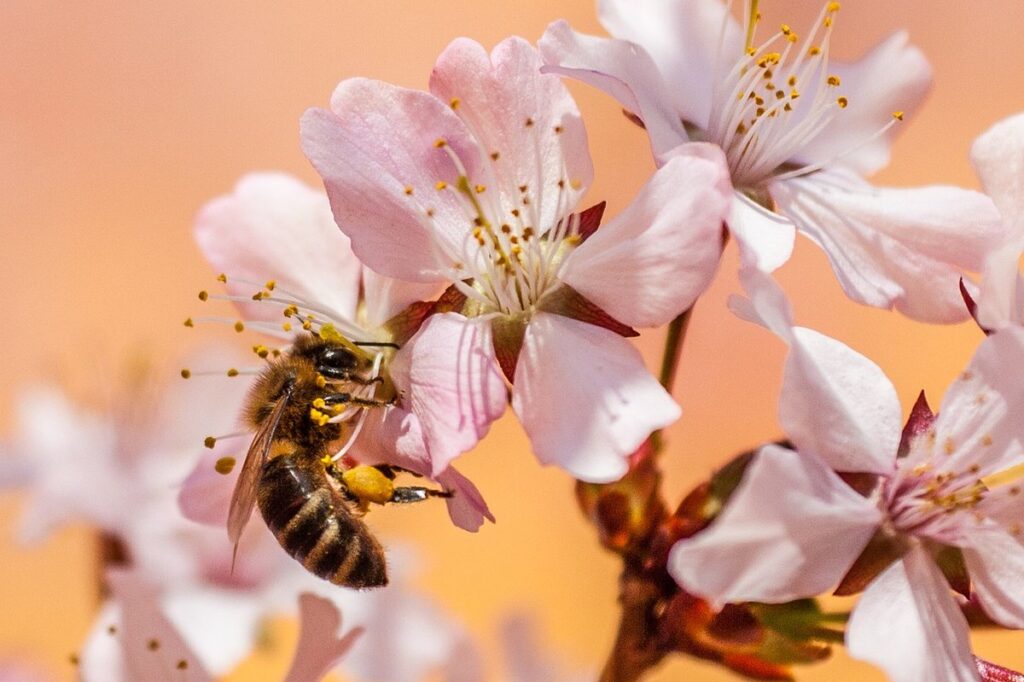
Choosing Between Bumblebees and Honeybees
When deciding which type of bee to attract to your garden, understanding their different needs is crucial. This section will help you choose between bumblebees and honeybees for a thriving pollinator population.
Benefits of Bumblebee Colonies
Having bumblebee colonies in your garden comes with numerous benefits that can boost your plant’s productivity and diversity. One of the most significant advantages is their ability to pollinate a wider range of flowers compared to honeybees. This is because bumblebees are more adaptable and can fly at cooler temperatures, allowing them to visit a broader spectrum of plants, including those with lower nectar levels.
In terms of efficiency, bumblebees outperform honeybees in several ways. They have larger bodies that allow them to gather pollen more effectively, resulting in higher yields for your garden. Additionally, their colonies are smaller and less complex compared to honeybee hives, making them easier to maintain and care for. This means you can enjoy the benefits of bumblebee pollination without the extra workload.
To make the most of having bumblebees in your garden, it’s essential to create a welcoming environment that supports their activities. Plant a diverse range of flowers that cater to different species of bumblebees, and avoid using pesticides or other chemicals that can harm these beneficial insects. By providing them with a haven, you’ll reap the rewards of increased pollination and a more vibrant garden ecosystem.
Attracting Honeybees to Your Garden
Attracting honeybees to your garden can be a wonderful way to boost its productivity and enjoyment. These busy pollinators are not only beneficial for the environment but also provide you with an abundance of delicious honey.
One of the main reasons to attract honeybees is their high productivity. A single honeybee colony can produce up to 60 pounds of honey per year, making them a valuable asset for any gardener. To entice these pollinators to your garden, plant a variety of flowers that are rich in nectar and pollen, such as sunflowers, lavender, and coneflowers.
Honeybees also play a crucial role in producing honey, but did you know they’re also essential for seed production? Without the help of these busy bees, many plants would be unable to reproduce. To attract more honeybees, consider creating a bee-friendly environment by incorporating native plants into your garden design and avoiding pesticides.
When choosing flowers for your garden, remember that honeybees are attracted to those with long, tube-shaped flowers, such as trumpet vines or hibiscus. By planting these types of flowers, you’ll be providing a welcoming habitat for honeybees and other beneficial pollinators.
Environmental Considerations
When it comes to choosing between bumblebees and honeybees for your garden, environmental considerations are an essential factor to consider. Both types of bees have the potential to impact your garden’s ecosystem, but they do so in different ways.
Honeybee colonies can be a significant concern from an environmental standpoint. For one, their colonies can grow rapidly, leading to overcrowding and competition for resources. This can result in aggressive behavior towards other pollinators and even humans, which is not ideal for a peaceful garden ecosystem. Additionally, honeybees require regular maintenance, including the use of chemicals to control pests and diseases, which can contaminate soil and water.
On the other hand, bumblebee colonies are generally more docile and less likely to cause harm to other pollinators or humans. They also don’t require as much maintenance, making them a more low-maintenance option for gardeners. However, it’s essential to note that some species of bumblebees can be vulnerable to habitat loss and climate change, so their populations may decline if not properly cared for.
Ultimately, when deciding between bumblebees and honeybees for your garden, consider the environmental impact of each type of bee colony. If you’re looking for a low-maintenance option that’s gentle on other pollinators, bumblebees might be the better choice.
Bumblebee Characteristics
Let’s dive into the fascinating characteristics of bumblebees, from their unique body shape to their impressive flying abilities. This diversity is one reason they thrive in a variety of gardens and ecosystems.
Physical Differences Between Bumblebees and Honeybees
When it comes to bumblebees and honeybees, there are some noticeable physical differences that can help you tell them apart. One of the most striking differences is their size. Honeybees are generally much smaller than bumblebees, with worker honeybees typically ranging from 0.5 to 1 inch (1.3-2.5 cm) in length. In contrast, bumblebees can range from 1 to 2 inches (2.5-5 cm) in length, making them quite larger.
Another key difference is their coloration and markings. Honeybees have a smooth, shiny exoskeleton that’s usually yellow and black in color, while bumblebees often have distinctive white or yellow stripes on their backs. Bumblebees also tend to have a more rounded abdomen than honeybees, which can be narrower and pointed.
When observing these bees in your garden, take note of these physical differences. If you see a larger bee with distinctive white or yellow stripes on its back, it’s likely a bumblebee. If the bee is smaller and has a smooth, shiny exoskeleton, it might be a honeybee.
Behavior of Bumblebees vs Honeybees
When it comes to behavior, bumblebees and honeybees exhibit distinct patterns that are shaped by their social structure, diet, and environmental interactions. Bumblebees are generally solitary foragers, with individual bees collecting nectar and pollen from various flowers. In contrast, honeybees are highly social creatures that live in colonies, with worker bees tending to the young, defending the hive, and foraging for food.
In a garden setting, bumblebees tend to be more aggressive when competing for resources, often engaging in territorial behavior to defend their patch of flowers. Honeybees, on the other hand, are more likely to follow established routes and communication pathways to gather nectar and pollen from their colony’s preferred sources. This difference in behavior is crucial for gardeners who want to attract these pollinators: bumblebee-friendly plants tend to be less dense and less visited by honeybees, while honeybees prefer the concentrated resources of dense flower beds.
To attract both types of bees, consider creating a diverse range of flowers that cater to their different preferences. This might involve incorporating both open, sun-drenched spaces for bumblebees and densely planted areas with nectar-rich blooms for honeybees.
Life Cycle of Bumblebee and Honeybee Colonies
When it comes to bumblebee and honeybee colonies, their life cycles are fascinating and complex processes. Bumblebee colonies, for instance, have a unique social structure that allows them to thrive in temperate climates. A new colony is typically established by an overwintered queen who emerges from her dormancy in the spring. She searches for a suitable location and begins to lay eggs, which will eventually develop into worker bees.
These worker bees are sterile females responsible for foraging, caring for young, and maintaining the nest’s temperature. They work tirelessly throughout the summer until they reach the end of their lifespan, at which point new queens and males (drones) emerge. The old queen dies off in the fall, marking the colony’s demise.
In contrast, honeybee colonies are more robust and can survive for years with a single queen. A thriving honeybee colony has a complex social hierarchy, with different castes performing specific roles within the hive. This allows them to be incredibly productive, storing large quantities of honey and pollen for later use. When it comes to gardening, understanding these differences in life cycles can help you provide a more suitable environment for each species.
Garden Plant Considerations
When planning a bee-friendly garden, it’s essential to consider which plants will attract and support both bumblebees and honeybees effectively. Choosing the right flowers can make all the difference in creating a thriving bee habitat.
Flowers Preferred by Bumblebees vs Honeybees
When it comes to attracting bumblebees and honeybees to your garden, understanding their preferences is key. While both species are essential pollinators, they have different preferences when it comes to flowers.
Bumblebees tend to favor larger, showier flowers with long tubes that allow them to reach nectar deep within the bloom. Examples of bumblebee-friendly flowers include sunflowers, zinnias, and cosmos. These flowers’ large petals and prominent centers make it easy for bumblebees to access the nectar.
Honeybees, on the other hand, are attracted to smaller, more compact flowers with a higher concentration of nectar. Flowers like lavender, coneflowers, and black-eyed Susans are honeybee favorites. They often prefer flowers with shorter tubes or those that have been modified to allow for easier access.
To create a bee-friendly garden that supports both species, incorporate a mix of flower types that cater to their different preferences. Planting a variety of bloom sizes and shapes will ensure that both bumblebees and honeybees can find the nectar they need to thrive in your garden.
Using Companion Planting for Bumblebee and Honeybee Support
When it comes to creating a bee-friendly garden, companion planting is an essential technique to support both bumblebees and honeybees. By pairing plants that complement each other’s growth habits, fragrance, and nectar flows, you can create a thriving ecosystem that benefits these vital pollinators.
Consider pairing lavender with rosemary – both are members of the mint family and attract different types of bees. Lavender’s tall spikes provide shade for rosemary’s lower-growing foliage, while their combined fragrances repel pests like aphids and whiteflies. Sunflowers and zinnias make great companions as well, as sunflowers’ towering heights provide a landing platform for bumblebees to collect pollen from the zinnias’ brightly colored blooms.
Some other beneficial pairings include planting marigolds alongside tomatoes – marigold’s strong scent repels nematodes that can harm tomato roots. Basil and mint also complement each other, as basil’s fragrance attracts bees while mint’s spreading habit keeps pests at bay. By incorporating these companion plantings into your garden design, you’ll be well on your way to creating a welcoming space for both bumblebees and honeybees.
Managing Bumblebee and Honeybee Populations
If you’re interested in supporting these beneficial insects, understanding how to manage bumblebee and honeybee populations is crucial for a healthy garden ecosystem. Effective management strategies will be discussed below.
Preventing Swarming in Bumblebee Colonies
Preventing swarming is crucial to maintaining a healthy bumblebee colony. Bumblebees often swarm when their colony reaches full capacity and new queen bees are needed to establish new colonies. To prevent swarming, it’s essential to create an environment that supports the health and growth of your bumblebee colony.
Maintain a diverse and abundant food source, including a mix of annuals and perennials rich in nectar and pollen. This will help ensure your bumblebees have access to all the nutrients they need to thrive. Avoid using pesticides, which can harm or kill bumblebees, further stressing the colony.
Monitor your bumblebee colony’s growth closely, and consider adding a second nesting box if you notice an increase in population. Regularly inspect the nesting boxes for signs of swarm cells, and remove them before they reach maturity to prevent swarming.
By providing a healthy environment, managing food sources effectively, and monitoring colony growth, you can help prevent swarming and maintain a thriving bumblebee colony in your garden. This will also ensure the long-term health and success of your bumblebees, allowing them to continue pollinating plants for years to come.
Integrating with Local Beekeeping Practices
When it comes to managing bumblebee and honeybee populations in your garden, integrating with local beekeeping practices is crucial. You see, these buzzing friends are an essential part of our ecosystem, pollinating plants and maintaining the health of our gardens. By collaborating with nearby beekeepers and apiaries, you can tap into their expertise and ensure that your garden becomes a haven for both bumblebees and honeybees.
To start, research local beekeeping associations or clubs in your area. These organizations often have experienced beekeepers who are happy to share knowledge and advice on best practices for managing bee populations. You can also reach out to individual beekeepers in your neighborhood and ask if they’d be willing to collaborate with you. Consider hosting a workshop or meeting where you can discuss the importance of coexistence between bees and gardeners.
By integrating your gardening practices with those of local beekeepers, you’ll not only create a thriving environment for both bumblebees and honeybees but also help maintain the overall health of the ecosystem.
Supporting Bumblebees and Honeybees
If you’re looking to create a welcoming environment for both bumblebees and honeybees, there are specific plants and habits you can adopt to support their needs. This section explores those essential tips and tricks.
Creating a Sustainable Garden Ecosystem
Creating a sustainable garden ecosystem that supports both bumblebees and honeybees requires careful planning and attention to detail. One of the most critical steps is to reduce pesticide use in your garden. Not only can pesticides harm these vital pollinators, but they also deplete soil health and water quality.
To start, focus on using natural methods to control pests and diseases. For example, introduce beneficial insects like ladybugs or lacewings that prey on common garden pests. Encourage biodiversity by planting a variety of native flowers, herbs, and shrubs that provide nectar and pollen for both bumblebees and honeybees.
Consider implementing integrated pest management (IPM) strategies, which involve monitoring your garden regularly to identify potential problems early on. This approach allows you to take targeted action using the least toxic methods possible, minimizing harm to pollinators.
Some simple yet effective tips include composting kitchen scraps and yard waste to improve soil health, using rainwater collection systems to conserve water, and creating bee hotels or habitats to provide shelter for solitary bees. By adopting these sustainable practices, you can create a haven for both bumblebees and honeybees in your garden, supporting the health of these essential pollinators.
Encouraging Local Bee Health Initiatives
Supporting local bee health initiatives is crucial for maintaining a healthy and thriving ecosystem in your garden. By doing so, you’ll not only be contributing to the well-being of these vital pollinators but also ensuring the continued success of your own garden. So, how can you get involved and make a difference?
Start by researching local bee-friendly organizations or initiatives in your area. Many communities have bee health initiatives that offer educational resources, workshops, and volunteer opportunities. For instance, some organizations may provide training on setting up beehives, while others might organize community events to create bee-friendly habitats.
Consider collaborating with neighbors, friends, or family members to start a local bee health initiative in your community. You can also participate in citizen science projects that focus on monitoring bee populations and tracking their behavior. By getting involved, you’ll not only be contributing to the greater good but also gaining hands-on experience and knowledge about these incredible pollinators.
To make a tangible impact, consider supporting local farmers’ markets or beekeepers by purchasing honey and other bee-derived products. This will not only promote local businesses but also encourage sustainable practices within your community.
Frequently Asked Questions
How do I know if my garden is conducive to bumblebee or honeybee populations?
Before trying to attract either type of bee, it’s essential to assess your garden’s conditions. Consider factors like temperature, sunlight, and the availability of nectar-rich flowers that both species prefer. If you have a warmer climate with an abundance of sun-loving plants, honeybees might thrive more easily. However, if you have a cooler spot with a mix of early-blooming flowers, bumblebees could be more attracted to your garden.
Can I have both bumblebee and honeybee colonies in the same garden?
Yes, it’s entirely possible to create a bee-friendly environment that caters to both species. Just remember that they have different needs: honeybees prefer warmer temperatures (above 55°F) and nectar-rich flowers, while bumblebees are more adaptable and can thrive at lower temperatures with a broader range of plants.
How do I prevent swarming in my bumblebee colonies?
To avoid unwanted swarms, it’s crucial to provide your bumblebee colonies with enough space and resources. Regularly inspect the nest site for signs of overcrowding or potential issues. Keep the area around the nest free from disturbances and ensure you’re not inadvertently attracting pests that might harm the colony.
What are some companion planting strategies I can use to support both bumblebees and honeybees?
Companion planting is an excellent way to create a balanced ecosystem that supports pollinators like bees. Pair flowers with different bloom times to provide nectar throughout the growing season. Incorporate herbs like mint, oregano, or thyme near your bee-attracting plants, as these can repel pests and attract beneficial insects.
Can I use store-bought bee hotels to support my local bumblebee population?
While commercial bee hotels can be helpful in providing a nesting site for solitary bees (including some species of bumblebees), it’s essential to choose the right type of hotel that suits your region’s climate. Make sure to install them at the correct height and angle, as specified by the manufacturer, to ensure optimal usage by local pollinators.