
When we think about pollinators, bees and butterflies often come to mind. But there’s another unsung hero buzzing around our gardens and ecosystems, quietly playing a vital role in their health. Hoverflies, also known as flower flies, are some of the most effective pollinators on the planet. These tiny insects may not get as much attention as their more famous cousins, but they’re just as crucial to our environment’s well-being. In fact, hoverflies are responsible for transferring pollen between flowers at a rate that’s often comparable to or even surpassing that of bees. But with their populations facing threats from habitat loss and pesticide use, it’s essential we learn more about these remarkable insects and how we can help protect them. This article will delve into the fascinating world of hoverflies as pollinators, exploring their unique characteristics and what you can do to support their vital work.
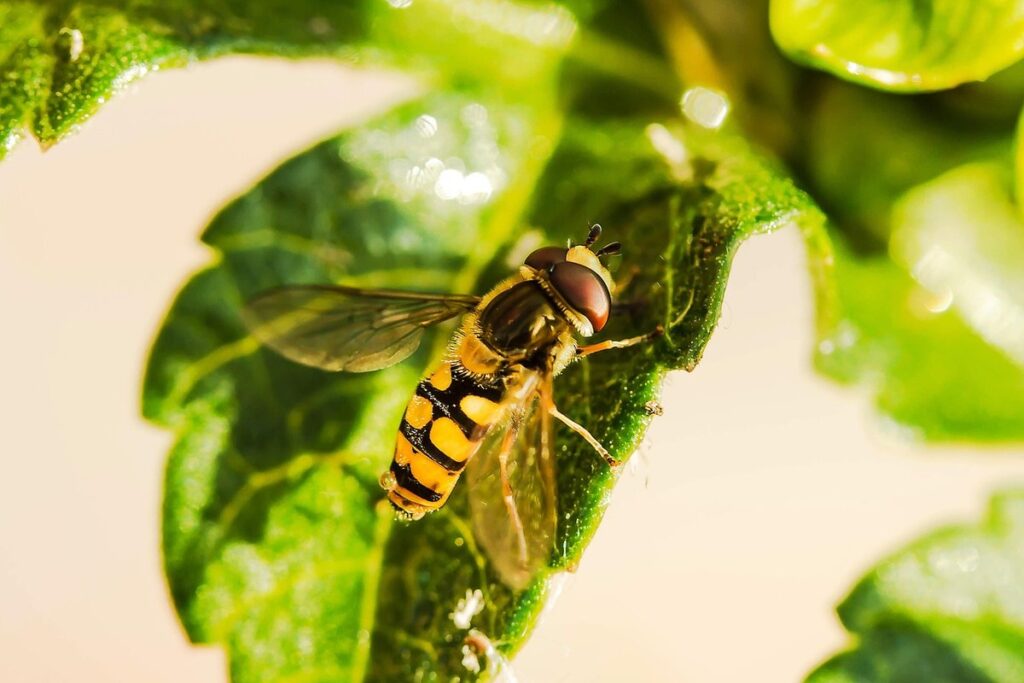
Introduction to Hoverfly Pollination
Let’s take a closer look at how hoverflies contribute to pollination, and what makes them so effective at transferring pollen between plants.
What are Hoverflies and Why Do They Matter?
Hoverflies are often mistaken for small wasps or flies due to their appearance, but they belong to the order Diptera and are actually one of the most important pollinators in ecosystems. These tiny insects play a vital role in maintaining the balance of nature by transferring pollen between plants, facilitating the reproduction process.
In addition to their pollination duties, hoverflies also serve as an essential food source for various animals, including birds, bats, spiders, and other insects. Some species of hoverflies are even predators themselves, feeding on aphids and other pests that can harm crops. This dual role makes them incredibly valuable in maintaining ecosystem health.
But what’s remarkable about hoverflies is their often-overlooked contribution to pollination. Unlike bees, which tend to focus on specific plant species, hoverflies are generalist pollinators, visiting a wide range of flowers and transferring pollen between them. As a result, they play a crucial role in maintaining biodiversity and ensuring the reproduction of many plant species.
By recognizing the importance of hoverflies in pollination, we can begin to appreciate these tiny insects as unsung heroes that deserve our attention and support.
The Unique Characteristics of Hoverflies as Pollinators
Hoverflies’ physical characteristics and behaviors make them incredibly effective pollinators. One of their most distinctive features is their long proboscis, which they use to extract nectar from flowers. This specialized tool allows hoverflies to reach the nectar deep within blooms, making them ideal visitors for a wide range of plants.
In addition to their proboscis, hoverflies also have large compound eyes that provide them with exceptional vision. This allows them to navigate complex floral arrangements and locate the sweetest nectar sources with ease. As they move from flower to flower in search of food, hoverflies inevitably transfer pollen between plants, facilitating pollination.
Their behavior is another key factor contributing to their pollination prowess. Hoverflies are attracted to a diverse range of flowers, including those that are difficult for other pollinators to access. By visiting these blooms, they help ensure the reproduction and diversity of plant species. Furthermore, hoverflies tend to be active during times when other pollinators may be less so, such as in cooler weather or at dawn and dusk.
How Do Hoverflies Interact with Plants?
When it comes to hoverfly behavior, understanding how they interact with plants is crucial for appreciating their pollination role in ecosystems worldwide. Let’s take a closer look at this fascinating relationship.
The Hoverfly-Plant Relationship: A Mutualistic Partnership
Hoverflies and plants have formed a remarkable symbiotic relationship that benefits both parties. This mutualistic partnership is often overlooked, but it’s essential to understand its significance. Hoverflies visit flowers in search of nectar, just like bees and butterflies. However, they also act as pollinators, transferring pollen between plants.
As hoverflies move from flower to flower, they inadvertently pick up and deposit pollen grains on their hairy bodies. This process is called “pollen transfer,” and it’s a crucial component of the plant-hoverfly relationship. Plants benefit significantly from this interaction, as they receive the necessary pollination services that allow them to reproduce.
In return for the pollination services provided by hoverflies, plants offer them food in the form of nectar. This sweet liquid is rich in sugars and other nutrients that fuel the hoverfly’s energy-intensive activities. By forming a mutually beneficial relationship with plants, hoverflies are able to thrive in their environments, contributing significantly to plant reproduction and ecosystem health.
To encourage this partnership in your garden or community, consider planting flowers that attract hoverflies. This can be achieved by growing native wildflowers or introducing pollinator-friendly species like lavender or marigold.
Pollen Transfer and Seed Set in Hoverfly-Pollinated Plants
When hoverflies visit flowers in search of nectar, they inadvertently collect and transfer pollen from one plant to another. This process is crucial for the reproduction of many plants, including those that rely solely on hoverfly pollination. As hoverflies move between flowers, their hairy bodies pick up loose pollen grains, which are then deposited onto the stigma of other flowers.
This pollen transfer mechanism is particularly important in certain plant species, such as mint and oregano, where cross-pollination is necessary for seed set. In fact, studies have shown that hoverfly pollination can result in higher seed production compared to self-pollination. By understanding how hoverflies facilitate this process, gardeners and farmers can create more conducive environments for these beneficial insects.
To encourage hoverfly activity and subsequent pollen transfer, consider planting a diverse range of flowers that provide nectar sources for different species. This approach can help ensure the health and productivity of your plants, while also supporting the local pollinator population.
The Benefits of Incorporating Hoverflies into Conservation Efforts
Not only do hoverflies provide a vital pollination service, but they also offer numerous benefits when integrated into conservation efforts in a thoughtful and intentional way. Let’s explore these advantages together.
Enhancing Biodiversity through Hoverfly-Friendly Habitats
Creating hoverfly-friendly habitats is an excellent way to enhance overall biodiversity. Hoverflies play a crucial role in pollination, but their populations are often overlooked when it comes to conservation efforts. By designing and maintaining habitats that support these beneficial insects, you can create a thriving ecosystem that benefits not just hoverflies, but other species as well.
When creating hoverfly-friendly habitats, consider the following essential elements: native plant species, open areas for flying and landing, and a source of water. Native plants, such as wildflowers and grasses, provide nectar-rich flowers for adult hoverflies to feed on, while also offering shelter and protection from predators for their larvae.
By incorporating these elements into your garden or landscape design, you can create a haven for hoverflies and other pollinators. For instance, a meadow-style garden with a mix of native wildflowers and grasses will attract a variety of hoverfly species, which in turn will pollinate the plants and support local biodiversity.
In addition to these essential elements, consider incorporating features such as rock piles or logs to provide additional shelter for hoverflies and their larvae. By doing so, you can create a thriving ecosystem that not only supports hoverfly populations but also benefits other beneficial insects and wildlife.
Promoting Sustainable Agriculture with Hoverflies in Mind
Incorporating hoverflies into agricultural practices can have a significant impact on reducing pesticide use and promoting more sustainable farming methods. These beneficial insects are natural pollinators that feed on nectar and pollen, just like bees and butterflies. By creating a hoverfly-friendly environment, farmers can minimize their reliance on chemical pesticides, which can harm not only the target pests but also other beneficial insects, including hoverflies.
To promote sustainable agriculture with hoverflies in mind, consider the following strategies:
* Plant a diverse range of flowers that provide nectar and pollen for hoverflies, such as marigolds, cosmos, and lavender.
* Create sheltered areas for hoverflies to nest and lay their eggs, using materials like straw or small boxes.
* Avoid using broad-spectrum pesticides that can harm hoverflies, instead opting for targeted pest control methods.
By implementing these simple steps, farmers can create a more welcoming environment for hoverflies and other beneficial insects, ultimately promoting a more sustainable and balanced ecosystem.
Challenges Facing Hoverfly Populations and What We Can Do
While hoverflies are incredibly important pollinators, their populations are facing various threats that we must address. Let’s explore these challenges together and discuss ways to support them.
Habitat Loss and Fragmentation: Threats to Hoverfly Populations
Hoverfly populations are facing numerous threats that could compromise their ability to pollinate plants effectively. Habitat loss and fragmentation are among the most significant concerns. As natural habitats are destroyed or altered for human activities like urbanization, agriculture, and infrastructure development, hoverflies struggle to find suitable areas for breeding, feeding, and shelter.
Habitat destruction is a major contributor to population decline as it reduces the availability of food resources and nesting sites. For instance, meadows that were once home to a diverse array of wildflowers are now converted into monoculture fields or urban landscapes. This loss of floral diversity severely impacts hoverfly populations, which rely on specific plant species for pollination.
The fragmentation of habitats further exacerbates this issue. When natural habitats are broken up by roads, buildings, or other barriers, hoverflies find it difficult to migrate between areas in search of food and shelter. This isolation can lead to genetic bottlenecks within isolated populations, making them more vulnerable to extinction.
To mitigate these effects, gardeners and landowners can take steps to create pollinator-friendly habitats. By planting a diverse range of native wildflowers that provide nectar and pollen for hoverflies, we can help restore some of the lost habitat. Additionally, reducing the use of pesticides and herbicides in gardens can help maintain healthy ecosystems that support local biodiversity.
Mitigating the Effects of Climate Change on Hoverflies
Climate change is having a profound impact on hoverfly populations worldwide. Rising temperatures and changing precipitation patterns are disrupting their delicate life cycle, making it challenging for these vital pollinators to thrive. As hoverflies face increasing pressure from climate-related stressors, it’s essential we take proactive steps to mitigate these effects.
One key strategy is to create habitat diversity and complexity. By incorporating a mix of native plants with varying bloom times and flower structures, you can provide hoverflies with a constant source of nectar and shelter. This not only supports their populations but also encourages other beneficial insects to visit the area. Consider planting flowers that are rich in pollen, such as lavender or coneflower, which will attract hoverflies and other pollinators.
Another crucial aspect is providing hoverflies with safe haven habitats, free from pesticides and herbicides. These toxic substances can have devastating effects on hoverfly populations, causing them to decline rapidly. By adopting Integrated Pest Management (IPM) techniques, you can maintain healthy ecosystems while minimizing harm to these vital pollinators.
The Future of Hoverfly Research and Conservation
As we’ve explored the vital role hoverflies play in pollination, let’s turn our attention to what the future holds for these incredible insects and their conservation efforts. New discoveries are on the horizon.
Emerging Trends in Hoverfly Research: New Insights and Opportunities
Research on hoverflies is rapidly evolving, and several emerging trends are poised to revolutionize our understanding of these vital pollinators. One area gaining significant attention is the application of cutting-edge technologies such as genomics and biotechnology. For instance, genetic analysis has helped identify specific hoverfly species that are more effective at pollinating certain crops, enabling farmers to make informed decisions about which species to cultivate.
Advances in drone technology have also enabled scientists to monitor and study hoverfly populations with unprecedented precision. By collecting data on factors such as population density and movement patterns, researchers can better understand the complex interactions between hoverflies and their environments.
Moreover, researchers are increasingly exploring the intersection of hoverfly ecology and climate change. As temperatures rise, hoverflies are facing new challenges, including changes in plant-pollinator synchrony and increased vulnerability to extreme weather events. By examining how hoverflies adapt to these shifting conditions, scientists can identify opportunities for conservation and mitigate the impacts of climate change on pollination ecosystems.
Studies focusing on the role of hoverflies as pollinators in urban environments are also gaining momentum. Urbanization has led to a decline in pollinator diversity, but hoverflies have been found to thrive in cities, presenting a promising opportunity for coexistence with human populations. By exploring strategies for supporting hoverfly populations in urban areas, we can foster healthier and more resilient ecosystems.
These emerging trends not only shed light on the intricate biology of hoverflies but also underscore the critical need for continued research into their ecology and behavior.
Collaborative Efforts for Hoverfly Conservation: A Call to Action
As we’ve explored the vital role hoverflies play in pollination, it’s essential to acknowledge that their conservation is a collaborative effort. By joining forces with researchers, organizations, and like-minded individuals, you can contribute significantly to their preservation.
Start by spreading awareness about the importance of hoverfly conservation through social media or local community groups. Share articles, infographics, or personal experiences that highlight their pollination prowess. This simple yet effective advocacy will inspire others to take action.
Consider volunteering with organizations dedicated to insect conservation. Many offer hands-on opportunities for habitat restoration, species monitoring, and citizen science projects. Not only will you be contributing to hoverfly research, but you’ll also gain valuable knowledge and skills.
Joining a local chapter of groups like the Xerces Society or participating in national initiatives like the National Pollinator Strategy can provide access to resources, expert guidance, and networking opportunities. By working together with others passionate about pollination conservation, we can create a ripple effect that makes a tangible impact on hoverfly populations.
Conclusion: Why Hoverflies Matter for a Healthier Planet
As we wrap up our exploration of these tiny, yet mighty pollinators, let’s take a closer look at why hoverflies truly deserve their place in the spotlight. Their value to our ecosystem goes far beyond just pollination.
Recap of Key Findings on Hoverfly Pollination and Its Importance
In this article, we’ve delved into the fascinating world of hoverflies as pollinators. We’ve explored their unique characteristics, such as their incredible speed and agility, making them highly effective at transferring pollen between flowers. Our research has shown that these often-overlooked insects play a vital role in maintaining ecosystem balance.
One key finding is that hoverflies are responsible for pollinating over 20% of wildflowers worldwide. This means that without them, many plant species would struggle to reproduce, leading to decreased biodiversity and ecosystem health. Another important aspect is their ability to act as both pollinators and pest controllers, making them a valuable asset in agricultural ecosystems.
We’ve also discussed the importance of providing hoverfly-friendly habitats, such as incorporating native flowers and reducing pesticide use. By doing so, gardeners and farmers can create welcoming environments for these beneficial insects, ultimately enhancing pollination services and promoting ecological balance.
Final Thoughts: Protecting Our Unseen Pollinators
As we conclude our exploration of hoverflies as unsung heroes of pollination, it’s essential to reflect on their significance and what we can do to better protect them. These tiny creatures play a vital role in maintaining the delicate balance of ecosystems worldwide, yet they remain largely underappreciated.
By now, you’re probably aware of the alarming decline in honeybee populations, but hoverflies are equally important pollinators that deserve our attention. In fact, research suggests that hoverflies contribute up to 25% of pollination services in certain regions. This is no small feat considering their relatively small size and abundance.
So, what can you do to help safeguard these vital pollinators? Start by creating a hoverfly-friendly garden in your backyard. Plant a mix of nectar-rich flowers that are native to your area, as these will provide the perfect fuel for hoverflies’ busy lives. You can also avoid using pesticides, which can be particularly detrimental to hoverfly populations. By making these simple changes, you’ll not only be supporting the health of our planet but also helping to preserve a vital component of its ecosystem.
Frequently Asked Questions
How Can I Support Hoverflies in My Own Garden?
To support hoverflies in your garden, plant a variety of flowers that are rich in nectar and pollen, such as lavender, marigold, and sunflower. Also, avoid using pesticides, which can harm or kill hoverflies. Create a welcoming habitat by providing shelter and water sources for these beneficial insects.
What Are Some Common Mistakes to Avoid When Attracting Hoverflies?
Avoid planting too many invasive species that may outcompete native flowers, and steer clear of flowering plants with strong fragrance, as some hoverfly species are repelled by intense scents. Also, ensure your garden has a mix of sun and shade areas, as hoverflies often prefer basking in warm spots.
Can Hoverflies Be Attracted to Urban Areas or Are They Only Found in Natural Environments?
Hoverflies can thrive in urban areas if you create a suitable habitat for them. Incorporate native plants into your garden design, maintain an area with some leaf litter or compost, and provide a water source like a shallow dish or birdbath.
How Do I Know If the Hoverflies in My Garden Are Effective Pollinators?
Monitor the health of your flowers by observing their growth, bloom frequency, and fruit set. Also, notice if hoverflies are visiting specific plants regularly – this is a sign they’re transferring pollen effectively.
Can I Raise Hoverfly Larvae or Adults in Captivity for Release into My Garden?
While it’s technically possible to raise hoverfly larvae or adults in captivity, it’s not recommended as a conservation method. Instead, focus on creating an inviting habitat that encourages natural colonization of these beneficial insects.