
If you’re a gardener looking for a natural way to control pests, you’ve probably heard whispers about the importance of beneficial insects. One often overlooked hero in this fight is the parasitic wasp. These tiny creatures are stealthy hunters that infiltrate pest colonies, targeting the very problem they can’t survive without. The great thing about parasitic wasps is that they do their job without harming your garden’s ecosystem – a welcome respite from chemical pesticides that can leave long-lasting damage. But how exactly do you attract and identify these pesky-but-helpful insects? In this article, we’ll delve into the world of parasitic wasps in gardens, exploring their role as natural pest controllers and providing tips on how to welcome them into your outdoor space.
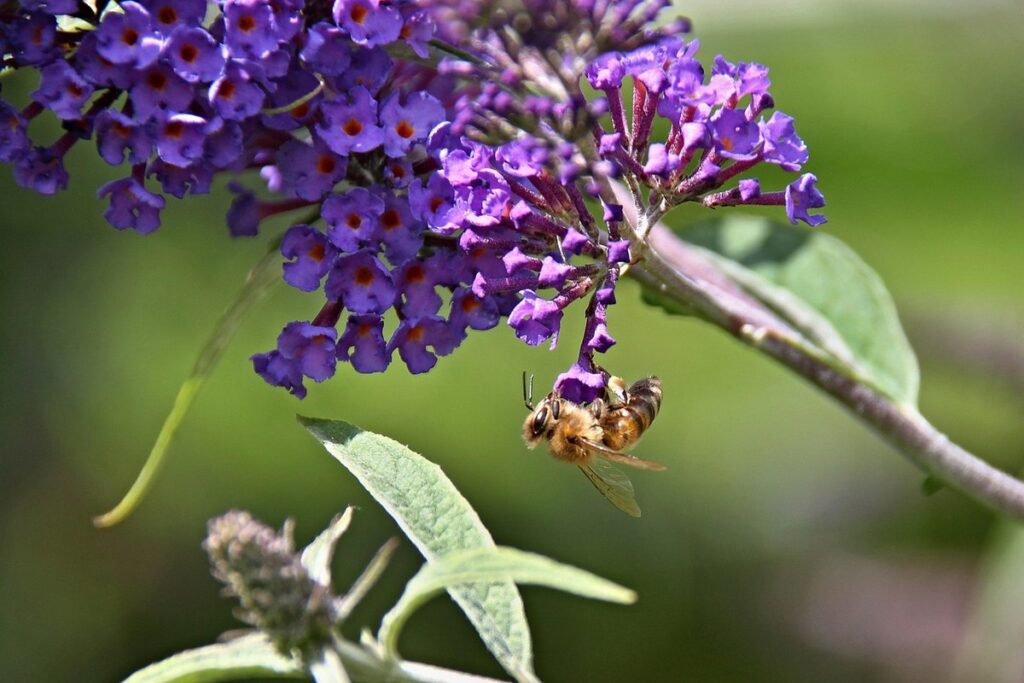
What are Parasitic Wasps and Why Should You Care?
Let’s dive into the fascinating world of parasitic wasps, tiny heroes that can save your garden from pests without harming it. We’ll explore why these beneficial insects are worth getting to know.
Types of Parasitic Wasps Found in Gardens
When it comes to parasitic wasps in gardens, there are several species you might encounter. One of the most common types is the Trichogramma wasp, which is often introduced into gardens as a biological control agent. These tiny wasps (around 1-2 mm in length) lay their eggs inside the eggs of pests like caterpillars and sawflies, ensuring that the next generation of garden pests doesn’t stand a chance.
Another common parasitic wasp species found in gardens is the Cotesia glomerata. These wasps are known for targeting aphids, whiteflies, and other sap-sucking insects. They’re relatively large compared to Trichogramma, measuring around 6-8 mm in length, and have a distinctive black and yellow color pattern.
In contrast, the Eadya parasitic wasp is much smaller (around 2-3 mm) and has a more slender body shape. These wasps are often found near plants with high aphid populations and feed on the aphids’ reproductive organs, disrupting their ability to reproduce.
It’s worth noting that not all parasitic wasps are beneficial in gardens; some species can even be considered pests themselves! To ensure you’re attracting beneficial parasitic wasps, focus on creating a balanced ecosystem by incorporating a diverse range of plants, using natural pest control methods, and avoiding broad-spectrum pesticides.
The Importance of Parasitic Wasps in Ecosystem Balance
Parasitic wasps play a vital role in maintaining a balanced ecosystem in your garden. By controlling pest populations, they help prevent infestations that can damage plants and reduce yields. For example, certain species of parasitic wasps prey on aphids, whiteflies, and caterpillars, which are notorious for spreading diseases and devouring leaves. Without these beneficial insects, your garden would be more susceptible to pests.
In addition to controlling pests, parasitic wasps also contribute to pollination. Some species visit flowers in search of nectar, transferring pollen and facilitating the reproduction of plants. This is especially true for plants like tomato and pepper, which rely heavily on pollinators for seed production.
To encourage parasitic wasp populations in your garden, create a diverse landscape with a mix of native flowers that provide nectar and host plants for these insects. By doing so, you’ll be supporting the delicate balance of ecosystem services that keep your garden healthy and thriving.
Identifying Parasitic Wasps: A Guide for Gardeners
When identifying parasitic wasps, gardeners need to look for small, usually metallic-colored bodies and long, narrow waists that distinguish them from other beneficial insects. This unique appearance is key to their identification.
Physical Characteristics of Parasitic Wasps
When it comes to identifying parasitic wasps in your garden, being able to distinguish them from other insects is crucial. One of the key physical characteristics that set parasitic wasps apart is their slender body shape and long legs. Unlike bees or butterflies, which tend to have a more rounded abdomen and stout bodies, parasitic wasps have elongated abdomens and spindly legs that allow them to move quickly through plants.
In terms of coloration, parasitic wasps are often duller and less vibrant than other insects in the garden. You’re unlikely to spot a brightly colored or striped parasitic wasp flitting about your flowers. Instead, they tend to be a mottled brown or gray, which helps them blend in with their surroundings.
Wing patterns can also provide clues when it comes to identifying parasitic wasps. These insects typically have transparent wings or wings with distinctive veins that give them a delicate appearance. Some species may have a slight sheen to their wings, but overall, they tend to be less showy than other winged insects in the garden.
By paying attention to these physical characteristics, you’ll become more adept at spotting parasitic wasps in your garden and appreciating their unique features.
Behavior and Habitat Preferences
When it comes to spotting parasitic wasps in your garden, understanding their behavior and habitat preferences is crucial. These beneficial insects are usually active during the warmer months of the year, typically from spring to fall, depending on the region’s climate.
Parasitic wasps can be found in various areas of the garden, including near flowers, shrubs, and trees. They often congregate around sources of food, such as aphid colonies or insect eggs. To observe them without harming them, try visiting your garden during early morning or late afternoon when they are most active.
Look for these wasps near plants with white or yellow blooms, as they are attracted to nectar-rich flowers. Be cautious not to disturb them, as parasitic wasps can become aggressive when threatened. Instead, observe from a safe distance and take note of their behavior, such as their movement patterns and social interactions.
When identifying parasitic wasps, pay attention to their nesting habits. Some species build paper-like nests, while others use pre-existing cavities or plant fibers to create their homes. By understanding these habits, you can better appreciate the role these insects play in maintaining a balanced ecosystem within your garden.
Attracting Parasitic Wasps to Your Garden
To attract parasitic wasps to your garden, you’ll want to create a welcoming environment by planting flowers that offer nectar and shelter from pests. This will draw them in for a beneficial visit.
Creating a Welcoming Environment for Parasitic Wasps
Creating a welcoming environment for parasitic wasps in your garden is crucial to attract these beneficial insects and reap their rewards. One of the key ways to entice them is by planting specific flowers and herbs that provide nectar, which serves as their primary food source. Consider adding coneflowers (Echinacea spp.), cosmos (Cosmos bipinnatus), and lavender (Lavandula spp.) to your garden, as these flowers are rich in nectar and attract parasitic wasps.
In addition to providing a constant supply of nectar, it’s essential to create sheltered areas for the wasps. Parasitic wasps often nest in protected spots such as under eaves, behind shutters, or within hollow plant stems. You can create similar shelters by leaving some areas of your garden untidy and unpruned, allowing native vegetation to grow freely.
By incorporating these plants and creating sheltered spaces, you’ll be inviting parasitic wasps to make your garden their home, where they can thrive and effectively control pest populations.
Minimizing Harmful Pesticide Use
When it comes to attracting parasitic wasps to your garden, minimizing harmful pesticide use is crucial. These beneficial insects play a vital role in controlling pest populations, but unfortunately, many pesticides can harm or kill them.
Neonicotinoids, in particular, are known to be toxic to parasitic wasps. These chemicals are commonly found in seed treatments and have been linked to widespread decline of pollinator populations, including parasitic wasps. To reduce their use, consider opting for neonicotinoid-free seeds or treating your own seeds at home using safer alternatives.
Another strategy is to adopt integrated pest management (IPM) techniques. This approach involves monitoring your garden regularly and taking action only when necessary. By understanding the life cycles of common pests and using targeted control methods, you can reduce your reliance on pesticides altogether.
When you do need to use pesticides, choose those that are specifically labeled as “parasite-friendly” or “pollinator-safe.” Some examples include pyrethrin-based products or insecticidal soap. Always follow the product instructions carefully and apply them at the recommended rates to minimize harm to beneficial insects like parasitic wasps.
Benefits of Parasitic Wasps in Controlling Garden Pests
Parasitic wasps are nature’s superheroes when it comes to controlling garden pests, and understanding their benefits is key to a balanced ecosystem. Let’s dive into how these beneficial insects keep our gardens healthy.
Natural Pest Control through Parasitic Wasp Larvae
When it comes to natural pest control, parasitic wasp larvae are among the most fascinating and effective solutions. Female parasitic wasps play a crucial role in this process by laying their eggs inside pest insects. This is where the magic happens: when the eggs hatch, they release larvae that feed on the host from the inside out.
This process might sound gruesome, but it’s actually an efficient way to control garden pests without harming the environment or human health. For instance, certain species of parasitic wasps prey on aphids, whiteflies, and caterpillars – common pests that can decimate a garden in no time. The female wasp will target a vulnerable pest, inject her egg into its body, and seal it off with a special substance.
As the larva grows inside the host, it slowly consumes the pest’s internal organs before eventually killing it. This process is usually completed within days or weeks, depending on the species of parasitic wasp involved. By introducing these beneficial insects to your garden, you can create a self-sustaining ecosystem that naturally regulates pest populations.
Examples of Common Garden Pests Controlled by Parasitic Wasps
One of the most significant advantages of having parasitic wasps in your garden is their ability to control common pests. These beneficial insects are a natural solution for many gardeners who struggle with aphids and caterpillars. For instance, certain species of parasitic wasps, such as Aphidius ervi, specialize in targeting aphids, injecting them with eggs that eventually kill the aphid from the inside out.
Similarly, other types of parasitic wasps prey on caterpillars, including those that feed on tomato plants and other valuable crops. By introducing these beneficial insects into your garden ecosystem, you can expect to see a significant reduction in pest populations over time. This is especially true when combined with integrated pest management strategies that minimize chemical use.
In practice, this means creating a welcoming environment for parasitic wasps by planting nectar-rich flowers that provide them with the energy they need to hunt and breed.
How to Support Parasitic Wasp Populations in Your Garden
To create a welcoming environment for parasitic wasps, consider providing host plants that cater specifically to their needs and natural predators. This will encourage them to stay and thrive.
Providing Shelter and Food Sources
When it comes to supporting parasitic wasp populations in your garden, providing sheltered areas for nesting and reliable food sources is crucial. These tiny insects play a vital role in controlling pest populations, but their colonies often go unnoticed until they’re established.
To encourage parasitic wasps to nest in your garden, incorporate native plants with dense foliage or shrubs that offer protection from the elements. A south-facing wall or rock outcropping can provide an ideal location for these wasps to establish their colonies. Consider adding a few bee hotels or insect houses specifically designed for solitary wasps.
In terms of food sources, parasitic wasps rely on aphids, whiteflies, and other soft-bodied insects as larvae. Planting nectar-rich flowers like lavender, cosmos, or marigolds can attract these pests, which in turn will provide a steady food source for the wasp population. Keep your garden diverse by incorporating plants that bloom at different times to ensure a constant supply of nectar and pollen throughout the growing season. By creating a welcoming environment for parasitic wasps, you’ll be supporting their life cycle and helping them thrive in your garden.
Avoiding Pesticide Use during Parasitic Wasp Activity Periods
When using pesticides in your garden, timing is crucial, especially during periods of parasitic wasp activity. These beneficial insects play a vital role in controlling pest populations, and killing them off at the wrong time can be devastating to their colonies.
Parasitic wasps typically emerge from their eggs or hibernation in late spring to early summer, depending on the species. This is when they are most active, searching for hosts to lay their own eggs inside. If you use pesticides during this critical period, you risk killing off a significant portion of your parasitic wasp population.
For example, if you apply a broad-spectrum insecticide in late spring, it may kill off an entire generation of parasitic wasps just as they are beginning to emerge. This can have lasting effects on the colony’s population dynamics and potentially allow pest populations to rebound.
To avoid harming parasitic wasp populations during these periods, try to schedule pesticide applications for when the wasps are least active or when their eggs are not present in large numbers. Wait until the adult wasps have completed their lifecycle and laid their own eggs before introducing pesticides into your garden ecosystem.
Common Misconceptions about Parasitic Wasps
Many people fear parasitic wasps, but some misconceptions about these insects can actually harm your garden more than help. Let’s set the record straight on a few common myths surrounding parasitic wasps.
Separating Fact from Fiction: Debunking Common Myths
When it comes to parasitic wasps, there are several common misconceptions that can be detrimental to their reputation and our understanding of these beneficial insects. One such myth is that parasitic wasps are responsible for sting injuries. This couldn’t be further from the truth. Most parasitic wasps do not have a stinger, or if they do, it’s very small and only used for inserting eggs into the host insect.
Another misconception is that parasitic wasps are pests in gardens, competing with plants for resources. In reality, these wasps play a crucial role in maintaining ecological balance by controlling pest populations, particularly aphids, whiteflies, and caterpillars. By preying on these pests, parasitic wasps prevent them from spreading diseases to plants.
Some gardeners also believe that killing parasitic wasps will solve their gardening problems. However, this approach is misguided. Parasitic wasps are not the primary cause of pest infestations; they’re simply a symptom of an underlying issue. By introducing parasitic wasp-friendly plants and habitats into your garden, you can encourage these beneficial insects to stay.
Here are some practical tips for creating a welcoming environment for parasitic wasps in your garden:
* Plant a diverse range of flowers that provide nectar and pollen, such as sunflowers, zinnias, and cosmos.
* Incorporate host plants that cater to the specific needs of parasitic wasp species you want to attract.
* Provide sheltered areas with dense vegetation or nesting sites for parasitic wasps to rest and lay eggs.
By understanding and addressing these common misconceptions, we can promote a more harmonious relationship between gardeners and parasitic wasps. By embracing these beneficial insects, we can create a healthier, more balanced ecosystem that benefits both plants and humans alike.
Frequently Asked Questions
What are the ideal conditions for parasitic wasp habitats?
Parasitic wasps prefer areas with moderate temperatures between 64°F to 90°F (18°C to 32°C) and high humidity, typically near water sources or moist soil. Providing sheltered spots like shrubs, trees, or rock piles can help them thrive in your garden.
Can I use pesticides while still attracting parasitic wasps?
While it’s possible to coexist with beneficial insects and pesticides, frequent use of chemical pesticides can harm or repel parasitic wasps. Instead, adopt integrated pest management strategies that minimize pesticide use during peak parasitic wasp activity periods (usually spring and summer).
How long does it take for parasitic wasps to control garden pests?
The time frame varies depending on the specific species, pest population density, and environmental conditions. However, some parasitic wasps can start reducing pest populations within a few weeks of introduction, while others may require longer periods (up to 6-8 weeks) to achieve significant control.
Can I release non-native parasitic wasp species in my garden?
No, it’s not recommended to introduce non-native parasitic wasp species into your garden. Non-native insects can potentially disrupt local ecosystems and cause unintended harm to native beneficial insects or plants. Instead, focus on attracting native parasitic wasp species that are well-suited to your region.
How do I ensure parasitic wasps have a stable food source in my garden?
Parasitic wasps primarily feed on nectar and pollen from flowers rich in sugar and protein sources (e.g., sunflowers, zinnias, or cosmos). Plant a diverse range of flowering plants that provide constant nectar flow throughout the growing season to support parasitic wasp populations.