
Are you tired of using chemical pesticides in your garden, only to see them have limited effects on pests? You’re not alone. Many gardeners struggle with finding effective and natural ways to control pests without harming the environment. That’s where ladybugs come in – these tiny insects are a gardener’s best friend when it comes to pest control. Not only do they feed on aphids, whiteflies, and other garden pests, but they also help pollinate plants as they go about their business. In this article, we’ll explore the benefits of having ladybugs in your garden, from natural pest control to pollination assistance, and show you how to attract these beneficial insects with ease.
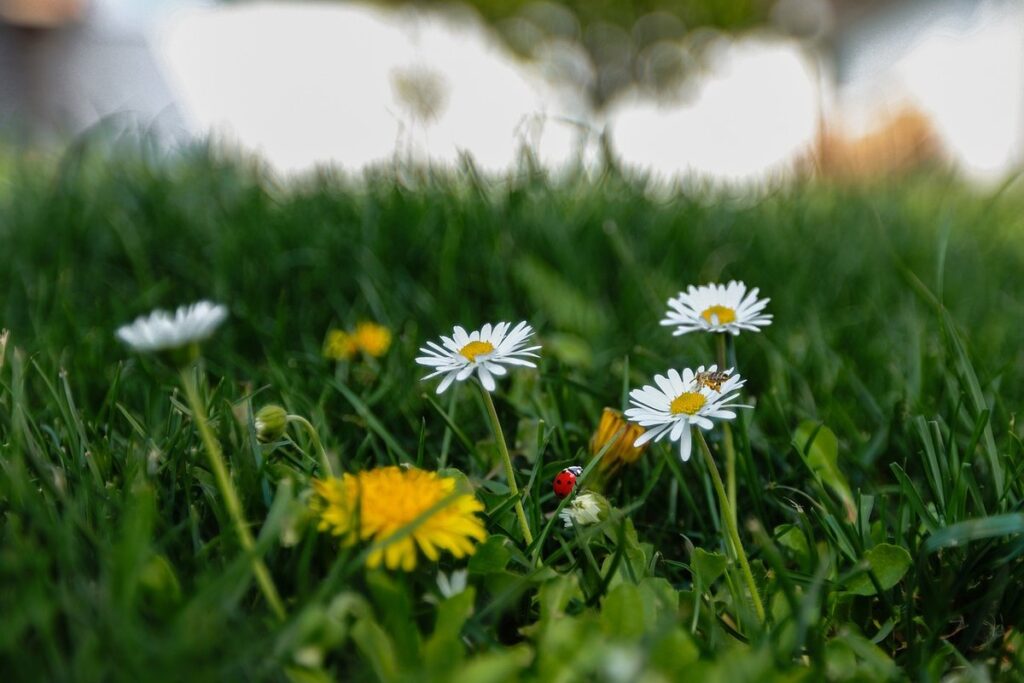
Introduction to Ladybugs
Ladybugs are some of the most recognizable and beloved garden visitors, and understanding their basics is crucial for harnessing their benefits. Let’s start by exploring what ladybugs are and why they’re so important in our gardens.
What are Ladybugs?
Ladybugs are one of the most recognizable and beloved insects in gardens worldwide. Also known as lady beetles or ladybird beetles, these tiny creatures have been a delight to gardeners for centuries. But where did their common name originate? The term “ladybug” is believed to have originated from the Middle English word “ladei bugge,” which refers to the beetle’s red and black coloration resembling a medieval lady’s dress.
From a scientific standpoint, ladybugs belong to the family Coccinellidae. With over 6,000 known species worldwide, these beetles are divided into several subfamilies, including the Coccinellinae, Scymninae, and Chilocorinae. Despite their small size, ladybugs have an enormous impact on garden ecosystems. They feed on aphids, mealybugs, and other pests that can damage plants, making them a valuable asset to any garden. In the next section, we’ll explore the various benefits of having ladybugs in your garden and how you can attract these beneficial insects to your outdoor space.
Importance of Ladybugs in Gardens
Ladybugs are often overlooked as crucial components of a healthy garden ecosystem. However, their importance cannot be overstated, especially when it comes to natural pest control. These tiny insects play a vital role in maintaining the balance between beneficial and detrimental insects in gardens.
As natural predators, ladybugs feed on aphids, whiteflies, mealybugs, and other pests that can cause significant damage to plants. A single ladybug can consume up to 60 aphids per hour, making them an essential part of integrated pest management (IPM) strategies. By controlling pest populations, ladybugs help reduce the need for chemical pesticides, which can harm beneficial insects, pollinators, and even humans.
To attract more ladybugs to your garden, consider planting nectar-rich flowers that provide a constant food source. Incorporate native plants and avoid using broad-spectrum pesticides, as these can harm or repel ladybugs. By welcoming these beneficial insects, you’ll be creating a thriving ecosystem where they can play their crucial role in maintaining the balance of nature.
Types of Ladybugs Found in Gardens
You might be surprised by the variety of ladybug species that call your garden home, each with their own unique characteristics and traits. Let’s take a closer look at some common types found in gardens worldwide.
Common Species of Ladybugs
When you step into your garden, it’s not uncommon to spot some familiar friends flitting about among the flowers and leaves. These tiny insects are none other than ladybugs, and they’re a common sight in many gardens around the world. But did you know that there are several species of ladybugs found in gardens, each with its own unique characteristics?
One of the most recognizable species is the Seven-spotted Lady Beetle (Coccinella septempunctata). These little beetles are known for their bright red and black bodies, which often feature seven distinctive white spots. They’re an important predator in the garden ecosystem, feeding on aphids and other small insects that can cause damage to plants.
Another common species is the Convergent Lady Beetle (Hippodamia convergens). These ladybugs are also known for their striking red and black coloration, but they have a distinctive Y-shaped white marking on their back. Like their seven-spotted cousins, they’re voracious predators that feed on aphids and other pests.
If you want to attract these beneficial insects to your garden, consider planting flowers that are rich in nectar and pollen, such as sunflowers or zinnias. Also, avoid using pesticides, which can harm ladybugs and other beneficial insects. By creating a welcoming environment for these tiny friends, you’ll be rewarded with a healthy and balanced ecosystem that’s teeming with life!
Rare or Exotic Ladybug Species
Beyond the common ladybug species you’re familiar with, gardens can also harbor rare or exotic varieties. These unusual creatures are often overlooked but possess unique characteristics that make them worth noting.
Some of these rare species include the 24-spotted ladybug (Psyllobora vigintimaculata) and the seven-spot ladybird (Coccinella septempunctata). The 24-spotted ladybug, native to North America, boasts its distinctive dark brown or black elytra with bright yellow spots. Its unique appearance makes it stand out from more common species.
Another example is the multicolored Asian lady beetle (Harmonia axyridis), also known as the harlequin bug. While not entirely exotic in its introduced range, this ladybug displays a wide variety of colors and patterns, making each individual distinct.
If you’re lucky enough to spot these rare ladybugs, consider yourself privileged. Since they may be less tolerant of pesticides or other human interventions, observe them from a safe distance without disturbing their natural habits.
Benefits of Having Ladybugs in Your Garden
Ladybugs bring numerous benefits to your garden, making them a welcome and valuable addition to any outdoor space. In this section, we’ll explore the advantages of having ladybugs around.
Natural Pest Control
One of the most significant benefits of having ladybugs in your garden is their natural pest control abilities. These beneficial insects feed on aphids, whiteflies, and scale insects, which are common pests that can damage plants and spread diseases. Ladybugs are particularly effective against aphid populations, as a single ladybug can consume up to 60 aphids per hour.
By controlling these pest populations, ladybugs help maintain a balanced ecosystem in your garden. This balance is essential for the overall health of your plants, as overpopulation of pests can lead to severe damage and even plant death. Having ladybugs in your garden also encourages biodiversity, which is crucial for a healthy and resilient ecosystem.
To attract more ladybugs to your garden, plant a diverse range of flowers that are rich in nectar and pollen. These beneficial insects are particularly attracted to marigolds, sunflowers, and zinnias. By creating a welcoming environment for ladybugs, you’ll not only enjoy their natural pest control benefits but also contribute to the overall health and balance of your garden ecosystem.
Pollination Assistance
While ladybugs are often associated with predating aphids and other garden pests, they also play a crucial role in pollination. Although they don’t collect nectar like bees do, ladybugs can transfer pollen between flowers as they feed on sap and nectar. This process is known as “pollen transport” or “indirect pollination.”
As ladybugs move from flower to flower in search of food, they inadvertently pick up pollen grains from one plant and deposit them onto the stigma of another. While this may not be as efficient as direct pollination by bees and other specialized pollinators, it still contributes significantly to the reproduction of flowering plants.
In fact, research has shown that ladybugs can transfer pollen between flowers at a rate similar to some species of bees. This is especially beneficial for plants with low nectar levels or those that are not typically visited by more specialized pollinators. By incorporating ladybugs into your garden ecosystem, you can enhance the overall pollination process and support a wider variety of plant species.
How to Attract Ladybugs to Your Garden
Attracting ladybugs to your garden is easier than you think, and by implementing a few simple strategies, you can create a haven for these beneficial insects. Learn how!
Plant Selection for Ladybug Habitat
When it comes to creating a ladybug-friendly habitat in your garden, selecting the right plants is crucial. Ladybugs are attracted to flowers with strong scents and those that produce aphids and other beneficial insects.
Start by incorporating herbs like mint, lavender, and rosemary into your garden. These fragrant flowers not only repel pests but also attract a variety of beneficial insects, including ladybugs. Marigolds, sunflowers, and zinnias are also excellent choices, as they produce nectar that ladybugs love to feed on.
On the other hand, plants like dill, fennel, and angelica are perfect for attracting aphids and other beneficial insects that ladybugs prey on. These plants can be strategically placed near areas where ladybug populations tend to congregate.
When choosing plants, remember that diversity is key. Incorporate a mix of annuals and perennials, as well as flowers with different bloom times, to create a dynamic and attractive environment for your garden’s beneficial insects.
Avoiding Pesticides and Insecticides
When it comes to attracting ladybugs to your garden, it’s essential to create a welcoming environment for these beneficial insects. Unfortunately, many common gardening practices can actually harm or repel ladybugs. Pesticides and insecticides are prime examples of substances that can have devastating effects on ladybug populations.
These chemicals not only kill the pests they’re intended to control but also decimate beneficial insects like ladybugs, which play a crucial role in maintaining ecosystem balance. Ladybugs are particularly vulnerable to pyrethroid-based pesticides, which can cause respiratory distress and even death. Insecticides, such as neonicotinoids, have been shown to alter the behavior of ladybugs, making them less likely to visit your garden.
To create a ladybug-friendly haven in your garden, it’s time to ditch the chemicals and opt for natural pest control methods instead. Consider introducing beneficial insects like lacewings or parasitic wasps, which prey on common pests like aphids and caterpillars. Encourage biodiversity by planting a variety of flowers that attract pollinators and provide shelter for ladybugs.
Ladybug Life Cycle and Behavior
To fully appreciate these beneficial insects, let’s take a closer look at how ladybugs live their lives, from egg to adult, and what influences their behavior in your garden.
Egg Stage
When it comes to understanding the life cycle of ladybugs, the egg stage is a crucial part that sets the foundation for their future development. Female ladybugs are responsible for laying eggs, and they usually do so on surfaces that provide protection from predators and harsh environmental conditions. These include the underside of leaves, stems, and even the bark of trees.
Female ladybugs typically lay between 10 to 50 eggs at a time, depending on factors like food availability and weather conditions. The egg-laying process is often triggered by the female’s instinct to reproduce, which can occur multiple times during her lifespan. When choosing a location for oviposition, females tend to prefer spots that are close to their food sources, as this ensures that the larvae will have access to a readily available supply of aphids or other small insects.
If you’re looking to attract ladybugs to your garden and encourage them to lay eggs in a safe environment, consider planting a diverse range of flowers and herbs that provide nectar and pollen. This can not only support the ladybugs’ dietary needs but also create an ideal spot for them to lay their eggs.
Larval and Adult Stages
As ladybugs undergo their life cycle, they go through distinct stages of development. The larval stage is a crucial part of this process, where the young ones feed and grow before metamorphosing into adults. Ladybug larvae are often referred to as “instars” or “spittle bugs,” due to their habit of covering themselves with a frothy, protective layer.
During this stage, ladybug larvae feed on plant-based foods, typically aphids, scale insects, and other small pests that can damage your garden. They have a voracious appetite and can consume large quantities of these unwanted insects, making them beneficial for controlling pest populations in the garden.
As they grow, ladybug larvae molt several times before eventually pupating and emerging as adult ladybugs. Adult ladybugs are recognizable by their distinctive red and black coloration, with white spots on their backs. They have a more complex behavior compared to their larval counterparts, engaging in activities like mating, foraging, and even migrating between seasons.
It’s essential to create a welcoming environment for these beneficial insects, providing shelter, food, and water sources that can sustain them throughout the different stages of their life cycle.
Tips for Raising Ladybugs in Your Garden
To maximize the benefits of these beneficial insects, consider learning how to attract and raise ladybugs in your garden using a few simple tips and techniques. This can ensure a steady population all season long.
Creating a Ladybug-Friendly Environment
Creating a ladybug-friendly environment is essential to attracting these beneficial insects to your garden. When it comes to providing shelter for ladybugs, consider incorporating native vegetation, rocks, and logs into your landscape. Ladybugs often hide under leaf litter or debris during the winter months, so leaving some areas of your garden unmanicured can be beneficial.
In addition to shelter, ladybugs require food sources to thrive in your garden. Incorporate plants that are rich in nectar, such as marigolds, sunflowers, and zinnias, into your landscape. These flowers not only attract adult ladybugs but also provide a source of food for their larvae.
To further encourage ladybug activity in your garden, avoid using pesticides, which can harm these beneficial insects. Instead, adopt integrated pest management techniques that prioritize natural methods of controlling pests. By creating a welcoming environment for ladybugs, you’ll be rewarded with a decrease in pest populations and an increase in the overall health of your garden.
Monitoring and Protecting Ladybug Populations
Monitoring ladybug populations is crucial to maintaining their health and ensuring they continue to thrive in your garden. This involves tracking their numbers over time to identify trends and potential issues. You can do this by setting up a few observation points around the garden, such as near food sources or sheltered areas. Make note of the number of ladybugs present at each location, taking into account factors like weather conditions and seasonal changes.
Regularly inspect your garden for signs of threats to ladybug populations, including pests that prey on them like lacewings and parasitic wasps. Keep an eye out for invasive species that could compete with ladybugs for resources or alter the ecosystem in ways that might harm them. Consider introducing natural predators or beneficial insects that will help regulate these potential threats.
It’s also essential to provide ladybug-friendly habitats and resources, such as aphid-rich plants, leaf litter, and undisturbed areas where they can nest. By doing so, you’ll create a welcoming environment for these beneficial insects to flourish in your garden.
Frequently Asked Questions
Can I release ladybugs in my garden if they are not already present?
Yes, you can introduce ladybugs to your garden through biological control or purchase them from a reputable supplier. However, it’s essential to choose the right species for your region and specific pest problems. Research the native ladybug species in your area and ensure you have suitable habitats and food sources available.
How long do ladybugs stay in my garden after being introduced?
Ladybugs can remain in your garden for several months, depending on factors like climate, food availability, and predator populations. Some ladybug species may migrate or hibernate during winter, but most will return to their habitats as temperatures rise. Monitor your garden’s conditions and adjust your strategies accordingly.
Are there any plants that repel ladybugs?
While some plants, such as marigolds and nasturtiums, can attract beneficial insects, they do not typically repel ladybugs. In fact, many of these beneficial insects are natural predators or prey for ladybugs. Research indicates that certain chemicals in plants like garlic, hot peppers, or citrus may deter aphids but have minimal impact on attracting or deterring ladybugs.
How do I prevent ladybug populations from becoming too dense?
Maintaining a balanced ecosystem is crucial when introducing beneficial insects. Ladybug populations can become too dense if not managed correctly. Regularly monitor your garden for signs of overcrowding, and consider introducing other beneficial species to maintain equilibrium. Adjust your plant selection and create diverse habitats to promote coexistence among beneficial insects.
Can I use ladybugs alongside other natural pest control methods?
Yes, ladybugs can be used in conjunction with other organic pest control techniques, such as introducing parasitic wasps or attracting lacewings. A well-planned integrated pest management strategy can help you effectively manage pests and create a balanced ecosystem. This might involve selecting specific plant species that attract beneficial insects, using natural traps, or practicing crop rotation.