
When you think about gardening, you might not immediately consider one of its most unsung heroes: the humble earthworm. But these tiny creatures play a huge role in creating a healthy and thriving garden ecosystem. By improving soil structure and increasing nutrient availability, earthworms help plants grow strong and resilient. In fact, studies have shown that gardens with high worm populations tend to outperform those without them. But how can you encourage earthworms to make your garden their home? By learning about the benefits of worms in garden soil, you’ll be able to create a balanced ecosystem where plants can flourish. This article will explore the ways in which earthworms improve soil structure and promote plant growth, providing tips on how to attract and care for these beneficial invertebrates.
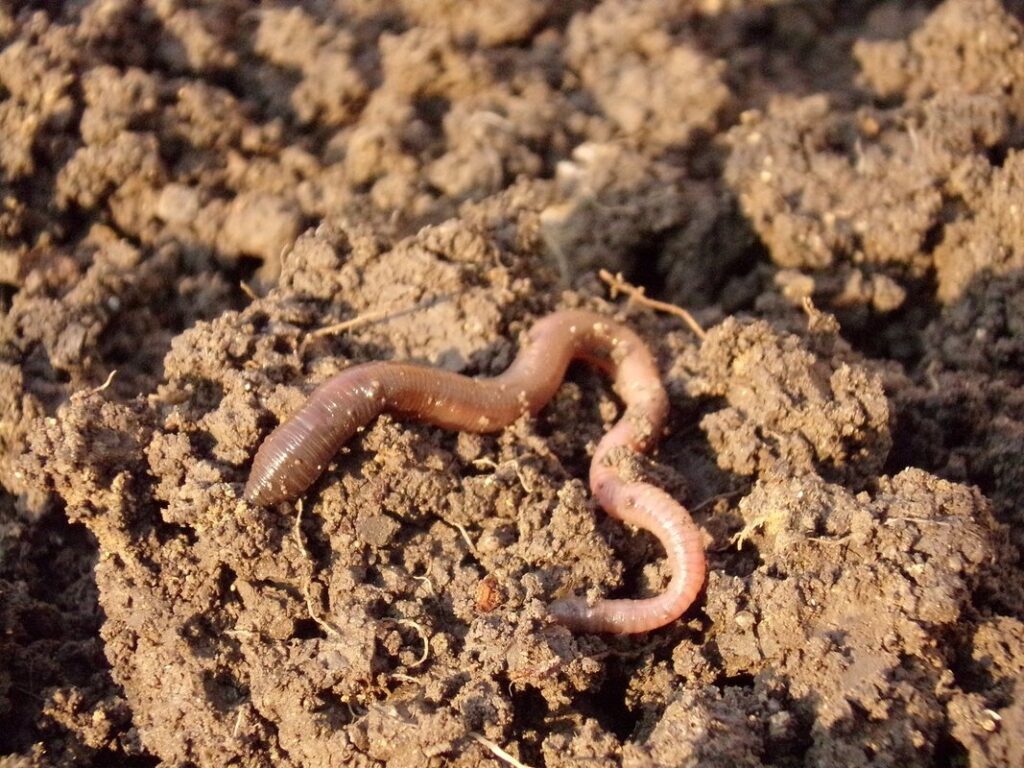
Importance of Earthworms in Ecosystem Health
Earthworms play a vital role in maintaining ecosystem health by improving soil structure and fertility, which has a direct impact on plant growth and overall garden biodiversity. Let’s explore this further!
Role of Earthworms as Detritivores
Earthworms are incredibly valuable ecosystem engineers, and their role as detritivores is no exception. As they tunnel through the soil, breaking down organic matter, they’re not just creating pathways for air and water to penetrate – they’re also recycling nutrients that would otherwise remain locked away.
In garden soil specifically, this process is crucial for maintaining a balanced ecosystem. Earthworms consume decaying plant material, bacteria, fungi, and other small organisms, using enzymes to break down complex organic compounds into simpler forms. This process releases essential nutrients like nitrogen, phosphorus, and potassium, making them available to plants once again.
As earthworms excrete these nutrient-rich castings, they act as a natural fertilizer, supporting plant growth and health. It’s estimated that a single square meter of soil can support up to 200 grams of beneficial bacteria per year – all thanks to the hard work of these humble detritivores! By incorporating earth-friendly gardening practices and creating a welcoming environment for earthworms, you’re not only improving soil structure but also reducing your reliance on synthetic fertilizers.
Impact on Soil Structure and Aeration
Earthworm burrows can be incredibly beneficial for garden soil, allowing roots to grow deeper and water to penetrate more easily. By creating tunnels and channels, earthworms improve soil structure by increasing porosity and aeration. This is especially important during periods of drought or heavy rainfall when the soil needs extra support.
The increased aeration also helps reduce soil compaction, making it easier for plants to absorb nutrients and oxygen. This improved air circulation is especially beneficial for root development, as roots can grow deeper into the soil in search of water and nutrients. A well-drained soil that’s teeming with earthworms will be more resilient to extreme weather conditions.
To maximize the benefits of earthworm burrows, it’s essential to maintain a balanced ecosystem. Avoid over-tilling your soil, which can disrupt the earthworm’s natural tunnel system. Instead, focus on creating a mix of organic matter and native plants that support beneficial microbial activity. By doing so, you’ll create an environment where earthworms can thrive, improving the overall health and fertility of your garden soil.
Earthworms as Indicators of Soil Health
When it comes to understanding soil health, earthworms can be a valuable indicator – their presence or absence can reveal a lot about your garden’s overall ecosystem. Let’s take a closer look at what they can tell us.
Burrow Distribution as an Indicator
Earthworm burrows are like little soil signposts that can reveal hidden issues affecting soil health. When earthworms tunnel through the soil, they create intricate networks of burrows that can be indicative of the underlying conditions. One way to gauge soil health is by observing changes in burrow distribution.
If you notice a sudden increase in the number of compacted or narrow burrows, it could be a sign that your soil is experiencing compaction issues. Compacted soil makes it difficult for roots to grow and can limit water penetration, leading to reduced plant growth and increased stress. To address this, try incorporating organic matter like compost or well-rotted manure into your soil. This will help improve soil structure, reduce density, and make it easier for earthworms to burrow.
Nutrient deficiencies can also affect burrow distribution. If you find that the burrows are sparse or shallow, it could be an indication of nutrient imbalances in the soil. To identify potential issues, take a sample of your soil and have it tested. Based on the results, amend your soil with targeted fertilizers to ensure earthworm-friendly conditions. By paying attention to changes in burrow distribution and addressing underlying issues, you can create a thriving environment for both earthworms and plants alike.
Earthworm Diversity and Abundance
Earthworms are incredibly valuable indicators of soil health, and their diversity and abundance can reveal a lot about the overall condition of your garden soil. When you see a diverse range of earthworm species thriving in your garden, it’s often a sign that your soil is healthy and balanced.
On the other hand, low earthworm numbers may indicate underlying problems with your soil. For instance, if you notice few or no earthworms in areas where the soil is consistently dry, it could be a sign that your soil lacks adequate moisture levels. Similarly, an overabundance of herbicides or pesticides can also lead to reduced earthworm populations.
To promote a diverse and thriving earthworm population, consider implementing some simple changes to your gardening practices. For example, you can start by incorporating more organic matter into your soil through composting or mulching. This will not only attract beneficial insects but also provide food for the earthworms. Additionally, maintain a balanced watering schedule to prevent waterlogged or dry conditions that can harm these essential creatures.
Benefits for Plant Growth and Yield
When you incorporate earthworms into your garden soil, you can expect significant improvements in plant growth and yield due to their remarkable contributions. Earthworm castings are rich in nutrients that support healthy root development.
Nutrient Cycling and Availability
Earthworms are incredibly efficient at breaking down organic matter and recycling nutrients back into the soil. They consume decaying plant material, microorganisms, and other small organisms, then excrete a nutrient-rich cast that’s like liquid fertilizer for plants. This process is known as nutrient cycling, and it’s essential for maintaining healthy soil fertility.
As earthworms tunnel through the soil, they also increase oxygen levels by creating air pockets. This allows roots to breathe and absorb nutrients more easily. Moreover, their burrowing activities help mix soil particles, reducing compaction and improving water penetration – both crucial factors in plant growth.
In a well-balanced garden ecosystem, earthworms can cycle up to 20% of the available nitrogen through their castings. By incorporating these castings into your compost or using them as a natural fertilizer, you’re essentially providing plants with a concentrated source of nutrients. This means fewer fertilizers will be needed, resulting in healthier soil and reduced environmental impact.
For optimal nutrient cycling, maintain moist but not waterlogged conditions in your garden beds to encourage earthworm activity.
Improved Soil Water Holding Capacity
One of the most significant benefits of earthworms in garden soil is their ability to improve the soil‘s water holding capacity. Earthworms are nature’s irrigation system, creating a network of burrows that can store water and reduce runoff. These underground tunnels act as reservoirs, allowing plants to access moisture when needed, rather than letting it flow away.
As earthworms tunnel through the soil, they break up compacted layers, allowing water to penetrate deeper into the soil profile. This not only reduces erosion but also helps to recharge groundwater aquifers. A single earthworm can process up to 2 pounds of soil per day, aerating and loosening the soil structure in the process.
To maximize this benefit, try adding compost or worm casting to your garden soil. These nutrient-rich amendments will attract earthworms and provide them with a food source, encouraging them to dig deeper and create more extensive burrow systems. By incorporating these practices into your gardening routine, you’ll be creating an ecosystem that’s better equipped to support plant growth and withstand drought conditions.
Ways to Encourage Earthworm Activity
To maximize the benefits of earthworms, it’s essential to create an environment that encourages their presence and activity. Let’s explore some simple ways to do just that.
Providing Suitable Habitat
When it comes to encouraging earthworm activity in your garden soil, providing suitable habitat is crucial. Earthworms thrive in environments that offer a balance of food, optimal pH levels, and minimal disturbance. One key aspect of creating a conducive environment is ensuring there’s an abundance of organic matter. This can be achieved by adding compost, leaf mold, or well-rotted manure to the soil. Aim for a mix of 5-10% organic matter, as this will provide earthworms with the necessary nutrients and energy.
Another vital factor is maintaining an optimal pH level between 6.0 and 7.0. This range allows earthworms to function efficiently, breaking down organic matter and recycling nutrients. On the other hand, extreme pH levels can be detrimental, making it difficult for earthworms to survive. To avoid over-tillage, limit soil disturbance to only when necessary, such as during planting or harvesting. Excessive tilling can disrupt the delicate ecosystem, causing earthworms to burrow deeper into the soil in search of refuge.
Managing Soil Compaction
When it comes to creating an ideal habitat for earthworms, minimizing soil compaction is crucial. One of the primary ways to achieve this is by reducing foot traffic on the garden bed. This means being mindful of how often you walk through your garden and taking steps to minimize the impact of human activity on the soil.
To put this into perspective, a study found that compacted soil can reduce earthworm populations by up to 50%. By limiting foot traffic, you’re giving these beneficial invertebrates room to thrive. But what if you need to access certain areas regularly? Using organic amendments like mulch or compost can help mitigate compaction caused by human activity.
When adding mulch or compost, make sure it’s a minimum of 3-4 inches thick. This will not only help suppress weeds but also provide an air pocket layer that prevents soil compaction. By adopting these simple strategies, you’ll be well on your way to creating a haven for earthworms and reaping the rewards they bring to your garden soil – improved structure, increased fertility, and enhanced water retention.
Overcoming Common Challenges
Don’t let common obstacles stop you from harnessing earthworms’ full potential in your garden soil. We’ll explore some of the challenges and share practical solutions to overcome them effectively.
Dealing with Pests and Diseases
While earthworms are incredibly beneficial to garden soil, they can be vulnerable to pests and diseases that require targeted management strategies. Moles, for example, feed on earthworms and can cause significant damage to your soil ecosystem if left unchecked. To manage mole populations, consider using physical barriers like chicken wire or mesh around the affected area, or try encouraging natural predators like owls or hedgehogs.
Fungal infections are another threat to earthworm colonies. These can be caused by a variety of factors, including excess moisture and poor air circulation. To prevent fungal infections, ensure your soil is well-drained and maintain adequate air circulation around plant roots. If an infection does occur, try introducing beneficial microorganisms like mycorrhizal fungi to promote soil balance.
It’s essential to monitor your earthworm populations regularly for signs of pests or diseases. Look for holes in the soil surface, reduced earthworm activity, or unusual odors emanating from your soil. By taking proactive steps to manage these threats, you can protect your earthworm colonies and continue to reap their numerous benefits for your garden soil.
Mitigating the Impact of Climate Change
Climate change can significantly impact earthworm populations by altering temperature and moisture levels. As gardeners, it’s essential to understand these effects and adapt our management practices accordingly. Rising temperatures can lead to droughts, causing earthworms to burrow deeper into the soil in search of water. This can disrupt their food sources and potentially damage the soil structure.
To mitigate this impact, consider incorporating more drought-tolerant plants into your garden, which will require less watering and reduce stress on the earthworm population. You can also implement a mulch layer to retain moisture and regulate temperature fluctuations. Additionally, avoid over-tilling, as this can damage the delicate soil ecosystem that earthworms rely on.
By making these adjustments, you can help create a more resilient garden environment that benefits from earthworm activity. This may involve monitoring soil moisture levels closely, using rainwater harvesting systems, or implementing other water-conserving strategies. By taking proactive steps to adapt to climate change, you’ll not only support your earthworm population but also maintain a healthier, more sustainable garden overall.
Conclusion
Now that we’ve explored the amazing benefits of earthworms in garden soil, let’s summarize what you can expect from your worm-friendly garden: increased fertility and healthier plants.
Recap of Key Benefits
In conclusion to our exploration of earthworms’ benefits in garden soil, let’s recap the key advantages they bring. By contributing significantly to ecosystem health, earthworms play a vital role in decomposition, which involves breaking down organic matter and recycling nutrients back into the soil. This process improves soil structure, making it more conducive for plant growth.
Through their burrowing activities, earthworms also create pathways for air and water to penetrate deeper into the soil, further enhancing its fertility and overall health. By improving nutrient cycling, earthworms help redistribute essential minerals and micronutrients throughout the soil profile, promoting a balanced ecosystem that supports healthy plant development.
If you’re looking to boost your garden’s ecosystem health, consider creating a welcoming environment for earthworms by incorporating compost-rich mulch or worm-friendly amendments into your soil. By doing so, you’ll not only reap the benefits of earthworm activities but also contribute to a more sustainable and balanced gardening practice.
Encouraging Sustainable Practices
As you’ve learned throughout this article, earthworms play a crucial role in maintaining healthy garden soil. By incorporating earthworm-friendly strategies into your gardening routine, you can promote sustainable ecosystems and support biodiversity. This not only benefits the environment but also enhances the overall health of your plants.
To encourage sustainable practices, start by creating a worm-friendly habitat. Avoid using pesticides or chemical fertilizers, which can harm earthworms and disrupt the soil ecosystem. Instead, adopt natural methods for pest control, such as attracting beneficial insects or using neem oil. You can also add compost to your soil, which provides essential nutrients for earthworms while improving soil structure.
Another key aspect is maintaining optimal soil moisture levels. Earthworms thrive in moist environments but are sensitive to overwatering. Aim for a balance by mulching around plants and incorporating organic matter into the soil. This will help retain water, reduce evaporation, and create an ideal environment for earthworms to flourish.
By making these simple adjustments, you’ll not only be supporting the health of your garden’s ecosystem but also contributing to a more sustainable future.
Frequently Asked Questions
Can I still encourage earthworms to live in my garden even if it’s a poor soil type?
Yes, while earthworms tend to thrive in loamy or sandy soils with good drainage, they can also be present in clay soils. To improve your chances of attracting them, incorporate organic matter like compost or well-rotted manure into your soil. This will create a more hospitable environment for these beneficial invertebrates.
How long does it take to notice the effects of earthworm activity on my garden?
The impact of earthworms on your garden’s ecosystem can be noticeable within a few weeks to months after introducing them or improving their habitat. You may start seeing improvements in soil structure and fertility, as well as enhanced plant growth and biodiversity.
What are some common mistakes I should avoid when trying to attract earthworms?
Avoid over-tilling your soil, which can damage the delicate burrows that worms create. Also, be cautious not to use too many synthetic fertilizers or pesticides, as these chemicals can harm or even kill earthworms. By providing a balanced and natural environment, you’re more likely to see positive results.
How do I know if my garden has a healthy population of earthworms?
Observe your soil’s structure and fertility by digging shallow trenches. If you notice tunnels or castings (worm poop) throughout the soil, it’s a good sign that earthworms are present and active. You can also perform a simple worm count by filling a bucket with 1-2 pounds of fresh soil from your garden; after several hours, any worms present will rise to the surface.
What are some companion plants that can help attract earthworms to my garden?
Companion planting is an excellent way to encourage beneficial insects and invertebrates like earthworms. Consider incorporating plants like comfrey, marigold, or clover into your garden; these plants release nutrients and attract pollinators, which in turn attract earthworms seeking a nutrient-rich environment.