
If you’re like most gardeners, you’ve probably heard of apical dominance pruning but aren’t quite sure how to harness its benefits for your plants. But don’t worry – with this simple technique, you can take control of your plant’s growth and unlock its full potential.
By controlling the dominant shoot, or apical bud, you can channel your plant’s energy into stronger stem development, improved root growth, and even increased fruitfulness. It may sound like a straightforward process, but there are many subtleties to consider when pruning for apical dominance. In this comprehensive guide, we’ll delve into the ins and outs of this essential gardening technique, covering everything from why it matters to how to do it effectively – including techniques for improved plant health and enhanced fruitfulness.
What is Apical Dominance Pruning?
Apical dominance pruning is a technique that involves cutting back a plant’s main stem to promote healthy growth and fruiting, but how does it actually work? In this section, we’ll break down the science behind apical dominance.
Definition and Purpose of Apical Dominance Pruning
Apical dominance pruning is a horticultural technique used to control the shape and promote healthy growth of plants. It involves selectively removing the growing tip (apex) of a stem to redirect energy towards lateral branches, encouraging them to grow faster and produce more flowers or fruit.
The primary purpose of apical dominance pruning is to manipulate plant structure by breaking the dominance of the terminal bud. This allows for increased branching and promotes even distribution of leaves, which in turn leads to improved photosynthesis, nutrient uptake, and overall plant health. By removing the growing tip, you’re essentially giving your plant a “haircut” that encourages it to spread out instead of focusing all its energy on growing upwards.
This technique is commonly used in fruiting plants like tomatoes, peppers, and eggplants, where it helps increase yields by promoting more lateral growth. It’s also beneficial for flowering plants like roses and hydrangeas, as it can enhance blooming and overall plant appearance.
Understanding Apical Dominance in Plants
Apical dominance is a fundamental concept in plant growth and development that significantly impacts the overall shape and structure of plants. To understand apical dominance pruning, it’s essential to grasp what apical dominance is and how it affects plant growth.
In simple terms, apical dominance refers to the way a plant grows, with new shoots emerging from the tip or apex of stems. This growth pattern is controlled by a complex interplay of hormones, primarily auxins. Auxins are a group of plant hormones that promote cell elongation and differentiation, leading to increased stem length and internode distance.
The role of auxins in apical dominance cannot be overstated. As new shoots emerge from the apex, they produce more auxin, which is then transported downwards through the stem, inhibiting lateral bud growth and promoting the continued development of the terminal bud. This process creates a hierarchical structure, with the main stem dominating over side shoots.
This understanding of apical dominance has significant implications for plant breeding and horticulture, particularly in pruning techniques.
Benefits of Apical Dominance Pruning
Apical dominance pruning isn’t just a technique, but it also offers several advantages for your plants’ health and growth. Let’s explore these benefits in more detail now.
Improved Plant Health and Vigor
Pruning has long been recognized as a crucial practice for maintaining healthy and thriving plants. By removing certain sections of a plant, you can promote improved overall health, increase vigor, and even foster the development of a stronger root system.
When plants are pruned to control their apical dominance, they’re prompted to redirect energy towards growth rather than focusing solely on producing a single dominant shoot. This redistribution of resources has several benefits: it encourages lateral growth, which can result in fuller, more robust foliage; enhances photosynthesis by increasing the number of leaves and stems; and even stimulates root development.
As a result, your plants will be better equipped to withstand environmental stressors like drought or disease, and are more likely to display vibrant colors and an overall healthier appearance. In fact, studies have shown that pruning can lead to significant increases in plant biomass and improved water use efficiency. To incorporate this technique into your own gardening routine, remember to prune your plants at the right time – during periods of active growth – and aim for a balanced shape to allow for optimal light penetration and air circulation.
Enhanced Fruitfulness and Yield
When you prune a plant to remove its apical dominance, you’re essentially giving it permission to focus on producing fruit instead of just growing taller. This technique can stimulate fruiting and increase yields in various plants, including trees, shrubs, and vines.
One way this works is by reducing the plant’s energy expenditure on vegetative growth. By removing the dominant shoot, you’re redirecting that energy towards producing flowers and fruits. For example, in apple orchards, apical dominance pruning has been shown to increase fruit production by up to 30%. This is because the plant is able to produce more buds and flowers along the branches, rather than just a single dominant leader.
To achieve enhanced fruitfulness and yield through apical dominance pruning, follow these key steps:
* Identify the most vigorous shoots on your plant and remove them at the base
* Leave a few select lateral shoots to grow outwards from the main stem
* Regularly monitor your plant’s growth and prune any new dominant shoots that emerge
Space-Saving and Shaping
Pruning a plant’s apical dominance promotes bushy growth by encouraging lateral branches to develop and become more vigorous. This not only adds visual appeal but also makes the plant more compact, ideal for space-constrained gardens or indoor containers. By removing the terminal bud that dominates the stem, you’re allowing other buds along the stem to grow and produce new shoots.
As a result, the plant becomes fuller and more balanced in its growth habit. This shaping effect can be particularly beneficial when growing plants in small spaces or containers where their natural form might become too leggy. For example, pruning the apical dominance of a tomato plant encourages it to produce more lateral branches, resulting in a bushier, more productive plant.
When pruning for shape and space-saving, remember that it’s not just about removing branches – you’re also guiding the plant’s growth pattern. Prune at the right time (usually during the dormant season) and take care to maintain a balanced framework of stems and leaves to prevent over-pruning and stress on the plant.
Techniques for Apical Dominance Pruning
Now that you understand apical dominance pruning, let’s dive into some practical techniques to achieve balanced growth and maximum yields from your plants. We’ll explore specific pruning methods for different plant types and needs.
Hand Pruning vs. Mechanical Pruning
When it comes to apical dominance pruning, you have two primary methods at your disposal: hand pruning and mechanical pruning. While both techniques share the same goal of promoting healthy growth by removing terminal buds, they differ significantly in their approach and effectiveness.
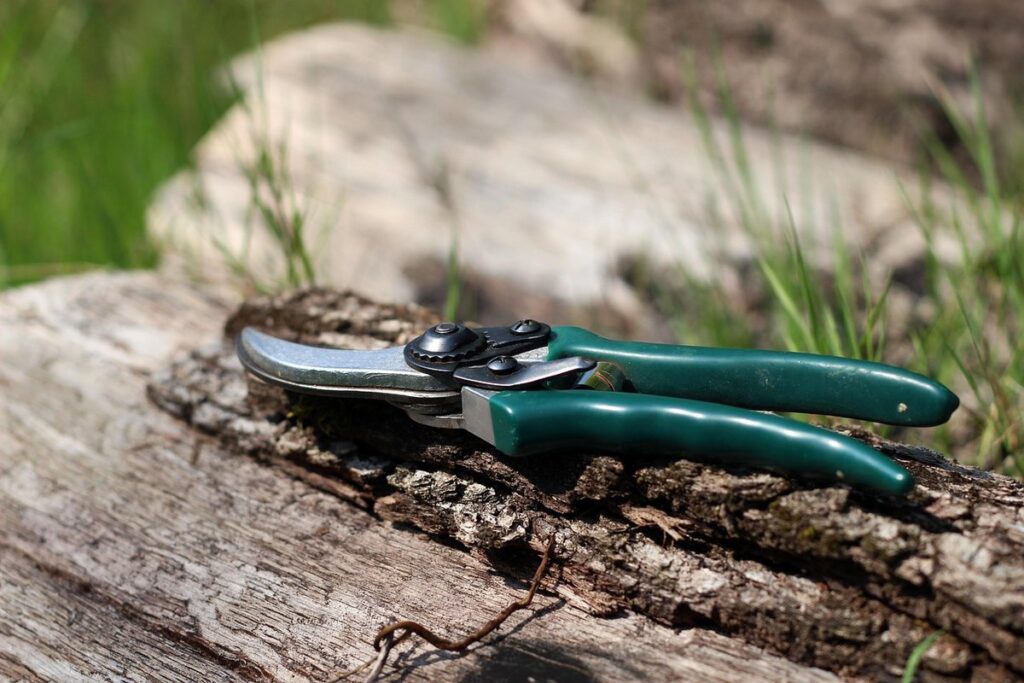
Hand pruning involves manually cutting or pinching off the terminal bud using a pair of scissors, clippers, or even your fingers. This method is ideal for small branches and delicate plants where precision is key. Hand pruning allows for more control over the cut, enabling you to make precise incisions and minimize damage to surrounding tissues.
Mechanical pruning, on the other hand, relies on specialized tools such as loppers, pruning saws, or pole pruners. These instruments are designed for thicker branches and larger plants where manual cutting is not feasible. Mechanical pruning offers increased efficiency and reach, but may result in more significant stress to the plant due to the coarser cut.
In practice, hand pruning is often preferred for smaller plants, while mechanical pruning is better suited for mature trees or large shrubs. However, it’s essential to choose the right tool for the job and prune carefully to avoid causing unnecessary damage or promoting disease. When in doubt, start with hand pruning and work your way up to mechanical methods as needed.
Best Practices for Cutting and Wounding
When cutting and wounding plants during apical dominance pruning, it’s essential to prioritize proper techniques to minimize stress on the plant. First, make sure to use a clean and sharp tool, such as pruning shears or loppers, to prevent the spread of disease and promote healthy healing.
To properly cut, aim for a 45-degree angle, cutting just above a growth node or bud eye. This will help the plant direct its energy towards new growth rather than trying to heal the wound. When making larger cuts, use a series of smaller cuts, gradually increasing in size to avoid putting unnecessary stress on the plant.
After cutting, it’s crucial to provide proper care for the wound. Apply a thin layer of a compatible wound dressing or sealant to protect the cut area from pathogens and dehydration. Avoid over-pruning, as this can cause excessive stress on the plant, leading to disease or pest issues. By following these best practices, you’ll be able to minimize the negative effects of pruning and promote healthy growth in your plants.
In addition to proper cutting techniques and wound care, it’s essential to make clean cuts and avoid crushing or tearing the bark, as this can lead to infection. When possible, prune during cooler parts of the day, such as early morning or late evening, when the plant is less stressed from intense sunlight and heat.
When to Prune: Timing and Frequency
Knowing when to prune your plants is crucial, which is why we’re diving into the specifics of timing and frequency for optimal results. Let’s explore how to balance pruning schedules with plant needs.
Factors Influencing Pruning Schedule
When pruning to control apical dominance, several key factors come into play that determine when and how often you should prune. One of the primary considerations is climate and season. In warmer climates with long growing seasons, frequent pruning may be necessary to maintain a balanced growth pattern. Conversely, in cooler regions with shorter summers, less frequent pruning can be sufficient.
The type of plant also plays a significant role in determining your pruning schedule. For example, evergreen trees like pines and spruces tend to require more regular pruning than deciduous species like oaks and maples. This is because their continuous growth patterns demand consistent maintenance.
Plant growth stage is another essential factor to consider when setting a pruning schedule. Young plants typically require more frequent pruning as they establish themselves, whereas mature trees can be pruned less often. As a general rule of thumb, young seedlings benefit from bi-monthly pruning, while established trees are best pruned annually or semi-annually depending on their specific needs.
Seasonal Pruning Strategies
Pruning at different times of the year can be challenging, especially when trying to promote healthy growth, fruiting, or flowering. Understanding when and how to prune is crucial for optimal results. During the dormant season (winter), pruning should be minimal as plants are conserving energy. However, this period is ideal for making major structural changes.
In contrast, active growth seasons like spring and summer require more frequent pruning to maintain shape, encourage fruiting or flowering, and promote healthy growth. Summer is a good time to prune shrubs and trees that produce flowers or fruit in the current year. Prune these plants lightly to avoid stressing them, but make sure to remove any weak or damaged branches.
When pruning during active growth periods, it’s essential to focus on thinning out dense areas rather than simply cutting back stems. This will help prevent over-pruning and promote air circulation within the plant. For example, if you have a fruit tree with dense foliage, prune some of the interior branches to allow sunlight to reach the fruiting areas.
Keep in mind that pruning during these periods should be done thoughtfully to avoid shocking the plant. It’s also crucial to consider the specific needs and requirements of your plants when deciding on pruning schedules.
Common Mistakes to Avoid
When pruning plants for apical dominance, it’s easy to make mistakes that can harm your tree’s health and appearance. Here are some common errors to steer clear of when trying this technique.
Over-Pruning and Under-Pruning
When pruning plants, it’s easy to get caught up in the idea of removing every dead or dying branch. However, over-pruning can be just as damaging as under-pruning. When you remove too much of a plant’s foliage, you’re essentially stressing it out. This can lead to weakened roots, reduced yields, and even death.
For example, if you prune a tree too heavily in the spring, it may not have enough energy reserves to produce new growth throughout the summer. The result is a weak and vulnerable plant that’s more susceptible to disease and pests. On the other hand, under-pruning can also be detrimental. If you don’t remove dead or dying branches, they can continue to drain the plant’s resources, leading to reduced yields or even plant decline.
So how do you know when to prune? The key is to strike a balance between removing unwanted growth and preserving the plant’s energy reserves. A good rule of thumb is to prune no more than 25-30% of a plant’s foliage at any given time. This will help prevent stress while still encouraging healthy new growth.
Pruning at the Wrong Time
Pruning at the wrong time can have severe consequences on your plants’ growth and overall health. One of the most critical mistakes to avoid is pruning during periods of high stress, such as drought or disease. When plants are under stress, they divert their energy towards survival rather than growth. Pruning during this stage can cause further stress, leading to weakened immune systems and increased susceptibility to pests and diseases.
Another crucial aspect to consider is pruning when plants are in critical growth stages. For example, pruning young seedlings too early or late in the growing season can hinder their development. A general rule of thumb is to prune seedlings after they’ve developed at least two sets of leaves, allowing them to establish a strong root system before pruning.
Avoid pruning during extreme weather conditions like frost, heatwaves, or intense rainfall. These conditions already put additional stress on plants, and pruning can exacerbate the issue. Instead, wait for favorable conditions to prune your plants, ensuring they have the best chance to recover and thrive.
Advanced Techniques for Expert Gardeners
For those who’ve mastered the basics of apical dominance pruning, we’ll delve into more complex techniques to optimize growth and control plant development. This includes methods like topping and de-topping, carefully tailored for different plant species.
Girdling and Defoliation
For experienced gardeners looking to take their apical dominance pruning skills to the next level, girdling and defoliation are two advanced techniques worth exploring. Girdling involves making a cut around the circumference of the stem just above a node, causing the plant to redirect energy from below the cut to above it. This can be particularly useful for promoting vertical growth in plants like tomatoes and peppers.
To attempt girdling, start by identifying the area where you want the new growth to occur. Make a clean, precise cut around the stem using a sharp tool, taking care not to damage any surrounding tissue. The wound should be about 1-2 inches above a node. Within a week or two, you’ll notice the plant responding by directing energy towards the top.
Defoliation is another technique used in conjunction with apical dominance pruning to encourage bushy growth and prevent lodging. Remove lower leaves from the stem, leaving only those that are directly attached to the plant’s nodes. This will redirect energy away from lower growth and promote new growth higher up on the plant. Be cautious not to over-defoliate, as this can stress the plant unnecessarily.
It’s essential to note that these techniques should be used judiciously and in moderation. Over-girdling or defoliating can cause more harm than good, leading to stunted growth or even plant death. As with any pruning technique, it’s crucial to monitor your plants closely and adjust your approach as needed to avoid causing unnecessary stress.
When combining girdling and defoliation with apical dominance pruning, be aware of the potential for uneven growth patterns. To mitigate this, ensure that you’re making clean cuts and removing leaves in a way that promotes even energy distribution throughout the plant. With practice and experience, these advanced techniques can help you achieve exceptional results with your pruned plants.
By experimenting with girdling and defoliation, experienced gardeners can fine-tune their pruning skills to optimize the effects of apical dominance pruning.
Pruning Combinations with Other Horticultural Practices
When combining apical dominance pruning with other horticultural practices, the results can be truly remarkable. For instance, fertilization can enhance plant growth and productivity by providing essential nutrients to the plant. By pairing a regular fertilization schedule with apical dominance pruning, you can stimulate healthy root development and promote more vigorous shoot growth.
Mulching is another technique that complements apical dominance pruning nicely. Mulch helps retain moisture in the soil, suppresses weeds, and regulates soil temperature – all of which can contribute to improved plant health. Apply a 2-3 inch layer of organic mulch around the base of your pruned plants, and make sure to keep it a few inches away from the stem to prevent rot.
By incorporating these complementary practices into your gardening routine, you can unlock the full potential of apical dominance pruning. To maximize results, be sure to monitor your plant’s response and adjust your fertilization schedule accordingly. Also, don’t forget to maintain consistent pruning practices throughout the growing season – this will ensure that your plants continue to thrive and produce healthy new growth.
Frequently Asked Questions
Can I use apical dominance pruning on all types of plants?
Yes, while the technique is particularly beneficial for fruiting and flowering plants, you can apply it to various plant species to promote healthy growth and shape them accordingly. However, research the specific needs of your plants to ensure optimal results.
What are the best times for pruning during different seasons?
The ideal time for apical dominance pruning depends on your region’s climate and the specific plant variety. Typically, spring and early summer are suitable periods for most fruiting and flowering plants. For subtropical regions, fall or late winter might be better. Research the specific needs of your plants to determine the best timing.
How do I know if I’m over-pruning my plants?
Over-pruning can be detrimental to plant health. Check for signs like excessive stress, reduced growth rates, or decreased fruitfulness. If you notice any of these indicators, adjust your pruning schedule and intensity accordingly. Prune judiciously, focusing on the strongest stems and removing weaker shoots.
Can I combine apical dominance pruning with other horticultural practices?
Yes, this technique can be combined with other methods like thinning, staking, or support pruning to achieve comprehensive plant management. For example, you might pair apical dominance pruning with girdling (removing a small section of the bark) for enhanced fruitfulness and yield.
How often should I prune my plants during their growth cycle?
The frequency of pruning depends on your specific goals and the plant’s growth rate. Prune regularly to maintain optimal shape, promote healthy growth, and encourage fruiting or flowering. A general rule of thumb is to prune every 7-14 days during peak growing periods. Monitor your plants closely and adjust your schedule as needed.