
Variegation in plants is one of the most fascinating features that set them apart from their solid-colored counterparts. If you’ve ever admired a plant with beautiful, swirling patterns of color on its leaves or stems, you’re not alone! These unique varieties have captivated gardeners and plant enthusiasts alike for centuries, but have you ever wondered what makes them so special? In this article, we’ll delve into the world of variegation, exploring its definition, importance, and even how to propagate these stunning plants. We’ll also share tips on caring for your variegated friends and highlight some popular examples that are sure to inspire your next plant obsession. Whether you’re a seasoned green thumb or just starting out, get ready to unlock the magic behind variegated plants!
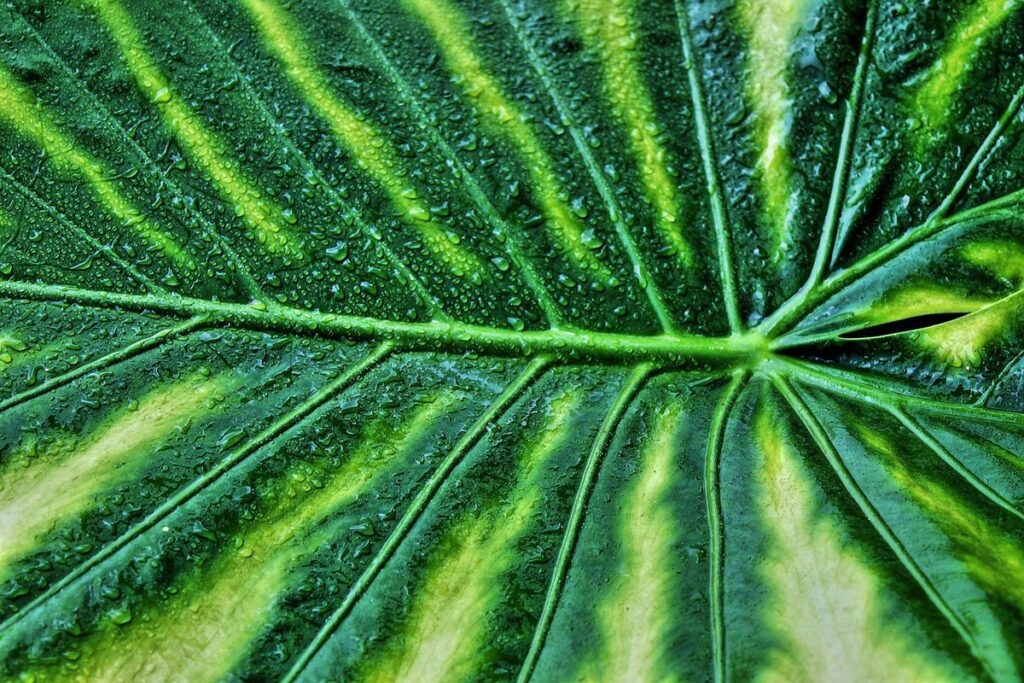
What is Variegation in Plants?
Variegation in plants refers to the unique combination of colors and patterns found on leaves, stems, and flowers. Let’s dive into what exactly variegation is and how it occurs naturally.
Definition and Types
Variegation is a natural phenomenon that adds an extra layer of beauty and interest to plants. It’s not just about aesthetics, though – it can also be a result of various underlying factors. For instance, genetic mutations can cause unusual color patterns or markings on leaves or stems. Some plants naturally exhibit variegation due to their inherent characteristics, while others may develop it over time as a response to environmental conditions.
Viral infections are another reason why some plants display variegation. In these cases, the plant’s cells are affected by the virus, leading to unusual color patterns or mottling on leaves or stems. This type of variegation is often accompanied by other symptoms such as yellowing or stunted growth.
Whether caused by genetic mutations, viral infections, or environmental conditions, variegation can make a plant truly unique and desirable. If you’re looking to create variegated plants in your own garden, consider the conditions under which they thrive – for example, some plants require bright light to develop their characteristic color patterns. By understanding the underlying causes of variegation, you can better appreciate its beauty and even encourage it in your favorite plants.
Importance of Variegation
Variegation has been a prized feature in plant breeding for centuries, and it’s easy to see why. Not only does variegation add visual interest to a plant, but it also offers a level of uniqueness that can make each variety truly one-of-a-kind. From the subtle mottling on a Philodendron’s leaves to the bold, colorful patterns on a Coleus, variegation has been used to create some truly stunning plants.
Whether you’re a seasoned gardener or just starting out, incorporating variegated varieties into your collection can be a great way to add some personality to your space. Not only do these plants make beautiful additions to any room, but they also offer a level of diversity that can help prevent pests and diseases from spreading. By including a mix of solid-colored and variegated plants in your garden, you can create a more resilient and thriving ecosystem.
When selecting variegated varieties for your collection, be sure to choose ones that fit your lifestyle and growing conditions. Consider factors like light requirements, watering needs, and maintenance level to ensure that your new additions will thrive under their care.
Understanding the Science Behind Variegation
Variegation is more than just a visually appealing trait, and understanding its science can help you cultivate these unique plants. Let’s dive into the fascinating biology behind their distinctive patterns.
Cell Division and Pattern Formation
Cell division is a fundamental process that underlies the creation of variegated patterns in plants. This complex process involves the duplication and separation of cells to form new individuals with distinct characteristics. Genetic factors can influence cell division, leading to variations in leaf or stem coloration. For instance, some plants have genetic mutations that affect chloroplast development, resulting in white or yellow patches on an otherwise green background.
External conditions also play a significant role in shaping variegated patterns through cell division. Environmental stressors like temperature fluctuations, light exposure, and nutrient availability can trigger changes in cell growth and differentiation. For example, some plants may display variegation in response to high temperatures, as the heat can disrupt chloroplast function and lead to white or yellow markings.
To understand how cell division contributes to variegation, consider this: every plant has unique genetic instructions that dictate its cellular development. When these instructions are disrupted, either through genetics or external influences, it can result in the distinctive patterns we see in variegated plants. By recognizing the interplay between genetic and environmental factors, you can better appreciate the intricate mechanisms behind this phenomenon and even experiment with creating your own variegated plants at home.
Hormonal Regulation
When it comes to understanding variegation in plants, it’s essential to delve into the hormonal regulation that drives this phenomenon. Plants produce various hormones, including auxins, gibberellins, and cytokinins, which play a crucial role in regulating growth and development. These hormones are like messengers within the plant, signaling cells to grow, divide, or differentiate.
Auxins, for instance, promote cell elongation, causing stems to grow longer. Cytokinins, on the other hand, stimulate cell division, leading to increased leaf production and variegated patterns. Gibberellins regulate seed germination and stem elongation, further contributing to variegation. By manipulating these hormonal balances, breeders can induce variegation in plants.
For example, some variegated cultivars have an overproduction of cytokinins, which leads to the characteristic white or yellow stripes on leaves. This hormonal imbalance can be achieved through cross-breeding or grafting techniques, allowing for a wider range of variegated varieties. By understanding these underlying mechanisms, you can appreciate the intricate dance between hormones and growth that creates the magical patterns we see in variegated plants.
Factors Contributing to Variegation
So, what exactly causes those beautiful patterns and colors on your favorite variegated plants? In this next part of our journey into the world of variegation, we’ll explore the key factors that contribute to these unique characteristics.
Genetics
When it comes to variegation in plants, genetics play a significant role. At the core of every living being is its DNA sequence, and changes within this genetic code can lead to interesting outcomes like altered leaf color or patterns. Think of it like a recipe book: if you alter a single ingredient or instruction, the final product may turn out differently.
Genetic mutations or variations in the DNA sequence can occur spontaneously during cell division or as a result of environmental factors such as exposure to radiation or chemicals. These changes can affect the production or regulation of pigments responsible for leaf coloration. For example, the anthocyanin pigment is responsible for red, purple, and blue colors in plants. If there’s a mutation affecting its production or transport within the plant cells, it could result in white or variegated leaves.
Not all genetic variations lead to desirable traits, but when they do, breeders can utilize these mutations to create new cultivars with unique characteristics.
Environmental Conditions
When it comes to variegation in plants, environmental conditions play a significant role. Temperature fluctuations can affect the pattern and intensity of variegation. For instance, some plants may display more vibrant markings during cooler temperatures and gradually fade as they warm up. Conversely, other species might develop a richer coloration when exposed to warmer temperatures.
Light exposure is another critical factor influencing variegation. Plants grown in low-light conditions often exhibit mottled or streaked patterns due to the reduced chlorophyll production. On the other hand, plants basking in full sun may display more dramatic or intense markings as a result of increased photosynthesis. Nutrient availability also impacts variegation, with some plants developing striking patterns when deprived of certain nutrients.
To encourage optimal variegation, it’s essential to mimic the plant’s natural growing conditions. For example, if your variegated plant typically grows in a shaded environment, provide it with filtered light rather than direct sunlight. By replicating its native conditions, you’ll be more likely to see vibrant and dynamic patterns emerge on your plant’s leaves or stems.
Viral Infections
Viral infections can indeed be a fascinating contributor to variegation in plants. Take, for example, the tobacco rattle virus (TRV), which has been known to alter plant gene expression and result in striking patterns of color and texture on leaves. This occurs when the virus hijacks the plant’s cellular machinery, essentially “rewriting” the genetic code that controls pigmentation.
One key way TRV induces variegation is by affecting the chloroplasts – organelles responsible for photosynthesis and pigment production. By disrupting normal chloroplast function, the virus creates an uneven distribution of pigments, leading to the characteristic white or yellow streaks often seen in infected plants.
Not all viral infections lead to variegation, but when they do, it can be quite dramatic. To give you a better idea, consider this: TRV has been used by plant breeders to create novel patterns and colors in certain species. By introducing the virus into specific cultivars, researchers have developed new varieties with unique visual characteristics that would be difficult or impossible to achieve through traditional breeding methods.
This raises interesting questions about the interplay between viruses and host plants – and how we might harness this phenomenon for our own purposes.
Caring for Variegated Plants
To keep your variegated treasures thriving, it’s essential to understand their specific needs and provide them with the right care. Here are some tips to help you nurture your plant’s beautiful coloration.
Lighting Requirements
When it comes to variegated plants, one of the most critical factors for maintaining their stunning patterns is lighting. While these unique plants can thrive in a variety of conditions, some may require bright indirect light, while others prefer shade. The key is understanding what type of lighting each specific variegated plant needs.
For example, if you have a variegated Monstera or Philodendron, they will do well with bright indirect light but not direct sunlight, which can scorch their leaves. On the other hand, some plants like Coleus and Calathea prefer partial shade to protect their delicate patterns from fading in intense light.
To determine what lighting your variegated plant needs, observe its natural habitat or research its specific requirements. If you’re unsure, start with a bright indirect light spot and adjust as needed. Keep in mind that too much direct sunlight can cause the colors on your plant’s leaves to fade, while insufficient light may lead to weak, leggy growth. By finding the right balance of light for your variegated plant, you’ll be able to showcase its unique beauty and keep it thriving.
Watering and Fertilization
When it comes to caring for variegated plants, many enthusiasts focus on maintaining their unique leaf patterns and colors. However, proper watering and fertilization techniques are equally crucial in preventing damage or discoloration.
Variegated plants typically have a higher water requirement than solid-colored ones due to the reduced surface area of their leaves. Overwatering can lead to root rot, while underwatering may cause the leaves to become scorched and discolored. To avoid this, ensure the soil is consistently moist but not waterlogged. Check the soil moisture by sticking your finger into the soil up to the first knuckle; if it’s dry, it’s time to water.
In terms of fertilization, variegated plants benefit from a balanced, water-soluble fertilizer during the growing season (spring and summer). Feed them with a 20-20-20 NPK formula once a month. This will promote healthy growth and help maintain those stunning leaf patterns. Remember to dilute the fertilizer to half the recommended strength to avoid burning your plant’s roots.
By following these simple watering and fertilization tips, you’ll be able to enjoy your variegated plants’ beauty for years to come.
Popular Examples of Variegated Plants
Let’s take a look at some stunning examples of variegation in action, from colorful foliage to eye-catching blooms that’ll leave you green with envy.
Houseplants
When it comes to houseplants, variegated varieties of popular species are often highly sought after for their unique and visually striking appearance. Take monstera, pothos, and peace lily, for example – these plants have undergone a transformation from their solid-colored ancestors to become some of the most desirable houseplants in recent years.
The allure of variegation lies not only in its aesthetic appeal but also in the natural genetic variation that has been selectively bred into these plants. In the case of monstera, breeders have manipulated the plant’s genetic makeup to produce striking patterns and colors on its leaves. This selective breeding process has resulted in a range of unique varieties, each with its own distinct character.
For those looking to bring some variegated magic into their home, many nurseries and online retailers now stock a wide range of variegated houseplants. Consider the peace lily, for instance – this plant’s elegant white blooms are complemented by stunning patterns on its leaves, creating a truly show-stopping effect in any room.
Outdoor Plants
When it comes to adding visual interest to outdoor spaces, variegated plants are a great choice. Some popular options for outdoor gardens and containers are the croton and caladium. These plants exhibit striking patterns of contrasting colors, making them stand out in any setting.
One reason variegation is so effective in outdoor plants is its ability to add movement and energy to a space. The dynamic interplay between light and dark areas creates a sense of drama and visual interest that can elevate an entire garden. For example, the croton’s colorful leaves with their intricate patterns can create a stunning display when planted en masse.
To incorporate these eye-catching plants into your outdoor space, consider selecting varieties with deep green or richly colored foliage to provide a striking contrast against brighter flowers and other foliage. This will create a beautiful and harmonious balance in your garden design. By choosing the right variegated plants for your outdoor space, you can add an extra layer of visual appeal that’s sure to make your garden truly special.
How to Propagate Variegated Plants
Now that you’ve got a collection of variegated plants, let’s dive into how to propagate them so you can share their unique beauty with friends and family. This is easier than you think!
Stem Cuttings
When it comes to propagating variegated plants, stem cuttings are an excellent option. This method allows you to reproduce the unique characteristics of the parent plant, ensuring that the new plants retain their distinct markings and patterns.
To take stem cuttings from a variegated plant, start by selecting healthy stems with plenty of leaves. Cut a section of stem around 3-4 inches long, making sure each cutting has at least two nodes (the joint where a leaf meets the stem). Remove lower leaves to prevent them from rotting in water, leaving only the top pair or so. Place the cuttings in a glass of water or a propagation tray filled with a moistened growing medium.
Within 1-3 weeks, roots should begin to develop, and new growth will emerge. Once the new plants have developed a robust root system and several sets of leaves, they’re ready for potting. Be sure to choose a well-draining potting mix and a container that’s slightly larger than the roots. Water thoroughly, and keep the soil consistently moist but not waterlogged.
Keep in mind that stem cuttings work best for plants with softwood stems, such as African Violets or Begonias. For plants with hardwood stems, like Philodendrons or Peperomias, leaf cuttings might be a more suitable option.
Leaf Cuttings
Propagating variegated plants using leaf cuttings is a fantastic way to multiply your favorite plants and share them with friends. This method works particularly well for certain varieties that have unique foliage patterns. To use this technique, you’ll need a healthy parent plant with plenty of leaves, as these will be the source of your new propagations.
Choose a variegated leaf from the parent plant that has an interesting pattern or color combination – ideally one that’s identical to the original plant. Remove the leaf from the stem using a pair of clean scissors or pruning shears, taking care not to damage the remaining foliage. Allow the cut end to dry for 1-2 days to form a callus over the wound site.
Once your cutting is ready, dip it into a rooting hormone powder or liquid and gently plant it in some well-draining potting mix. Water thoroughly and place the pot in a bright location but out of direct sunlight. Roots should start developing within 4-6 weeks, at which point you can transfer the new plant to a larger container.
Conclusion and Final Tips
As we wrap up our journey into the fascinating world of variegation, let’s take a moment to recap what you’ve learned and pick up some final tips for incorporating this magic into your garden.
Recap of Key Points
In this article, we’ve explored the fascinating world of variegation in plants. To recap, let’s revisit the key points that will help you make the most out of this incredible feature.
We started by defining variegation as a natural process where leaves or stems display contrasting colors, which not only adds beauty to your indoor and outdoor spaces but also comes with several benefits such as improved air quality and increased pest resistance. We delved into the science behind it, explaining that it’s a result of genetic mutations that affect chlorophyll production.
We also discussed the importance of variegation in plants, including its potential to increase plant diversity and help mitigate climate change by allowing for more efficient carbon sequestration. Furthermore, we touched on contributing factors such as temperature fluctuations, humidity, and soil quality, which can impact the development of variegated patterns.
Throughout this article, we’ve also highlighted popular examples of variegated plants like Coleus, Polka Dot Plant, and Calathea, showcasing their unique characteristics and care requirements. Additionally, we provided a step-by-step guide on how to propagate these stunning plants using leaf cuttings or stem division.
Future Directions
As we conclude our exploration of the fascinating world of plant variegation, it’s clear that there is still much to be discovered about this phenomenon. Further research is essential to unravel the complex mechanisms underlying variegation and unlock its full potential for plant breeding and ornamental purposes.
To harness the power of variegation in plant breeding, scientists need to understand how to selectively introduce or suppress the expression of variegation-causing genes. This knowledge would enable breeders to create new, high-demand varieties with unique and attractive patterns. For example, researchers could explore the genetic basis of leaf pattern inheritance in plants like Calathea or Fittonia, which exhibit striking marbled or mottled effects.
To tap into this potential, you can start by exploring emerging technologies like CRISPR gene editing. This tool allows scientists to precision-edit plant genomes, potentially opening up new avenues for variegation research and breeding. As the science advances, we may see a surge in innovative, variegated varieties that capture the hearts of both collectors and gardeners alike.
Frequently Asked Questions
Can variegated plants be propagated through traditional methods like stem cuttings or leaf cuttings?
Yes, many variegated plants can be propagated using the same techniques as solid-colored varieties. However, the success rate may vary depending on the specific plant species and its level of variegation. It’s essential to research the specific propagation requirements for your chosen variegated plant to ensure the best results.
How do I prevent variegation from disappearing in my plants?
Variegation can sometimes fade or disappear due to environmental stress, genetic changes, or disease. To minimize this risk, provide your variegated plants with optimal growing conditions, including suitable lighting and watering schedules. Regular pruning and fertilization can also help maintain the health and appearance of your plants.
Can any plant be made variegated through environmental manipulation?
While some plants naturally develop variegation as a response to environmental conditions, it’s not possible to create new variegation patterns in most solid-colored varieties. Environmental factors can influence existing variegation, but they cannot induce it from scratch. However, certain techniques like grafting or tissue culture may be used to introduce variegated traits into select plant species.
Are there any risks associated with growing variegated plants?
Like any other living organism, variegated plants can be susceptible to pests, diseases, and environmental stress. Regular monitoring and proper care are crucial to preventing issues like root rot, leaf spot, or viral infections that may affect variegation patterns. By understanding the specific needs of your plant and taking preventative measures, you can enjoy the beauty of variegation while minimizing potential risks.
Can I combine different variegated plants to create new, unique patterns?
Combining different variegated plants can result in fascinating new patterns, but it’s essential to consider the compatibility of the species. Some plants may not thrive together or may produce unpredictable results. Research the specific growing requirements and potential interactions between your chosen varieties before attempting to combine them.