
Pruning your plants is an essential gardening task that can be a bit confusing, especially when it comes to timing. Do you prune in the fall or spring? The answer depends on various factors, including climate, weather, and plant type. Pruning at the right time can promote healthy growth, boost safety, and enhance overall plant health. However, pruning too early or late can have negative consequences.
In this article, we’ll explore the benefits of pruning in both fall and spring, and help you make informed decisions about when to prune your plants. We’ll discuss how climate and weather conditions impact pruning decisions, as well as provide guidance on how to choose the right time for different plant types. Whether you’re a seasoned gardener or just starting out, this article will give you a better understanding of the best times to prune for optimal results.
The Importance of Proper Pruning
Proper pruning is essential for maintaining healthy and thriving plants, whether you’re pruning in fall or spring. Let’s dive into why proper technique matters most during each season.
When to Prune for Health and Safety
When it comes to pruning for health and safety, timing is everything. Pruning at the right time can prevent disease outbreaks and pest infestations that can devastate your plants. For instance, if you prune in spring when new growth begins, you’ll be removing tender shoots that are most susceptible to damage from pests or diseases.
Pruning too late in the fall can also lead to problems. As temperatures drop, wounds on the plant won’t heal as quickly, making it easier for disease and pests to take hold. By pruning in early fall, you’ll give your plants time to seal their cuts before winter sets in, reducing the risk of damage.
To determine when to prune, consider the type of plant and its specific needs. For example, evergreen trees like boxwood and holly should be pruned in late summer or early fall to maintain shape and promote healthy growth for the next year.
Different Plant Types Require Varied Pruning Schedules
Different plant types require varied pruning schedules, taking into account their unique growth habits, climates, and seasons. For instance, deciduous shrubs like roses and lilacs benefit from spring pruning to promote new growth, whereas evergreen plants such as boxwood and holly are best pruned in fall or late winter to maintain shape.
Conifers, on the other hand, require minimal pruning throughout the year due to their slow growth rate. However, they do need occasional shaping to maintain a balanced silhouette. It’s essential to research specific pruning needs for your plant species before commencing any pruning activities. This can be found in gardening books, online resources, or by consulting with local nurseries.
Pruning schedules also vary depending on the climate and season. In warmer climates, plants like succulents and cacti require more frequent pruning year-round to maintain their shape and promote healthy growth. In contrast, plants in cooler climates may only need occasional pruning during the dormant season.
Benefits of Pruning in Fall
Pruning in fall offers several benefits that can give your garden a head start on next year’s growth, while also promoting healthy root development. Let’s explore some of these advantages.
Autumn Cleanup: Removing Dead and Diseased Growth
When it comes to autumn cleanup, one of the most crucial tasks is removing dead and diseased growth from your trees and shrubs. This process not only improves the overall appearance of your garden but also provides several benefits that can have a lasting impact on plant health.
Removing dead or diseased branches in fall reduces the risk of disease transmission. When these branches remain intact, they can serve as a conduit for diseases to spread to other parts of the plant. By pruning them off, you’re breaking this cycle and preventing potential damage.
Additionally, pruning dead growth improves air circulation around your plants. This is particularly important during fall when leaves are dropping and creating a layer of debris on the ground. Good air circulation helps prevent moisture from accumulating in one spot, which can lead to fungal diseases and other problems.
To remove dead or diseased branches effectively, start by inspecting your trees and shrubs carefully for any signs of damage or decay. Use pruning tools specifically designed for cutting through thicker branches, and make clean cuts just above a growth node to promote healthy regrowth.
Preparing for Winter: Shaping Plants for Dormancy
Preparing plants for dormancy is a crucial aspect of fall pruning. As the weather cools down and daylight hours shorten, plants naturally begin to slow their growth and prepare for winter. However, with some careful pruning, you can help them transition smoothly into dormancy.
By reducing water loss through pruning, you’ll be helping your plants conserve energy and avoid stress caused by excessive moisture loss during cold snaps. This is especially important for plants like hydrangeas and roses, which can suffer from frost damage if their branches are too wet. To do this, simply trim back any dead or damaged growth, and cut back stems to about a third of their height.
Additionally, pruning in the fall helps prevent damage from snow and ice by reducing the weight and surface area of plant branches. This is particularly crucial for trees like maples and oaks, which can develop splits and cracks due to snow accumulation if their branches are too long or heavy.
Benefits of Pruning in Spring
When done correctly, pruning in spring can be a game-changer for your garden’s health and appearance, revitalizing plants after winter dormancy. Let’s explore these benefits together.
Revitalizing Plants After Dormancy
When spring arrives after a long winter, it’s the perfect time to prune your plants and give them a fresh start. Pruning in spring has several advantages that will help your plants thrive throughout the growing season.
Firstly, pruning stimulates new growth by removing dead or damaged branches. This encourages your plant to focus its energy on producing healthy new shoots, leaves, and flowers. For example, if you have a rose bush that was ravaged by winter winds, prune it in spring to remove any broken stems and encourage new growth. This will not only improve the plant’s appearance but also help it produce more blooms.
In addition to promoting new growth, pruning in spring improves your plant’s shape and structure. Remove any branches that are rubbing against each other or growing inward, which can create an uneven or messy appearance. Prune back overgrown branches to maintain a balanced shape and encourage air circulation around the plant.
To maximize the benefits of pruning in spring, prune at the right time – just as new growth begins to appear. This is usually when the plant starts to produce new leaves or flowers. Remember to remove about one-third to one-half of the old growth to make way for new stems and branches.
Spring Pruning for Improved Air Circulation and Sunlight
When you prune your plants in spring, one of the key benefits is improved air circulation and sunlight penetration. This might seem like a minor advantage, but it can have a significant impact on the overall health and productivity of your plants.
Air circulation plays a crucial role in preventing disease and pests from taking hold. When branches are too dense or overcrowded, moisture can become trapped, creating an ideal environment for fungal diseases to spread. By pruning in spring, you’re able to thin out these areas, allowing air to circulate more freely and reducing the risk of disease.
Better sunlight penetration is also essential for healthy plant growth. When leaves are crowded together, they can block light from reaching deeper into the plant, leading to weak or spindly growth. Spring pruning helps to create a more open structure, allowing sunlight to penetrate further and promoting stronger, healthier growth. For example, if you’re growing tomatoes, a spring prune will help them produce more fruit by allowing sunlight to reach the fruiting branches.
To achieve this, simply remove any crossing or rubbing branches, and thin out areas where foliage is crowded. This will not only improve air circulation but also promote better sunlight penetration and stronger growth.
The Role of Climate and Weather in Pruning Decisions
When making pruning decisions, it’s essential to consider how climate and weather conditions can impact your garden’s needs. Let’s take a closer look at how these factors come into play.
Understanding Regional Climate and Microclimate
When determining whether to prune in fall or spring, it’s essential to consider the regional climate and microclimate of your area. Climate conditions can greatly impact the health and resilience of plants, making it crucial to adapt pruning decisions accordingly.
For instance, areas with mild winters, such as those found near coastal regions, may not require the same level of protection from cold temperatures as inland areas do. In these cases, pruning in fall might be more suitable, allowing for a head start on new growth before the warmer months arrive.
On the other hand, regions with harsh winters or areas prone to frost may benefit from waiting until spring to prune. This allows plants to conserve energy and recover from any damage sustained during the cold season.
To better understand your local climate conditions, research the average temperature ranges, frost dates, and precipitation patterns in your area. Consult online resources, such as USDA Plant Hardiness Zone maps or contact local nurseries and gardening experts for guidance. By taking these factors into consideration, you’ll be able to make informed pruning decisions tailored to your specific region.
Adapting to Extreme Weather Conditions
Adapting to extreme weather conditions is crucial when making pruning decisions. Droughts, floods, and heatwaves can significantly impact plant health and require adjustments to typical pruning schedules.
In drought-prone areas, for example, pruning may need to be done more frequently to prevent water stress, which can make plants even more vulnerable to disease and pests. On the other hand, after a flood, pruning should be delayed until the soil has dried out to prevent fungal diseases from taking hold. Heatwaves also require special consideration, as excessive heat can cause plant damage and stress.
In areas prone to extreme weather events, it’s essential to assess your plants’ specific needs before making any pruning decisions. Observe their condition, looking for signs of stress or disease. Then, based on the current weather conditions and expected future trends, make informed decisions about when and how much to prune. This might involve delaying pruning until cooler temperatures arrive or performing more frequent maintenance checks.
Pruning too soon after an extreme weather event can actually do more harm than good, so be patient and wait for the right moment to intervene.
Best Practices for Pruning in Fall vs Spring
When it comes to pruning, timing is everything – but what’s the best time to prune your garden, and how can you make the most of each season? Let’s dive into some practical guidelines.
Tools and Techniques for Effective Pruning
When it comes to pruning, having the right tools and techniques is crucial for effective results. As we discussed earlier, timing plays a significant role in pruning, but using the proper equipment can make all the difference.
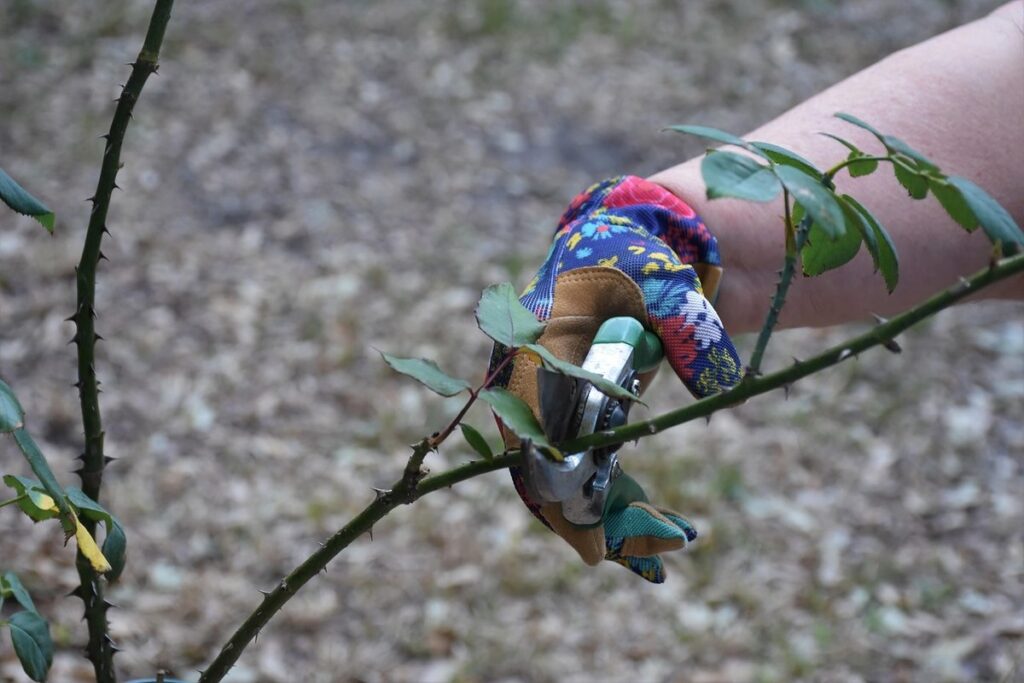
To begin with, wearing gloves while pruning is highly recommended. This helps prevent hand fatigue and reduces the risk of injury from thorns or rough bark. Choose a pair that provides adequate grip, flexibility, and protection for your hands. Some popular options include gardening gloves made from synthetic materials like nitrile or latex.
Investing in sharp pruners is also essential. Dull blades can cause more damage to plants than good ones. To maintain their sharpness, clean and oil them regularly. Use loppers for thicker branches (up to 2 inches), as they allow you to make precise cuts without having to cut back to a lateral bud.
It’s also worth noting that using loppers can reduce stress on the plant compared to cutting with pruners. When pruning in fall, focus on removing dead or diseased wood, while spring is best for shaping and maintaining plant structure.
Safety Precautions for Home Gardeners
When working with pruning tools, it’s easy to overlook safety precautions. However, this is one area where home gardeners should never skimp on caution. Wearing protective gear such as gloves and safety glasses can go a long way in preventing accidents.
Maintaining good posture while pruning is also essential. Avoid bending or overreaching for branches, as this can lead to back strain. Instead, use a step stool or ladder to access higher areas of the plant, and always maintain three points of contact with the ladder.
To avoid overexertion, take regular breaks when pruning larger plants or doing extensive work in your garden. It’s also crucial to be mindful of the weight and condition of your pruning tools, ensuring they are clean, sharp, and not too heavy for you to handle safely.
Conclusion: Choosing the Right Pruning Schedule
Now that we’ve weighed the pros and cons of pruning in fall versus spring, it’s time to determine which schedule is right for your garden.
Weighing the Benefits of Fall vs Spring Pruning
When deciding on the best pruning schedule for your garden, it’s essential to weigh the benefits of fall versus spring pruning. Both seasons have their advantages, and understanding them will help you make an informed decision.
Fall pruning offers several benefits, including:
* Improved air circulation: Pruning in fall helps remove dead or diseased branches, allowing for better air circulation around the plant.
* Reduced risk of disease transmission: Fall pruning can reduce the spread of diseases that thrive in moist environments, such as powdery mildew and root rot.
* Enhanced winter hardiness: Pruning in fall encourages new growth, which will be more resistant to cold temperatures.
On the other hand, spring pruning has its own set of advantages:
* New growth stimulation: Spring pruning can stimulate new growth, promoting healthy foliage and flower production.
* Control over shape: Pruning in the spring allows you to control the plant’s shape and size, making it easier to maintain a desired form.
However, there are also potential drawbacks to consider. For example, fall pruning may lead to excessive growth in the spring, while spring pruning can stress plants that have recently emerged from dormancy.
Ultimately, the decision of when to prune depends on your specific plant’s needs and your garden’s climate. If you’re unsure about which season is best for a particular plant, consult with local gardening experts or reference plant-specific guidelines. By considering the benefits and drawbacks of fall versus spring pruning, you’ll be better equipped to create a pruning schedule that works for your unique garden.
Frequently Asked Questions
What if I’m unsure about the climate and weather conditions in my area?
If you’re not sure about the climate and weather conditions in your region, consult with local nurseries, gardening experts, or check with your state’s cooperative extension office for guidance. This will help you make informed decisions when pruning plants. Understanding regional microclimates can also impact pruning decisions.
Can I prune in both fall and spring for the same plant type?
Yes, some plants benefit from pruning in both seasons, but it depends on their specific needs and growth habits. For example, flowering shrubs might require pruning after blooming in spring to maintain shape, while trees may need pruning in autumn for better structure.
How do I choose the right tools for effective pruning?
To ensure safe and effective pruning, use sharp, clean tools that are suitable for your plant type. Pruning shears or loppers with curved blades can help prevent damage to plants. Regularly disinfect tools with a 10% bleach solution to prevent spreading diseases.
What if I accidentally prune too much of my plant’s new growth in spring?
If you’ve pruned too much of your plant’s new growth, monitor it closely for signs of stress or disease. Prune back only the damaged areas, and make sure to water the plant well after pruning to help with recovery. In some cases, applying a balanced fertilizer can promote healthy regrowth.
How do I adapt my pruning schedule if I live in an area with extreme weather conditions?
If you live in an area prone to droughts or heavy rainfall, adjust your pruning schedule accordingly. For example, prune during periods of consistent moisture to minimize stress on plants. During heatwaves or dry spells, avoid pruning to prevent further water loss and stress.