
If you’re living in a compact city apartment or have limited outdoor space, you might be wondering how to squeeze in some greenery. Vertical gardening is an excellent solution for small spaces, offering numerous benefits that go beyond just aesthetic appeal. Not only can it help purify the air and improve energy efficiency, but it also provides a creative outlet for designing and building your own mini oasis. Whether you’re a seasoned gardener or a complete newbie, this article will guide you through the process of choosing the right plants, building your vertical garden, and maintaining it for optimal growth in small spaces like balconies, patios, or indoor rooms. By the end of it, you’ll be equipped with the knowledge to turn any compact space into a thriving, eco-friendly haven.
Benefits and Advantages of Vertical Gardening
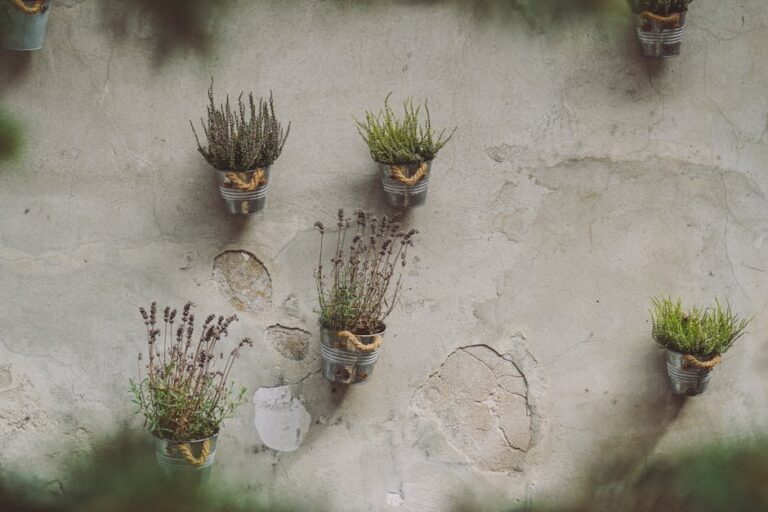
Now that we’ve explored how to set up a vertical garden, let’s dive into the amazing benefits you’ll experience when growing your own plants vertically in small spaces.
Space-Saving Potential
One of the most significant benefits of vertical gardening is its space-saving potential. By utilizing walls, trellises, and other structures, you can grow multiple plants in a compact area, making it perfect for small spaces. For instance, a single wall-mounted planter can hold up to 10-15 pots, providing more growing room than a traditional plot of land.
This efficiency also translates to increased yields. By training vines and climbers upwards, you can maximize space and encourage healthy growth. Plus, vertical gardens often have better air circulation, which reduces the risk of disease and pests. To get started, identify areas in your home or backyard with good sunlight and create a layout that makes the most of this natural resource.
When choosing plants for your vertical garden, select varieties that are compact or vining, such as cherry tomatoes, leafy greens, or flowering herbs. Use a trellis or obelisk to provide support for climbing plants like peas or beans. Remember to leave enough space between each planter for easy access and maintenance.
Energy Efficiency and Cost Savings
When it comes to maximizing space and minimizing waste in small vertical gardens, energy efficiency and cost savings are crucial considerations. By designing a thoughtful and well-planned vertical garden, you can significantly reduce your energy consumption while also saving on water usage and fertilizer costs.
One of the most significant benefits of vertical gardening is its ability to provide natural insulation. A lush canopy of plants can act as an effective barrier against extreme temperatures, keeping your space cooler in summer and warmer in winter. This reduces the need for air conditioning and heating, which are two of the largest contributors to energy consumption in homes. For example, a study by the University of California found that plants can lower indoor temperatures by up to 7 degrees Fahrenheit.
Efficient irrigation systems are another key aspect of vertical gardening that can help reduce water usage. By using rainwater harvesting systems and drip irrigation, you can minimize waste and ensure that every drop counts. This not only saves on water bills but also reduces the environmental impact of water consumption. To take it a step further, consider using self-watering planters or smart irrigation controllers to monitor and adjust watering schedules based on soil moisture levels.
Reduced fertilizer usage is another benefit of vertical gardening. By growing your own plants from seedlings or cuttings, you can avoid the need for commercial fertilizers altogether. Plus, many plants in vertical gardens thrive on natural nutrients found in potting mix, eliminating the need for synthetic additives.
Aesthetics and Design Options
A well-designed vertical garden can elevate the aesthetic of even the smallest outdoor space. Consider modern designs like living walls or modular planters that provide a sleek and contemporary look. Alternatively, you can opt for trellis options that add a touch of whimsy to your balcony or patio.
For balconies with limited space, vertical gardens can be cleverly integrated into existing structures such as railings or partitions. For instance, a trellis with built-in planters can be attached to the railing to create a lush green display that also serves as a room divider.
When it comes to creative uses for small spaces, consider repurposing an old ladder or pallet as a planter. This will not only save space but also add a rustic charm to your outdoor decor. By incorporating vertical gardens into your small space design, you can create a stunning and functional oasis that’s perfect for urban dwellers with limited space.
Choosing the Right Plants for Small Spaces
When selecting plants for your small space vertical garden, it’s essential to choose varieties that thrive in compact conditions and require minimal maintenance. This will ensure a lush display of greenery without overwhelming the area.
Compact and Dwarf Varieties
When working with limited space, it’s essential to choose compact plant varieties that can thrive in small areas. Consider herbs like ‘Thai Basil’, ‘Mint’, and ‘Chives’ which are perfect for vertical gardens due to their compact growth habits and ability to be harvested regularly. Leafy greens such as ‘Red Leaf Lettuce’, ‘Kale’, and ‘Spinach’ also do well in small spaces, requiring minimal care and providing a continuous harvest.
Dwarf flower varieties like ‘Petunia’, ‘Verbena’, and ‘Sweet Alyssum’ add color and texture to your vertical garden while taking up minimal space. When selecting plants for your climate and conditions, consider factors such as sunlight exposure, temperature tolerance, and moisture requirements. Research specific plant recommendations suitable for your region’s USDA Hardiness Zone to ensure optimal growth.
To get the most out of compact varieties, prune them regularly to maintain a bushy shape and encourage healthy growth. This not only keeps plants tidy but also promotes fruiting and flowering. Remember to choose containers that fit your space constraints while providing sufficient drainage and soil depth for your chosen plant varieties.
Considerations for Light and Temperature
When it comes to vertical gardening in small spaces, choosing plants that thrive in your specific environment is crucial. To ensure optimal growth and health for your mini-garden, consider the available light and temperature ranges of your space.
Most houseplants fall into three categories: low-light, medium-light, or high-light tolerant. If you’re placing your vertical garden near a north-facing window, choose plants like Chinese Evergreen, Pothos, or Snake Plant that can tolerate low light conditions. These plants are perfect for areas with limited natural light and will still purify the air and add some greenery to your space.
On the other hand, if you have a south-facing window with plenty of direct sunlight, consider high-light tolerant plants like Succulents, Cacti, or Bromeliads. Be mindful of temperature fluctuations, as some plants prefer warmer or cooler temperatures. For example, Orchids require a consistent temperature between 65-75°F (18-24°C), while Begonias thrive in temperatures above 60°F (15°C). Research the specific requirements for each plant to ensure you’re providing the best conditions for their growth and health. By selecting plants that match your space’s unique environment, you’ll be well on your way to creating a thriving vertical garden.
Tips for Plant Spacing and Arrangement
When it comes to vertical gardening in small spaces, plant spacing and arrangement can make all the difference. A well-planned layout will not only maximize space but also promote healthy growth and prevent overcrowding. Here are some practical tips to keep in mind:
* Consider the mature size of each plant: Research the expected height and spread of each plant variety to ensure they won’t outgrow their allocated space.
* Leave enough breathing room: Provide at least 6-8 inches between plants to allow for air circulation, prevent fungal diseases, and make maintenance easier.
* Group similar plants together: Planting similar species or varieties together can create a visually appealing display while also reducing competition for resources.
* Vary plant heights and textures: Mixing tall plants with shorter ones adds depth and visual interest to your space. Combine different foliage types, like leafy greens and flowering plants, to create a dynamic look.
By following these simple guidelines, you’ll be able to create a thriving vertical garden that’s both beautiful and functional. Remember, the key is to strike a balance between maximizing space and providing each plant with enough room to grow.
Designing and Building Your Vertical Garden
Now that you have a clear plan, let’s dive into designing and building your vertical garden, where we’ll walk you through the essential steps for success.
Materials and Tools Required
To build a thriving vertical garden in small spaces, you’ll need to gather the right materials and tools. Start by choosing a suitable trellis or wall-mounted planter system that can support the weight of your plants and accommodate their root systems. You can opt for pre-made planters or create your own using reclaimed wood, PVC pipes, or metal frames.
In addition to the structure itself, you’ll need an efficient irrigation system to provide consistent moisture levels. This can be achieved through drip irrigation, soaker hoses, or even a simple watering can with built-in nozzles. Don’t forget to include a reliable drainage mechanism to prevent waterlogged soil and root rot.
Other essential tools include a trowel for planting seeds and seedlings, pruning shears for maintaining plant shape and promoting healthy growth, and a gentle brush for dusting off leaves. Consider investing in a gardening kneeler or mat to protect your knees while working at ground level. By gathering these materials and tools, you’ll be well on your way to creating a lush and thriving vertical garden that brings joy and serenity to even the smallest of spaces.
Step-by-Step Instructions for Assembly and Installation
When assembling and installing your vertical garden, it’s essential to follow these step-by-step instructions to ensure a sturdy and secure setup.
Start by gathering all the necessary tools and materials, including screws, wall anchors, and a level. Begin by attaching the trellis or panel system to the back of the frame using screws or brackets. Make sure the panels are securely fastened to prevent any shifting during use.
Next, attach the irrigation system according to the manufacturer’s instructions. This may involve connecting tubes, placing drippers or sprayers, and adjusting water flow rates. Be sure to test the system before planting to ensure it’s functioning correctly.
When installing your vertical garden on a wall or other structure, use wall anchors or screws to secure it firmly in place. Double-check that the frame is level and plumb to prevent any uneven weight distribution. Finally, attach the planters or pockets according to the manufacturer’s instructions, leaving enough space for root growth and easy maintenance.
By following these steps, you’ll be able to create a stable and thriving vertical garden that brings beauty and freshness to even the smallest of spaces.
DIY vs. Pre-Made Options: Weighing the Pros and Cons
When it comes to designing and building your vertical garden, one of the biggest decisions you’ll face is whether to go with a DIY option or opt for pre-made systems. Both have their pros and cons, which are worth considering before making a decision.
On the one hand, pre-made vertical gardens offer convenience and ease of use. They often come with built-in irrigation systems, trellises, and other features that can make setup and maintenance a breeze. This can be particularly appealing for those new to vertical gardening or short on time. However, these systems can be pricey, especially for larger spaces. For example, a high-end pre-made system for a 4′ x 8′ wall could cost upwards of $1,000.
On the other hand, DIY options allow for complete customization and control over your design. You can choose from a wide range of materials, such as reclaimed wood or PVC pipes, and get creative with your layout. This approach also tends to be more budget-friendly, as you only need to purchase the specific components needed for your space. However, DIY projects often require more time and effort upfront, including researching and gathering materials, constructing the frame, and setting up irrigation systems.
Ultimately, the decision between DIY and pre-made options comes down to your personal preferences and needs. If you’re short on time or want a hassle-free experience, pre-made systems may be the way to go. But if you enjoy hands-on projects and are willing to put in the effort, DIY vertical gardens can offer a rewarding and cost-effective solution.
Maintenance and Care of Your Vertical Garden
To keep your vertical garden thriving, it’s essential to understand the unique maintenance requirements that come with growing plants upwards. Regular checks and TLC will ensure your space remains lush and vibrant all year round.
Watering and Irrigation Systems
When it comes to maintaining your vertical garden in a small space, efficient watering systems are essential. This is where drip irrigation and self-watering planters come into play. Drip irrigation delivers water directly to the roots of each plant, reducing evaporation and runoff by up to 90%. This not only conserves water but also reduces the risk of overwatering, which can be detrimental to your plants’ health.
Self-watering planters are another great option for vertical gardens in small spaces. These planters have a built-in water reservoir that supplies moisture to the roots as needed. This means you’ll need to water less frequently, making it ideal for busy gardeners or those who tend to forget to water their plants (no judgment!).
You can also take advantage of rainwater harvesting systems, which collect and store rainwater for later use. By installing a rain barrel under your downspout, you can save up to 50 gallons of water per storm event. This is not only good for the environment but also a great way to reduce your water bill.
It’s worth noting that some vertical gardening systems come equipped with built-in irrigation systems. If you’re planning on installing one of these systems, be sure to research and choose one that suits your specific needs and space constraints.
Fertilization and Pest Management
Maintaining healthy soil conditions through fertilization and pest management is crucial for the success of your vertical garden. Since you’re working with a small space, it’s essential to use efficient and targeted methods to ensure your plants receive the necessary nutrients.
For fertilization, consider using a balanced fertilizer that contains equal amounts of nitrogen, phosphorus, and potassium (NPK). You can also opt for organic options like compost tea or worm casting. These natural fertilizers are not only eco-friendly but also promote healthy soil microorganisms. To save space, use a fertilizer with a slow-release formula to avoid frequent applications.
When it comes to pest management, avoid using harsh chemicals that can harm your plants and the environment. Instead, adopt integrated pest management (IPM) strategies that combine physical barriers, cultural controls, and biological controls. For example, use fine mesh screens or row covers to prevent pests from reaching your plants. Regularly inspect your garden for signs of infestation and remove any affected areas to prevent further damage. By implementing these strategies, you can maintain a healthy balance in your vertical garden ecosystem without compromising the environment.
Regular Pruning and Training Techniques
To keep your vertical garden thriving, regular pruning and training techniques are crucial. Pruning not only maintains the shape of your plants but also promotes healthy growth and prevents overgrowth that can lead to reduced yields. Start by removing dead or diseased leaves and stems, making clean cuts just above a node to encourage new growth.
Training involves guiding the plant’s growth in a specific direction, which is particularly important for vertical gardens where space is limited. Use trellises, stakes, or twine to support climbing plants like peas, beans, or ivy. For smaller plants, prune them regularly to keep them bushy and promote more blooms. Water your garden thoroughly before pruning to prevent shock.
To train vining plants, gently twist the stems around their supports, securing them with clips or ties if necessary. This will help direct the plant’s energy towards the desired direction. Prune at least once a month during peak growing seasons to keep your vertical garden looking its best and producing a bountiful harvest.
Challenges and Solutions for Vertical Gardening in Small Spaces
When it comes to vertical gardening in small spaces, you’ll inevitably face challenges that can make or break your green thumb. Let’s tackle some of these common hurdles together and explore practical solutions.
Common Issues and Troubleshooting Tips
When growing vertically in small spaces, you’ll inevitably encounter some common issues that can hinder your progress. Limited sunlight is one of the most significant challenges, especially for indoor vertical gardens. To mitigate this, consider placing plants near south-facing windows or using grow lights to supplement natural light.
Another issue you may face is nutrient deficiencies. This can be due to poor soil quality, inadequate fertilization, or insufficient watering. Regularly test your soil pH and adjust it accordingly. Use a balanced fertilizer (e.g., 10-10-10 NPK) and follow the manufacturer’s instructions for application rates. Monitor your plant’s water needs carefully, as overwatering can exacerbate nutrient deficiencies.
Pest infestations are another common problem in vertical gardens. Watch out for signs of pests like aphids, whiteflies, and spider mites. Use physical barriers like fine mesh or fine netting to prevent pests from reaching your plants. If an infestation occurs, treat the affected area with neem oil or insecticidal soap.
By being aware of these potential issues and taking proactive steps to address them, you can enjoy a thriving vertical garden in even the smallest of spaces.
Overcoming Obstacles with Creative Problem-Solving
When tackling vertical gardening in small spaces, it’s inevitable that obstacles will arise. Limited space, poor air circulation, and extreme temperatures can quickly become roadblocks to your green thumb success. However, with a dash of creative problem-solving, these challenges can be overcome.
For instance, consider using tiered planters or wall-mounted garden systems to maximize vertical real estate. This not only increases the number of plants you can grow but also allows for better air circulation and sunlight penetration. You can also repurpose unconventional containers like old boots, colanders, or wooden crates to add a unique touch to your space.
Another innovative solution is implementing aeroponic or hydroponic systems, which reduce water consumption by up to 90% compared to traditional soil-based gardening methods. These systems are ideal for spaces with limited air circulation, as they eliminate the need for soil and promote healthy root growth.
In extreme temperatures, use thermal mass materials like stone or brick to regulate soil temperature and protect your plants from frost damage. By thinking outside the box and exploring creative solutions, you can overcome even the most daunting challenges and enjoy a thriving vertical garden in the smallest of spaces.
Inspiration from Real-Life Examples and Case Studies
When it comes to vertical gardening in small spaces, looking at real-life examples and case studies can be incredibly inspiring. Let’s take a look at the innovative ways people have maximized their space.
In Tokyo, for instance, residents are making the most of narrow balconies with compact vertical gardens. These mini-gardens are not only beautiful but also highly productive, providing fresh produce to families throughout the year.
Similarly, in New York City’s dense boroughs, apartment dwellers have transformed fire escape railings into lush green walls using modular planters and trellises. These small spaces are now home to an assortment of herbs, leafy greens, and even strawberries.
One notable example is a 25-story building in Chicago where residents have turned their balconies into thriving vertical gardens using space-saving planters and clever irrigation systems. The results? Over 30,000 pounds of produce harvested annually!
These examples demonstrate that with creativity and the right tools, anyone can create a thriving vertical garden even in the smallest of spaces. By learning from others who have successfully maximized their green thumb, you too can unlock your potential and start growing your own food – no matter where you live!
Conclusion and Future Directions for Small Space Gardening
Now that we’ve explored the ins and outs of vertical gardening, let’s take a step back to summarize what you’ve learned and look ahead to future possibilities.
Recap of Key Takeaways and Best Practices
In conclusion to our exploration of vertical gardening in small spaces, it’s essential to recap the key takeaways and best practices that will help you maximize your green thumb. First and foremost, remember that every space is unique and can be adapted for vertical gardening – whether it’s a balcony, patio, or indoor area. To get started, choose the right materials and equipment, such as planters, trellises, and irrigation systems.
When planning your vertical garden, prioritize a mix of plants with varying light and watering requirements to create a thriving ecosystem. Consider using self-watering planters or implementing a drip irrigation system for efficient water use. Don’t forget to install a trellis or support system for climbing plants like peas, beans, and cucumbers.
Some final best practices include regular pruning and maintenance to ensure your plants receive the right amount of sunlight and air circulation. By following these key takeaways and staying committed to your vertical garden, you’ll be harvesting fresh produce in no time. Happy gardening!
Opportunities for Advancements in Vertical Gardening Technology
As we conclude our exploration of vertical gardening in small spaces, it’s exciting to consider the emerging trends and technologies that may revolutionize this field. One area with tremendous potential is aeroponics, a method of plant cultivation that uses misted nutrients instead of soil. This approach not only conserves water but also increases crop yields by up to 30%. For instance, companies like AeroGarden are already using aeroponic systems to grow herbs and leafy greens in small spaces.
Another promising development is hydroponics, which involves growing plants in nutrient-rich solutions rather than soil. Hydroponic systems can be particularly beneficial for urban gardeners, as they allow for more control over the nutrient delivery and can increase crop yields by up to 20%. Additionally, artificial lighting systems are becoming increasingly sophisticated, enabling growers to provide their plants with customized spectrums and intensities that promote optimal growth.
These emerging technologies have the potential to make vertical gardening even more accessible and productive in small spaces.
Frequently Asked Questions
Can I use any type of plant for vertical gardening, or are there specific varieties that thrive better?
When choosing plants for your vertical garden, it’s essential to select varieties that are compact, drought-tolerant, and suitable for small spaces. Consider using compact and dwarf varieties, such as herbs like basil or mint, or leafy greens like lettuce or kale. These plants will not only save space but also require minimal care.
How do I ensure my vertical garden receives the right amount of light?
Light is a crucial factor in successful vertical gardening. Most plants require at least 4-6 hours of direct sunlight per day. If your space has limited natural light, consider using grow lights or positioning your vertical garden near a south-facing window. Be sure to research the specific lighting requirements for the plants you’re growing.
What are some common mistakes to avoid when building and maintaining my vertical garden?
Some common pitfalls to watch out for include inadequate drainage, overwatering, and poor air circulation. Make sure to use a well-draining potting mix, monitor watering schedules closely, and ensure good airflow around your plants. Regular pruning and training will also help prevent overcrowding and promote healthy growth.
Can I incorporate other features like seating or storage into my vertical garden?
Yes! Vertical gardens can be designed to serve multiple purposes. Consider incorporating built-in seating areas, shelving for storage, or even a planter with a self-watering system. This will not only maximize your space but also create a functional and inviting outdoor area.
How do I address pests and diseases in my vertical garden?
Pest management is an essential aspect of maintaining a healthy vertical garden. Use physical barriers like fine mesh to prevent insects from reaching your plants, or try introducing beneficial insects that prey on common pests. Regularly inspect your plants for signs of disease and take prompt action with organic treatments or fungicides as needed.