
When it comes to giving your garden a nutrient boost, you’ve likely heard of two popular soil amendments: vermicompost and compost. But which one is best for your unique needs? Both options have their benefits and drawbacks, making it crucial to understand the differences between them. Vermicompost, made from worm castings, offers exceptional nutrient-dense properties that can improve plant health and resilience. Compost, on the other hand, provides a broader range of benefits, including improved soil structure and fertility. In this article, we’ll dive into the benefits and advantages of both vermicompost and compost, helping you decide which one is right for your garden. By comparing these two soil amendments, you’ll gain a deeper understanding of how to optimize your gardening results.
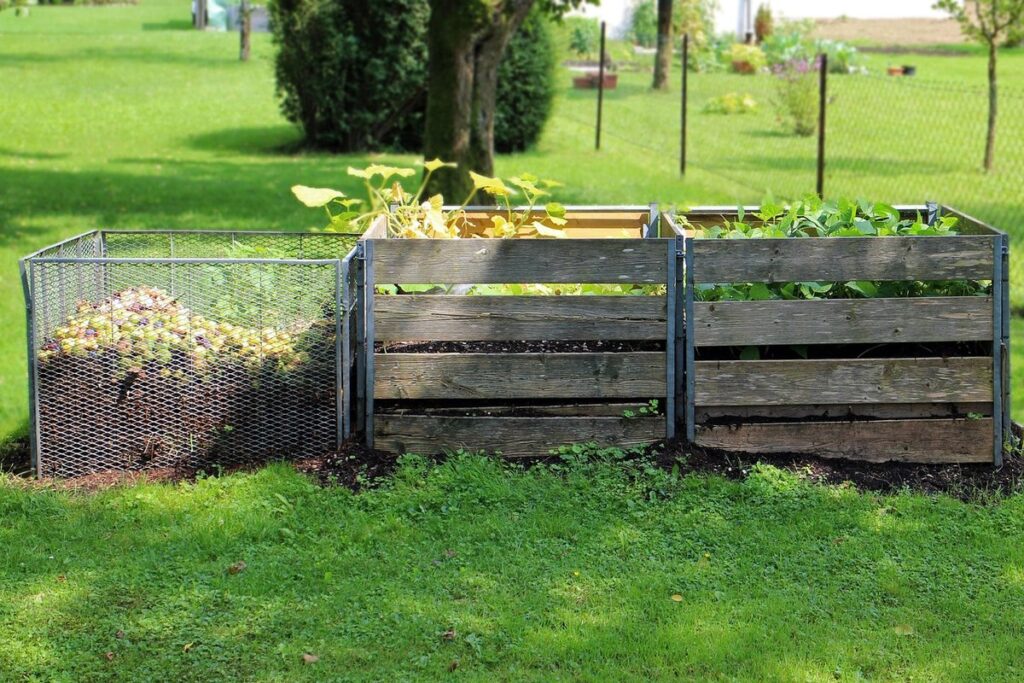
What is Vermicompost?
So, you want to know what vermicompost is all about? Let’s start by breaking down the basics and exploring what makes it a unique and valuable resource for gardeners.
Definition and History of Vermicomposting
Vermicomposting is a unique and efficient method of turning organic waste into nutrient-rich fertilizer. At its core, vermicomposting involves using worms to break down food scraps and other organic materials, creating a high-quality compost that’s perfect for gardening and indoor plants. The concept of vermicomposting has been around for centuries, with ancient civilizations like the Chinese and Aztecs using worms to recycle waste.
However, modern vermicomposting gained popularity in the 1970s through the work of Dr. Clive Edwards, a Canadian scientist who developed the first commercial worm composting system. Unlike traditional composting methods, which rely on microorganisms to break down organic matter, vermicomposting utilizes the digestive power of red wiggler worms (Eisenia fetida) to decompose and recycle waste.
One key difference between vermicomposting and traditional composting is the speed at which it occurs. Vermicomposting can produce a finished product in as little as two weeks, whereas traditional composting can take months or even years. Additionally, vermicomposting produces a more stable pH level and higher nutrient content compared to traditional compost.
Benefits of Vermicompost for Plants
When you incorporate vermicompost into your soil amendment routine, you’ll be amazed at the benefits it brings to your plants. One of the most significant advantages is improved plant growth. Vermicompost is packed with a broad spectrum of nutrients that are readily available for your plants to absorb. This means they’ll grow faster and stronger, producing healthier leaves and roots.
The increased nutrient uptake also leads to enhanced microbial activity in the soil. Beneficial microbes thrive on the humus-rich environment created by vermicompost, which in turn breaks down organic matter efficiently and promotes soil structure improvement. This balance of nutrients and microorganisms fosters a healthy ecosystem that supports your plants’ growth.
To maximize these benefits, use vermicompost as a 20-30% mix with other amendments, such as compost or manure. Apply it to the root zone when transplanting seedlings, or incorporate it into the soil to create a nutrient-rich profile for established plants.
What is Compost?
Composting is a fundamental concept in gardening and sustainability, but what exactly does it mean to create compost? Let’s dive into the basics of composting.
Definition and Types of Composting
Composting is the process of breaking down organic materials into a nutrient-rich soil amendment. This natural process involves the decomposition of plant and animal residues by microorganisms such as bacteria and fungi, which release carbon dioxide, water vapor, and heat as byproducts.
There are several types of composting methods, each with its own approach to achieving this breakdown. Hot composting is one popular method that requires active management, including regular turning and monitoring of temperature. This process can take anywhere from a few weeks to a few months, depending on factors like the carbon-to-nitrogen ratio and moisture levels.
Cold composting, on the other hand, is a more hands-off approach where materials are simply added to a pile without regular maintenance. While it’s slower than hot composting, cold composting can still produce high-quality compost after 6-12 months.
Both vermicomposting (which we’ll explore in detail later) and traditional composting share similar goals – creating a nutrient-dense soil amendment for gardening and other applications. However, the methods differ significantly in terms of scale, complexity, and environmental impact.
Benefits of Using Compost in Gardening
Using compost as a soil amendment is one of the most effective ways to improve the overall health and fertility of your garden. By incorporating compost into your soil, you can achieve better drainage, increased water retention, and improved nutrient availability for plants. This is because compost is rich in beneficial microorganisms that help break down organic matter and make essential nutrients more accessible to plant roots.
As a result, using compost in gardening leads to several significant benefits. For one, it increases the soil’s fertility by providing an abundance of vital micronutrients like nitrogen, phosphorus, and potassium. This results in healthier plants with more vibrant colors and robust growth patterns. Moreover, composting reduces waste by recycling organic materials that would otherwise end up in landfills.
To get started with using compost in your garden, simply mix it into the top 6-8 inches of soil before planting or add a layer of compost on top of the existing soil as a mulch. Aim for a ratio of about 10% to 20% compost content in the soil mixture for optimal results.
Key Differences Between Vermicompost and Compost
Now that we’ve explored the benefits of vermicomposting, let’s dive into the key differences between this method and traditional composting. What sets these two processes apart?
Nutrient Content and Availability
When it comes to nutrient content and availability, vermicomposting has been shown to produce higher-quality nutrients compared to traditional composting. This is because the worm’s digestive system breaks down organic matter more efficiently, resulting in a more concentrated and readily available form of nutrients.
One key benefit of vermicompost is its ability to retain nitrogen, phosphorus, and potassium (NPK) at levels significantly higher than compost. For example, a study found that vermicompost contained 5-6 times more NPK than traditional compost. This means that vermicompost can provide a boost to plant growth and development, leading to healthier and more productive crops.
In contrast, compost often requires additional processing steps to unlock its full potential as a nutrient-rich fertilizer. Vermicomposting eliminates the need for these extra steps, making it a more efficient and cost-effective option for gardeners and farmers alike. By choosing vermicompost over traditional compost, you can give your plants the best possible start in life.
Microbial Activity and Diversity
In vermicomposting, microbial activity and diversity are significantly enhanced due to the presence of worms. These earthworms break down organic matter at a rate faster than traditional composting methods. As a result, a more diverse range of microorganisms thrive within the vermicomposting system. This increased microbial activity leads to improved nutrient cycling and a wider array of beneficial microbes.
For instance, studies have shown that vermicompost contains higher levels of fungi and bacteria compared to traditional compost. These microbes are essential for decomposing organic matter and creating a stable humus-rich soil amendment. Worm castings, the end product of vermicomposting, contain an average of 20-30% more beneficial microorganisms than regular compost.
To replicate this process in your own backyard, start by ensuring that your worm population is healthy and diverse. Regularly monitoring pH levels and maintaining optimal moisture will also contribute to a thriving microbial community.
Advantages of Vermicompost Over Compost
When it comes to choosing between vermicompost and compost, one of the key benefits of vermicomposting is its ability to break down organic matter faster. This makes vermicompost a more efficient fertilizer for your garden.
Reduced Labor and Space Requirements
One of the most significant advantages of vermicomposting over traditional composting is its reduced labor and space requirements. This makes it an ideal choice for urban gardeners or small-scale farmers who often have limited space to dedicate to waste management.
Vermicompost can be done in as little as a few square feet, making it perfect for balconies, patios, or indoor spaces. Unlike traditional composting methods that require large piles of decomposing materials, vermicomposting uses worms to break down food waste and other organic materials in a compact, contained system.
In fact, some popular vermicomposting systems can be as small as 2×4 feet, which is roughly the size of a small bookshelf. This makes it easy to set up a vermicomposting system in even the most cramped urban spaces. With minimal labor required, you can let the worms do the hard work for you, leaving you more time to focus on gardening and growing your own food.
To get started with vermicomposting, simply purchase a worm bin or create your own using a plastic container and add a few pounds of red wiggler worms. Add your organic waste and let the worms do their magic! With a little patience and maintenance, you’ll be harvesting nutrient-rich vermicompost in no time.
Improved Odor Control and Aesthetics
One of the most significant advantages of vermicomposting over traditional composting is the reduced odor and improved aesthetics associated with it. Unlike conventional composting methods that often produce pungent odors and unappealing piles, vermicomposting uses worms to break down organic matter, resulting in a much more pleasant and odor-free process.
This is because worms are highly efficient at processing organic waste, leaving behind a nutrient-rich humus with minimal residual material. As a result, vermicomposters often report that their worm bins are virtually odorless, even when handling large quantities of waste. In contrast, traditional compost piles can emit strong smells and attract pests due to the anaerobic conditions and high carbon-to-nitrogen ratios.
To achieve improved aesthetics with vermicomposting, simply ensure your worm bin is well-maintained, with adequate ventilation, moisture levels, and food supply. By following these guidelines, you’ll be able to create a thriving worm community that produces a valuable fertilizer without the unpleasant odors and unsightly appearance often associated with traditional composting methods.
Advantages of Compost Over Vermicompost
While vermicomposting has its benefits, composting offers several advantages that make it a more practical choice for many gardeners. Let’s explore why compost might be the better option for you.
Scalability and Cost-Effectiveness
Composting can be scaled up for large-scale farming or industrial applications, making it a more cost-effective option. One of the key advantages of composting is its ability to handle massive amounts of organic waste. For instance, a large-scale farm can process thousands of tons of food waste per year, which would be difficult and expensive to manage with vermicomposting.
To scale up composting operations, it’s essential to invest in efficient equipment such as turners, aerators, and carbon-to-nitrogen ratio analyzers. These tools enable farmers to quickly mix and maintain optimal conditions for decomposition. Moreover, composting facilities can be designed to accommodate large volumes of waste, allowing for a significant reduction in operational costs.
In comparison, vermicomposting is often limited by the availability of space and resources required for worm beds. As the demand for organic fertilizer increases, scaling up composting operations becomes more viable and cost-effective. By leveraging modern composting technologies and techniques, farmers can produce large quantities of high-quality compost at a lower cost per unit than vermicompost. This is particularly beneficial for industrial applications where massive amounts of fertilizer are required.
Nutrient Retention and Longevity
Compared to vermicompost, compost has the potential for longer-term nutrient retention. This is because composting involves a more complex process that breaks down organic materials into a stable humus-like substance, allowing it to retain nutrients over an extended period.
The key difference lies in the microbial activity during the decomposition process. Composting encourages the growth of diverse microbe populations, which work together to stabilize the carbon-to-nitrogen ratio and lock in nutrients. This balance creates a long-lasting nutrient reserve that can be tapped into by plants for extended periods.
In contrast, vermicompost’s reliance on earthworms limits its ability to retain nutrients over time. While vermicomposting is incredibly efficient at breaking down organic matter, it doesn’t create the same level of microbial diversity as composting. As a result, nutrient retention in vermicompost tends to be shorter-lived.
To reap the benefits of longer-term nutrient retention with compost, focus on creating an optimal carbon-to-nitrogen ratio and maintaining adequate moisture levels throughout the decomposition process. Regular mixing and turning can also help ensure that microbe populations remain active and nutrient-rich.
Comparison of Vermicomposting and Composting Methods
Now that we’ve explored the benefits of vermicompost, let’s dive into a comparison of this method with traditional composting to see how they stack up. We’ll examine their differences in detail here.
Equipment and Infrastructure Requirements
When it comes to setting up a vermicomposting or composting system, one of the key considerations is the equipment and infrastructure requirements. In this regard, vermicomposting often requires less space and specialized equipment compared to traditional composting methods.
To start vermicomposting, you’ll need a worm bin or a vermicomposting system specifically designed for housing worms. These bins are typically made of plastic or wood and have adequate ventilation to ensure oxygen flow for the worms. The ideal size for a home vermicomposting setup is usually around 1-2 cubic feet.
In contrast, traditional composting requires a much larger area for turning and aerating the pile. Compost piles can range from a few square meters to several acres in commercial settings. You’ll also need specialized equipment like pitchforks, compost turners, or even tractors to manage large-scale composting operations.
Keep in mind that vermicomposting is a more space-efficient and user-friendly method, especially for small-scale applications. However, both methods require careful planning and maintenance to ensure efficient decomposition and nutrient-rich outputs.
Environmental Impact and Sustainability
When it comes to environmental impact and sustainability, both vermicomposting and composting have their own strengths and weaknesses. Vermicomposting, as a worm-based method, tends to be more energy-efficient compared to traditional composting methods. Worms work tirelessly 24/7, breaking down organic matter without the need for mechanical equipment or heat generation.
In contrast, traditional composting often requires significant amounts of energy for turning and aerating the pile, which can lead to greenhouse gas emissions. Vermicomposting also generates less waste compared to composting, as worms consume all the feedstock, leaving behind a nutrient-rich vermicompost with minimal solid waste.
A key factor in evaluating sustainability is the carbon footprint associated with each method. Studies have shown that vermicomposting produces significantly lower emissions than traditional composting methods. For instance, one study reported a 90% reduction in CO2 emissions from vermicomposting compared to composting. By choosing vermicomposting over composting, you can contribute to reducing your ecological footprint and create a more sustainable environment for future generations.
If you’re looking to adopt a low-energy, waste-reducing approach to managing food scraps, consider setting up a vermicomposting system in your backyard or community garden. This will not only minimize your environmental impact but also provide a valuable source of nutrient-rich fertilizer for your plants.
Choosing Between Vermicompost and Compost: Factors to Consider
When deciding between vermicompost and compost, several key factors come into play, including your gardening goals and available resources. Let’s explore these crucial considerations together.
Garden Type, Size, and Purpose
When deciding between vermicomposting and composting, it’s essential to consider the type of garden you have. For instance, if you’re growing vegetables indoors, vermicomposting might be a better choice due to its ability to break down organic matter quickly and efficiently. On the other hand, outdoor gardens with large areas can benefit from traditional composting methods.
Consider the purpose of your garden as well. If you want to create nutrient-rich soil for specific plants like roses or flowers, vermicomposting is an excellent option. This method produces a finer, more balanced compost that’s perfect for these types of plants.
Garden size also plays a significant role in this decision. Small indoor gardens with limited space can benefit from vermicomposting due to its compact design and minimal odor production. Larger outdoor gardens, however, might require traditional composting methods or a combination of both approaches. Ultimately, understanding your garden’s type, purpose, and size will help you determine the best approach for your needs.
Budget, Time Commitment, and Space Constraints
When deciding between vermicomposting and composting, it’s essential to consider your budget, time commitment, and space constraints. These factors can significantly impact the feasibility and effectiveness of each method.
Vermicomposting is often more expensive than composting, especially when you factor in the cost of worms or a worm bin. However, if you’re starting small, you can begin with just a few pounds of worms and expand as needed, making it more budget-friendly in the long run. On the other hand, composting requires an initial investment in equipment like bins or tumblers, but the costs are relatively low compared to vermicomposting.
Time commitment is another crucial consideration. Vermicomposting requires regular monitoring of moisture levels, temperature, and pH, which can take up to 30 minutes a week. Composting also needs regular maintenance, including turning the pile, adding new materials, and monitoring for pests. However, composting can be less time-consuming than vermicomposting since it doesn’t require daily feeding or harvesting.
Space constraints can also limit your options. Vermicomposting requires a dedicated space for the worm bin, which can take up several square feet. Composting, on the other hand, can be done in smaller spaces, such as balconies or rooftops, and even indoors with a compact bin.
To overcome these challenges, consider the following:
* Start small with vermicomposting by beginning with just a few pounds of worms and expanding your operation gradually.
* Invest in a high-quality worm bin that’s durable and easy to maintain.
* Allocate specific times each week for monitoring and maintenance tasks.
* Use space-saving solutions like vertical composting bins or indoor compactors for composting.
Frequently Asked Questions
Can I use vermicompost as a substitute for compost tea in my garden?
Yes, you can use vermicompost as an alternative to compost tea, but it’s essential to note that they serve different purposes. Vermicompost is a finished product, rich in nutrients and beneficial microbes, whereas compost tea is a liquid solution that helps to repopulate the soil with beneficial microorganisms.
How do I balance my diet of vermicompost and compost for optimal plant growth?
To achieve the best results, consider your specific garden needs. If you’re looking for high nutrient density, vermicompost may be the better choice. However, if you want to improve soil structure and fertility over time, a balanced blend of both vermicompost and compost could be ideal.
Can I use food waste with citrus or onion peels in my vermicomposting bin?
While some organic matter is perfectly fine for vermicomposting, items like citrus or onion peels can be too acidic or strong-smelling. Stick to a balanced diet of “green” materials (food scraps) and “brown” materials (dried leaves, straw), which will help maintain an optimal carbon-to-nitrogen ratio.
How often should I harvest my vermicompost?
For maximum nutrient retention and minimal odors, aim to harvest your vermicompost every 1-3 months. This frequency may vary depending on factors like worm population, bedding type, and temperature.
Can I use compost in potting mixes for seed starting?
Compost is an excellent addition to potting mixes for seed starting, as it provides essential nutrients and beneficial microbes to young plants. However, be cautious not to overdo it – a small percentage of compost added to your mix can make a significant difference without overwhelming the delicate roots of seedlings.