
Are you tired of using chemical-laden mulches or struggling with soil erosion on your farm or garden? Look no further than white clover as living mulch. This unassuming legume is a powerhouse when it comes to improving soil health, suppressing weeds, and controlling erosion. By incorporating clover into your landscape, you can enjoy the benefits of nitrogen fixation, improved fertility, and reduced water loss. But that’s not all – clover also provides a natural barrier against weeds and pests, reducing the need for pesticides and herbicides. In this article, we’ll explore the many advantages of using white clover as living mulch, from its environmental benefits to its ease of use and maintenance.
What is Living Mulch?
Living mulch refers to a layer of plants that cover and protect the soil, but unlike regular mulch, they continue to grow. In this case, clover serves as both a living mulch and a beneficial addition to your garden.
Definition and Purpose
Living mulch is a sustainable agriculture practice that’s gaining popularity worldwide. At its core, living mulch refers to a layer of plants, typically herbaceous perennials like clover, that cover the soil between crop rows or around individual plants. These plants help retain moisture, suppress weeds, and add organic matter to the soil as they grow.
But why is living mulch so important in sustainable agriculture? By incorporating living mulches into your farming practices, you can significantly reduce the need for synthetic fertilizers, herbicides, and irrigation systems. Living mulches also promote biodiversity by creating a habitat for beneficial insects and microorganisms that help break down organic matter and cycle nutrients.
In this context, clover stands out as an exceptional choice for living mulch due to its rapid growth rate, deep taproot, and ability to fix atmospheric nitrogen. This makes it an excellent option for reducing soil erosion, improving soil health, and increasing crop yields. By using clover as a living mulch, you can take the first step towards creating a more resilient and sustainable agricultural ecosystem on your land.
Types of Living Mulches
In addition to clover, there are several other types of living mulches that you can use for your garden or yard. Living mulches like buffalo grass and blue grama grass are great options for warm climates and dry soil conditions. These types of grasses are drought-tolerant and require minimal maintenance, making them perfect for areas with limited water supply.
Legumes such as rye, oats, and wheat can also be used as living mulches. They’re excellent for adding nutrients to the soil through nitrogen fixation, improving soil health, and suppressing weeds. Some examples of legume-based living mulches include winter rye and spring oats. These types of living mulches are perfect for areas with rich soil and adequate water supply.
Keep in mind that different types of living mulches have unique characteristics that may not be suitable for your specific climate or garden conditions. It’s essential to research and choose a living mulch that fits your needs and preferences. Clover, as we’ll discuss later, is an excellent option due to its hardiness, ease of establishment, and numerous benefits for the environment.
History and Background on Clover
Let’s take a step back and explore where clover comes from, its origins, and how it evolved into a popular living mulch solution for gardeners. This brief history sets the stage for its many benefits and uses.
Origins and Evolution of White Clover
White clover has been cultivated for centuries, with its origins dating back to Europe. The plant’s history is closely tied to that of its cousin, red clover, which was also introduced from Europe to North America. White clover (Trifolium repens) is native to the Mediterranean region and was first mentioned in ancient Greek texts as a valuable crop for hay production.
As European settlers arrived in the Americas, they brought their knowledge of white clover cultivation with them. The plant’s hardy nature and ability to thrive in poor soil made it an attractive option for farmers looking to improve soil fertility and suppress weeds. In the 18th century, white clover was widely cultivated as a hay crop in the eastern United States, particularly in areas where red clover couldn’t grow well.
Today, white clover remains a popular choice for gardeners and landscapers due to its versatility and low-maintenance requirements. Its extensive root system allows it to outcompete weeds, making it an ideal living mulch option for lawns, meadows, and other areas prone to weed growth.
Red Clover vs. White Clover – Which is Best?
When it comes to using clover as a living mulch, you may have come across two popular options: red clover and white clover. While both types of clover share many benefits, they also have some key differences that can affect their performance as living mulches.
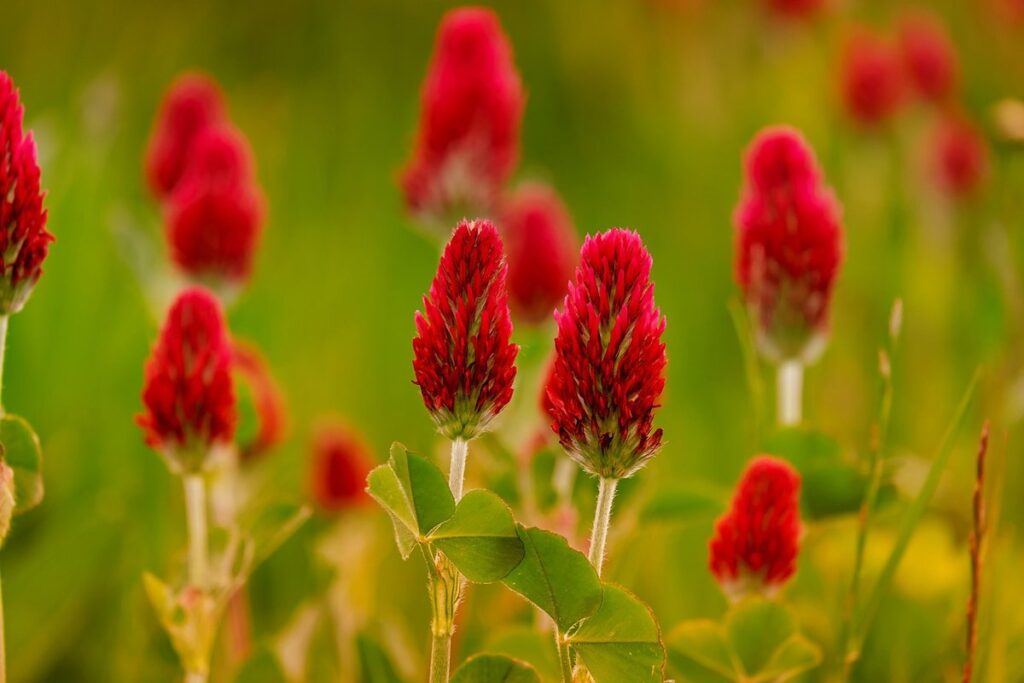
Red clover is generally considered more aggressive than white clover, meaning it will grow faster and spread further. This makes it a good choice for areas with heavy foot traffic or where you need to suppress weeds quickly. On the other hand, white clover is more suitable for areas with poor soil quality or where you want a more delicate growth habit.
In terms of advantages, red clover tends to fix nitrogen more efficiently than white clover, which can be beneficial in soils with low fertility. However, it also requires more maintenance and may require mowing or trimming regularly to keep it under control. White clover, on the other hand, is often preferred for its ability to form a dense mat that suppresses weeds effectively, making it a great choice for areas where you want to reduce the need for herbicides.
Ultimately, the decision between red clover and white clover comes down to your specific needs and preferences. If you’re looking for a more aggressive growth habit and don’t mind regular maintenance, red clover may be the better choice. But if you prefer a more laid-back approach and want a living mulch that’s easy to care for, white clover is likely the way to go.
Benefits of Using Clover as Living Mulch
One of the most exciting advantages of using clover as a living mulch is that it requires minimal maintenance, saving you time and effort in your garden. Plus, its low-maintenance nature makes it perfect for busy gardeners.
Nitrogen Fixation and Soil Health
Nitrogen fixation is one of the most significant benefits of using clover as living mulch. This process occurs when bacteria on the roots of the clover plant convert atmospheric nitrogen into a form that’s accessible to plants, like legumes, trees, and grasses. In other words, clover helps to “fix” or make useable, the abundant nitrogen in the air.
As a result, soil health and fertility improve dramatically when clover is present. This means that less synthetic fertilizers are needed, reducing environmental pollution and cost for gardeners. With its extensive root system, clover brings up nutrients from deeper layers of the soil to the surface, creating a rich nutrient reservoir. Clover’s nitrogen-fixing abilities also stimulate the growth of beneficial microorganisms in the soil, further enhancing overall ecosystem balance.
By incorporating clover into your living mulch, you’ll be supporting a self-sustaining cycle where plants help nourish each other and the surrounding environment. This natural approach to gardening encourages biodiversity and minimizes the need for external inputs.
Weed Suppression and Erosion Control
One of the most significant advantages of using clover as living mulch is its ability to outcompete weeds and prevent erosion on sloping land or areas prone to washouts. This is particularly beneficial for gardeners who have trouble maintaining weed-free lawns, especially during times of heavy rainfall.
Clover’s dense growth habit creates a barrier that prevents weeds from germinating and growing, making it easier to maintain your lawn without the need for herbicides or other chemicals. In fact, studies have shown that white clover can reduce weed cover by up to 90% in just one growing season. By suppressing weeds, clover also reduces soil compaction, which can lead to erosion and water runoff.
To use clover effectively as a living mulch in areas prone to erosion, simply plant it at the recommended rate for your specific climate and soil type. Keep the soil consistently moist during the establishment phase to ensure the clover gets off to a strong start. Once established, clover will self-sustain with minimal watering needs, making it an ideal solution for reducing water waste and preventing soil erosion.
Planting and Maintenance Tips
Now that you’ve learned about the benefits of using clover as living mulch, let’s dive into how to plant and maintain it effectively in your garden. We’ll cover key tips for successful establishment and upkeep.
Preparation and Planting Methods
Before planting clover as living mulch, it’s essential to prepare the soil properly. Start by loosening the top 6-8 inches of soil using a garden fork or tiller to break up any clods and aerate the area. Remove any debris, rocks, or weeds that could compete with your clover for water and nutrients.
Next, choose a suitable clover species for your climate and intended use (e.g., white clover for lawns or red clover for companion planting). Sow the seeds at the recommended rate (typically 1-2 pounds per 1000 square feet) in late spring or early fall, when temperatures are mild. For best results, plant clover in a grid pattern to prevent overcrowding and ensure even growth.
Once planted, keep the soil consistently moist during the first few weeks after sowing. Avoid overwatering, which can lead to shallow root development and reduced drought tolerance. After establishment, reduce watering to about 1-2 inches per week to encourage deep root growth and promote a healthy living mulch cover crop.
Mowing, Watering, and Fertilization
Maintaining clover as living mulch is relatively easy and requires minimal upkeep. When it comes to mowing, clover can be managed using a lawn mower, but you’ll want to keep the blade at its highest setting to avoid cutting too much of the plant’s leaves. We recommend mowing your clover every 4-6 weeks during the growing season, as this will encourage new growth and prevent it from becoming too leggy.
As for watering, clover is relatively drought-tolerant but will perform best with regular moisture. Aim to provide about 1 inch of water per week, either through rainfall or irrigation. If you notice your clover starting to wilt, make sure to give it a good soaking to help it recover.
Fertilization requirements are also minimal for clover as living mulch. Since clover is a legume, it has the ability to fix nitrogen in the soil, making additional fertilizer unnecessary most of the time. However, if you notice your clover becoming sparse or struggling to grow, consider applying a balanced fertilizer at a rate of 5-10-5 NPK (nitrogen-phosphorus-potassium) to give it an extra boost.
Challenges and Considerations
While using clover as living mulch can be incredibly beneficial, there are also some challenges and considerations to keep in mind when implementing it on your property. Let’s explore these potential hurdles together.
Invasive Species Concerns
When introducing non-native clover varieties to new regions, there’s a crucial concern that must be addressed: the risk of invasive species. This is particularly important when considering areas with sensitive ecosystems or delicate native plant populations.
Some non-native clover varieties, such as white clover and red clover, have been known to outcompete native vegetation in certain regions. This can lead to changes in local biodiversity and ecosystem balance. For instance, a study in the southeastern United States found that white clover invaded natural areas and displaced native grasses.
To mitigate this risk, it’s essential to choose clover varieties that are well-suited for your region. Look for species that have been proven to be non-invasive or have similar growth habits to native plants. Consider consulting with local experts, such as botanists or ecologists, who can assess the potential risks of introducing a particular clover variety.
If you’re planning to introduce a new clover variety, take steps to ensure its controlled spread. Use containment methods like fencing or physical barriers to prevent it from spreading beyond your desired area. Regularly monitor your landscape for any signs of invasive growth and take corrective action promptly if necessary.
Clover Diseases and Pests
As you cultivate clover as living mulch, it’s essential to be aware of common diseases and pests that may affect its health. White clover (Trifolium repens) is susceptible to powdery mildew, a fungal disease characterized by a white or gray powder coating on leaves and stems. Downy mildew and root rot are also potential threats, often caused by overwatering or poor soil drainage.
In terms of pests, aphids, spider mites, and clover mite are common issues that can weaken the plant’s defenses. These tiny insects feed on sap, causing curled or distorted leaves. To manage diseases and pests effectively:
* Maintain good air circulation to prevent fungal growth.
* Water carefully, avoiding overwatering that can lead to root rot.
* Use neem oil or insecticidal soap to control aphid and spider mite infestations.
* Encourage beneficial insects like ladybugs and lacewings by planting nectar-rich flowers nearby.
Regular monitoring and prompt action can help prevent outbreaks from becoming major problems. By being proactive, you’ll ensure the continued health and productivity of your clover living mulch.
Real-World Applications and Case Studies
Let’s take a look at how clover is being used as living mulch in real-world scenarios, from farm fields to backyard gardens. We’ll explore some fascinating examples.
Success Stories from Farmers and Gardeners
Farmers like Mike Bills from Ohio have reported significant reductions in soil erosion and improved water quality after switching to clover as living mulch. His farm now covers over 100 acres with a mix of white clover and red clover, reducing the need for synthetic fertilizers and pesticides.
Other gardeners, such as those participating in the USDA’s Conservation Stewardship Program, have also seen success with clover living mulch. They’ve reported reduced weed pressure and improved soil health through increased organic matter content.
However, challenges do arise when transitioning to a living mulch system. For instance, farmers need to carefully manage the growth of the clover, ensuring it doesn’t compete with cash crops for resources like light and water. This can be achieved by using specialized equipment or techniques, such as strip tillage.
The key to success lies in proper establishment, maintenance, and monitoring of the living mulch system. Regular soil testing and adjustments to fertilizer application rates can help maintain optimal nutrient levels.
Large-Scale Implementation and Policy Considerations
As we’ve explored the numerous benefits of using clover as living mulch, you may be wondering about the potential for large-scale implementation and policy considerations. In theory, widespread adoption could have a significant impact on soil health, biodiversity, and even climate change mitigation.
One potential example is in agriculture, where clover can be used to revitalize degraded soils and reduce herbicide use. For instance, a study by the University of California found that planting white clover as a living mulch improved soil fertility and reduced nitrate leaching by 90%. Similarly, researchers at the University of Michigan discovered that red clover helped maintain soil quality and suppressed weeds in organic vegetable production systems.
To facilitate large-scale adoption, policy-makers could incentivize farmers to incorporate clover into their rotations through subsidies or tax credits. Furthermore, researchers should investigate ways to improve clover’s drought tolerance and disease resistance for areas with challenging growing conditions. By addressing these challenges, we can unlock the full potential of clover as a living mulch and reap its many benefits on a wider scale.
Frequently Asked Questions
How can I determine if white clover is suitable for my specific climate and soil type?
Conduct a simple trial by planting a small patch of white clover in your garden or farm to see how it performs under local conditions. Research the recommended temperature, moisture, and pH requirements for white clover, which typically thrives in temperate climates with well-draining soils.
What are some common pests that target white clover, and how can I manage them sustainably?
White clover is susceptible to pests like aphids, mites, and fungal diseases. Implement integrated pest management (IPM) strategies by practicing crop rotation, maintaining soil health through organic amendments, and introducing beneficial insects or using natural pesticides when necessary.
Can I use white clover as a living mulch in areas with heavy shade or low sunlight?
While white clover generally prefers full sun to partial shade, it can still be used as a living mulch in shadier conditions. However, consider choosing a variety that is more tolerant of shade and ensure adequate watering to promote healthy growth.
How do I handle invasive species concerns when planting white clover, particularly if I live near sensitive ecosystems?
Be aware of local regulations and guidelines for introducing non-native plant species like white clover. If you’re concerned about potential invasiveness, consider using native alternatives or taking steps to prevent seed dispersal into neighboring areas.
What are some creative ways to incorporate white clover into my existing landscape design, beyond simply planting it as a living mulch?
Incorporate white clover into your garden by using it as a groundcover, lawn substitute, or even integrating it into container gardens. You can also use its flowers as a pollinator-friendly addition to meadows and wildflower areas.