
If you’re looking for ways to take your garden or farm to the next level, you might want to consider incorporating two powerful sustainable farming practices: living mulch and cover crops. By using plants to protect and enrich your soil, you can create a healthier ecosystem that’s better equipped to handle pests and diseases on its own. Not only will this approach reduce your reliance on pesticides, but it’ll also improve the overall biodiversity of your garden or farm. In this article, we’ll explore the benefits of living mulch and cover crops in more detail, including how they can improve soil health and increase yields. We’ll also provide practical tips for implementing these practices on your own property, so you can start seeing results sooner rather than later.
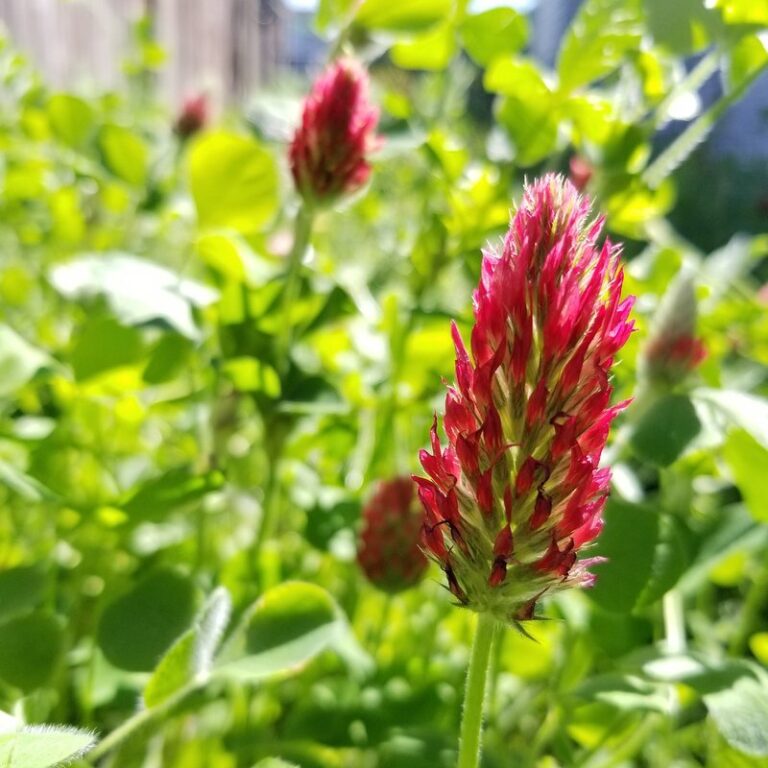
What is Living Mulch and Why Do We Need It?
Living mulch refers to plants that are intentionally left on the soil’s surface year-round, providing numerous benefits for soil health and ecosystems. In this section, we’ll explore what living mulch is all about.
The Problem with Traditional Mulching Methods
Traditional mulching methods have been around for ages, but they’re not without their drawbacks. One of the biggest issues is that they need to be replenished frequently, which can get expensive and time-consuming. Let’s face it: buying bag after bag of mulch can add up quickly, and it’s not exactly a sustainable solution. Not to mention, traditional mulches like wood chips or straw can break down over time and actually contribute to soil erosion.
But that’s not all – some traditional mulching methods can even have negative impacts on soil health. For example, certain types of mulch can suppress beneficial microbial activity in the soil, which is essential for healthy plant growth. This can lead to a range of problems, from reduced fertility to increased susceptibility to pests and diseases.
To put this into perspective, consider a study that showed that wood chip mulch can reduce soil carbon levels by up to 30% over time. That’s not exactly what you want when trying to build a healthy, thriving ecosystem. By contrast, living mulches and cover crops offer a more sustainable and beneficial alternative – one that can actually help improve soil health and structure.
Understanding the Concept of Living Mulches
Living mulches are plants that grow between crop rows, providing numerous benefits to the soil and ecosystem. When it comes to living mulch, the concept is simple: rather than relying on traditional groundcovers like straw or wood chips, you plant a layer of vegetation that will thrive in the spaces between your crops.
This method offers several advantages over its more conventional counterparts. For one, living mulches are an excellent tool for reducing soil erosion – by keeping the soil covered, they prevent runoff and retain moisture, which can lead to healthier crop yields. They also contribute significantly to improved soil health through nitrogen fixation, weed suppression, and aeration.
In addition, living mulches foster increased biodiversity in your garden or field. By introducing multiple plant species, you create an environment that encourages beneficial insects and microorganisms to thrive, ultimately enriching the overall ecosystem.
The Benefits of Living Mulch in Permaculture Systems
In permaculture systems, living mulches play a crucial role in creating diverse and resilient ecosystems. By strategically incorporating living mulches, gardeners can mimic nature’s patterns and create thriving environments that require minimal maintenance.
One of the primary benefits of living mulches is their ability to suppress weeds by outcompeting them for resources like light, water, and nutrients. This reduction in weed pressure allows gardeners to save time and effort on weeding, while also reducing the need for herbicides and other chemicals.
Living mulches can also help retain soil moisture, regulate soil temperature, and promote beneficial insect activity. For example, a layer of clover or rye grass can absorb excess rainfall, preventing erosion and runoff. At the same time, these living mulches provide habitat for pollinators like bees and butterflies, which are essential for plant reproduction.
To implement living mulches in your permaculture system, start by selecting species that complement your existing plants. Mix different textures, growth habits, and flowering times to create a diverse understory that will attract beneficial insects and provide food for wildlife.
Types of Living Mulches and Cover Crops
Let’s dive into some of the most effective types of living mulches and cover crops, each with its own unique benefits and uses for your garden. These include plants like clover, comfrey, and oats.
Legume-Based Living Mulches
Legumes are an excellent choice for both living mulches and cover crops due to their remarkable ability to fix nitrogen in the soil. This means that legume-based living mulches can not only suppress weeds but also enrich the soil with essential nutrients, reducing the need for synthetic fertilizers. When used as a cover crop, legumes like clover or hairy vetch can be incorporated into the soil in the spring, releasing their stored nitrogen and improving soil fertility.
Some popular legume-based living mulches include white clover, red clover, and hairy vetch. These plants are easy to establish and maintain, requiring minimal care and watering once established. For example, a study conducted by the University of California found that white clover living mulch reduced weed pressure by 90% in a vegetable garden. By incorporating legume-based cover crops into your gardening routine, you can create a more sustainable and productive growing system.
To get started with legume-based living mulches or cover crops, simply choose a suitable species for your climate and soil type, and sow the seeds at the right time of year.
Grass-Based Living Mulches
Grasses can provide quick weed suppression and help to break up compacted soils, making them an excellent choice for certain types of farming systems. If you’re looking for a living mulch that’s easy to establish and maintain, grasses are definitely worth considering.
One of the benefits of using grass as a living mulch is its ability to suppress weeds quickly. This is especially useful in areas where soil erosion is a concern or where weed growth is out of control. For example, ryegrass can be used to suppress weeds in between rows of crops, reducing the need for herbicides and other chemical treatments.
Another benefit of grass-based living mulches is their ability to break up compacted soils. Over time, repeated tillage and cultivation can cause soil compaction, which can reduce drainage and aeration. By planting grasses as a living mulch, you can help to loosen compacted soils and improve overall soil health.
In permaculture systems, for instance, grasses like clover or perennial ryegrass are often used as living mulches to suppress weeds and improve soil fertility. These grasses can be planted at the same time as crops, providing a quick-growing barrier between rows and reducing weed growth.
Brassica-Based Cover Crops
Brassicas are an excellent choice for cover crops due to their ability to protect against pests and diseases while adding nutrients to the soil. These cool-season crops thrive in the fall and early spring, making them ideal for planting before a main crop’s growth period.
Some popular types of brassicas used as cover crops include broccoli, cauliflower, kale, and cabbage. They can be planted individually or in rotation with other cover crops to create a diverse and resilient ecosystem. When incorporated into the soil, these crops release nutrients like sulfur, calcium, and potassium, improving overall soil health.
To get the most out of brassica-based cover crops, incorporate them into your crop rotation at least 60 days before planting a main crop. This allows for adequate time to germinate and establish a robust root system. Additionally, consider mowing or cutting back the crop to create mulch that can suppress weeds and retain moisture in the soil.
By using brassica-based cover crops strategically, gardeners can reduce soil erosion, increase biodiversity, and promote long-term soil fertility – all while minimizing pest and disease issues.
Benefits of Living Mulch and Cover Crops
Living mulch and cover crops offer a range of benefits for your garden, from reduced erosion to improved soil health. Let’s explore some of these advantages in more detail.
Soil Health and Erosion Prevention
Living mulches and cover crops play a crucial role in maintaining healthy soil structure. When these plants grow among existing crops or between rows of vegetables, their roots intertwine with the surrounding soil, increasing its organic matter content and improving water infiltration rates. This, in turn, enhances the soil’s ability to retain moisture, reducing the need for frequent irrigation.
Soil erosion is another significant issue that living mulches and cover crops help mitigate. With a dense layer of vegetation covering the soil surface, there are no exposed areas for rainwater to erode or wash away topsoil. In addition, the roots of these plants hold the soil in place, preventing it from being carried away by wind or water.
To incorporate living mulches and cover crops into your garden effectively, choose species that are suitable for your climate and growing conditions. Some examples include clover, rye, and oats, which can be sown between rows of vegetables or used as a groundcover. Regularly watering and maintaining these plants will help them thrive and provide ongoing benefits to your soil health.
Improved Biodiversity and Habitat Creation
By incorporating living mulches and cover crops into your garden or landscape, you can create a thriving ecosystem that supports local biodiversity. This is achieved by introducing a diverse array of plant species that attract beneficial insects and provide food and shelter for wildlife.
One of the key benefits of living mulch and cover crop combinations is their ability to support pollinators such as bees, butterflies, and hummingbirds. For example, if you’re growing flowers like coneflower or black-eyed Susan, you can also plant a companion cover crop like buckwheat or oats that provides nectar for pollinators.
In addition to attracting beneficial insects, living mulches and cover crops help support local wildlife populations by providing food, shelter, and habitat. A mix of native grasses, wildflowers, and legumes, such as clover, can serve as a haven for birds, small mammals, and reptiles.
To create a thriving ecosystem in your garden or landscape, choose a diverse array of living mulch and cover crops that complement each other’s growth habits and nutritional needs. Consider the specific growing conditions and climate of your area when selecting species to ensure their success.
Increased Crop Yields and Reduced Pesticide Use
When you choose to use living mulches and cover crops on your land, you’re not just improving soil health – you’re also setting yourself up for a more bountiful harvest. One of the key benefits is that it leads to increased crop yields.
This is because living mulches and cover crops help reduce weed growth by outcompeting weeds for resources like light, water, and nutrients. By suppressing weeds, your main crops are able to grow stronger and healthier, resulting in higher yields. Additionally, these plants help improve soil structure and fertility, providing a boost to the overall health of your land.
As an added bonus, the reduced weed growth also means you’ll need to use fewer pesticides, which is not only better for the environment but also for your family’s health. By incorporating living mulches and cover crops into your agricultural practices, you’re taking a proactive step towards creating a more sustainable and productive farming system.
How to Implement Living Mulch and Cover Crops on Your Farm or Garden
Now that you understand the benefits of living mulch and cover crops, let’s dive into how to successfully integrate them into your farm or garden. This will involve choosing the right species for your climate and soil type.
Planning and Design Considerations
When planning to implement living mulch and cover crops on your farm or garden, it’s essential to consider several key factors. Start by evaluating your climate and determining which types of living mulches and cover crops are best suited for your region. For example, if you live in a cool and moist climate, consider planting cover crops like rye or oats, while in warmer climates, drought-tolerant species such as sorghum or Sudan grass might be more suitable.
Next, assess the soil type on your property. Different living mulches and cover crops thrive in various soil conditions, so it’s crucial to choose ones that will complement your existing soil structure. For instance, if you have heavy clay soil, plant cover crops like winter rye or hairy vetch, which can help improve drainage and aeration.
Additionally, consider the existing infrastructure on your farm or garden. Take note of any irrigation systems, fencing, or other features that may impact the implementation of living mulch and cover crops. This will allow you to design an effective system that works in harmony with your existing setup.
Choosing the Right Plants for Your Needs
When selecting plants for living mulch and cover crops, it’s essential to choose varieties that thrive in your local climate and growing conditions. This means considering factors like temperature, precipitation, soil type, and sunlight exposure. For example, if you live in a hot and dry region, look for drought-tolerant species like clover or creeping thyme.
On the other hand, if you have rich, fertile soil, consider using cover crops like legumes or grasses that can help retain moisture and suppress weeds. Be sure to research each plant’s specific needs and potential benefits, such as nitrogen fixation or pest control. Some popular living mulch options include comfrey, which acts as a fertilizer plant, and oregano, which repels pests.
When evaluating plants for your needs, consider the following factors: Can they tolerate extreme weather conditions? Do they have low water requirements? Are they effective at suppressing weeds or attracting beneficial insects? By choosing the right plants, you can optimize the benefits of living mulch and cover crops while minimizing potential drawbacks.
Establishing and Maintaining Living Mulches and Cover Crops
Establishing and maintaining living mulches and cover crops requires careful planning and management. When it comes to planting density, a general rule of thumb is to plant at 1-2 times the recommended seeding rate for a monoculture crop. This will ensure that the living mulch or cover crop is dense enough to suppress weeds but not so dense that it shades out other plants.
For example, if you’re planting clover as a living mulch, you might aim to achieve a density of 10-15 square feet per pound of seed. It’s also essential to choose species that are compatible with each other and with the cash crop they’ll be covering.
In terms of management, regular mowing or grazing can help keep the living mulch or cover crop from becoming too dominant. Additionally, incorporating compost or other amendments can improve soil health and fertility, making it easier for the living mulch or cover crop to thrive. By following these tips and being mindful of your specific climate and soil conditions, you can establish a thriving living mulch or cover crop system that benefits both your soil and your crops.
Case Studies and Success Stories
Let’s take a closer look at how living mulch and cover crops have made a real impact on farmers’ fields, from increased yields to improved soil health. We’ll explore some inspiring examples of their success.
Real-World Examples of Living Mulch and Cover Crop Systems
In various parts of the world, living mulch and cover crop systems have been implemented with remarkable success. For instance, in Australia, a farmer named Chris has used a mix of clover and rye as a living mulch to suppress weeds and retain soil moisture on his 200-acre wheat farm. By doing so, he was able to reduce herbicide usage by up to 80% and increase crop yields by an average of 15%.
Similar successes can be seen in the US where cover crops have been used extensively. A study conducted in Iowa found that using cover crops led to a significant reduction in soil erosion and nutrient loss. In fact, farms using cover crops experienced a 30% decrease in soil erosion compared to those without cover crops.
Another notable example is the use of living mulch on organic farms. A New York-based farm has successfully used clover as a living mulch between rows of vegetables, reducing weed pressure by up to 90%. The benefits don’t stop there – living mulch also helps retain soil moisture, suppress pests and diseases, and add nutrients to the soil.
To replicate these successes on your own farm or garden, consider starting small and experimenting with different cover crop and living mulch combinations. Start by identifying areas that need improvement, such as soil erosion or weed pressure, and choose a cover crop or living mulch suitable for those conditions. With time and patience, you can reap the benefits of these ecological systems and see improvements in your yields and overall farm health.
Farmer and Grower Experiences with Living Mulches and Cover Crops
Real farmers and growers who have successfully integrated living mulches and cover crops into their operations share their experiences, highlighting the benefits of these sustainable practices.
We spoke to John, a fourth-generation farmer from Iowa, who implemented a mix of oats and clover as a living mulch in his soybean fields. He reported a significant reduction in soil erosion and improved soil health, resulting in increased crop yields. “It’s amazing how quickly the cover crops took off,” he said. “We saw a 20% increase in soybean yields the following year.” John also noted that the living mulch helped suppress weeds, reducing herbicide use by half.
Similarly, Sarah, an organic grower from California, used cover crops to improve soil fertility and structure. She planted a mixture of hairy vetch and rye before transplanting tomatoes into the field. The result was improved soil moisture retention and increased crop resilience to drought. “The living mulch also helped with pest management,” she said. “We saw a significant reduction in nematode damage.” By incorporating cover crops, Sarah was able to reduce her water usage by 30%.
Challenges and Limitations of Living Mulch and Cover Crop Systems
While living mulch and cover crops have numerous benefits, they’re not without their challenges – from increased labor requirements to potential crop competition. Let’s examine these limitations together.
Potential Drawbacks of Living Mulch and Cover Crop Systems
While living mulch and cover crop systems offer numerous benefits for soil health, biodiversity, and ecosystem services, there are some potential drawbacks to consider. One of the main challenges is establishment and management – it can be tricky to get started, especially if you’re new to these practices. For instance, choosing the right species for your climate and soil type is crucial to ensure successful growth.
Inadequate planning or poor selection can lead to issues like overcrowding, competition with crops, or failure to provide adequate mulching. Furthermore, regular maintenance tasks such as mowing or controlling weeds can be time-consuming if not done properly. In fact, a study found that cover crop management requires an additional 20-30 hours per acre per year.
To mitigate these challenges, it’s essential to invest time in planning and research upfront. Consider factors like climate, soil type, and pest pressure when selecting species. Start small and gradually scale up as you gain experience and confidence. Regular monitoring and adaptation are key to successful living mulch and cover crop systems.
Strategies for Overcoming Common Challenges
One of the biggest concerns for farmers who are interested in implementing living mulch and cover crop systems is knowing how to overcome common challenges. Perhaps you’re worried that a dense stand of living mulch will compete with your cash crops for water or nutrients, or maybe you’re concerned about managing weeds when using a cover crop.
Firstly, choose the right species: Select living mulches and cover crops that complement your climate and growing conditions, rather than competing with them. For example, clover is an excellent choice as a living mulch in cool-season climates because it’s drought-tolerant and can thrive in poor soil.
To manage weeds effectively, plant a dense stand of living mulch or cover crop, which will shade out any weeds from receiving sunlight. Alternatively, incorporate cover crops into your rotation plan to minimize weed pressure and reduce the need for herbicides.
Conclusion and Future Directions
Now that we’ve explored the benefits of living mulch and cover crops, let’s talk about how to take your garden to the next level.
Recap of Key Points and Takeaways
As we conclude our exploration of living mulch and cover crops, it’s essential to recap the key points and takeaways from this article. By now, you should have a solid understanding of the benefits and uses of these valuable tools for sustainable gardening.
Living mulch provides numerous advantages, including reduced soil erosion, improved soil health, and increased crop yields. Cover crops, on the other hand, offer additional benefits such as weed suppression, pest control, and nutrient cycling. By incorporating both living mulch and cover crops into your garden plan, you can create a thriving ecosystem that supports biodiversity and reduces environmental impact.
Remember to choose the right mix of living mulch and cover crops for your specific climate and soil type. For example, clover is an excellent living mulch for lawns, while winter rye is a popular cover crop for winter months. By applying these strategies in your own garden, you’ll be taking significant steps towards creating a more resilient and sustainable growing environment.
Take action today by selecting the perfect mix of living mulch and cover crops for your garden. Start small, observe, and adapt to create a thriving ecosystem that brings you joy and satisfaction.
Recommendations for Further Research and Exploration
As you continue to explore the world of living mulch and cover crops, there are many areas where further research and exploration could lead to even greater benefits for farmers, gardeners, and the environment. One key area to investigate is the impact of specific crop combinations on soil health and biodiversity.
Consider conducting experiments with different living mulch species, such as clover or rye, paired with various cover crops like oats or beans. This will help you understand how these pairings affect soil fertility, structure, and overall ecosystem services.
Another area to delve into is the effects of living mulch on pest and disease management. For example, how do certain living mulches influence populations of beneficial insects or nematodes? What role can living mulch play in reducing chemical use?
Additionally, exploring the economic and social benefits of living mulch and cover crop systems could provide valuable insights for farmers looking to adopt these practices. How can living mulch be used to reduce labor costs or increase yields? What are the experiences of small-scale farmers using living mulch and cover crops?
Frequently Asked Questions
Can I use living mulch and cover crops together, or do they serve the same purpose?
You can indeed use living mulch and cover crops together to maximize benefits for your soil and ecosystem. Living mulch provides a continuous cover throughout the year, while cover crops are typically planted in between crop cycles to replenish nutrients and suppress weeds. By combining these strategies, you can create a thriving permaculture system that promotes soil health, biodiversity, and increased yields.
How do I choose the right living mulch for my specific climate and soil type?
Selecting the perfect living mulch requires considering your local climate, soil conditions, and crop rotation plans. For example, in cooler climates, grasses like clover or ryegrass make excellent living mulches, while in warmer regions, legumes like cowpeas or winter peas thrive. Be sure to research plant hardiness zones, sun requirements, and specific growth habits to ensure your chosen living mulch adapts well to your environment.
Can I use native plants as living mulch, or are there specific requirements for introduced species?
Native plants can indeed be an excellent choice for living mulch, especially if they’re adapted to your local climate and soil conditions. Native species often require less maintenance, support beneficial insects, and promote ecosystem balance. However, ensure the chosen native plant isn’t invasive or will not outcompete nearby crops. When introducing non-native species, carefully evaluate their potential impact on local biodiversity.
How do I establish living mulch in an existing garden or farm with established crops?
Establishing living mulch in a mature garden or farm can be challenging but still achievable. Start by evaluating the existing crop rotation plan and identifying areas where living mulch would be most beneficial. Consider planting cover crops between crop cycles, allowing them to grow before incorporating them into the soil as green manure. For established crops, apply a thin layer of compost or well-rotted manure to create an ideal environment for your chosen living mulch.
What are some common mistakes I should avoid when implementing living mulch and cover crops?
One common pitfall is overcrowding, where too many plants compete with each other for resources. Another mistake is neglecting to plan for adequate soil preparation before planting cover crops or living mulches. It’s also crucial to ensure proper plant selection based on climate, soil type, and specific growth habits to prevent unnecessary maintenance or wasted resources.