
Earwigs can be a real nuisance in gardens, ruining plants and causing distress to gardeners. These pesky insects may seem harmless, but their ability to multiply quickly and damage crops makes them a concern for anyone who tends to a garden. Understanding the biology of earwigs is key to managing infestations effectively. In this article, we’ll delve into the signs of an earwig problem in your garden, discuss eco-friendly control methods that are safe for the environment, and explore ways to prevent these unwanted visitors from taking over your outdoor space.
We’ll also cover some misconceptions about earwigs, including the myth that they pinch human skin, so you can better understand this fascinating yet problematic insect. By the end of this guide, you’ll have a clear plan for managing earwig infestations in your garden and protecting your plants from damage.
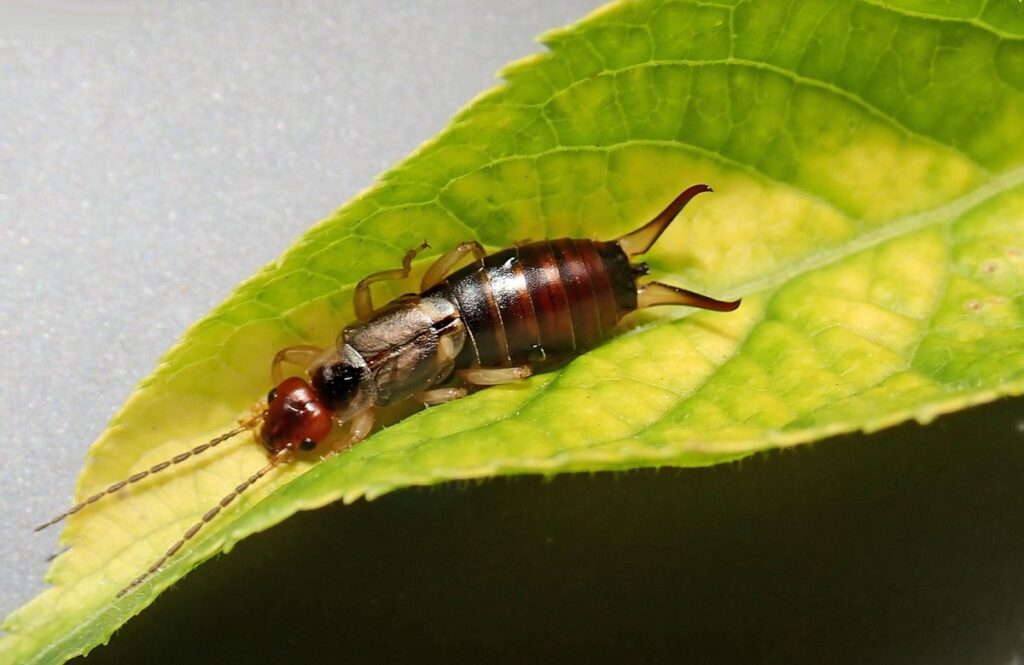
Understanding Earwig Biology and Behavior
To effectively manage earwigs in your garden, it’s essential to understand their biology and behavior, including their life cycles and feeding habits. Let’s dive into what makes them tick.
What Are Earwigs and Why Are They a Problem?
Earwigs are small, insect pests that can be a problem for gardeners worldwide. They belong to the order Dermaptera and have been around since ancient times, with fossil records dating back over 200 million years. These insects undergo complete metamorphosis, meaning they have four distinct life stages: egg, nymph, adult male, and adult female.
Earwigs are attracted to moist environments and can thrive in dark, humid areas such as under rocks, logs, or in soil. They feed on a wide range of materials including decaying plant matter, fungi, and even small insects. Female earwigs will often lay their eggs in protected locations, allowing the nymphs to emerge when conditions are favorable.
Earwigs can be considered pests due to their potential to damage plants and contaminate food. They may feed on roots or leaves of garden crops, causing significant yield losses. Some species also exhibit omnivorous behavior, consuming beneficial insects like ladybugs or lacewings that are essential for a balanced ecosystem. Regular monitoring and management strategies can help control earwig populations in gardens, minimizing their impact on plant growth.
Earwig Life Cycle and Habits
Earwigs undergo a unique development process that influences their behavior in gardens. The life cycle of an earwig begins with eggs laid by female earwigs in protected areas like under debris or within plant stems. These eggs hatch into nymphs, which resemble small versions of the adult earwig but lack fully developed wings and reproductive organs.
As they molt several times, the nymphs grow larger and more robust, eventually developing into mature adults. This process typically takes 2-4 months, depending on environmental factors like temperature and food availability. Female earwigs can lay multiple batches of eggs throughout their lifetime, further increasing the population in gardens.
Understanding the earwig’s life cycle is essential for effective management strategies. For instance, controlling weeds and debris that provide shelter for female earwigs can help reduce egg-laying sites. Additionally, maintaining a balanced ecosystem by introducing beneficial insects like ground beetles, which prey on earwig eggs and nymphs, can also be an effective approach.
Common Places Where Earwigs Live in Gardens
Earwigs are often found living in areas of the garden that provide them with moisture, shelter, and easy access to food. One common place where earwigs thrive is near water sources such as ponds, birdbaths, or pet watering stations. These areas create an ideal environment for earwigs to breed and multiply, as they need water to survive.
Another area prone to earwig infestations is under dense foliage, particularly in overgrown gardens with tall weeds or shrubs. These hiding spots provide earwigs with protection from predators and allow them to move undetected through the garden. Mulch piles, compost bins, and other decaying organic matter can also attract earwigs due to their high moisture content.
When inspecting your garden for potential earwig habitats, look for areas with standing water or excessive moisture. Regularly clean and maintain these features to discourage earwig infestations. For example, consider installing a mosquito net or changing the water frequently in birdbaths. Additionally, prune back overgrown plants and remove weeds to reduce hiding spots and improve air circulation.
Signs and Symptoms of an Earwig Infestation
If you suspect that earwigs are taking over your garden, it’s essential to recognize the signs and symptoms of an infestation before they cause more damage. Keep an eye out for these telltale indicators.
Physical Damage Caused by Earwigs
Earwigs can cause significant physical damage to plants and gardens through their eating habits and burrowing activities. These pests are nocturnal, meaning they’re most active at night, and feed on a wide range of plant materials, including leaves, stems, flowers, and fruits.
Their feeding behavior often goes unnoticed until it’s too late, as earwigs tend to eat in small amounts throughout the day. However, over time, this can lead to substantial damage, particularly if you have a large garden with multiple plants susceptible to infestation. Some common signs of earwig damage include:
• Holes or tears in leaves and stems
• Discoloration or yellowing of leaves
• Drooping or wilted plant growth
• Missing flowers or buds
In addition to eating plants, earwigs also burrow into soil, which can cause structural issues. As they dig, they can create tunnels and channels that allow water to accumulate, leading to root rot and other problems. This can be especially damaging in areas with poor drainage or compacted soil.
To mitigate this damage, make sure to maintain good garden hygiene, including removing weeds and debris, and keeping your soil loose and well-draining. Regularly inspecting your plants for signs of earwig activity will also help you catch the problem early on and prevent extensive damage from occurring.
Other Visible Signs of Earwigs in the Garden
Earwigs can be difficult to detect, but there are several visible signs that indicate their presence in your garden. One of the most obvious indicators is the earwig’s own body. These insects have a distinctive elongated body shape, typically brown or grayish in color, and can grow up to 2 inches in length. If you notice any large, flat insects scurrying around your plants or soil, it could be an earwig.
Another sign of earwigs is their eggs, which are usually laid in protected areas like under rocks or debris. Earwig eggs are white, oval-shaped, and about 1/4 inch long. If you notice any unusual egg-like structures in your garden, it’s likely an earwig infestation. Disturbed soil can also indicate earwig activity. Earwigs often burrow underground to escape extreme temperatures or find food, leaving behind trails of disturbed soil. Keep an eye out for these signs and take action promptly to prevent the infestation from spreading.
When inspecting your garden, remember to look for these visual cues in areas with high humidity and moisture, as earwigs prefer these conditions.
Organic Methods for Controlling Earwig Populations
If you’re looking for a more eco-friendly approach, we’ll explore some effective organic methods to help control earwig populations in your garden without harming the environment. These natural solutions can be just what you need.
Using Natural Predators to Control Earwigs
Using natural predators to control earwig populations is a fascinating approach that’s both eco-friendly and highly effective. By introducing beneficial insects and small animals into your garden, you can create a balanced ecosystem where earwigs are no longer the dominant force.
One of the most promising natural predators of earwigs is the praying mantis. These stealthy hunters feed on adult earwigs, reducing their numbers significantly. Introduce praying mantises to your garden by purchasing them from a reputable supplier or encouraging them to move in by planting flowers that attract them, such as mint and lemongrass.
Another effective natural predator is the ground beetle, which feeds on both eggs and nymphs of earwigs. You can encourage ground beetles by creating a welcoming environment through mulching and composting, providing them with food sources like decaying wood and leaf litter.
To further boost your garden’s ecosystem, consider introducing beneficial spiders, such as the wolf spider, which feed on adult earwigs at night.
Barriers and Repellents Against Earwigs
When it comes to controlling earwig populations in your garden, using physical barriers and repellent substances can be an effective method. Physical barriers involve creating a physical obstacle that prevents earwigs from reaching your plants. One way to do this is by applying copper tape around plant stems or pots. Earwigs don’t like the taste of copper and will avoid it.
Another method is to use fine mesh or fine netting around plants, making sure to secure it tightly around the pot or soil. This prevents earwigs from burrowing into the soil and reaching your plants. You can also use fine-mesh bags or individual plant covers to protect specific plants that are more susceptible to infestation.
As for repellent substances, certain essential oils such as peppermint oil, lemongrass oil, and tea tree oil have been shown to repel earwigs. Mix a few drops of the chosen oil with water in a spray bottle and spray it around the affected area. Be sure to reapply regularly, especially after rainfall or irrigation. Some gardeners also swear by using garlic, onion, or hot pepper powder near infested areas as repellents.
Chemical Controls for Severe Infestations
For severe earwig infestations, chemical controls may be necessary to protect your garden and prevent long-term damage. This section outlines effective and environmentally responsible methods to consider in such situations.
Insecticides Safe for Use Around Plants
When it comes to severe earwig infestations, using insecticides can be an effective way to manage the problem. However, not all insecticides are safe for use around plants, and some may even harm them further. If you’re looking for a solution that targets earwigs without putting your garden at risk, there are several options available.
Pyrethrin-based sprays are one type of insecticide that is generally considered safe for use around plants. These sprays are derived from the flowers of the pyrethrum daisy and are toxic to earwigs but relatively harmless to humans and pets. They’re also relatively environmentally friendly, making them a popular choice among organic gardeners.
Permethrin-based products are another option that’s often used to control earwig populations. These products work similarly to pyrethrins but have a longer-lasting effect on the insects. However, be sure to follow the instructions carefully and use these products only as needed, as they can still pose some risk to beneficial insects.
When selecting an insecticide for use around plants, always check the label for specific guidance on its safe usage. Some products may require a waiting period before allowing people or pets back into the treated area, so be sure to follow these guidelines carefully to ensure your safety and the health of your garden.
Precautions When Using Chemical Controls
When using chemical controls to manage severe earwig infestations in your garden, it’s crucial to follow safety guidelines and precautions to avoid harming humans or other beneficial organisms. Before applying any chemicals, ensure you read the label carefully and understand the instructions for use.
Wearing protective gear such as gloves, long sleeves, and eye protection is a must when handling chemical controls. Make sure the area is well-ventilated to prevent inhalation of fumes. Keep children and pets away from the treated area until it’s safe for them to return.
Avoid using broad-spectrum insecticides that can harm beneficial insects like bees and butterflies. Instead, opt for targeted insecticides specifically designed for earwig control. Always apply chemicals during cooler parts of the day to minimize drift and exposure. Never mix different types of chemical controls together without consulting the manufacturer’s instructions.
By taking these precautions seriously, you’ll not only protect yourself but also safeguard your garden’s ecosystem.
Preventing Earwig Infestations
To effectively manage earwigs in your garden, it’s essential to prevent infestations from happening in the first place. Learn how to create an earwig-free environment by following these simple prevention tips.
Plant Selection and Choice
When selecting plants for your garden, choosing species that are less attractive to earwigs can be an effective way to prevent infestations. Some plants are naturally more appealing to earwigs than others, and knowing which ones to avoid or incorporate into your garden design can help minimize the risk of an earwig problem.
Earwigs tend to prefer dark, moist environments with plenty of hiding spots, so plants that provide dense foliage or have crevices for them to hide in are more likely to attract these pests. Examples of such plants include tall grasses, certain types of ferns, and overgrown shrubs. On the other hand, plants with smooth, waxy leaves like succulents and cacti tend to be less appealing to earwigs.
To utilize this knowledge for gardening purposes, consider incorporating plants that repel earwigs or are naturally resistant to their presence into your garden design. These can include basil, mint, lemongrass, and certain types of herbs and spices. By doing so, you’ll not only reduce the likelihood of an earwig infestation but also create a more balanced and diverse ecosystem in your garden.
Environmental Adjustments to Deter Earwigs
To discourage earwigs from infesting your garden, making some environmental adjustments can go a long way. One of the most effective ways to deter these pests is by reducing water usage. Earwigs thrive in damp environments, so keeping your soil consistently moist but not waterlogged will help prevent them from taking over.
Improve soil quality by adding organic matter such as compost or well-rotted manure. This will not only attract beneficial insects that prey on earwigs but also improve drainage and aeration in the soil. Regularly removing weeds, debris, and other clutter can also help reduce the number of hiding spots available to earwigs.
Another crucial aspect is maintaining a balanced ecosystem in your garden. Encourage the presence of beneficial insects like ladybugs, lacewings, and ground beetles by planting nectar-rich flowers or providing shelter for them. By making these environmental adjustments, you’ll be creating an unfavorable environment for earwigs to thrive in. Remember, prevention is key, so make these changes as soon as possible to keep your garden earwig-free.
Frequently Asked Questions
Can I use earwig traps as a standalone solution to manage infestations?
Yes, using earwig traps can be an effective way to control infestations, especially when combined with other eco-friendly methods such as removing hiding places and adjusting garden environments. However, it’s essential to ensure that the traps are designed specifically for earwigs and are placed in areas where these insects are most active.
What is the best time of year to take action against earwig infestations?
The best time to control earwig populations depends on your region and climate. In general, spring and early summer are ideal times to manage earwigs, as this is when they are most active. However, if you live in an area with a mild winter, you may need to take action during the fall or even winter months.
Can I use diatomaceous earth to repel earwigs without harming beneficial insects?
Yes, diatomaceous earth can be a safe and effective natural barrier against earwigs. However, it’s essential to note that this substance is not toxic to beneficial insects, but it can still cause harm if ingested in large quantities. To ensure the safety of beneficial insects, apply diatomaceous earth sparingly and only as needed.
How long does it take for earwigs to cause significant damage to plants?
Earwigs can cause significant damage to plants within a relatively short period, often within 1-2 weeks of an infestation. The severity of the damage depends on factors such as the size of the population, plant type, and environmental conditions. Regular monitoring is crucial to catch earwig infestations early and prevent extensive damage.
Are there any specific plants that are more susceptible to earwig damage?
Yes, certain plants are more vulnerable to earwig damage due to their soft leaves or stems. These include tender shoots of new growth, such as those found on young seedlings or newly planted trees. Plants with broad leaves, like tomatoes and cucumbers, are also particularly attractive to earwigs.