
If you’re tired of relying on chemical-based slug control methods that harm your pets, people, or the environment, you’re not alone. There’s a better way to keep those pesky slugs at bay without sacrificing your values. That’s where iron phosphate pellets come in – a non-toxic solution that effectively controls slugs while being safe for everyone and everything around them. But, if you’ve tried using these pellets before, you might know how frustrating it can be when they don’t deliver the results you’re looking for. In this article, we’ll explore how to use iron phosphate pellets effectively and overcome common challenges so you can enjoy a slug-free garden without harming your loved ones or the planet. We’ll also dive into what makes these pellets a game-changer for sustainable slug control.
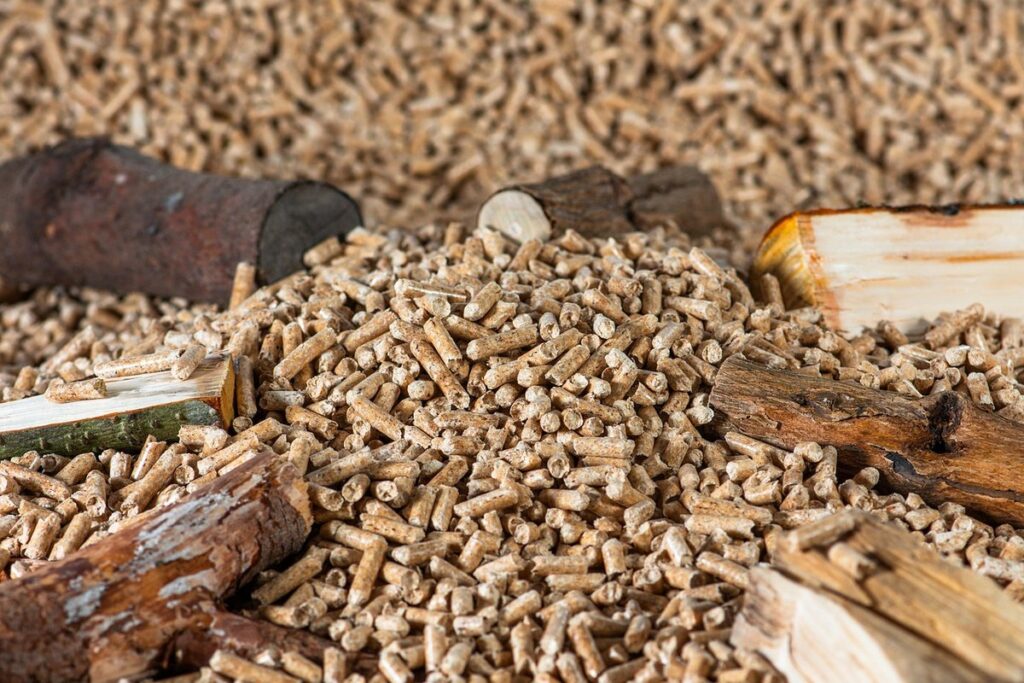
What are Iron Phosphate Pellets?
Iron phosphate pellets are a non-toxic, environmentally friendly alternative to traditional slug baits that offer several benefits for gardeners and homeowners. Let’s take a closer look at what they’re all about.
Definition and Overview
Iron phosphate pellets are an innovative approach to slug control that’s gaining popularity among gardeners and farmers. This non-toxic method uses ferric phosphate to kill slugs, offering a sustainable alternative to traditional methods. By using iron phosphate pellets, you can protect your plants without harming other animals, plants, or the soil.
The importance of using environmentally friendly pest control methods cannot be overstated. Conventional slug controls often contain chemicals that can contaminate soil and water, posing risks to human health and wildlife. In contrast, iron phosphate pellets work by breaking down ferric phosphate into a toxic compound that’s only deadly to slugs. This selective toxicity ensures that beneficial organisms in your garden are left unharmed.
To put this into perspective, consider the widespread adoption of integrated pest management (IPM) practices in agriculture. IPM strategies prioritize non-toxic methods like iron phosphate pellets over chemical-based controls. By embracing these sustainable approaches, we can reduce our ecological footprint and promote healthier ecosystems.
Key Benefits of Iron Phosphate Pellets
Using iron phosphate pellets offers several key benefits over traditional slug baits. Firstly, they are incredibly safe for use around pets and children. Unlike other slug control methods that can leave toxic residues on plants, iron phosphate pellets break down naturally into harmless components, posing no risk to non-target species.
In terms of effectiveness, iron phosphate pellets have been shown to be highly effective in controlling slug populations. They work by dehydrating the slugs, causing them to die within 3-5 days of ingestion. This rapid action helps to prevent further damage to plants and gardens.
Moreover, iron phosphate pellets are an eco-friendly alternative to traditional slug baits. They contain no heavy metals or toxins that can contaminate soil and waterways. As a result, they’re a popular choice among gardeners who want to protect their environment while still maintaining control over pests.
How Iron Phosphate Pellets Work
Let’s dive into the details of how iron phosphate pellets actually work, and what makes them a reliable solution for slug control. You’ll see that their unique mechanism is both effective and safe for the environment.
Mechanism of Action
When a slug ingests an iron phosphate pellet, it sets off a chain reaction that ultimately leads to its demise. The pellets contain ferric phosphate, which is a slow-acting poison that works by dehydrating the slug’s body from the inside out.
Here’s how it happens: as the ferric phosphate is absorbed into the slug’s bloodstream, it disrupts the balance of electrolytes and water within the slug’s cells. This causes the cell walls to collapse, leading to a rapid loss of moisture. As a result, the slug begins to dehydrate, and its bodily functions start to shut down.
It can take anywhere from 3-5 days for the slug to die after ingesting an iron phosphate pellet. During this time, it’s likely that the slug will become lethargic and withdrawn, making it easier to detect and remove from your garden or yard. By understanding how these pellets work, you’ll be better equipped to manage slug populations using a sustainable and environmentally friendly approach.
Factors Affecting Efficacy
When using iron phosphate pellets for slug control, it’s essential to consider several factors that can impact their effectiveness. The size of the pellets is a crucial aspect, as larger pellets may not be as effective at penetrating soil and reaching slugs in deeper burrows.
Application timing also plays a significant role. Iron phosphate pellets work best when applied after rainfall or irrigation, as moist soil allows the pellets to dissolve more quickly and reach slugs faster. Applying pellets during dry spells can reduce their efficacy, making it essential to monitor weather conditions before applying them.
Environmental conditions such as temperature and humidity can also affect the performance of iron phosphate pellets. Slugs are typically more active at night when temperatures are cooler, so applying pellets in the evening may be more effective than during the day. Additionally, maintaining a consistent moisture level in the soil will help ensure that the pellets remain active for an extended period. By considering these factors and adjusting your application strategy accordingly, you can maximize the effectiveness of iron phosphate pellets in controlling slug populations.
Choosing the Right Iron Phosphate Pellets for Your Needs
When selecting iron phosphate pellets, consider factors such as pellet size, active ingredient concentration, and intended use to ensure optimal effectiveness. This will help you choose the best product for your specific needs.
Types of Iron Phosphate Pellets
There are several types of iron phosphate pellets available in the market, catering to different needs and preferences. Organic gardeners may prefer pellets made from 100% natural ingredients, without any additives or fillers. These products often come in biodegradable packaging, reducing waste and environmental impact.
On the other hand, some producers offer iron phosphate pellets with added beneficial microorganisms that enhance soil health. These products can be more expensive, but they provide a comprehensive solution for slug control while also promoting ecosystem balance.
Economy packs or bulk purchases are available for larger gardens or commercial users. These options often come in larger quantities and may be packaged in reusable containers to minimize waste. The price point varies depending on the product composition, packaging, and brand reputation. When selecting the right iron phosphate pellets, consider your specific needs, garden size, and budget to choose a product that effectively controls slugs while aligning with your environmental values.
For example, if you have a small garden, a 1-pound pack of natural iron phosphate pellets may be sufficient. However, for larger gardens or commercial operations, bulk purchases can be more cost-effective. Be sure to check the product label and manufacturer’s instructions before making a purchase.
Considerations for Organic and Biodynamic Gardeners
When it comes to choosing iron phosphate pellets as a sustainable solution for slug control, organic and biodynamic gardeners have unique considerations. To ensure compliance with these standards, look for products that are OMRI-listed (Organic Materials Review Institute) or meet Biodynamic Farming and Gardening Association (BFA) standards. These certifications guarantee that the iron phosphate pellets adhere to strict regulations, often more stringent than conventional methods.
For instance, in organic gardening, you’ll want to avoid pellets containing prohibited substances like elemental phosphorus or other synthetic additives. Opt for products with natural, non-toxic ingredients and minimal environmental impact. Consider using a pellet made from naturally occurring sources of iron phosphate, such as ferrous sulfate heptahydrate, which is often used in organic farming practices.
When selecting an OMRI-listed product, check the label or manufacturer’s website to ensure it meets your specific needs. Some manufacturers may offer tailored products for organic and biodynamic gardening, so don’t be afraid to reach out and ask about compliance and certification. By choosing iron phosphate pellets that align with these standards, you can maintain your garden’s eco-friendly reputation while keeping slugs under control.
Applying Iron Phosphate Pellets: Best Practices
To get the most out of your iron phosphate pellets, it’s essential to understand the best practices for application, ensuring effective slug control while minimizing waste and protecting the environment. Let’s dive into the details.
Effective Placement Strategies
When applying iron phosphate pellets for slug control, it’s crucial to place them strategically to maximize their impact. Slugs are most active at night and prefer areas with high humidity and moisture, so focusing on these habitats can help reduce damage to plants.
Start by identifying the areas where slugs congregate, such as under debris, near mulch, or alongside water sources. These spots tend to be damp and sheltered from direct sunlight, making them ideal breeding grounds for slugs. To target these areas effectively, apply pellets in a 3-foot radius around suspected slug habitats.
Be mindful of nearby plants, especially those with broad leaves that can trap moisture. Slugs will often seek out these areas to feed and hide. Apply pellets around the base of susceptible plants, taking care not to overapply and potentially harming beneficial insects or soil microorganisms.
Timing and Frequency of Application
When it comes to applying iron phosphate pellets for effective slug control, timing and frequency are crucial factors to consider. Weather conditions play a significant role, as heavy rainfall or extreme temperatures can reduce the pellets’ effectiveness. It’s essential to apply the pellets when the soil is moist but not waterlogged, allowing them to penetrate the soil more easily.
Soil type also impacts the application process. In sandy soils, pellets may be washed away quickly, requiring more frequent applications. Clay soils, on the other hand, can retain the pellets for longer periods, necessitating less frequent reapplication. Monitor pest populations closely and adjust your application schedule accordingly. For example, if you notice a sudden surge in slug activity during peak summer months, increase the frequency of application to 1-2 times per week.
Aim to apply iron phosphate pellets every 7-10 days, especially in areas with high slug pressure. This allows for continuous protection without causing unnecessary harm to beneficial organisms or the environment. Keep in mind that it’s better to err on the side of caution and reapply as needed rather than risking under-protection and potential damage to your garden.
Safety Precautions When Using Iron Phosphate Pellets
When handling iron phosphate pellets, it’s essential to take extra precautions to avoid any potential harm to yourself and others. Please read on for a list of vital safety guidelines to keep in mind.
Human Exposure and Toxicity Concerns
When using iron phosphate pellets to control slugs, it’s essential to be aware of potential risks associated with human exposure. Accidental ingestion or skin contact can occur if not handled properly, which is why we want to emphasize the importance of careful handling.
Ingesting even small amounts of iron phosphate can lead to gastrointestinal problems and other health issues. Similarly, skin contact may cause irritation, particularly for those who have sensitive skin. To minimize these risks, always handle the product in a well-ventilated area, wearing gloves and protective eyewear. Make sure children and pets are kept at a safe distance while you’re applying the pellets.
When storing iron phosphate pellets, ensure they’re out of reach of young children and pets to avoid accidental ingestion. If you accidentally ingest some pellets or experience skin irritation, flush the affected area with water and seek medical attention if symptoms persist. By taking these precautions, you can enjoy a slug-free garden while protecting yourself and your loved ones from potential risks associated with iron phosphate pellets.
Environmental Impact Considerations
When using iron phosphate pellets for slug control, it’s essential to consider their environmental impact. While these pellets are a safer alternative to traditional metal-based baits, they can still affect beneficial insects, pets, and wildlife if not used responsibly.
Iron phosphate pellets can be toxic to certain beneficial insects, such as bees and butterflies, if ingested in large quantities. However, this risk is minimal when used according to the product label instructions. To minimize harm, apply pellets only where slugs are present, and avoid spraying or watering plants until the pellets have been fully incorporated into the soil.
Additionally, iron phosphate pellets can be toxic to pets if they ingest a significant amount of the substance. Keep an eye on your furry friends when applying pellets, and ensure that they don’t access treated areas. When it comes to wildlife, use caution near water sources or habitats where animals may come into contact with the pellets. Follow the product label for specific guidance on safe application rates and distances from sensitive areas.
By taking these precautions, you can enjoy the benefits of using iron phosphate pellets while minimizing their environmental impact.
Case Studies and Success Stories
Let’s take a look at how real gardeners have successfully used iron phosphate pellets to protect their plants from slug damage, achieving effective results without harming the environment. From small home gardens to large commercial farms, you’ll see firsthand the impact this sustainable solution can have.
Real-World Examples of Iron Phosphate Pellet Effectiveness
Across various regions and climates, gardeners and farmers have successfully utilized iron phosphate pellets to manage slug populations. In a notable case study conducted by a UK-based nursery, the use of iron phosphate pellets resulted in an 85% reduction in slug damage over a six-month period. Before implementing the pellets, the nursery reported an average loss of £1,200 per month due to slugs. After adopting the method, these losses were significantly reduced, and the gardeners could focus on nurturing their plants.
In another instance, a US-based gardener shared her experience with iron phosphate pellets on social media, showcasing impressive before-and-after photos of her slug-battered vegetables. By applying the pellets according to the manufacturer’s instructions, she was able to eradicate the slugs and protect her prized tomato crop. Her testimony highlights the ease of use and effectiveness of this method.
Statistics from various studies demonstrate the long-term benefits of using iron phosphate pellets for slug control. These include reduced pesticide usage, lower maintenance costs, and enhanced soil health due to the pellets’ slow-release nature.
Comparative Analysis with Other Slug Control Methods
When it comes to controlling slugs, you may be wondering which method is most effective and sustainable. Iron phosphate pellets are a popular choice for gardeners, but they’re not the only option. Let’s take a closer look at how iron phosphate pellets compare to other common slug control methods.
Metaldehyde baits, for example, can be toxic to pets and wildlife if ingested. They also have a limited reach, as slugs can avoid areas where these baits are placed. Beer traps, on the other hand, can be a humane way to capture slugs, but they often require frequent refilling and may not be effective in large gardens. Hand-picking is another option, but it’s time-consuming and may not be feasible for larger areas.
Iron phosphate pellets offer a more sustainable solution. They’re non-toxic and environmentally friendly, making them safe for use around pets and wildlife. A single application can last for several weeks, providing long-lasting protection against slugs. Plus, they’re easy to apply and require minimal maintenance. By choosing iron phosphate pellets, you can enjoy a slug-free garden without harming the environment.
Frequently Asked Questions
Can I use iron phosphate pellets on a large scale, such as in commercial farming?
Yes, iron phosphate pellets are suitable for large-scale applications, including commercial farming and agricultural settings. However, it’s essential to consider the quantity needed and follow the recommended application rates to ensure effective slug control while minimizing environmental impact.
How long do iron phosphate pellets remain effective after application?
The effectiveness of iron phosphate pellets can last for several weeks to months, depending on factors such as moisture levels, temperature, and slug populations. Regular monitoring and reapplication may be necessary to maintain optimal results.
Can I mix iron phosphate pellets with other organic or natural pest control methods?
Iron phosphate pellets can be used in conjunction with other organic and natural pest control methods, but it’s crucial to follow the recommended application rates and timing to avoid conflicts or reduced efficacy. Some combinations might require adjustments to achieve the best results.
Are there any specific plants that are more resistant to slug damage than others?
Yes, certain plant species tend to be less susceptible to slug damage, such as those with thick, waxy leaves or a bitter taste that deters slugs. These include plants like lavender, rosemary, and chamomile. Incorporating these species into your garden can help reduce slug pressure.
Can I use iron phosphate pellets in areas with high levels of rainfall or waterlogging?
While iron phosphate pellets are generally effective in various environments, they may not perform optimally in extremely wet conditions. In areas with high rainfall or waterlogging, it’s essential to apply the pellets at a lower rate and monitor their effectiveness more frequently to ensure optimal results.