
Thinning seedlings is a crucial step in gardening, but it’s often misunderstood. Many gardeners worry that removing some seedlings will weaken their plants, leading to stunted growth and reduced yields. However, thinning actually promotes air circulation, root growth, and photosynthesis – all essential for healthy plant development.
In this article, we’ll guide you through the process of thinning seedlings effectively, highlighting common mistakes to avoid and best practices to maximize your plants’ vigor. We’ll explore how to identify which seedlings to keep and which to remove, ensuring that your remaining plants have the space they need to thrive. By following these simple tips, you can optimize your garden’s growth potential and enjoy a bountiful harvest.
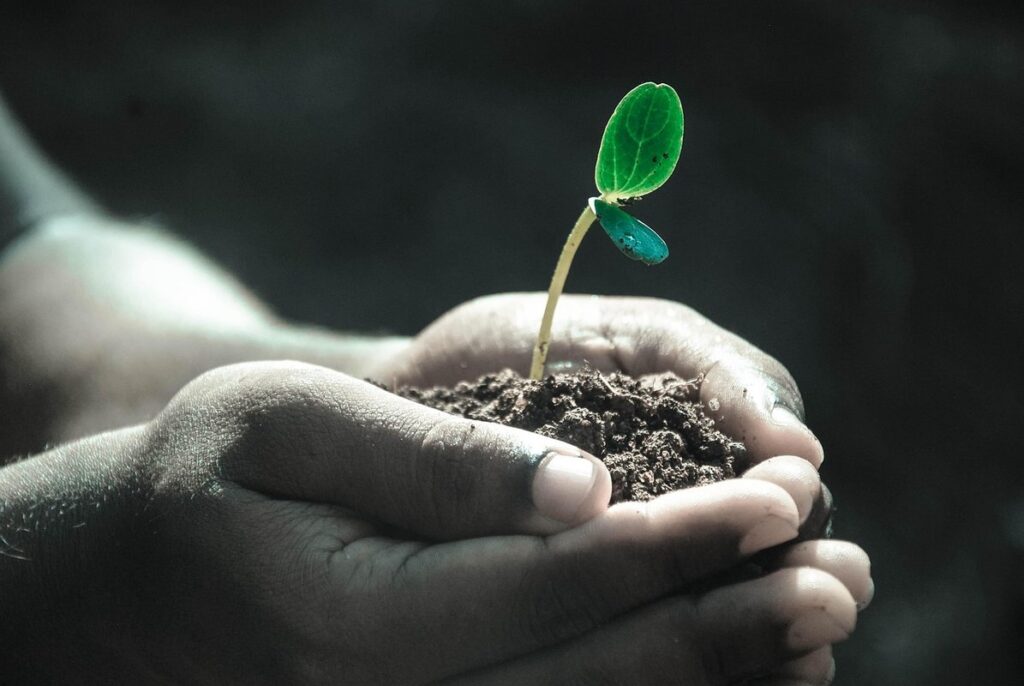
Understanding Seedling Vigor
When it comes to thinning seedlings, understanding seedling vigor is crucial for making informed decisions that support healthy plant growth and development. In this next part, we’ll explore what seedling vigor really means.
What is Seedling Vigor?
Seedling vigor is a critical factor in determining the health and resilience of plants as they grow from seed to maturity. At its core, seedling vigor refers to the speed and efficiency with which young seedlings develop their root systems, foliage, and overall biomass. It’s a measure of how well a plant can adapt to its environment, absorb resources, and thrive in various conditions.
When seedlings exhibit strong vigor, they’re better equipped to withstand environmental stresses such as drought, temperature fluctuations, and disease pressure. This enables them to grow more robustly, produce higher yields, and resist pests and diseases more effectively. On the other hand, weak or stunted seedlings are more susceptible to stressors and may struggle to recover if conditions become unfavorable.
By understanding seedling vigor, gardeners can make informed decisions about how to optimize plant growth and development. This includes selecting varieties that are known for their strong vigor, providing optimal growing conditions, and using thinning techniques to promote healthy competition among seedlings.
Factors Affecting Seedling Vigor
Seedling vigor is influenced by a complex interplay of genetic, environmental, and cultural factors. Genetics play a significant role in determining seedling vigor, with some varieties naturally exhibiting better growth rates and resilience to stress than others. However, even within the same variety, individual seedlings can exhibit varying levels of vigor depending on their unique characteristics.
Environmental factors also have a profound impact on seedling vigor. Weather conditions such as temperature, light, and moisture levels can affect seedling development and growth. For instance, extreme temperatures or drought conditions can cause seedlings to become stressed, leading to weakened growth and increased susceptibility to disease.
Cultural practices, including soil quality, fertilization, and irrigation, also influence seedling vigor. Adequate nutrient availability is essential for optimal seedling growth, while excessive watering can lead to root rot and other issues. By understanding the genetic, environmental, and cultural factors that affect seedling vigor, growers can take targeted steps to promote healthier, more vigorous seedlings.
Factors such as seed selection, soil preparation, and irrigation management are crucial in optimizing seedling vigor. By paying attention to these details, growers can create an environment that fosters healthy growth and development from the outset.
The Role of Thinning in Maintaining Vigor
When seedlings are crowded together, they compete fiercely for essential resources like light, water, and nutrients. This intense competition can weaken individual plants, causing them to become leggy, stressed, and more susceptible to disease. By thinning out weak or struggling seedlings, you’re reducing the overall competition for these vital resources.
Think of it like a classroom with too many students: overcrowding leads to stress, decreased performance, and a higher likelihood of falling behind. Similarly, when seedlings are packed too tightly, they begin to suffer from resource shortages, making them more vulnerable to issues that can reduce their vigor.
Thinning allows the remaining seedlings to focus on healthy growth, absorbing the necessary resources without being overwhelmed by competition. This enables them to develop stronger root systems, grow more robustly, and produce healthier foliage. As a result, the overall quality of your seedlings improves, increasing their chances of becoming thriving, vigorous plants that will give you the best possible harvest.
Benefits of Thinning Seedlings
Thinning seedlings can be a daunting task, but understanding its benefits is key to growing healthy and vigorous plants. Let’s explore some of the most significant advantages of thinning your seedlings carefully.
Increased Air Circulation and Reduced Disease Risk
When you thin seedlings, one of the most significant benefits is improved air circulation. This might seem like a minor advantage at first glance, but it’s actually crucial for preventing diseases that can decimate your plant population.
Diseases like powdery mildew and root rot thrive in humid environments where air circulation is poor. When seedlings are crowded together, the moisture from one plant can easily spread to others, creating an ideal breeding ground for pathogens. By thinning out weaker or slower-growing plants, you’re creating space between each remaining seedling, allowing for a steady flow of air that dries out excess moisture and prevents fungal growth.
In addition to promoting healthy growth, improved air circulation also reduces the risk of disease transmission through insect vectors like aphids and whiteflies. These pests can easily jump from one plant to another, spreading diseases as they feed on sap or pollen. By thinning your seedlings and giving them room to breathe, you’re creating a safer environment for your plants to grow and thrive.
By thinning seedlings regularly, you’ll not only be improving air circulation but also setting the stage for healthier growth and increased yields in the long run.
Enhanced Root Growth and Water Uptake
When you thin seedlings, you’re not only giving them more space to grow, but also reducing competition for essential resources like water and nutrients. This decrease in competition allows the remaining plants to put their energy into developing strong roots, rather than competing with each other.
As a result, thinned seedlings will exhibit enhanced root growth, leading to better water uptake. Think of it like a large group of kids trying to share one glass of juice – they’d all end up with little to drink. But if you give some kids their own glasses, they can enjoy the juice freely. Similarly, when seedlings have less competition for water and nutrients, they’re able to absorb what they need more efficiently.
In fact, studies have shown that plants thinned at an early stage tend to develop a larger root system compared to those left unthinned. This leads to improved drought tolerance and increased yields in the long run. To maximize these benefits, thin seedlings when they’re still young – ideally within 1-2 weeks of germination. By doing so, you’ll give them the best chance at developing robust roots and achieving optimal vigor.
Improved Photosynthesis and Yield Potential
When seedlings are thinned to the optimal number, they receive more light and resources, leading to improved photosynthesis and yield potential. This is because overcrowding can suppress photosynthesis, limiting a plant’s ability to convert sunlight into energy.
Thinning allows for increased air circulation around each plant, reducing the risk of disease and promoting healthy growth. As a result, thinned seedlings have more access to essential resources like water, nutrients, and light. This improved resource allocation enables plants to undergo more efficient photosynthesis, producing higher yields.
To put this into perspective, a study on crop thinning found that properly spaced corn plants yielded 20% more than those grown at densities exceeding recommended levels. Similarly, in a vegetable garden, thinning seedlings can increase fruit production by up to 30%. By giving plants enough space to breathe and receive the necessary resources, you’re essentially “feeding” them the best chance for optimal growth and yield.
As a gardener or farmer, it’s essential to strike the right balance between population density and resource availability. With practice and experience, you’ll learn how to thin seedlings effectively, ensuring your crops get the most out of their environment.
How to Thin Seedlings Correctly
When it comes time to thin your seedlings, you want to make sure you’re doing it correctly to avoid shocking them and slowing down their growth. This section will walk you through a step-by-step process to achieve healthy results.
Timing of Thinning
When to Thin Seedlings for Maximum Vigor
The timing of thinning seedlings is crucial to ensure that only the healthiest and most robust plants are left to grow. The ideal time to thin seedlings depends on several factors, including the species of plant, its growth stage, and environmental conditions.
For example, seedlings of slow-growing varieties like lettuce or herbs can be thinned as early as 1-2 weeks after germination, when they have 2-3 sets of leaves. This allows for a stronger and more compact growth habit. On the other hand, fast-growing plants like tomatoes or peppers should not be thinned until they have 4-5 sets of leaves, around 2-3 weeks after germination.
In general, it’s best to wait until seedlings are around 1-2 inches tall before thinning them out. This allows for proper establishment and reduces the risk of shock. Additionally, thin seedlings when they’re in a moist environment and during cooler temperatures to minimize stress on the remaining plants.
Methods for Thinning Seedlings
When it comes to thinning seedlings, you’ll want to choose a method that’s both effective and gentle on the remaining plants. Here are some methods for thinning seedlings that you can try:
One of the most straightforward ways to thin seedlings is through manual removal. This involves gently grasping each plant by its leaves or stem and pulling it out of the soil. To do this efficiently, it’s a good idea to use a pair of garden shears to snip the remaining plants’ roots, making them easier to remove without damaging the surrounding growth.
Alternatively, you can use pruning techniques to thin your seedlings. Pruning involves cutting back overgrown stems or shoots to encourage healthy growth and reduce competition for resources. This method is especially useful when dealing with delicate or sensitive plant varieties.
Specialized tools like seedling pruners or thinnings knives can also be used to gently remove excess plants without causing damage to the remaining seedlings. These tools often have curved blades that allow you to cut close to the soil surface, minimizing disturbance to nearby roots.
When using any of these methods, remember to work carefully and make precise cuts to avoid injuring the remaining seedlings. By choosing the right tool for the job and taking your time, you can ensure a successful thinning process that sets your plants up for optimal growth and vigor.
How Much to Thin: Achieving Optimal Spacing
Determining the correct spacing between remaining plants is crucial to prevent overcrowding and promote optimal growth. When seedlings are too close together, they compete for resources such as water, light, and nutrients, leading to weak and spindly growth.
To determine the ideal spacing, consider the mature size of your plants. Check the seed packet or consult with a gardening expert to know how much space each plant will require at maturity. A good rule of thumb is to leave about 12-18 inches between seedlings for most vegetables and flowers.
For example, if you’re growing tomatoes, which can spread up to 3 feet wide, thin them to 18-24 inches apart. Similarly, basil plants that can grow up to 2 feet tall should be thinned to 6-8 inches apart. Keep in mind that some plants like lettuce and herbs can be grown much closer together.
Remember, it’s better to err on the side of caution and leave a bit more space between seedlings. Overcrowding may seem convenient at first, but it will ultimately lead to reduced yields and weaker growth.
Common Mistakes to Avoid When Thinning Seedlings
When thinning seedlings, it’s easy to make mistakes that can lead to stunted growth and reduced yields. This crucial next step requires attention to detail and a clear understanding of what not to do.
Over-Thinning or Under-Thinning
When thinning seedlings, it’s easy to get carried away and remove too many plants at once. This is known as over-thinning, and it can be just as detrimental to the health of your remaining seedlings as leaving them crowded and competing with each other for resources. Over-thinning can lead to a lack of vigor in the surviving plants, as they may not have enough energy to grow and develop properly.
On the other hand, under-thinning occurs when you don’t remove enough plants, leaving too much competition among the remaining seedlings. This can result in stunted growth, weakened roots, and an increased risk of disease and pests. A good rule of thumb is to leave only the strongest, healthiest seedlings after thinning, giving them about 6-12 inches of space between each plant.
If you’re unsure whether you’ve over-thinned or under-thinned, consider observing your plants for a few days before making adjustments. Remove any weak or spindly growth, and give the remaining seedlings enough room to breathe. Remember, thinning seedlings is an art that requires patience and attention to detail.
Incorrect Timing or Method
When thinning seedlings, timing and method are crucial to avoid causing unnecessary stress to the remaining plants. Thinning too early can lead to reduced vigor, as the seedlings may not have developed a strong enough root system to support their growth. On the other hand, waiting too long can result in overcrowding, which can cause competition for water, light, and nutrients.
Incorrect thinning methods can also be detrimental to the remaining seedlings. For example, simply snipping off weaker seedlings without removing them from the soil can cause roots to remain, leading to rot and infection. Similarly, using scissors or pruning shears to cut through multiple stems at once can damage the surrounding plants and create entry points for disease.
To avoid these common mistakes, it’s essential to thin seedlings when they have 2-3 sets of true leaves and are about 1-2 inches tall. Use a gentle touch and remove entire seedlings by their roots to prevent root damage.
Tips for Successful Thinning
When thinning seedlings, it’s essential to prioritize the healthiest and strongest plants to avoid stunted growth and promote overall vigor in your garden. This section provides valuable tips to help you succeed.
Monitoring Seedling Growth and Vigor
Regular monitoring of seedling growth is crucial to ensure that thinning strategies are effective and optimal. This involves regularly inspecting seedlings for signs of vigor, such as robust stem development, healthy leaf color, and adequate spacing between plants. By doing so, you can identify areas where seedlings may be struggling or where there’s room for improvement.
Pay close attention to seedling growth patterns, noting which ones are developing faster than others. This will help you determine which seedlings have the greatest potential for vigor and should remain in place. Conversely, slow-growing seedlings with weak stems may benefit from removal to promote healthy competition among remaining plants.
As a general rule of thumb, inspect your seedlings at least once a week during the first few weeks after thinning. During this period, adjust your thinning strategy as needed based on observations of growth patterns and plant vigor. This flexibility will enable you to make informed decisions that support the healthiest possible outcome for your crop.
Adaptation to Specific Growing Conditions
Adapting to specific growing conditions is crucial when thinning seedlings for vigor. Climate plays a significant role in determining the best thinning strategy. For example, in hot and dry climates, growers may need to prioritize water conservation by reducing the number of seedlings to be thinned. This can be achieved by identifying the healthiest plants with the strongest root systems, allowing them to thrive without competition for resources.
In regions with high pest pressure, growers should consider thinning seedlings more aggressively to prevent overcrowding and reduce stress on individual plants. Overcrowded seedlings provide an ideal environment for pests to spread disease and damage crops. Conversely, in cooler climates or areas with poor soil quality, growers may need to be more conservative when thinning to avoid shocking the remaining seedlings.
Soil type is also a critical factor to consider when adapting thinning strategies. Growers with heavy clay soils should thin seedlings more gradually to prevent waterlogging and root rot. In contrast, those with light sandy soils can often get away with more aggressive thinning.
Conclusion: Maximizing Seedling Vigor through Thinning
In conclusion, thinning seedlings is a crucial step in maximizing their vigor. By carefully selecting which seedlings to keep and allowing the strongest ones to thrive, you’re giving them the best chance to grow into healthy, robust plants. Remember, it’s not just about getting rid of weaker seedlings – it’s also about creating space for the remaining ones to develop strong root systems and a balanced growth pattern. For example, if you’re growing tomatoes, try thinning your seedlings to 18-24 inches apart to prevent overcrowding and promote air circulation. By applying these principles consistently throughout your plant care routine, you’ll be rewarded with more vigorous, productive plants that will bring joy and abundance to your garden.
Frequently Asked Questions
What happens if I miss the optimal thinning time, and I’ve already seen signs of seedling vigor?
If you notice signs of vigor too late to thin correctly, focus on providing adequate space for your remaining plants. Monitor their growth closely and consider re-thinning or transplanting later in the season.
Can I use other methods besides manual thinning to remove weak seedlings, like pruning shears or clippers?
Yes, using tools like pruning shears can be effective when manually thinning is impractical due to large quantities of seedlings. However, be cautious not to damage remaining plants while removing weak ones.
How do I determine the optimal spacing for my specific plant variety after thinning?
The optimal spacing will depend on the mature size of your plants and their growth habits. Research the recommended spacing for your specific plant variety or consult with an experienced gardener in your area.
What are some signs that I’ve over-thinned or under-thinned my seedlings, and how can I adjust accordingly?
Over-thinning leads to sparse spacing, while under-thinning results in overcrowding. Monitor your plants’ growth and watch for signs of stress, disease, or pests. Adjust your thinning strategy based on observations and make necessary adjustments.
Can I use thinning as a means to control weeds in my garden by leaving the thinned seedlings intact?
While thinning can help reduce competition from weak seedlings, it’s not an effective method for controlling weeds. Use targeted weed control strategies to prevent unwanted growth in your garden.