
As a gardener, you’re likely no stranger to the pesky problem of caterpillars devouring your precious plants. These hungry little critters can quickly take over your garden, leaving behind a trail of destruction and heartbreak. But fear not! There’s a natural solution to this age-old pest control conundrum: beneficial nematodes (BT). Also known as BT for short, these microscopic wonders are the key to a pest-free garden without resorting to harsh chemicals. In this article, we’ll delve into the world of BT, exploring the different types available, how to apply them effectively, and safety precautions you should take when using these tiny titans to control caterpillars in your garden. By the end of it, you’ll be well-equipped to tackle those pesky caterpillars and protect your plants naturally.
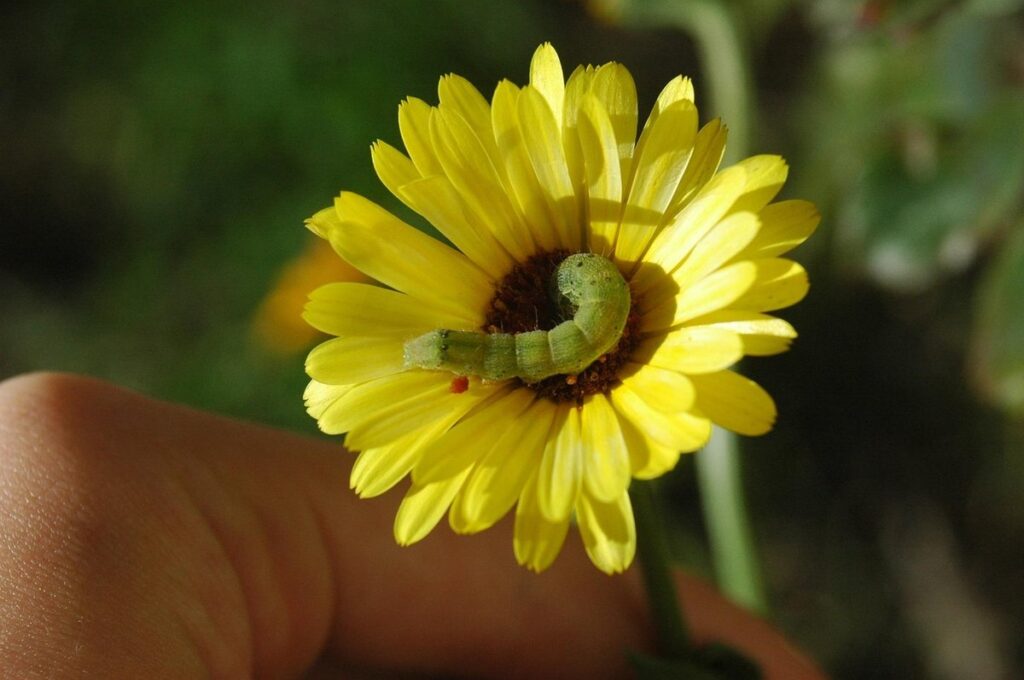
What are Beneficial Nematodes?
Let’s dive into the fascinating world of beneficial nematodes, microscopic organisms that will help you manage caterpillar infestations in your garden naturally. We’ll explore their unique characteristics and advantages.
Introduction to BT
Beneficial nematodes, often referred to as BT, are microscopic worms that play a vital role in maintaining ecological balance. These tiny organisms are naturally occurring and have been used for centuries to control pests without harming the environment or human health. As a gardener, it’s essential to understand how beneficial nematodes can help you manage caterpillar populations in your garden.
Beneficial nematodes work by attacking and killing caterpillars at all stages of their life cycle. They secrete toxins that paralyze the caterpillars, eventually leading to their death. This process is slow but effective, allowing the nematodes to reproduce and multiply within the caterpillar’s body. The most significant advantage of using beneficial nematodes is their specificity – they target only caterpillars, leaving other organisms in your garden unharmed.
In an ideal scenario, beneficial nematodes can be applied directly to the soil where the caterpillars are present. This approach ensures that the nematodes reach the caterpillars quickly and effectively. By incorporating beneficial nematodes into your gardening routine, you’ll not only reduce pesticide use but also promote a balanced ecosystem in your garden.
Types of BT Used for Pest Control
When it comes to using beneficial nematodes (BT) for pest control, there are several types available, each with its unique characteristics and benefits. Two of the most commonly used species are Steinernema feltiae and Heterorhabditis bacteriophora.
Steinernema feltiae is a popular choice among gardeners due to its ability to target a wide range of insect pests, including caterpillars, flies, and beetles. It’s also relatively easy to use and can be applied both as a liquid or powder. This species is particularly effective against larger insects, making it a great option for controlling caterpillar infestations.
Heterorhabditis bacteriophora, on the other hand, is more aggressive and suitable for warmer temperatures. It’s also highly effective against soil-dwelling pests like caterpillars, grubs, and fungus gnats. This species is often used in conjunction with Steinernema feltiae to provide a comprehensive pest control solution.
When choosing between these two species, consider the specific needs of your garden and the type of pests you’re targeting. Both Steinernema feltiae and Heterorhabditis bacteriophora can be effective against caterpillars, but they have different strengths and weaknesses that should be taken into account when making a decision.
How BT Works Against Caterpillars
So, how exactly do beneficial nematodes work their magic against those pesky caterpillars, and what makes them such a powerful pest control solution? Let’s dive in.
Life Cycle of Caterpillars and Nematodes
Caterpillars go through four stages of development: egg, larva (caterpillar), pupa, and adult. The life cycle typically begins with a female moth laying her eggs on the leaves of a plant or nearby surface. These eggs hatch into caterpillars within 3-4 days, depending on temperature and humidity levels.
As caterpillars feed on plants, they grow and molt several times before reaching maturity. This can take anywhere from 2-6 weeks, depending on factors like food availability and environmental conditions.
Beneficial nematodes (BT) target the juvenile stages of caterpillars, specifically the second and third instars. These microscopic worms enter the caterpillar’s body through small openings in the skin, such as mouthparts or breathing holes. Once inside, they release bacteria that kill the caterpillar within 24-48 hours.
For effective use of BT against caterpillars, it is essential to apply them during the cooler parts of the day when caterpillars are most active. This ensures that the nematodes have optimal conditions for infecting their hosts. Timing and proper application methods can make a significant difference in controlling caterpillar populations.
Mechanism of Action: Parasitization and Infection
When beneficial nematodes parasitize caterpillar larvae, they inject their eggs into the host’s body. These microscopic worms then develop inside the larva, feeding on its internal organs and tissues. As a result, the caterpillar begins to show signs of distress, including lethargy, loss of appetite, and discolored skin.
The nematodes continue to multiply and feed, eventually killing the host caterpillar. This process typically occurs within 1-2 weeks, depending on various factors such as temperature, humidity, and the specific BT species used. Once the nematode population reaches a critical mass, they burst out of the cadaver, continuing their life cycle.
In gardens plagued by caterpillars, this mechanism of action can be harnessed to control infestations without resorting to pesticides or other chemicals. To maximize its effectiveness, apply BT at the optimal timing and in sufficient quantities to ensure that all larvae are exposed to the parasitic nematodes.
Preparing Your Garden for BT Application
Before applying beneficial nematodes, make sure your garden is prepared by taking a few essential steps to ensure optimal results. This includes cleaning up debris and removing weeds that could interfere with the treatment.
Understanding Soil Conditions for Effective BT Application
To ensure the success of your BT application, it’s crucial to understand the soil conditions that will support the growth and survival of beneficial nematodes. One key factor is soil temperature, which should be between 55°F (13°C) and 90°F (32°C) for optimal nematode activity. If your soil is too cold or too hot, it can slow down or even prevent the nematodes from reproducing effectively.
Soil moisture also plays a significant role in BT application success. The ideal moisture level should be around 50-60% to facilitate the nematodes’ movement and activity. Avoid applying BT when your soil is waterlogged or extremely dry, as this can reduce their effectiveness.
Other factors like pH levels, soil type, and presence of other microorganisms can also impact BT application success. For instance, if your soil has a low pH (acidic), it may affect the nematodes’ ability to thrive. Similarly, certain types of soil like sandy or clayey soils can require adjustments in BT application strategies.
When preparing your garden for BT application, take these factors into consideration and adjust accordingly to ensure optimal conditions for the beneficial nematodes to do their job effectively.
Timing the Application: Factors to Consider
When to Apply BT for Optimal Results
Timing is everything when it comes to applying beneficial nematodes (BT) for caterpillars. You want to apply them during peak pest activity and optimal weather conditions to ensure the best results. Peak caterpillar activity typically occurs in warm, humid weather with temperatures between 60°F and 80°F (15°C and 27°C). Apply BT when you notice a significant increase in caterpillar populations or just before new growth emerges on susceptible plants.
It’s essential to avoid applying BT during extreme weather conditions, such as intense heatwaves, heavy rainfall, or prolonged droughts. These conditions can kill the nematodes before they have a chance to work their magic. Ideally, apply BT when the soil is moist but not waterlogged, allowing the nematodes to move freely through the soil and reach the caterpillars.
In terms of timing, consider applying BT every 7-10 days during peak pest activity or as needed. This will ensure that you’re keeping up with any new caterpillar populations that may emerge between applications. By timing your application correctly, you’ll maximize the effectiveness of BT and enjoy a healthier, pest-free garden.
Applying Beneficial Nematodes for Caterpillar Control
Now that you have a good understanding of how beneficial nematodes work, let’s dive into applying them effectively to control caterpillars in your garden. This section will cover key tips and techniques for successful application.
Methods of Application (Watering Can, Sprayer, or Granules)
When it comes to applying beneficial nematodes (BT) for caterpillar control, you have several methods at your disposal. The choice of method depends on various factors such as the severity of infestation, soil type, and personal preference.
Using a watering can is one common method of application. This approach allows for targeted treatment directly onto affected areas or plants. It’s particularly useful when dealing with small-scale infestations or localized outbreaks. However, it may require repeated applications to ensure thorough coverage, especially in larger gardens.
Another option is using a sprayer, which can be more efficient and convenient than the watering can method. This approach enables you to treat multiple areas simultaneously, making it ideal for larger gardens or widespread infestations. Be sure to mix the BT with water according to the manufacturer’s instructions to avoid any potential harm to your plants.
Granular application involves mixing the nematodes with soil or compost before planting. This method is particularly beneficial in areas with poor soil quality or when dealing with persistent infestations. However, it may require longer treatment periods due to slower release rates and absorption into the soil. Always follow the recommended dosage and timing for optimal results.
In any case, ensure you follow the manufacturer’s guidelines for application rates, timing, and mixing instructions. Additionally, maintain a consistent moisture level in the treated area to promote effective nematode activity. By choosing the right method and following proper application procedures, you can successfully control caterpillar populations with beneficial nematodes.
Dosage Rates: A Guide to Effective Pest Control
When it comes to applying beneficial nematodes (BT) for caterpillar control, understanding dosage rates is crucial for effective results. The right dosage rate ensures that the nematodes are present in sufficient quantities to infect and kill the target pests.
A common mistake gardeners make is over-applying BT, which can lead to unnecessary chemical residues and environmental harm. To avoid this, start by applying a low dose (typically 10-20 million IJ per square meter) and monitor the results. If needed, reapply at a higher dosage rate (up to 50 million IJ per square meter).
It’s also essential to consider the type of caterpillar you’re targeting. For example, smaller species like hornworms may require lower doses, while larger pests like armyworms may need more. Keep in mind that BT is most effective when applied during the early stages of pest development.
To calculate your application rate, consider the following: a standard 1-gallon water container can hold approximately 10-20 million IJ. Adjust this amount based on the specific product label instructions and the size of your garden area. Always follow the recommended dosage rates to ensure safe and effective use of BT in your garden.
Monitoring and Evaluating the Effectiveness of BT
To ensure you’re getting the best results from your beneficial nematodes, it’s essential to monitor their effectiveness and make adjustments as needed for optimal caterpillar control.
What to Expect After Application
After you’ve applied BT to your garden, it’s essential to monitor its effectiveness and look for signs of successful control. One of the first indicators is a significant reduction in caterpillar populations. If your application was successful, you should notice a decrease in the number of caterpillars on your plants within 7-10 days.
As the beneficial nematodes work their way through the soil ecosystem, you may also observe improved plant health. This can manifest as healthier foliage, increased yields, and even enhanced resistance to future pest infestations. Keep an eye out for these positive changes, as they’re a clear indication that your BT application is paying off.
In addition to observing reduced pest populations and improved plant health, you may also notice other subtle yet significant changes. These can include an increase in beneficial microorganisms in the soil, such as fungi and bacteria, which help break down organic matter and recycle nutrients. By monitoring these signs of success, you’ll be able to gauge the effectiveness of your BT application and make any necessary adjustments for future treatments.
Assessing the Impact on Your Garden Ecosystem
When assessing the impact of BT on your garden ecosystem, it’s essential to consider both the immediate and long-term effects. Immediately after application, you may notice a decrease in caterpillar populations as nematodes target and kill them. This can be beneficial for your plants, reducing damage from feeding.
However, it’s crucial to monitor how this shift affects other aspects of your garden ecosystem. For instance, a decline in caterpillar populations might lead to an increase in aphid or whitefly populations, as these pests often rely on the same food sources. Similarly, BT can also target beneficial insects like bees and butterflies that visit your plants.
To evaluate the effectiveness of BT, observe changes in plant health, pest populations, and soil conditions over time. Take note of any unusual fluctuations or patterns that may indicate an imbalance in your garden’s ecosystem. Keep records to track these changes, noting factors such as temperature, rainfall, and fertilization schedules, which can influence the outcome.
By carefully monitoring and evaluating the impact of BT on your garden, you can make informed decisions about future applications and adjust your approach to maintain a balanced ecosystem.
Safety Precautions for Handling and Applying BT
When handling Beneficial Nematodes, it’s essential to follow proper safety precautions to avoid any potential harm. Wear gloves and work in a well-ventilated area to minimize exposure.
Protective Measures for Gardeners
When handling beneficial nematodes (BT), it’s essential to remember that while these microscopic worms are harmless to humans and the environment, they can still pose some health risks if not handled properly. As a gardener applying BT to control caterpillar infestations, you need to take necessary precautions to avoid any potential harm.
Proper protective gear is your first line of defense against potential exposure to nematodes or other contaminants. Start by wearing a pair of gloves that are specifically designed for gardening and pest control. These gloves should be made from materials such as nitrile or latex, which provide an effective barrier between your skin and any potential pathogens.
A face mask is also crucial when handling BT. While the nematodes themselves are not airborne, other contaminants like dirt, dust, and pollen can still cause respiratory issues if inhaled. Choose a mask that fits comfortably over your nose and mouth, and make sure to change it frequently while working outdoors.
Eye protection is equally important when applying BT. Caterpillar infestations can often be found on plants near the ground level, which means you’ll need to bend down or crawl around to inspect for signs of damage. A pair of goggles or safety glasses will protect your eyes from any debris or chemicals that might splash back while working.
Remember, it’s always better to err on the side of caution when handling beneficial nematodes or any other gardening chemicals. Make sure to follow the manufacturer’s instructions carefully and take regular breaks to rest your hands, face, and eyes. By taking these simple precautions, you can enjoy a safe and effective application of BT in your garden.
Common Challenges and Considerations for Using BT in Gardens
Using beneficial nematodes (BT) can come with its own set of challenges, so let’s explore some common issues you might encounter when using them in your garden. Understanding these considerations will help you use BT effectively.
Potential Issues with Soil Type or Moisture Levels
When using beneficial nematodes to control caterpillar populations in your garden, it’s essential to consider potential issues related to soil type and moisture levels. Poor water absorption is a common challenge that can affect the effectiveness of BT application. For instance, sandy soils may not retain moisture well, making it difficult for the nematodes to survive and infect the caterpillars.
On the other hand, heavy clay soils can be too dense, hindering the movement of the nematodes and preventing them from reaching their target. To mitigate these issues, ensure that your soil has adequate drainage and aeration. If you have sandy soils, consider mixing in some organic matter like compost or well-rotted manure to improve water retention.
Similarly, if you have clay soils, create raised beds or incorporate perlite or vermiculite to enhance drainage. It’s also crucial to maintain optimal moisture levels during the application period, usually within a few hours of application. Monitor your soil conditions closely and adjust as needed to ensure successful BT treatment.
Addressing the Risk of Resistance Development
One of the primary concerns gardeners have when using beneficial nematodes (BT) to control caterpillars is the risk of developing resistance. Resistance occurs when the nematodes become ineffective against certain pest populations, requiring more frequent or higher applications to achieve desired results.
This can be a significant problem, especially in gardens where BT has been used repeatedly over time. To minimize the risk of resistance development, it’s essential to adopt integrated pest management (IPM) strategies that combine multiple control methods. This may include using other biological controls like parasitic wasps or introducing beneficial insects that prey on caterpillars.
It’s also crucial to rotate BT products and use different species within the same genus to maintain their effectiveness. Some gardeners have reported success with rotating between Steinernema feltiae and Heterorhabditis bacteriophora, for example.
Frequently Asked Questions
Can I use BT for caterpillar control on all types of plants?
Yes, beneficial nematodes (BT) can be used to control caterpillars on a wide range of plants, including vegetables, fruits, flowers, and ornamentals. However, it’s essential to choose the correct type of nematode suitable for your specific plant species and pest problem.
How long does it take for BT to start working against caterpillar infestations?
After application, beneficial nematodes typically begin to control caterpillar populations within 1-2 weeks. It may take longer for more severe infestations or in areas with poor soil conditions. Monitoring your garden regularly and reapplying as needed can help ensure effective pest control.
Can I mix BT with other gardening products or chemicals?
No, it’s generally recommended to use beneficial nematodes (BT) on their own without mixing them with other products or chemicals. This helps prevent potential harm to the nematodes and ensures they work effectively against caterpillars. If you need to control multiple pests, consider using separate applications of BT for each pest type.
What happens if I apply too much BT to my garden?
Applying too much beneficial nematode (BT) can lead to over-parasitization, potentially harming non-target organisms in your garden. To avoid this, follow the recommended dosage rates and application guidelines provided with the product or based on local expert advice.
Can I store unused BT for future applications, or do they have a limited shelf life?
Beneficial nematodes (BT) generally have a long shelf life when stored properly in a cool, dry place. Check the product packaging or manufacturer’s instructions for specific storage and handling guidelines to ensure their viability for future use.