
As a gardener, you know how frustrating it can be to see your hard work devoured by pests. From aphids to rabbits, there are countless creatures that seem determined to ruin our garden’s beauty and productivity. But before reaching for harsh chemicals, let’s explore some eco-friendly alternatives. In this article, we’ll dive into the world of safe DIY pest control techniques specifically designed for gardens. We’ll discuss natural deterrents, clever traps, and long-term solutions to help you protect your garden from common pests like insects, rodents, and other unwanted critters. By using these effective yet gentle methods, you can create a healthier garden ecosystem that thrives without harming the environment or your family’s safety. Get ready to learn how to take back control of your garden!
Understanding Garden Pests and Their Impacts
When it comes to controlling pests in your garden, understanding what you’re up against is crucial. In this next part of our guide, we’ll explore common garden pests and their potential impacts on your plants.
Types of Common Garden Pests
Gardens can be infested by various types of pests, including insects, rodents, and other animals. These pests can cause significant damage to plants, reducing their yield and affecting their quality.
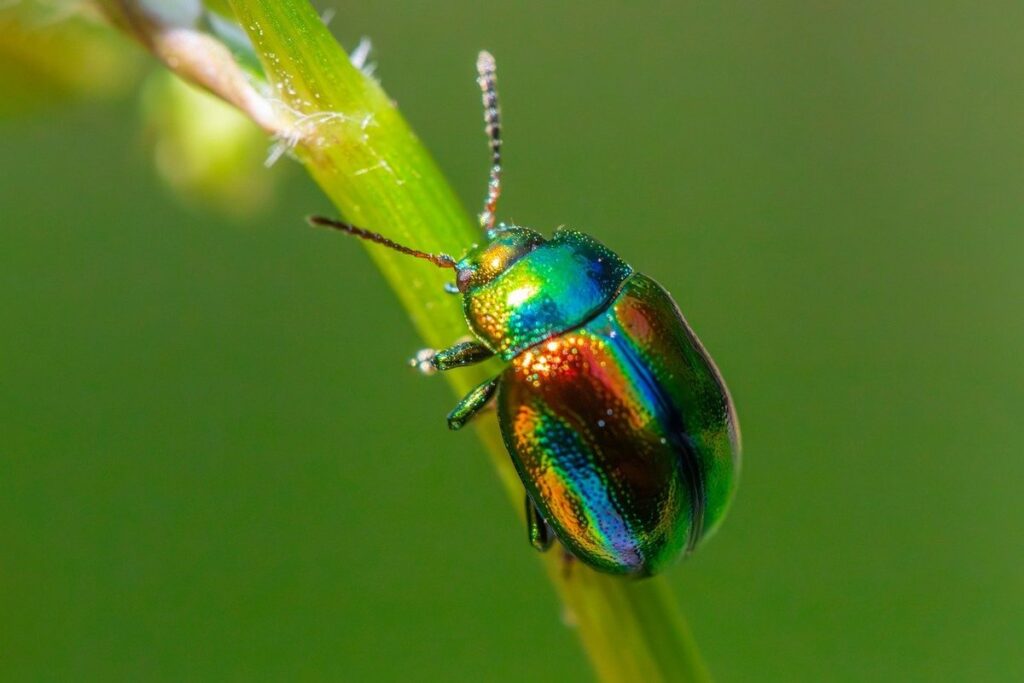
Insects are perhaps the most common garden pests. They come in different forms, such as aphids, whiteflies, caterpillars, and beetles. Aphids are small, soft-bodied insects that feed on plant sap, causing curled or distorted leaves. Whiteflies, on the other hand, are tiny, winged insects that suck the sap from plants, leaving behind a sticky substance called honeydew.
Rodents are also significant garden pests. They can chew on plant stems and roots, leading to damage and loss of crops. Some common types of rodents found in gardens include mice, rats, and squirrels. These pests are attracted to food sources such as seeds, fruits, and vegetables, so it’s essential to secure your garden by storing these items properly.
Other animals that can infest gardens include birds, rabbits, and deer. These pests can cause significant damage to plants, especially young seedlings and delicate flowers.
Identifying Signs of Pest Infestation
Recognizing signs of pest infestation is crucial to effective garden management. Start by inspecting your plants regularly for any unusual damage or changes. Check the leaves and stems for holes, tears, or other forms of damage. Are there any areas where plants seem to be dying off faster than others? This could indicate a pest problem.
Unusual animal tracks or droppings can also be indicative of an infestation. Keep an eye out for slug trails, ant hills, or bird droppings on your plants. Check the undersides of leaves and stems, as pests often prefer to hide in these areas.
Some common signs of pest infestation include:
* Holes in leaves or stems
* Yellowing or browning of plant tissue
* Presence of insect eggs or larvae
* Unusual animal tracks or droppings
Take note of which plants are being affected and when you first noticed the problem. This information will come in handy when deciding on a DIY pest control strategy that targets specific pests and their life cycles.
Natural Deterrents for Garden Pests
Let’s explore some effective natural deterrents that can help keep garden pests at bay without harming your plants or the environment around them. From soap to garlic, we’ll show you what works.
Using Herbs and Plants to Repel Pests
Using herbs and plants to repel pests is a simple yet effective way to maintain a healthy garden without relying on harsh chemicals. Certain plants have natural properties that repel unwanted visitors, such as mosquitoes, aphids, and whiteflies. Basil, for instance, contains oils that repel flies and other pests, making it an excellent addition to any garden.
Mint is another popular herb that naturally keeps pests at bay. Its strong scent can deter ants, spiders, and even rodents from entering your garden. Consider planting mint in a container to keep its invasive tendencies under control.
Marigolds are also known for their ability to repel nematodes, which can damage roots and harm plants. They’re easy to grow and add a vibrant splash of color to any garden bed. When incorporating these pest-repelling plants into your garden design, consider the following tips:
• Plant them around the perimeter of your garden to create a barrier against pests.
• Mix herbs like basil and mint with other flowers or vegetables in a companion planting strategy.
• Use marigolds as a trap crop by placing them near areas where nematodes are most active.
By incorporating these natural pest-repellents into your garden, you can enjoy a healthier, more balanced ecosystem without resorting to harsh chemicals.
Homemade Pest Deterrent Sprays and Mixtures
Creating homemade pest deterrent sprays using common household ingredients is a great way to control garden pests without exposing yourself or your environment to harsh chemicals. One popular mixture uses garlic as the primary ingredient. To make this spray, you’ll need three cloves of minced garlic, one quart of water, and a few drops of liquid soap.
Mix all the ingredients together in a blender or food processor until well combined. Strain the mixture through a fine-mesh sieve into a spray bottle. The resulting solution can be used to repel aphids, spider mites, and other soft-bodied pests.
Another effective mixture incorporates hot peppers for their pungent properties. Combine one chopped hot pepper with a quart of water and a few drops of soap in a blender or food processor. Similar to the garlic spray, strain this mixture into a spray bottle before applying it to your plants.
When using these homemade sprays, remember that they may not completely eliminate pests but rather deter them from returning. For best results, reapply every few days as needed.
DIY Traps for Capturing Garden Pests
If you’re tired of losing precious harvests to pesky garden pests, we’ve got some clever and easy-to-make traps that’ll help you catch them off guard. These DIY traps are a game-changer for any gardener.
Sticky Traps for Insect Pests
When it comes to capturing insect pests in your garden, sticky traps are an effective and non-toxic option. You can make these traps using household items like plastic containers, glue, and cardboard. To start, cut a piece of cardboard into the desired shape and size, then place it inside a plastic container or tray. Next, apply a thin layer of non-toxic adhesive, such as honey or a commercial sticky substance, to the cardboard.
These traps work by luring insects with color, pattern, or scent, causing them to stick to the surface when they land. Place your sticky trap near areas where pests are most active, and change the trap regularly to avoid attracting other beneficial insects. For example, if you’re targeting aphids on rose plants, place a sticky trap near the base of the plant.
Some key tips for using sticky traps effectively include:
• Using non-toxic adhesives to prevent harm to wildlife
• Changing the trap frequently to maintain its effectiveness
• Placing traps in areas where pests are most active
Homemade Bait Stations for Rodents
Creating homemade bait stations is an effective way to capture rodents that are damaging your garden without using commercial traps. To make a simple bait station, you’ll need PVC pipes, wire mesh, and rodent bait pellets. Cut the PVC pipe into two sections, one slightly larger than the other. Place the smaller section inside the larger one, leaving enough space for the rodent to enter but not escape.
Cut holes in the top of both sections and cover them with wire mesh. Fill the bait compartment with pellets, making sure they’re easily accessible to the rodents. Attach the two sections together using screws or glue, ensuring a secure connection. Place the bait station near areas where you’ve spotted rodent activity.
When using homemade bait stations, it’s essential to follow proper disposal and safety precautions. Dispose of caught rodents humanely by releasing them at least 5 miles away from your garden. Keep children and pets away from the bait stations to avoid accidental ingestion or exposure to the bait.
Integrated Pest Management (IPM) Strategies
When tackling garden pests, it’s essential to use a holistic approach that considers both the pest and your garden as a whole. Here we’ll dive into effective IPM strategies for a balanced ecosystem.
Monitoring Garden Pests Regularly
Monitoring garden pests regularly is an essential step in maintaining a healthy and balanced ecosystem. By detecting pest infestations early on, you can prevent damage to your plants and reduce the need for chemical pesticides. To conduct thorough inspections, start by observing your garden at different times of day and during various weather conditions.
Look for signs of pests such as holes in leaves, chewed stems, or eggs on plant surfaces. Check the undersides of leaves, soil, and surrounding areas where pests are likely to hide. Keep a gardening journal to record your observations, noting the date, time, and type of pest found.
Consider using a pest monitoring schedule to stay organized. For example, inspect your garden every week during peak growing seasons or after heavy rainfall. Use this information to inform your DIY pest control strategies, such as introducing beneficial insects, using physical barriers, or applying homemade pest deterrents. By staying vigilant and adapting your approach, you can maintain a safe and balanced garden ecosystem.
Combining DIY Methods with Other IPM Techniques
While DIY methods can be incredibly effective for managing pests in gardens, they often work best when combined with other Integrated Pest Management (IPM) techniques. One way to enhance the effectiveness of your DIY efforts is by introducing beneficial insects into your garden ecosystem.
For example, lacewings and ladybugs are natural predators that feed on common garden pests like aphids and whiteflies. By attracting these beneficial insects to your garden, you can reduce the need for chemical pesticides while also promoting a balanced ecosystem. Another approach is using physical barriers to prevent pests from reaching your plants in the first place.
Consider creating a barrier around vulnerable plants like roses or fruit trees by surrounding them with fine mesh or fine netting. This will prevent pests like Japanese beetles and codling moths from laying eggs on your plants, thereby preventing infestations. By combining DIY methods with these other IPM techniques, you can create a more holistic approach to pest management that minimizes harm to the environment while maximizing the health of your garden.
To integrate beneficial insects into your garden, consider planting flowers that attract pollinators and beneficial insects, like marigolds and dill.
Health and Safety Considerations for DIY Pest Control
When using pesticides and other chemicals, it’s essential to follow proper safety protocols to protect yourself from harm. In this section, we’ll cover crucial health and safety considerations.
Handling Chemicals and Pesticides Safely
When it comes to tackling pests in your garden, using chemical pesticides may seem like an easy solution. However, these chemicals come with significant risks that can harm both you and the environment. The World Health Organization estimates that over 3 million people die each year from pesticide poisoning worldwide.
If you do choose to use chemical pesticides, handling them safely is crucial. Start by wearing protective gear such as gloves, long sleeves, pants, and closed-toe shoes to prevent skin contact. Always read the label carefully before applying any pesticide and follow the instructions exactly.
Proper storage is also essential. Store chemicals in their original containers, out of reach of children and pets, and away from food, water, and other household items. Dispose of empty containers safely by taking them to a designated hazardous waste collection site or participating community collection programs.
Before applying pesticides, ensure good ventilation to prevent inhalation. Never mix different types of chemicals together as this can increase the risk of poisoning. Always wash your hands thoroughly after handling pesticides and keep tools and equipment clean to avoid cross-contamination.
Protecting Yourself from Pests and Diseases
When working in your garden, it’s essential to protect yourself from pest bites and diseases. Pests like mosquitoes, ticks, and fleas can transmit serious illnesses, while fungal infections like ringworm and athlete’s foot can cause discomfort and complications.
To minimize the risk of pest bites and diseases, always wear proper personal protective equipment (PPE). This includes long-sleeved shirts, pants, closed-toe shoes, and gloves. Tucking your pant legs into your socks can also prevent tick bites from creeping up your legs. Consider wearing a hat and applying insect repellent to exposed skin.
Regularly wash your hands with soap and water after handling plants or soil, especially if you’ve noticed any pests or diseases present. This simple habit can significantly reduce the risk of spreading infections. In addition, clean and disinfect any tools or equipment used for gardening to prevent cross-contamination. By taking these precautions, you’ll be able to enjoy your garden safely while effectively controlling pest populations.
Long-Term Solutions for Sustainable Garden Pest Management
As you’re committed to creating a truly sustainable garden, it’s time to explore long-term solutions that prioritize eco-friendly methods and minimal chemical use. Effective strategies will be outlined here.
Maintaining Healthy Soil and Ecosystem Balance
When it comes to maintaining healthy soil and ecosystem balance, it’s essential to understand that this is a crucial aspect of preventing pest infestations. Healthy soil acts as a natural barrier against pests, supporting beneficial microorganisms that help break down organic matter and recycle nutrients.
To maintain healthy soil, start by incorporating composting into your gardening routine. Compost can help improve the soil structure, increasing its water-holding capacity and reducing erosion. To make compost, simply collect kitchen scraps, leaves, and grass clippings in a designated area and let them break down over time. You can also add a 4-inch layer of compost to your garden beds every spring.
Crop rotation is another effective way to maintain ecosystem balance. By rotating your crops annually or biennially, you’ll reduce the risk of pests and diseases building up in the soil. For example, if you grew tomatoes last season, try planting marigolds or basil this season instead, as these flowers can repel nematodes and other pests.
Companion planting is also a great way to encourage beneficial relationships between plants. By pairing certain plants together, such as planting marigolds with tomatoes, you’ll create an environment that discourages pest populations from building up. Some examples of companion plants include:
• Basil and mint for aphids
• Chives for bees
• Marigolds for nematodes
By incorporating these simple yet effective methods into your gardening routine, you’ll be well on your way to maintaining a healthy ecosystem balance in your garden. Remember, it’s all about creating an environment that encourages beneficial microorganisms and discourages pest populations from building up.
Regular Maintenance and Monitoring for Ongoing Success
As we’ve explored various DIY pest control methods throughout this article, it’s essential to remember that their success relies heavily on regular maintenance and monitoring. Just like any other aspect of gardening, effective management requires ongoing effort to ensure the health and sustainability of your garden.
One crucial factor to consider is the importance of inspecting your garden regularly for signs of pests or disease. This involves setting aside time each week to walk through your garden, checking plants for damage, discoloration, or unusual growth patterns. By catching issues early on, you can take swift action to prevent infestations from getting out of hand.
Another key aspect is maintaining a clean and organized garden environment. Remove weeds and debris that can attract pests, and ensure proper drainage to prevent waterlogged soil conditions that foster disease growth. This simple routine will significantly reduce the likelihood of pest problems arising in the first place.
Regular monitoring also involves tracking weather patterns and adjusting your management strategies accordingly. For instance, during periods of high humidity or rainfall, be prepared for an increase in pests like aphids and slugs, which thrive in such conditions.
To integrate these practices into your routine, set a reminder to inspect your garden at the same time each week, and allocate dedicated time for tasks like weeding, pruning, and fertilizing. This consistency will pay off in the long run by minimizing pest-related problems and maintaining a balanced ecosystem within your garden. By doing so, you’ll be able to enjoy the fruits of your labor without relying on chemical pesticides or other harsh treatments that can harm the environment.
Frequently Asked Questions
Can I use these DIY pest control methods for indoor plants as well?
Yes, many of the techniques mentioned can be adapted for indoor plants, but keep in mind that some materials may not be suitable for indoor use due to ventilation and space constraints. Be sure to research specific solutions for your indoor garden.
How often should I reapply natural deterrents like neem oil or insecticidal soap?
For optimal effectiveness, reapply these deterrents every 7-10 days, or as directed by the product label. However, be cautious not to overdo it, as excessive use can harm plants and develop pest resistance.
What if I have a large garden – will these DIY methods scale up?
While some DIY techniques may work for small gardens, larger areas often require more extensive solutions. Consider combining multiple methods or creating a long-term plan for managing pests in your garden. Also, be sure to monitor and adjust as needed.
Can I use homemade pest deterrent sprays on edible crops?
When using homemade sprays on edible crops, ensure you follow proper food safety guidelines and use only organic, non-toxic ingredients. Always test a small area first to avoid any potential harm to your plants or human consumption.
How can I monitor my garden for pests without using chemical pesticides?
Regularly inspect your garden for signs of pest infestation, such as damage, discoloration, or actual pests. Use sticky traps, pitfall traps, and visual observations to detect pests early on. Keep a gardening journal to track pest activity and adjust your management strategies accordingly.