
When it comes to fertilizing your garden, you’ve probably heard that using banana peels is a game-changer. But is this popular trick really as magical as it seems? Some claim that banana peels are a rich source of nutrients that can boost plant growth and health, while others dismiss them as nothing more than compostable trash.
The truth is, there’s a lot of myth surrounding the use of banana peels in gardening. In this article, we’ll separate fact from fiction to give you a clear understanding of what’s really happening when you add banana peels to your garden soil. We’ll explore their actual benefits and limitations as well as discuss some practical alternatives for fertilizing your plants. By the end of it, you’ll be equipped with the knowledge to make informed decisions about how best to care for your garden’s health – no more guessing or myths!
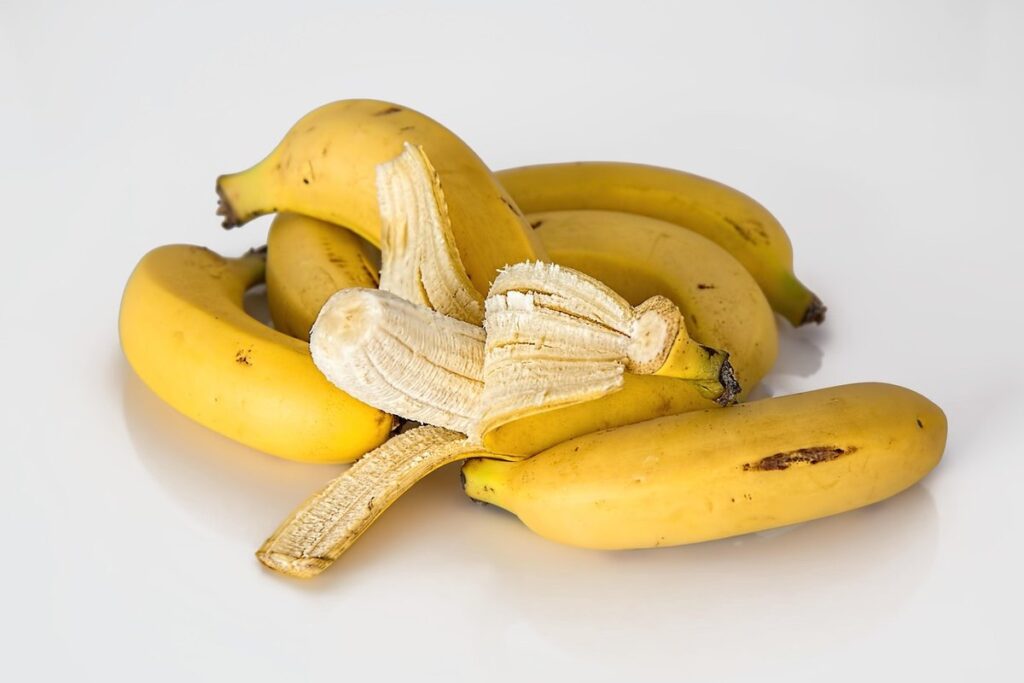
The Origins of the Myth
Let’s take a look at where this myth actually originated from, and explore some common claims made about banana peels in gardening. Many gardeners have been misled by outdated advice passed down through generations.
History of Using Banana Peels in Gardening
The concept of using banana peels as a fertilizer has been around for centuries. In ancient civilizations such as China and India, people would bury banana skins near their plants to create a nutrient-rich environment. However, this practice didn’t gain widespread popularity until the mid-20th century.
In the 1950s and 60s, gardening enthusiasts in the United States began to experiment with using banana peels as a natural fertilizer. They discovered that the peels were rich in potassium, an essential micronutrient for plant growth. Word of this discovery spread quickly among gardeners, and soon banana peels became a staple in many household compost piles.
Today, you can find numerous online forums and gardening communities sharing their experiences with using banana peels as fertilizer. While its popularity is still relatively recent, the practice has become a beloved tradition among eco-conscious gardeners.
Misinterpretation and Misinformation
The myth about banana peels has been perpetuated by a combination of misinterpretation and misinformation. Online forums, social media platforms, and even well-meaning gardening blogs have contributed to the widespread acceptance of unverified claims. Many gardeners swear that adding banana peels to their compost pile will attract beneficial nematodes, which are supposed to kill pests in the soil.
However, this notion is based on a misunderstanding of how nematodes work. Beneficial nematodes are microscopic worms that attack and kill insect larvae in the soil, but they don’t require banana peels as a food source. In fact, adding too many banana peels to your compost can create anaerobic conditions, leading to unpleasant odors and potentially harming beneficial microorganisms.
To separate fact from fiction, it’s essential to rely on credible sources of information. When reading about gardening tips online, look for peer-reviewed studies or expert opinions from reputable organizations. Be wary of exaggerated claims and anecdotal evidence, and always verify information through multiple sources before adopting new practices in your garden.
What Banana Peels Actually Do in Your Garden
Let’s get real about banana peels in your garden. We’re going to dig into what they actually do for your plants, and separate myth from reality.
Nutrient Content and Potential Benefits
Banana peels are often touted as a rich source of nutrients for gardens, but what exactly do they contain? A scientific analysis reveals that banana peels have an impressive nutrient profile. They contain a significant amount of nitrogen (N), phosphorus (P), and potassium (K), making them an attractive addition to compost piles. In fact, one cup of dried banana peel contains approximately 3% nitrogen, 0.5% phosphorus, and 1% potassium. These NPK values may not be as high as other organic fertilizers, but they still contribute significantly to the overall nutrient balance in your garden.
The beneficial compounds present in banana peels also include magnesium, sulfur, and manganese – essential micronutrients for healthy plant growth. When incorporated into compost or used as a mulch, these nutrients can help promote strong root development, enhance fruit production, and support overall plant health. To utilize the nutrient content of banana peels effectively, simply bury them near your plants’ base, about 2-3 inches deep, allowing the decomposing peel to act as a slow-release fertilizer.
Comparison with Commercial Fertilizers
When it comes to providing nutrients to your garden, banana peels are often touted as a cost-effective and eco-friendly alternative to commercial fertilizers. But do they really stack up? Let’s take a closer look.
Compared to commercial products, banana peels have a relatively low nutrient density. A single banana peel contains about 0.5 grams of nitrogen, whereas a bag of commercial fertilizer can contain anywhere from 20-50 pounds of nitrogen per application. That being said, it’s not all doom and gloom for banana peel enthusiasts.
One advantage of using banana peels is that they’re incredibly easy to use – simply bury them in the soil near your plants or add them to your compost pile. Commercial fertilizers, on the other hand, require more effort to apply and can be messy to handle.
However, it’s essential to consider the environmental impact of using commercial products versus banana peels. Many commercial fertilizers are made from non-renewable resources and contribute to soil degradation over time. Banana peels, when composted, actually help improve soil structure and increase its water-holding capacity – a win-win for your garden!
The Role of Microorganisms in Decomposition
Microorganisms play a crucial role in breaking down organic matter, including banana peels, into nutrient-rich soil. Let’s dive into how they contribute to decomposition.
How Banana Peels Affect Soil Microbiology
Banana peels have a significant impact on soil microbiology, affecting both beneficial microorganisms and introducing potential pathogens. When added to soil, banana peels release nutrients such as potassium, magnesium, and sulfur, which can stimulate microbial activity. However, this stimulation also brings a risk of attracting unwanted pests and diseases.
The introduction of banana peels can lead to an overpopulation of decomposing microbes, disrupting the balance between beneficial microorganisms like mycorrhizal fungi and bacteria. This imbalance can result in root damage and decreased plant growth rates. Moreover, banana peels can harbor pathogens like fungal spores and nematodes, which can infest soil and infect plants.
To minimize these risks, it’s essential to compost banana peels separately from other organic materials before adding them to your garden. Composting allows for proper decomposition, eliminating potential pathogens while retaining beneficial microbes. Alternatively, you can bury banana peels in a deep trench, allowing the added nutrients to seep into the soil without attracting pests or disrupting microbial balance.
Importance of Organic Matter for Healthy Soil
Organic matter plays a crucial role in maintaining healthy soils, and it’s essential to understand its significance. When we talk about organic matter, we’re referring to decaying plant and animal residues that add nutrients and structure to the soil. These “soil-building” elements not only improve water retention but also facilitate nutrient cycling.
Healthy soils are teeming with microorganisms that break down these residues, releasing essential nutrients for plants to absorb. As a result, the soil’s physical properties are improved – it becomes more fertile, porous, and capable of retaining moisture. This process is critical for plant growth, as it allows roots to spread freely and access water and air.
By incorporating organic matter into your garden, you’re essentially creating an ecosystem that thrives on its own. Mulching with banana peels can contribute to this balance by adding carbon-rich material that’s broken down by microorganisms. This will help stabilize the soil structure and promote healthy microbial activity – a key component of maintaining a balanced soil food web.
The Limitations and Drawbacks of Using Banana Peels
While banana peels have their benefits, they’re not a miracle solution for your garden. In fact, there are some significant limitations to consider when using them as fertilizer or compost.
Potential Problems with Overuse or Misapplication
Using banana peels as a fertilizer can be beneficial for your garden, but it’s essential to be aware of the potential problems that arise from overuse or misapplication. One common issue is overloading the soil with potassium. While potassium is an essential nutrient for plant growth, excessive amounts can lead to an imbalance in the soil’s pH levels and even burn roots if taken to extremes.
This can create a hospitable environment for pests and diseases to thrive. For instance, the high moisture content of banana peels can attract slugs and snails, causing damage to your plants. Moreover, the potassium-rich environment may also foster fungal growth, leading to root rot and other problems.
To avoid these issues, use banana peels in moderation. A general rule of thumb is to compost them in a separate bin before adding the finished product to your soil. This will help regulate the nutrient release and prevent overloading. Also, consider mixing banana peels with other organic matter like leaves or grass clippings to balance out the potassium levels.
Alternatives for Gardeners Who Want a DIY Approach
If you’re looking for natural alternatives to banana peels for your garden, you have plenty of options. Coffee grounds are a great substitute for attracting beneficial insects and improving soil structure. Simply sprinkle them around the base of your plants, or mix them into the soil.
Compost is another excellent choice, allowing you to recycle kitchen scraps and yard waste into nutrient-rich fertilizer. The process involves breaking down organic matter in an oxygen-free environment, resulting in a dark, crumbly soil amendment that’s perfect for gardeners on a budget.
Worm castings are yet another option, produced by worms as they break down kitchen scraps in vermicomposting systems. Rich in micronutrients and beneficial microbes, worm castings promote healthy root development and plant growth.
These alternatives offer benefits like improved soil fertility, pest control, and reduced waste. However, they also have potential drawbacks, such as the need for regular maintenance or specialized equipment.
Separating Fact from Fiction: How to Use Banana Peels Effectively
Now that we’ve explored the science behind banana peels’ benefits, let’s get down to business and discuss how you can effectively use them in your garden.
Preparing and Applying Banana Peel Tea or Compost
Preparing banana peel tea is a simple process that can be done at home. Start by drying 2-3 banana peels and then boil them in water for about 10 minutes. You can also add other ingredients like apple cider vinegar or lemon juice to enhance the nutrient release. The resulting liquid is rich in potassium, magnesium, and sulfur, making it an excellent fertilizer for plants.
When preparing banana peel compost, start by shredding the peels into smaller pieces and mixing them with other compost materials like leaves, grass clippings, or vegetable scraps. The ideal ratio is 1 part banana peel to 2-3 parts other compost materials. Add a small amount of water to create a moist environment, which will help break down the peels’ complex compounds.
To ensure optimal nutrient release and uptake by plants, make sure the tea or compost is well-balanced in terms of pH levels and nutrient content. Aim for a slightly acidic to neutral pH range (around 6-7) and avoid overloading your plants with too much potassium, as this can cause an imbalance in their micronutrient intake.
Incorporating banana peel tea or compost into your gardening routine requires patience and attention to detail. It’s essential to maintain the right moisture levels and monitoring the nutrient release process to ensure effective fertilization. By following these guidelines, you’ll be able to create a customized fertilizer blend that meets your plants’ specific needs, promoting healthy growth and development.
Tips for Integrating Banana Peels into a Balanced Fertilization Strategy
When incorporating banana peels into your fertilization strategy, it’s essential to consider the unique needs of your plants and combine them with other natural sources. A balanced approach ensures that your garden receives a broad spectrum of nutrients without overloading the soil.
Start by understanding the NPK (nitrogen-phosphorus-potassium) ratio in banana peels – they’re high in potassium, but low in nitrogen and phosphorus. For example, if you have plants that require more nitrogen, such as leafy greens or tomatoes, supplement their diet with other natural sources like compost tea, fish emulsion, or manure tea. On the other hand, if your plants need more potassium, like banana peels would provide, focus on incorporating them into your fertilization plan.
Consider a 3-tiered approach: layering banana peels as mulch around plant bases to release nutrients slowly, brewing them into compost tea for an immediate boost, and using them as potting mix amendments for container gardens. By diversifying your fertilizers, you’ll create a more resilient garden ecosystem that’s better equipped to handle seasonal fluctuations and extreme weather conditions. This balanced approach will also minimize the risk of over-fertilization, which can lead to soil degradation and environmental harm.
Conclusion: Banishing the Myth with Science and Facts
In conclusion, it’s time to put the age-old myth about banana peels in your garden to rest. By now, you’ve learned that they don’t have any magical powers or fertilizer properties like many claim. The science is clear: banana peels are high in potassium, but that doesn’t mean they’re beneficial for plants in the way people think. To make the most of your gardening efforts, focus on using well-balanced fertilizers and composts specifically designed to meet your plant’s needs.
Now, what can you do with those banana peels? Simply bury them around the base of your plants as a natural mulch or add them to your compost pile. This way, you’re repurposing household waste while creating nutrient-rich soil for your garden.
Frequently Asked Questions (FAQs)
When it comes to using banana peels in your garden, there are many misconceptions that can be frustrating and confusing. One of the most common questions is whether banana peels can really help repel aphids and other pests. The answer is yes, they can! Rich in potassium and nutrients, banana peels can indeed act as a natural pest repellent when crushed and sprinkled around plants.
Another question that often arises is whether banana peels can be composted. Yes, you can definitely add them to your compost pile, but it’s essential to balance the high nitrogen content with carbon-rich materials like leaves or straw. This will help create a nutrient-rich soil amendment for your garden.
Some people are concerned about using banana peels in their garden due to potential contamination from pesticides and chemicals. To avoid this risk, choose organic bananas or grow your own fruit without any chemical inputs.
Frequently Asked Questions
Can I use banana peels on all types of plants, or are there any exceptions?
When using banana peels as a fertilizer, it’s essential to consider the type of plant you’re trying to grow. Acid-loving plants like azaleas and blueberries can benefit from the high potassium content in banana peels, but alkaline-loving plants like succulents might not appreciate the acidity. Research your specific plant’s needs before adding banana peels to their soil.
How long does it take for banana peel tea or compost to show its effects on my plants?
The time it takes for banana peel tea or compost to have a noticeable impact on your plants can vary depending on factors like soil quality, temperature, and humidity. Generally, you can expect to see improvements in plant growth and health within 2-6 weeks after application.
Can I mix banana peels with other fertilizers or organic matter, or should I use them separately?
Banana peels can be combined with other natural fertilizers like fish emulsion or compost tea to create a balanced nutrient profile for your plants. However, it’s crucial to avoid mixing them with synthetic fertilizers, as this can lead to over-fertilization and potentially harm your plants.
How do I know if I’m using too many banana peels, and what are the potential problems that come with overuse?
While banana peels are a valuable resource for gardeners, overusing them can lead to an imbalance in soil pH, nutrient overload, or even attract pests. Monitor your plants’ responses to banana peel application, and adjust your usage accordingly. Aim to add 1-2 cups of banana peels per square foot of soil as needed.
Can I use dried banana peels instead of fresh ones, and are there any storage considerations?
Dried banana peels can still be used as a fertilizer, but their effectiveness may decrease due to the loss of water-soluble nutrients. To preserve their potency, store them in an airtight container or freeze them for later use. When rehydrating dried banana peels, make sure to mix them with plenty of water to avoid creating concentrated nutrient solutions that can harm plants.