
When it comes to creating a thriving garden, one of the most fundamental decisions you’ll make is whether to opt for a raised bed or an in-ground setup. Both options have their pros and cons, and understanding these differences can help you choose the best fit for your space, climate, and personal gardening style.
The type of garden you create not only affects its aesthetic appeal but also how well it performs in terms of growth, maintenance, and water conservation. In this article, we’ll delve into the world of raised beds and in-ground gardens, exploring their distinct characteristics, advantages, and disadvantages. By comparing these two options side by side, you’ll gain a deeper understanding of what works best for your unique needs, allowing you to create a lush, vibrant garden that brings joy and satisfaction all season long.
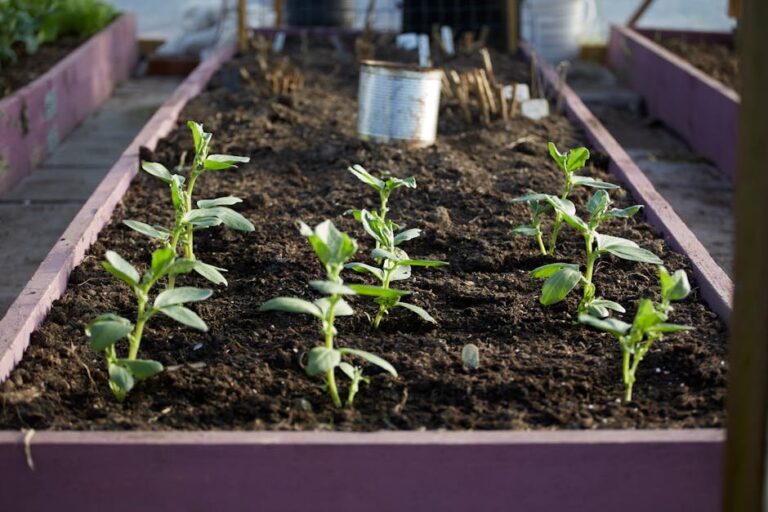
Understanding the Basics
Let’s start by laying a solid foundation of knowledge, so you understand the fundamental differences between raised beds and in-ground gardens. We’ll break down the basics for a clear comparison.
What are Raised Beds?
A raised bed is essentially a contained garden bed that’s elevated above the surrounding ground. This design allows for better drainage, improved soil structure, and enhanced accessibility. Raised beds can be as small as 4×4 feet or as large as you need them to be, making them an ideal solution for gardens with limited space.
The benefits of raised beds are numerous. For one, they improve soil quality by allowing for the use of a consistent mix of topsoil, compost, and other amendments. This reduces the risk of soil-borne diseases and pests that can be prevalent in traditional in-ground gardens. Raised beds also enable better air circulation around plants, reducing the need for pesticides and herbicides.
Common materials used to construct raised beds include wood (pressure-treated or cedar), composite materials, recycled plastic, and metal. When choosing a material, consider factors such as durability, maintenance requirements, and environmental impact.
How to Build a Raised Bed
Building a raised bed is a straightforward process that requires some planning and physical effort. To get started, consider the size of your bed based on accessibility and space constraints. A minimum width of 3-4 feet allows for easy access and maintenance, while a length of 6-8 feet provides ample growing room.
For materials, choose durable and rot-resistant options like cedar, cypress, or reclaimed wood. You can also repurpose old pallets or wooden crates as a budget-friendly alternative. Line the bottom with landscape fabric to prevent weeds from growing up through the bed. Install 2×6 or 2×8 boards for the frame, spacing them evenly apart to create a sturdy structure.
Drainage is crucial in raised beds to prevent waterlogged soil. Use a combination of bottom drainage and a layer of coarse aggregate at the base to ensure excess water can escape freely. As you assemble your bed, keep it level and secure to avoid damage or collapse over time. For beginners, consider starting with a small bed (4×4 feet) to gain experience before expanding your gardening space.
Benefits of Raised Beds
One of the biggest advantages of raised beds is that they offer better drainage and soil quality, making it easier to grow a wide variety of plants. Let’s take a closer look at how this can benefit your garden.
Space-Saving Advantages
One of the most significant advantages of raised beds is their space-saving potential. This makes them an ideal choice for small spaces, balconies, or rooftop gardens where traditional in-ground gardening might be challenging or impossible.
In urban areas, where land is scarce, raised beds can be a game-changer. For instance, you can transform a small balcony into a lush oasis by installing a few raised beds. This will not only provide a peaceful retreat but also allow you to grow your favorite fruits and vegetables.
To maximize space in your raised bed, consider using vertical gardening techniques such as trellises or arbors for climbing plants like peas, beans, or tomatoes. You can also make use of wall-mounted planters or hanging baskets for added storage.
By choosing raised beds, you’ll have more flexibility to create a garden that fits your specific needs and space constraints.
Improved Drainage and Aeration
When you garden in raised beds, you have more control over soil conditions than with traditional in-ground gardening. This means improved drainage and aeration are essential benefits of this method. In raised beds, the soil is typically deeper and less compacted than in-ground gardens, which allows for better water penetration and oxygen circulation.
Better soil aeration helps roots grow deeper into the soil, making plants more resistant to drought and disease. On the other hand, poor drainage leads to waterlogging, which can cause root rot and kill your plants. To prevent this, use a mix of well-draining materials like perlite or vermiculite with your potting soil.
In addition, raised beds allow for better irrigation management. With in-ground gardens, excess water often accumulates around plant roots, leading to an overwatered mess. Raised beds, by contrast, can be designed to slope slightly towards the front, allowing excess water to drain away from plant roots. By incorporating these simple design elements into your gardening routine, you can ensure your plants receive just the right amount of moisture.
Disadvantages of Raised Beds
While raised beds offer many benefits, there are some potential drawbacks you should consider before deciding whether to use them in your garden. These disadvantages can be significant for some growers.
Higher Cost and Maintenance
One of the significant drawbacks of raised beds is the higher cost and maintenance requirements compared to in-ground gardens. The initial investment for materials can be substantial, especially if you’re building a large bed or using high-quality wood. Additionally, regular maintenance tasks such as fertilization and pest control can add up over time.
For example, you may need to replenish soil nutrients more frequently in raised beds due to the compacted nature of the soil. This can lead to increased costs for fertilizers and other amendments. Pest control can also be a challenge, as pests like slugs and snails are often drawn to the elevated plants in raised beds.
To mitigate these costs, consider using recycled materials for your raised bed, such as reclaimed wood or old pallets. You can also adopt integrated pest management techniques, such as companion planting and crop rotation, to reduce the need for chemical pesticides. By being mindful of these expenses and taking proactive steps, you can minimize the drawbacks of raised beds and enjoy a successful harvest.
Limited Root Depth and Soil Volume
When it comes to growing plants, their roots play a crucial role. However, raised beds can be limiting when it comes to root depth and soil volume, potentially impacting plant growth and productivity.
The limited root depth of raised beds can restrict the extent of a plant’s water and nutrient uptake. This is because the soil in raised beds tends to dry out faster than in-ground gardens due to its exposure on all sides. As a result, plants may struggle to absorb essential nutrients and water from deeper soil layers. For instance, carrots and beets are root vegetables that typically require deeper root zones for optimal growth. In raised beds, their roots might not have enough room to develop properly.
To mitigate this issue, you can try adding mulch or compost to the top layer of your raised bed to help retain moisture and nutrients. However, if you’re growing plants with extensive root systems like potatoes or sweet potatoes, a larger in-ground garden might be more suitable. By understanding the limitations of raised beds, you can make informed decisions about which type of gardening setup is best for your specific needs.
In-Ground Garden Options
For those who prefer a more traditional gardening approach, let’s dive into the details of in-ground garden options and what makes them unique. This can be a cost-effective alternative to raised beds.
Traditional Garden Beds
Traditional garden beds have been around for centuries and are still a popular choice among gardeners today. The concept is simple: dig a hole to a specific depth, line it with a layer of gravel or sand, and then fill it with topsoil. This method allows you to create large-scale planting options that can accommodate a variety of vegetables, fruits, and flowers.
One of the main benefits of traditional in-ground garden beds is ease of access. Unlike raised beds, which often have wooden frames and can be cumbersome to reach into, in-ground beds allow for easy access from all sides. This makes it simple to plant, water, and harvest your crops without having to strain yourself or use a ladder.
Additionally, in-ground beds are ideal for large-scale planting options. With the right layout, you can fit multiple rows of plants in a single bed, making them perfect for gardeners who want to grow a variety of produce in a small space. Just remember to plan carefully and leave enough space between each row for proper air circulation and sunlight penetration.
When creating your own traditional in-ground garden beds, make sure to choose a location with good drainage and plenty of sunlight. Also, consider incorporating companion planting techniques to maximize the use of space and promote healthy growth among your plants.
Keyhole Gardens and Permaculture Designs
Keyhole Gardens and Permaculture Designs offer an innovative approach to in-ground gardening. These designs prioritize efficient water use, reduced soil erosion, and increased yields by mimicking the natural growth patterns of plants.
A key feature of these gardens is the use of a narrow path or “keyhole” that allows gardeners to access the center of the garden without trampling on the plants. This design element encourages growers to plant densely, promoting healthy competition among plants and reducing the need for extensive irrigation systems.
Permaculture designs often incorporate rainwater harvesting systems and mulching techniques to further reduce water consumption and erosion. By incorporating these strategies into keyhole gardens or other in-ground designs, gardeners can create thriving ecosystems that produce high yields while minimizing environmental impact.
For example, a keyhole garden might include a raised bed made from local, recycled materials, surrounded by a rainwater collection system and mulched with organic matter to retain moisture. By incorporating these elements, gardeners can create sustainable in-ground gardens that not only reduce their water footprint but also increase crop yields and biodiversity.
Comparison of Raised Beds and In-Ground Gardens
When deciding between a raised bed and an in-ground garden, one key factor is accessibility: how easy will you be able to tend to your plants. Let’s compare these two popular options side by side.
Climate and Soil Considerations
When deciding between raised beds and in-ground gardens, regional climate and soil considerations play a significant role. In areas with heavy rainfall or flooding, raised beds can be an excellent choice as they allow for better water drainage and root growth. Conversely, regions with dry spells may benefit from deeper in-ground trenches that can tap into underground water sources.
Soil type is also crucial to consider. If your soil is dense clay or rocky, a raised bed garden may provide better growing conditions by allowing for better aeration and nutrient circulation. On the other hand, areas with sandy soils might prefer in-ground gardens where the deeper soil profile can retain moisture more effectively. To determine which option suits your specific climate and soil type, consider conducting a simple soil test to assess pH levels and nutrient availability.
Considerations also extend to extreme temperatures and wind patterns. If you live in an area prone to intense heat or cold snaps, a raised bed garden may be more forgiving due to its reduced root depth and improved insulation properties.
Long-Term Prospects for Sustainability
When it comes to long-term sustainability prospects, both raised beds and in-ground gardens have their advantages. However, a closer look at resource efficiency, water usage, and environmental impact reveals some notable differences.
Raised bed gardens tend to be more water-efficient due to improved drainage and reduced soil compaction. This, combined with the ability to control soil quality and composition, results in reduced fertilizer and pesticide use. A study by the University of California found that raised beds used up to 30% less water than traditional in-ground gardens.
In contrast, in-ground gardens can be more susceptible to waterlogging and nutrient depletion over time. However, their larger surface area can make them more suitable for crop rotation and companion planting strategies, which can reduce chemical use and promote biodiversity.
To maximize sustainability in both options, consider implementing rainwater harvesting systems, mulching to retain moisture, and using cover crops to improve soil health. By doing so, you can enjoy a bountiful harvest while minimizing your garden’s environmental footprint. Regularly monitoring water usage and adjusting your irrigation schedule accordingly will also help reduce waste and promote long-term sustainability.
Choosing the Right Garden Type for You
When deciding between a raised bed and in-ground garden, it’s essential to consider your yard’s specific conditions and your personal preferences to choose the right type of garden for you.
Assessing Your Yard and Climate
When choosing between a raised bed and an in-ground garden, it’s essential to assess your yard’s climate, soil conditions, and sun exposure. This evaluation will help you determine the best approach for your specific gardening needs.
First, consider your local climate. If you live in a region with intense summers or harsh winters, a raised bed can provide better temperature control and protection from extreme weather conditions. In areas with heavy rainfall or flooding, raised beds also offer improved drainage and soil structure. For example, the USDA Hardiness Zone Map is a useful tool to determine your local climate’s suitability for specific plants.
Next, examine your yard’s soil conditions. Test your soil pH level and nutrient content to identify any deficiencies. Raised beds often require less maintenance and can be filled with high-quality potting mix, whereas in-ground gardens may benefit from amendments to improve soil health. Sun exposure is another crucial factor; ensure that your garden receives the necessary sunlight hours for the plants you want to grow.
Finally, observe your yard’s topography. If your land slopes or has uneven terrain, raised beds can be a better option as they are easier to construct and maintain on sloping ground.
Implementing Raised Beds or In-Ground Gardens
When setting up either a raised bed or in-ground garden, careful planning is essential to ensure success. Begin by assessing the space where you plan to install the garden. Consider factors such as sunlight exposure, soil quality, and access for watering and maintenance.
To create an effective in-ground garden, mark out a rectangular area with string and stakes, taking care to level the ground to prevent waterlogging. Next, remove any existing vegetation and till the soil to a depth of at least 12 inches to loosen compacted earth and improve drainage. If your soil is poor quality or heavily contaminated, consider installing a raised bed on top of it.
Raised beds offer greater flexibility and control over growing conditions. To set one up, start by selecting a suitable location with good sunlight and access for maintenance. Then, lay down a weed barrier to prevent unwanted growth beneath the bed. Fill the frame with a mixture of topsoil and compost, leaving space at the bottom for easy watering.
Frequently Asked Questions
Can I use the same soil from my existing garden for a raised bed, or do I need to purchase new soil?
You can repurpose your existing garden’s topsoil for a raised bed, but it’s essential to test its pH level and nutrient content. If the soil is heavy clay or sandy, you may need to mix in organic matter like compost to improve its structure.
How deep should my raised beds be, considering root depth requirements?
The ideal depth of a raised bed depends on the plants you’re growing. For vegetables with deeper taproots, such as carrots and beets, aim for at least 6-8 inches of soil depth. However, shallow-rooted plants like leafy greens and herbs can thrive in beds as shallow as 4-5 inches.
What are some common mistakes people make when transitioning from an in-ground garden to raised beds?
One common mistake is not considering the surrounding microclimate. Make sure your raised bed receives sufficient sunlight and protection from extreme weather conditions. Additionally, be cautious of soil compaction, which can lead to poor drainage and plant growth.
Can I use recycled materials like old pallets or bricks for building a raised bed frame?
Yes. Repurposed materials can add character to your garden while reducing waste. However, ensure the materials are safe for gardening and won’t contaminate the soil. For example, pallet wood may contain chemicals like creosote, which should be avoided.
How do I handle slopes or uneven terrain when building a raised bed?
To accommodate sloping or uneven land, consider using adjustable bed frames or terracing your garden beds. You can also incorporate retaining walls to create level planting areas and prevent erosion.