
Watering your plants can be a daunting task, especially when you’re unsure if you’re doing it right. It’s easy to overwater or underwater, but with the right techniques and knowledge, you’ll be on your way to becoming a plant care pro in no time. The frequency of watering depends on various factors, including the type of plant, climate, and soil conditions – it’s not just about sticking to a schedule.
In this comprehensive guide, we’ll delve into the world of correct watering practices, covering essential tools and environments to create an optimal water-to-plant ratio. We’ll also explore how to monitor soil moisture levels, ensuring your plants receive just the right amount of hydration. Whether you’re a seasoned green thumb or a beginner, our expert advice will help you master the art of watering plants correctly, giving them the best chance to thrive and flourish under your care.
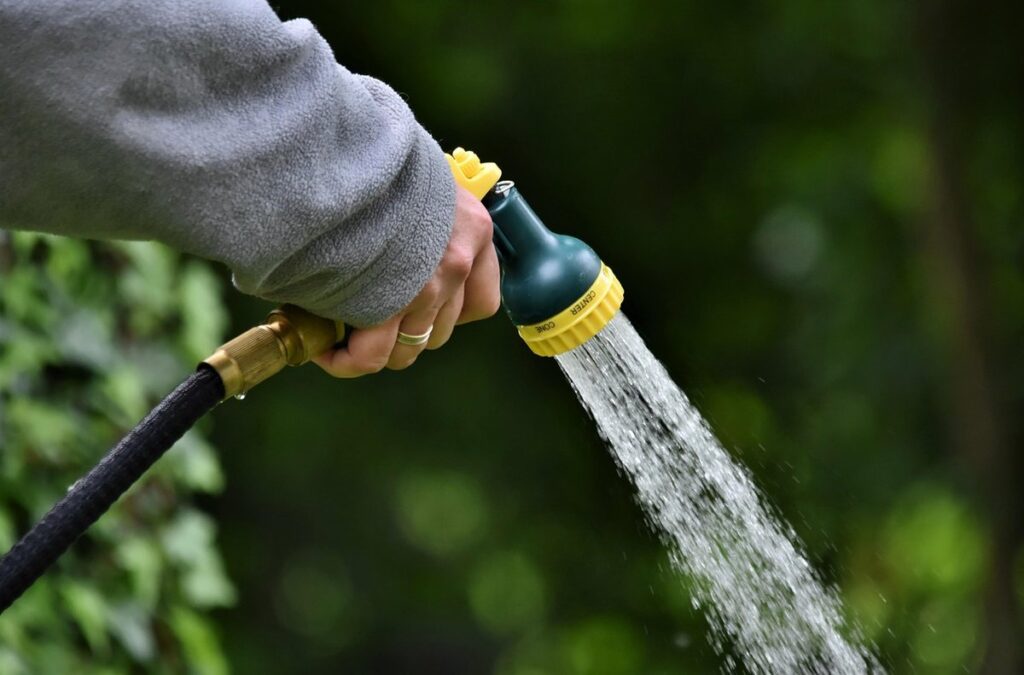
Understanding Plant Watering Needs
When it comes to watering your plants, one of the most crucial factors is understanding their unique needs. Let’s break down how to assess a plant’s specific watering requirements.
Knowing Your Plant’s Specific Requirements
Plants are incredibly diverse, and their watering needs can vary greatly depending on their species. What may be suitable for one plant could lead to overwatering or underwatering for another. To water plants correctly, it’s essential to understand the specific requirements of each species.
When choosing a new plant, take some time to research its specific watering needs. Look up the plant’s characteristics, such as its native habitat and climate, which can give you clues about how often it likes to be watered. For instance, cacti are adapted to arid environments and require infrequent watering, while plants from tropical regions typically need more frequent watering.
Don’t rely on general advice or assume that all plants have the same needs. Each plant is unique, and neglecting to research its specific requirements can lead to overwatering or underwatering. For example, some indoor plants, such as peace lilies, prefer well-draining soil to prevent root rot, while others, like African violets, require more consistent moisture levels.
Take note of the plant’s age, growth rate, and seasonal changes when determining its watering needs. Young plants may need more frequent watering than mature ones, and some plants may require less water during their dormant periods.
Factors That Influence Watering Frequency
When it comes to determining the optimal watering frequency for your plants, several factors come into play. Climate is a significant influencer – plants grown in hot and dry climates require more frequent watering, while those in cooler and more humid environments can thrive with less water. For instance, a succulent native to the desert might need watering once a week during peak summer months, but only every 10-14 days during winter.
Soil type is another crucial factor – well-draining potting mixes require more frequent watering than dense or heavy soils that retain moisture. A general rule of thumb is to water plants with sandy or loamy soil more often than those with clay-heavy mixtures. Similarly, the size of your plant’s pot affects watering frequency; smaller pots dry out faster due to their reduced capacity, so check the soil moisture more frequently and water accordingly.
Finally, the age of your plant also impacts its watering needs – younger plants require more frequent watering as they establish themselves in their environment. As a general guideline, consider watering newly potted plants every 2-3 days, gradually increasing intervals as they mature over time.
Preparing the Right Tools and Environment
To water your plants effectively, you’ll need to prepare a suitable environment and gather the right tools, such as watering cans and soil moisture meters. This section will guide you through that process.
Choosing the Right Watering Can or Tool
When it comes to watering plants correctly, having the right tool for the job is crucial. Choosing the wrong watering can or tool can lead to overwatering, underwatering, and even root rot. Let’s explore the various types of watering tools available and their advantages and disadvantages.
A classic choice is the traditional watering can with a long spout. This tool is great for reaching high plants without having to strain your back. However, it can be heavy and cumbersome to maneuver in tight spaces. On the other hand, a watering globe or orb is perfect for small plants and seedlings, as it delivers water directly to the roots without washing away soil.
For larger plants, consider using a soaker hose or drip irrigation system. These tools save time and effort by delivering water directly to the roots, reducing evaporation and runoff. They’re also gentler on plants and can be more efficient in hot weather. Ultimately, choose a tool that suits your plant’s specific needs and your personal comfort level.
When selecting a watering tool, consider factors such as plant size, soil type, and climate. Experiment with different tools to find what works best for you and your plants.
Creating a Suitable Soil Mix
Creating a suitable soil mix is essential for healthy plant growth and optimal water retention. When it comes to watering plants correctly, having the right soil blend can make all the difference. A well-balanced soil mix should have the following characteristics:
* Good drainage: This prevents waterlogged soil that can lead to root rot.
* High water-holding capacity: The soil should be able to retain moisture but also drain excess water quickly.
* Nutrient-rich: Add organic matter like compost or worm castings to provide essential nutrients for plant growth.
To create an optimal soil mix, start by combining a base of peat moss or coconut coir with perlite or vermiculite. These ingredients help improve drainage and retain moisture. Next, add a small amount of sand to prevent waterlogging. Finally, incorporate compost or worm castings to provide nutrients. A general ratio for a well-balanced soil mix is 20% peat moss, 30% perlite or vermiculite, and 50% compost.
When preparing your own potting mix, consider using a recipe that includes a mix of materials like coir, compost, and perlite. This will give you the best chance at creating a healthy soil environment for your plants.
The Science Behind Watering Plants
To truly master the art of watering your plants, you need to understand the underlying science that drives their water requirements. Let’s dive into the key factors at play.
Understanding Soil Moisture Levels
Understanding soil moisture levels is crucial for watering plants correctly. If you’re unsure when to water, it’s easy to over- or underwater your plants, leading to stress and potential death. Monitoring moisture levels helps prevent this issue.
To check soil moisture, use the stick test: insert a wooden dowel or pencil into the soil up to its knuckle. If the soil sticks to the stick, it’s likely dry. On the other hand, if water drips from the stick, the soil is too wet. This method works well for shallow-rooted plants like succulents and cacti.
For deeper-rooted plants, try the finger test: insert your index finger into the soil up to the second knuckle. If the soil feels dry, it’s time to water. If it’s already moist, wait a day or two before checking again. Remember that different plants have varying moisture levels; some prefer dry soil while others thrive in consistently moist conditions. Be sure to research your specific plant’s needs to provide the best care.
Regular monitoring allows you to tailor watering schedules to your plants’ unique requirements, preventing overwatering and promoting healthy growth.
Avoiding Overwatering and Underwatering
When it comes to watering plants, one of the most common mistakes gardeners make is overwatering or underwatering their plants. Both of these conditions can be detrimental to plant health, and can even lead to root rot, nutrient deficiencies, and pest infestations.
Overwatering occurs when a plant receives more water than it needs, causing the roots to drown in excess moisture. This can happen if you forget to check the soil moisture between waterings, or if you’re using too large of a pot that can’t drain properly. Symptoms of overwatering include yellowing leaves, soft stems, and a sour smell from the roots.
Underwatering, on the other hand, occurs when a plant doesn’t receive enough water to sustain its growth. This can happen if you’re away from home for an extended period or if your watering schedule is inconsistent. Symptoms of underwatering include wilted leaves, crispy tips, and stunted growth.
To avoid both overwatering and underwatering, it’s essential to check the soil moisture regularly using a finger test or a moisture meter. Water your plants when the top 1-2 inches of soil feels dry to the touch. Additionally, make sure your pot has adequate drainage holes and use well-draining potting mix to prevent waterlogged soil.
How to Water Different Types of Plants
Now that you know how to water plants in general, let’s dive into the specifics of watering different types of plants, each with their unique needs. From succulents to tropicals, we’ll cover it all!
Succulents and Cacti
When it comes to watering succulents and cacti, these low-water plants require special consideration. Unlike other houseplants, they store water in their thick stems and leaves, making them more drought-tolerant. However, this doesn’t mean you can forget about watering them altogether.
Watering succulents and cacti too much can be just as damaging as underwatering them. When the soil is consistently moist, roots begin to rot, leading to root decay. On the other hand, when these plants are allowed to dry out completely between waterings, their roots will shrivel up. A good rule of thumb is to wait until the top 1-2 inches of soil has dried out before watering.
Water sparingly but thoroughly when you do water your succulents and cacti. Allow excess water to drain from the pot, making sure not to let it sit in a saucer or tray. Watering too frequently can cause more harm than good, so be cautious not to overwater these plants. By following this simple guideline, you’ll be able to keep your succulents and cacti happy and thriving with minimal watering requirements.
Ferns and Tropical Plants
Ferns and tropical plants are a delight to have in any indoor space, but they can be finicky when it comes to watering. These moisture-loving plants thrive in humid environments, which means they require consistent moisture levels to stay happy and healthy. To water them correctly, make sure to place the pot on a tray filled with water and pebbles to create a microclimate. This will help maintain high humidity around the plant.
When it comes to actual watering, these plants prefer to be kept moist but not waterlogged. Check the soil moisture by sticking your finger into the soil up to the first knuckle. If the soil feels dry, it’s time to water. Water thoroughly until you see water coming out of the drainage holes, and then let the pot drain for a few minutes before placing it back on its tray.
Some popular tropical plants like Boston ferns and maidenhair ferns require more frequent watering than others. In general, it’s best to stick to a consistent schedule rather than letting the plant tell you when it needs water. For example, if you notice your fern is looking limp or developing brown tips, it may be a sign that it needs more moisture.
Monitoring and Adjusting Your Plant’s Watering Schedule
To ensure your plants receive just the right amount of water, you’ll need to monitor their moisture levels and make adjustments as needed to prevent overwatering or underwatering. This involves observing subtle signs in your plant’s behavior and adjusting its watering schedule accordingly.
Tracking Soil Moisture Levels
When it comes to watering your plants correctly, understanding soil moisture levels is crucial. You can’t just water by guesswork, as this can lead to overwatering and cause more harm than good. Fortunately, there are several methods for monitoring soil moisture levels.
One effective way is to use a hygrometer, which measures the moisture in the air and the soil. These devices usually come with a probe that you insert into the soil, providing an accurate reading of the moisture level. This allows you to adjust your watering schedule accordingly.
Another way to monitor soil moisture is by observing your plant’s behavior. Droopy leaves or wilting can indicate underwatering, while yellowing or softening may signal overwatering. Keep in mind that some plants are more prone to these symptoms than others. For example, a succulent might drop its leaves when thirsty, while a fern will turn yellow and wilt if waterlogged.
Monitor your plant’s behavior closely, taking note of any changes in its appearance or vitality. This can be a valuable tool in fine-tuning your watering schedule and developing a more tailored approach to caring for your plants.
Adapting to Changes in Climate or Seasonality
As the seasons change and weather patterns shift, it’s essential to adapt your plant’s watering schedule accordingly. This may seem like a simple task, but it can make all the difference in keeping your plants healthy and thriving.
One of the most significant factors to consider is temperature fluctuations. During hot summer months, plants will need more water to compensate for increased transpiration rates. Conversely, during winter, plants require less moisture as they enter dormancy. Keep an eye on local weather forecasts and adjust your watering schedule accordingly.
Unexpected weather patterns like heavy rainfall or droughts can also impact your plant’s needs. For example, if a sudden rainstorm hits, hold off on watering for a few days to allow the soil to absorb excess moisture. Conversely, during prolonged dry spells, make sure to provide supplemental irrigation to prevent dehydration.
To stay on top of these changes, consider implementing a flexible watering schedule that allows for adjustments based on seasonal and weather-related factors. This might involve monitoring your plants’ responses to different conditions and making adjustments as needed. By being responsive to the ever-changing climate, you’ll be better equipped to provide your plants with the right amount of moisture at the right time.
Common Mistakes to Avoid When Watering Plants
Don’t worry, overwatering your plants is a common mistake that can be easily avoided. Let’s go through some key mistakes to steer clear of for healthy and thriving plant growth.
Overwatering and Root Rot Prevention
Overwatering is one of the most common mistakes plant owners make when it comes to watering their plants. When a plant’s roots are constantly saturated with water, they begin to rot, leading to root decay and ultimately, the death of the plant. This condition is known as root rot.
Root rot occurs when the soil is too wet for an extended period, causing the roots to suffocate from lack of oxygen. Excess moisture also creates an ideal environment for fungal diseases that feed on decaying organic matter. To prevent this, ensure you’re not overwatering your plants.
Check the soil moisture by sticking your finger into it up to the first knuckle. If it feels dry, it’s time to water. Water thoroughly, but make sure excess water drains from the pot to avoid pooling. A good rule of thumb is to water when the top inch of soil feels dry to the touch. Reduce watering during winter months or in low-light conditions. By monitoring your plants’ specific needs and adjusting your watering schedule accordingly, you can prevent root rot and keep your plants healthy.
Understanding Plant Response to Water Stress
When you underwater your plants, they’ll start to show signs of stress. One of the most noticeable effects is wilting. This occurs when the plant’s cells lose water and its structure collapses, causing the leaves to droop and hang down towards the ground. If left unchecked, prolonged underwatering can lead to permanent damage or even death.
Droopy leaves are another common sign of water stress in plants. As the plant struggles to survive, it will start to conserve water by closing off its stomata – the tiny pores on its leaves that allow for gas exchange and transpiration. This means your plant is still photosynthesizing, but at a much reduced rate.
Keep an eye out for these telltale signs of underwatering, such as:
• Yellow or brown leaves
• Wilting or drooping leaves
• Crispy or brittle leaves
• Slow growth
If you notice any of these symptoms, it’s essential to adjust your watering schedule accordingly. Check the soil moisture by sticking your finger into the soil up to the first knuckle. If the soil feels dry, it’s time to water. Remember that overwatering is also a common mistake – make sure not to drown your plant!
Conclusion: Perfecting Your Plant’s Watering Schedule
Now that you’ve learned how to water your plants correctly, it’s time to put it all into practice and perfect your watering schedule for optimal plant health. This is where consistency and observation come in play.
Recap of Key Takeaways
In conclusion to our comprehensive guide on watering plants correctly, let’s recap the key takeaways that will help you perfect your plant’s watering schedule. By now, you should have a solid understanding of the factors that influence a plant’s watering needs, including climate, soil type, and pot size.
To avoid overwatering, remember to monitor the moisture levels in the soil by checking for dryness with your finger or using a moisture meter. Allow excess water to drain from the pot to prevent root rot and ensure healthy roots grow. You should also adjust your watering frequency based on the time of year, weather patterns, and specific plant requirements.
Some key considerations when creating your watering schedule include:
* Watering during cooler parts of the day to minimize evaporation
* Not allowing water to collect in the saucer or tray under the pot
* Adjusting for indoor vs. outdoor plants, as well as changes in temperature and humidity
* Using a watering can with a long spout to avoid getting water on the leaves
By incorporating these tips into your routine, you’ll be well on your way to becoming a master plant caregiver, providing optimal care for your beloved plants.
Final Tips for Optimizing Plant Care
In addition to mastering the art of watering, remember that plant care is an ongoing process. To create a well-rounded routine, don’t overlook these essential practices:
* Monitor temperature fluctuations: Most houseplants prefer daytime temperatures between 65-75°F (18-24°C) and no lower than 55°F (13°C) at night. Avoid placing plants near heating or cooling vents.
* Provide adequate humidity: Mist your plants regularly, especially in dry environments, to maintain an ideal humidity level of 40-60%. You can also use a humidifier nearby.
* Fertilize sparingly: Feed your plants with balanced fertilizer during the growing season (spring-fall), but avoid over-fertilizing. Dilute the fertilizer to half the recommended strength for indoor plants.
* Prune and repot as needed: Regular pruning promotes healthy growth, while repotting ensures your plant has enough room to thrive. Choose a pot that’s only one to two sizes larger than the original container.
* Observe and adjust: Continuously monitor your plant’s responses to its environment and adjust your care routine accordingly. Keep in mind that every species has unique needs, so research specific requirements for your plants.
By incorporating these practices into your daily routine, you’ll create a nurturing environment that supports optimal growth and health for your plants.
Frequently Asked Questions
What if I forget to water my plants for an extended period, and the soil feels dry?
Yes, forgetting to water your plants occasionally can be detrimental, especially during hot or dry seasons. If you’ve been away for a longer period, check the plant’s leaves for signs of stress. Water them thoroughly when you return, but avoid overwatering in subsequent sessions.
How do I adjust my watering schedule if I live in an area with varying climate conditions?
Adapting to changes in climate or seasonality is crucial for healthy plant growth. Monitor soil moisture levels and adjust your watering frequency accordingly. In hot climates, water more frequently; during cooler months, reduce the frequency. Keep an eye on local weather forecasts to anticipate changes.
Can I use tap water with high mineral content for my plants?
While tap water can be used in emergencies, its mineral content may not be suitable for all plants. If your area’s tap water has a high pH level or contains chemicals like chlorine, consider using filtered or rainwater instead. This will prevent potential damage to plant roots and overall health.
How do I determine if my plants are receiving too much or too little water?
Monitor soil moisture levels by sticking your finger into the soil up to the knuckle. If it feels dry, it’s time for a drink; if it’s moist but not wet, wait another day or two before watering again. Be mindful of overwatering signs like yellow leaves and root rot.
Can I water my plants at night or early in the morning?
Yes, watering your plants during these periods can be beneficial as they have the entire day to absorb the moisture. However, avoid overnight watering if you live in an area with high humidity or risk of fungal diseases, which thrive in damp environments. Morning watering allows for good air circulation and reduced evaporation.