
If you’re tired of watering your lawn every day, but still want to enjoy a beautiful outdoor space, you’re in luck. Xeriscaping is here to revolutionize the way we garden, and it’s easier than you think. By choosing drought-tolerant plants, you can say goodbye to frequent watering sessions and hello to a lush, low-maintenance landscape. But what exactly are xeriscape gardens all about? Simply put, they’re outdoor spaces designed to thrive with minimal water use. In this article, we’ll show you how to create your own stunning xeriscape garden using expert-approved plants like succulents and cacti, as well as clever tips on soil preparation, watering techniques, and design strategies. Whether you live in a dry desert region or a humid coastal area, we’ll share our top secrets for creating a water-efficient oasis that’s perfect for your unique climate.
Understanding Xeriscape and Drought Tolerance
Xeriscaping is a water-conserving method of landscaping that’s perfect for drought-prone areas, so let’s dive into what it entails. This section will cover the key principles behind xeriscape and how to select plants that thrive in these conditions.
What is Xeriscape?
Xeriscape is a water-conserving landscaping approach that’s becoming increasingly popular worldwide. The term was first coined in 1981 by Denver Water to describe a drought-tolerant method of designing and maintaining outdoor spaces with minimal water usage.
At its core, xeriscape is about mimicking nature’s way of conserving water. By using plants native to your region, efficient irrigation systems, and clever design, you can create stunning landscapes that thrive with very little water. This approach not only reduces the strain on local water resources but also helps minimize your own water bills.
Choosing drought-tolerant plants is a crucial part of xeriscape design. These plants have adapted to survive in environments with low rainfall over time, making them perfect for areas prone to drought. When selecting plants for your xeriscape, look for species that are native to your region or have similar growing conditions. This will ensure they require minimal watering and maintenance.
Benefits of Drought-Tolerant Plants
Using drought-tolerant plants in landscaping offers numerous benefits that make them an attractive option for those looking to create a low-maintenance and environmentally friendly xeriscape. One of the most significant advantages is reduced watering needs, which can lead to substantial savings on water bills. According to the US Environmental Protection Agency (EPA), even with a 5% reduction in outdoor water use, homeowners can save up to $300 per year.
Beyond cost savings, drought-tolerant plants also require less maintenance than traditional landscaping options. With their ability to thrive in dry conditions, they need fewer fertilizers, pesticides, and pruning sessions. This translates to lower labor costs and a reduced carbon footprint. For instance, a study by the University of California, Davis found that water-efficient landscapes can reduce greenhouse gas emissions by up to 50%. By incorporating drought-tolerant plants into your xeriscape design, you’ll not only be conserving water but also creating a more sustainable outdoor space.
By choosing drought-tolerant plants, homeowners and landscapers can contribute to environmental sustainability while enjoying the aesthetic benefits of lush, green landscapes.
Choosing the Right Drought-Tolerant Plants
When selecting plants for your xeriscape, it’s essential to choose varieties that thrive in low-water conditions and suit your specific climate. This section will help you make an informed decision.
Plant Selection Criteria
When selecting drought-tolerant plants for your xeriscape garden, it’s essential to consider several factors that will ensure their success. One of the most critical considerations is your climate zone. Plants adapted to a particular region are more likely to thrive in local conditions, so choose species native to your area or those bred for specific climates.
Soil type is another crucial factor to evaluate when selecting drought-tolerant plants. Some plants can tolerate alkaline soil, while others require acidic environments. Research the plant’s preferred pH range and adjust accordingly. Plant growth habits also play a significant role in determining their water requirements. Compact plants with low water needs are perfect for small spaces or areas with poor irrigation.
To evaluate a plant’s drought tolerance, look for signs such as thick, waxy leaves that prevent moisture loss; deep root systems that allow them to access water from deeper soil layers; and ability to survive extended periods of dryness without showing significant stress. Some examples of plants exhibiting these traits include succulents like aloe and agave, which are ideal for areas with high temperatures and low rainfall.
Succulents and Cacti: Low-Maintenance Options
When it comes to xeriscaping, succulents and cacti are ideal choices for their exceptional drought tolerance. These plants have evolved to store water in their leaves, stems, or roots, allowing them to thrive in arid conditions.
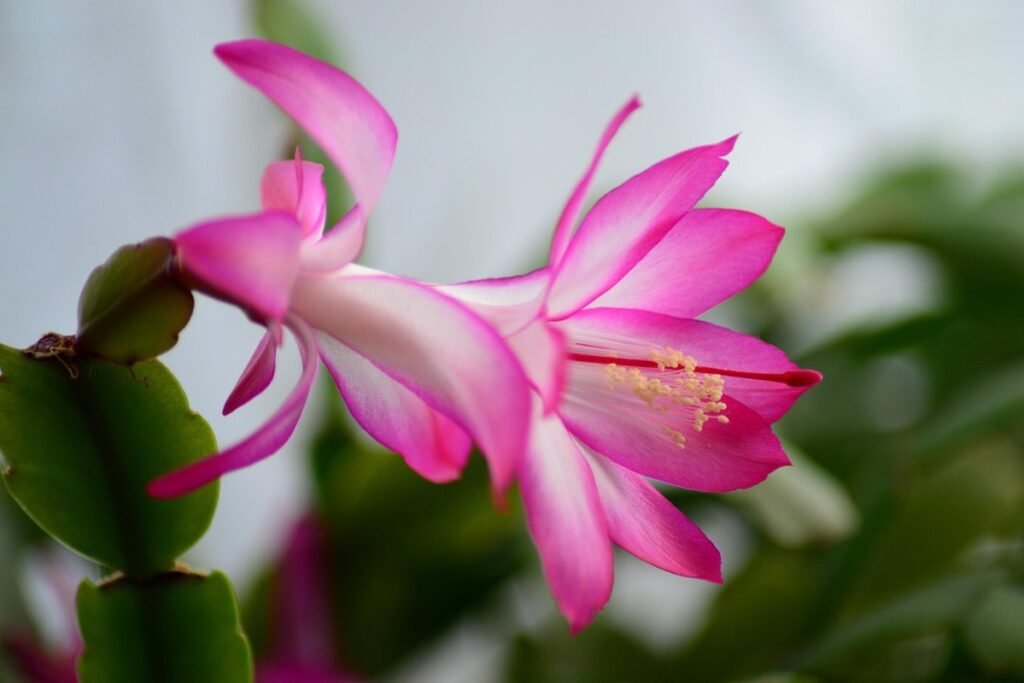
Some popular species perfect for xeriscape gardens include Aloe vera, Echeveria, Crassula (Jade Plant), and Christmas Cactus. Aloe vera, for instance, is not only a beautiful addition to any garden but also has medicinal properties. To care for an Aloe vera plant, water it sparingly, allowing the soil to dry out completely between waterings.
Echeveria, on the other hand, comes in a variety of shapes and sizes, making it a versatile option for xeriscaping. These plants require well-draining soil and should be watered carefully to prevent root rot. Crassula (Jade Plant) is another low-maintenance choice that tolerates neglect but responds well to regular watering. Christmas Cactus, with its vibrant flowers, adds color to any xeriscape garden without requiring excessive care.
When selecting succulents and cacti for your xeriscape, remember that overwatering is the most common cause of death in these plants. Water them only when the soil feels dry to the touch, and avoid getting water on their leaves or stems to prevent damage. With proper care, succulents and cacti can thrive in even the driest environments, making them perfect for xeriscaping.
Grasses and Groundcovers: Alternative Options
When it comes to xeriscaping, many people assume that grasses and groundcovers are limited in their drought-tolerant options. However, there’s a world of possibilities beyond traditional turfgrass. In fact, some of the most beautiful and low-maintenance options for lawns and landscapes are actually grasses and groundcovers specifically designed to thrive in dry conditions.
Consider using Buffalo Grass (Bouteloua dactyloides), a native American species that requires only 20-30% of the water needed by traditional turfgrass. Another option is Blue Grama Grass (Bouteloua gracilis), which can survive with minimal watering and produces stunning purple flowers in late summer. For groundcovers, try Creeping Juniper (Juniperus horizontalis) or Sedum (Sedum spp.), both of which are incredibly resilient and require no irrigation once established.
When selecting drought-tolerant grasses and groundcovers for your xeriscape, remember to choose varieties that suit your local climate and soil conditions. Be sure to plant at the right time, water sparingly during establishment, and maintain a regular pruning schedule to promote healthy growth and prevent weed invasion. With a little research and planning, you can create a lush, low-water landscape that’s both beautiful and sustainable.
Planting and Maintenance Strategies
To ensure your xeriscape thrives, it’s crucial to understand how to plant and maintain these drought-tolerant plants effectively. This section will walk you through key strategies for success.
Soil Preparation and Mulching
When it comes to creating a thriving xeriscape garden with drought-tolerant plants, proper soil preparation and mulching are crucial. This is especially true for these types of plants, which have adapted to conserve water in their natural habitats. By creating a water-conserving soil environment, you’ll be giving your plants the best chance to thrive.
To start, test your soil pH and adjust it if necessary. Most drought-tolerant plants prefer slightly acidic to neutral soil conditions. Add organic matter like compost or well-rotted manure to improve soil structure and fertility. Mix in a 2-inch layer of coarse perlite or sand to enhance drainage and prevent waterlogging.
Mulching is another essential step. Apply a 3-inch layer of organic mulch, such as wood chips or bark, around plants to retain moisture and suppress weeds. Keep the mulch a few inches away from plant stems to avoid rotting. Some other options include using aggregate mulches like rock or gravel for hot areas with poor soil conditions.
Remember to water your xeriscape garden thoroughly after initial planting and then only when the top 2-3 inches of soil feels dry to the touch. This approach will encourage deep root growth, making your drought-tolerant plants even more resilient in dry spells.
Watering Techniques: Efficient Water Use
When it comes to maintaining your xeriscape garden, efficient watering techniques are crucial for drought-tolerant plants. Drip irrigation systems are an excellent option for this type of landscape. These systems deliver water directly to the roots of the plant, reducing evaporation and runoff. This method not only conserves water but also reduces the risk of overwatering, which can be detrimental to these types of plants.
To further optimize your watering routine, consider implementing rainwater harvesting practices. Collecting and storing rainwater in a cistern or barrel allows you to reuse it for irrigation purposes. This not only saves potable water but also helps reduce stormwater runoff and prevents erosion around your xeriscape garden.
Regularly monitoring plant moisture levels is essential to avoid overwatering. Check the soil’s moisture by inserting your finger into the soil up to the knuckle. If the soil feels dry, it’s time to water. Use a soil probe or a moisture meter for more accurate readings. Avoid overhead watering methods like sprinklers, as they waste water and can wash away nutrients from the soil.
When monitoring plant moisture levels, remember that different plants have varying watering needs. Be sure to research specific watering requirements for each species in your xeriscape garden to avoid overwatering or underwatering.
Designing an Effective Xeriscape Garden
Now that you’ve chosen your drought-tolerant plants, let’s talk about how to arrange them in a beautiful and low-maintenance xeriscape garden. Here are some tips on designing an effective space.
Creating a Drought-Tolerant Landscape Plan
Creating a drought-tolerant landscape plan is essential for designing an effective xeriscape garden. When selecting plants for your xeriscape garden, consider the mature size of each plant and leave enough space for growth. A general rule of thumb is to provide at least 12 inches of space between shrubs and 18-24 inches between trees.
In addition to plant selection, arrange your plants in a visually appealing way by considering the color palette, texture, and height variation. Group similar plants together to create visual interest and balance. This will also help maintain soil moisture and reduce evaporation.
Another crucial aspect is incorporating hardscaping features, such as pathways, patios, or retaining walls, which not only add aesthetic value but also help minimize soil erosion. Use materials that complement your plant selection, such as natural stone, gravel, or recycled concrete blocks.
Consider the sun patterns in your yard when designing your xeriscape garden. Arrange plants according to their sunlight requirements to maximize water efficiency. For example, place cacti and succulents in areas with intense sunlight while planting shade-tolerant species like yucca or aloe under trees.
By following these steps, you can create a stunning and functional xeriscape garden that not only conserves water but also reduces maintenance costs.
Incorporating Ornamental Elements: Hardscaping and Decor
When it comes to creating a beautiful and functional xeriscape garden, incorporating ornamental elements can elevate the design without compromising on drought tolerance. One way to achieve this is by using decorative rocks or gravel. These materials not only add visual interest but also help with drainage, reducing the risk of waterlogged soil. Consider installing a meandering path made from smooth river rocks or a decorative gravel border around your plants.
Another option for hardscaping is retaining walls, which can be designed to blend seamlessly into your xeriscape garden’s natural aesthetic. These walls not only help with water management but also create visually appealing layers in your design. For example, you could use a retaining wall as a base layer and then add smaller rocks or gravel on top for added texture.
To maintain the drought-tolerant design aesthetic, choose ornamental elements that complement the plants and soil conditions rather than overwhelming them. Consider working with a landscape professional to ensure your hardscaping choices don’t compromise on water efficiency. By thoughtfully incorporating these elements, you can create a stunning xeriscape garden that’s both beautiful and sustainable.
Overcoming Common Challenges
One of the biggest hurdles to creating a beautiful xeriscape is knowing how to overcome common challenges, like selecting plants that thrive in drought conditions.
Dealing with Extreme Weather Conditions
When living in areas prone to extreme weather conditions, it’s essential to consider the resilience of your drought-tolerant plants. Intense heat waves can be particularly challenging for these plants, causing damage to leaves and flowers. To mitigate this risk, choose plants that thrive in temperatures above 100°F (38°C), such as succulents like aloe vera or agave.
However, cold snaps are also a reality in many regions. For areas with frost, select drought-tolerant plants that can withstand light frosts, like yucca or sedum. You can also take precautions by providing protection for your plants during extreme weather conditions. Mulching around the base of plants helps retain moisture and insulate roots from cold temperatures.
To adapt to local climate fluctuations, consider selecting plants native to your region. These plants have naturally developed adaptations to withstand regional weather extremes. Additionally, monitor temperature forecasts and bring potted plants under cover or into a protected area during predicted extreme weather events. By taking these precautions, you can enjoy the benefits of drought-tolerant landscaping even in areas with unpredictable weather patterns.
Addressing Soil Erosion and Runoff Issues
When designing an xeriscape garden, it’s essential to address soil erosion and water runoff issues to ensure the landscape remains stable over time. Soil erosion can occur when heavy rainfall or irrigation causes topsoil to be washed away, leading to bare spots and decreased plant growth.
To prevent soil erosion, you can implement several methods. Mulching is an effective way to stabilize soil and reduce erosion. Apply a 2-3 inch layer of organic mulch such as wood chips or bark around plants, keeping it a few inches away from the stem. As the mulch breaks down, it will improve soil structure and fertility.
Another solution is to install groundcovers with deep roots, which help anchor the soil in place. Succulents like Sedum or Echeveria are excellent choices for this purpose. Additionally, terracing can be used to create flat areas on slopes, which reduces erosion by slowing down water flow.
Water runoff management involves redirecting excess water away from plants and using it efficiently within the landscape. Rainwater harvesting systems collect rainwater in a tank, providing an additional source of irrigation during dry periods.
Conclusion: Embracing Drought-Tolerant Gardening
Now that you’ve learned about the various drought-tolerant plants suitable for xeriscape, it’s time to put your newfound knowledge into practice. Embracing drought-tolerant gardening requires a mindset shift from traditional watering habits. Start by assessing your garden’s conditions and choosing plants that thrive in similar environments. Consider factors like soil type, sunlight exposure, and temperature fluctuations when making your selection.
To successfully transition to a xeriscape, be prepared to adopt a more hands-off approach to gardening. Water your plants sparingly, allowing the soil to dry between waterings. Monitor their progress closely, adjusting your care routine as needed. By embracing this new way of gardening, you’ll not only reduce your water consumption but also enjoy a more sustainable and low-maintenance outdoor space. With time and patience, your drought-tolerant garden will flourish, providing beauty and serenity without the high water bills.
Frequently Asked Questions
Can I use xeriscape gardening techniques in a humid coastal area?
Yes, while xeriscaping is often associated with dry desert regions, the principles can be applied to various climates, including humid areas. It’s essential to select drought-tolerant plants that are adapted to your local conditions and follow efficient watering techniques.
How do I choose between succulents and cacti for my xeriscape garden?
Both succulents and cacti are excellent low-maintenance options for xeriscaping, but consider the mature size of the plant, its growth habits, and the amount of sunlight it requires when making your selection. Also, think about the overall aesthetic you want to achieve in your garden.
What is the ideal soil mix for a xeriscape garden?
A well-draining soil mix is crucial for xeriscaping. You can create your own blend using a combination of sand, compost, and perlite or vermiculite. Aim for a mix that retains some moisture but allows excess water to drain quickly.
Can I incorporate existing plants into my xeriscape garden design?
Yes, you can incorporate existing plants into your xeriscape design, but consider their drought tolerance and adjust the design accordingly. Remove any non-native or invasive species, and prune or replace plants that require excessive watering.
How do I deal with extreme weather conditions like intense heatwaves or heavy rainfall in my xeriscape garden?
Monitor your plants’ responses to extreme weather and adjust your care routine as needed. For example, provide extra protection from intense heat by using shade cloth or mulch, while allowing excess water to drain quickly after a rainstorm to prevent root rot.