
As you tend to your garden, have you ever stopped to think about who’s helping make it thrive? Bees, butterflies, and hummingbirds are some of our most valuable allies in the garden, pollinating plants and making it possible for us to enjoy a bountiful harvest. But many of these vital pollinators are facing significant threats to their populations. By creating a pollinator-friendly garden, you can make a real difference and support local wildlife at the same time. In this article, we’ll show you how to choose the right plants, create a welcoming habitat for bees and butterflies, and even get involved in community efforts to protect these precious creatures. Whether you’re a seasoned gardener or just starting out, our expert tips will help you attract pollinators and make your garden a haven of biodiversity.
Understanding the Importance of Pollinators
Pollinators play a vital role in our ecosystem, and their decline has significant implications for food production and biodiversity. Let’s explore why pollinator conservation is crucial for your garden.
What Are Pollinators and Why Do They Matter?
Pollinators are some of the most essential creatures for our ecosystem. These include bees, butterflies, hummingbirds, and even bats – all of which play a vital role in plant reproduction. Pollination is the process by which these animals transfer pollen from one plant to another, allowing them to fertilize and produce seeds.
The significance of pollinators cannot be overstated. Without them, many plants would be unable to reproduce, leading to food shortages and loss of biodiversity. In fact, it’s estimated that one-third of all the food we eat is directly or indirectly dependent on animal pollination. For example, apples, blueberries, and avocados are all heavily reliant on bees for pollination.
But pollinators aren’t just important for food production; they’re also crucial for maintaining ecosystem health. By transferring pollen between plants, pollinators help to promote genetic diversity, allowing plants to adapt to changing environments and resist disease. So, if you want to attract pollinators to your garden, start by planting a diverse range of flowers that are rich in nectar and pollen – this will give these vital creatures the food they need to thrive!
The Decline of Pollinator Populations: Causes and Consequences
The alarming decline of pollinator populations worldwide is a pressing concern that affects not only our gardens but also global food production, biodiversity, and ecosystems. According to the United Nations Food and Agriculture Organization (FAO), 1/3 of the world’s crops, including fruits, vegetables, and nuts, rely on bees for pollination.
The primary causes of this decline include habitat loss and fragmentation, pesticide use, climate change, and invasive species. As a result, many pollinator species are struggling to survive, with some experiencing population declines of up to 90% in the past few decades. This not only affects the plants that rely on them for pollination but also has broader ecosystem consequences.
The impact is far-reaching: without healthy pollinator populations, our food supply is threatened. In the US alone, the value of pollinators to agriculture is estimated at over $20 billion annually. By attracting pollinators to your garden, you’re not only supporting biodiversity but also contributing to a more resilient ecosystem. Start by planting bee-friendly flowers and herbs that provide nectar and pollen, like lavender, coneflower, and mint, and avoid using pesticides in your garden.
Creating a Pollinator-Friendly Garden
To create a pollinator-friendly garden, focus on selecting plants that are rich in nectar and pollen, as these are their primary food sources. This will attract an array of beneficial visitors to your outdoor space.
Choosing the Right Plants
When it comes to creating a pollinator-friendly garden, selecting the right plants is crucial. Pollinators like bees, butterflies, and hummingbirds are drawn to flowers that provide nectar and pollen, but not all flowers are created equal.
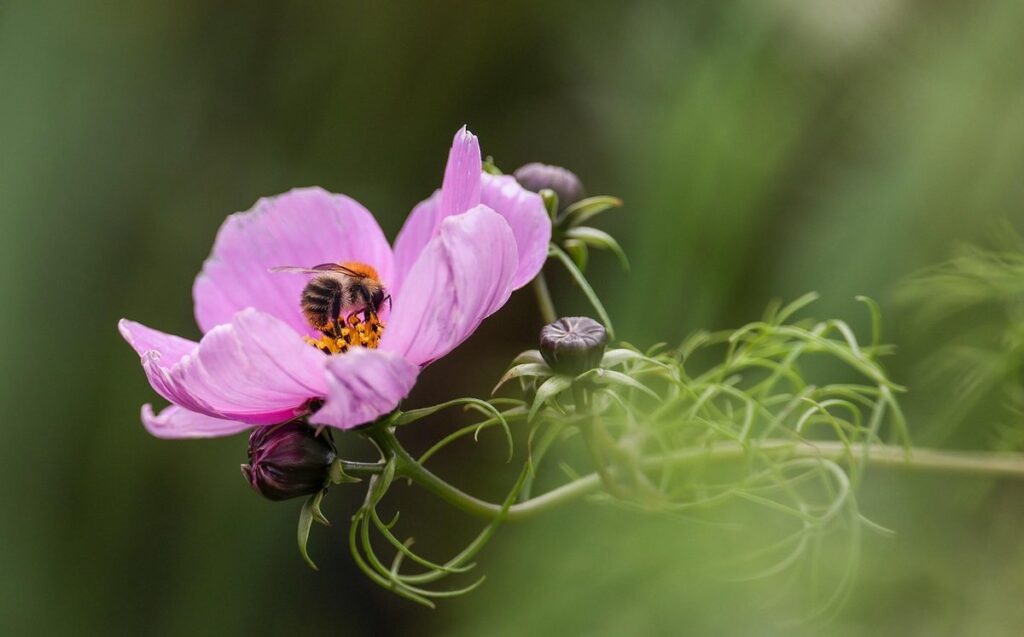
Choose plants with single-petaled or bowl-shaped flowers, such as sunflowers, zinnias, and cosmos, which make it easy for pollinators to access the nectar. Avoid double-petaled flowers like roses and carnations, which can be difficult for pollinators to reach. Consider adding native plants to your garden, as they are more likely to attract local pollinator species.
Before selecting plants, consider your garden’s climate and soil type. For example, if you live in a hot and dry region, choose drought-tolerant plants like lavender or bee balm. If your soil is heavy clay or sandy, select plants that thrive in those conditions, such as coneflowers or black-eyed Susans. Research the specific needs of each plant to ensure they will thrive in your garden. This simple step can make a big difference in attracting pollinators and creating a vibrant ecosystem.
Providing a Source of Water
Providing a reliable source of water is essential for attracting pollinators to your garden. Pollinators like bees, butterflies, and hummingbirds need water not only to drink but also to cool their bodies down, especially on hot days. A lack of water can lead to heat stress, which can be fatal for these tiny creatures.
Consider adding a birdbath or a shallow dish filled with fresh water in your garden. Change the water frequently to keep it clean and free from bacteria. You can also add rocks or twigs near the water’s edge to provide a landing spot for pollinators to access the water safely. Some plants, like mint or lemongrass, have fragrant leaves that can help repel mosquito larvae, making the water even more appealing to pollinators.
When choosing a birdbath, consider one with a shallow area and an open design, allowing easy access for pollinators of all sizes. Make sure it’s placed in a spot where it receives partial shade, especially during peak sun hours, to prevent the water from getting too warm. By providing a reliable source of water, you’ll be creating a welcoming oasis for your garden’s pollinator visitors.
Creating a Pollinator-Friendly Habitat
To create a haven for pollinators, you’ll need to think beyond just flowers – consider adding native plants, trees, and shrubs that provide nectar, pollen, and shelter. These elements are essential for attracting bees, butterflies, and other beneficial visitors.
Incorporating Native Plants into Your Garden Design
When it comes to creating a pollinator-friendly habitat, incorporating native plants into your garden design is one of the most effective ways to attract and support local pollinators. Native plants have evolved over time to coexist with the native pollinators in your area, making them the perfect choice for your garden.
To get started, research the types of native plants that are suitable for your region and climate. Consider factors such as soil type, sunlight requirements, and moisture levels when selecting plants. For example, if you live in a dry climate, choose drought-tolerant native plants like lavender or yarrow.
Aim to plant a diverse selection of native flowers, shrubs, and trees that bloom at different times throughout the growing season. This will provide a constant source of nectar and pollen for pollinators, keeping them visiting your garden all year round. Remember to also include native grasses and groundcovers to create a layered landscape that mimics natural habitats.
By incorporating native plants into your garden design, you’ll be creating a thriving ecosystem that supports the local pollinator population. With a little planning and research, you can transform your garden into a haven for bees, butterflies, and other beneficial insects.
Providing Shelter from the Elements
When creating a pollinator-friendly habitat, it’s essential to provide shelter from the elements. Strong winds, heavy rain, and extreme temperatures can be detrimental to these beneficial insects. Without adequate shelter, they may struggle to survive, leading to reduced populations and decreased pollination.
To create a haven for your pollinators, consider planting dense shrubs or installing a trellis. These structures not only provide physical protection but also create microclimates that retain warmth and moisture. For example, native species like lavender and rosemary can form a thorny barrier against harsh winds, while their fragrance repels pests.
Incorporating vertical elements into your garden design can also help shield pollinators from the elements. Consider using a trellis or arbor to support climbing plants like clematis or honeysuckle. These vining flowers provide shelter and a source of food for pollinators, making them a valuable addition to any habitat.
When selecting materials for your garden features, opt for natural, weather-resistant options like wood or bamboo. Avoid using harsh chemicals or paints that can harm pollinators or contaminate their habitats.
Maintaining a Healthy Pollinator-Friendly Garden
To keep your pollinator-friendly garden thriving, it’s essential to maintain its health through regular care and monitoring of plants and wildlife. This involves tasks like watering, pruning, and pest control.
Minimizing Pesticide Use and Other Harmful Practices
When it comes to maintaining a healthy pollinator-friendly garden, minimizing pesticide use and adopting alternative methods for managing pests is crucial. Many pesticides can harm pollinators, causing them to become disoriented, lose their way back to the hive or nest, and even die. In fact, according to a study by the University of California, Berkeley, certain neonicotinoid pesticides have been linked to colony collapse disorder in honeybees.
So, how do you keep your garden pest-free without harming pollinators? Start by using physical barriers, such as fine mesh or fine netting, to keep pests like aphids and whiteflies at bay. Plant companion plants that naturally repel pests, like basil for tomato hornworms and marigolds for nematodes. Also, practice good garden hygiene by removing weeds, disposing of infested plants, and keeping your garden clean. If you do need to use pesticides, choose organic or integrated pest management (IPM) methods that target specific pests rather than broad-spectrum chemicals.
By adopting these strategies, you can create a safe haven for pollinators in your garden while maintaining its health and productivity.
Regularly Monitoring Your Garden’s Conditions
Monitoring your garden’s conditions is crucial for maintaining a healthy and thriving pollinator-friendly haven. Pollinators such as bees, butterflies, and hummingbirds are highly sensitive to their surroundings, so it’s essential to regularly check on the temperature, humidity, and soil moisture levels.
Start by keeping an eye on the temperature: most pollinators prefer temperatures between 60°F and 80°F (15°C and 27°C). Be aware of heatwaves or extreme cold snaps that can impact your garden’s ecosystem. Consider investing in a thermometer to monitor temperature fluctuations.
Humidity is another critical factor, with many pollinators requiring a certain level of moisture to survive. Aim for a humidity range between 40% and 60%, which should be suitable for most plants and pollinators.
Soil moisture levels are also vital: ensure the soil isn’t too dry or waterlogged, as this can affect plant growth and attract pests. Check the soil by inserting your finger into it up to the knuckle – if the soil feels dry, it’s time to water.
Supporting Local Pollinators through Community Involvement
By engaging with your local community and participating in pollinator-friendly initiatives, you can make a significant impact on the health of nearby ecosystems. Let’s explore some ways to get involved.
Creating a Bee Hotel or Other Habitat Features
Creating a bee hotel or other habitat features is a great way to provide a safe haven for solitary bees and other pollinators in your garden. You can build a bee hotel using reclaimed wood, bamboo tubes, or even hollow reeds. Attach the tubes at an angle to prevent water from collecting inside, and place it in a sunny spot, ideally with some south-facing orientation.
You can also create a pollinator-friendly habitat by incorporating native plants that provide nectar and pollen. Consider adding a shallow dish of water for bees to drink from, as they often become dehydrated while collecting nectar. Avoid using pesticides, which can harm pollinators, and instead opt for natural methods of pest control.
When building your bee hotel, remember to include a variety of tube sizes to accommodate different species of solitary bees. Some popular types include red mason bees, blue orchard bees, and leafcutter bees. You can also add some nesting sites for butterflies or ladybugs by incorporating flat stones or logs with small crevices.
By providing a diverse range of habitat features in your garden, you’ll be creating a welcoming space for local pollinators to thrive.
Partnering with Local Organizations and Businesses
Partnering with local organizations and businesses is a powerful way to amplify pollinator conservation efforts in your community. By collaborating with these groups, you can pool resources, expertise, and enthusiasm to create a greater impact for pollinators.
Start by researching local organizations focused on environmental conservation, gardening clubs, or non-profits dedicated to pollinator protection. Look for opportunities to partner through joint events, workshops, or volunteer days. For instance, consider teaming up with a local botanical garden to host a pollinator-friendly plant sale or workshop series.
You can also reach out to nearby businesses that share your passion for sustainability and conservation. Many companies offer community engagement programs or corporate social responsibility initiatives that align with pollinator protection goals. For example, ask a local nursery if they would be willing to donate native plants for a community garden project or offer workshops on pollinator-friendly gardening practices.
By partnering with local organizations and businesses, you can leverage collective efforts to promote pollinator conservation and inspire others in your community to join the movement.
Conclusion: Taking Action for Pollinators
Now that you’ve learned how to create a pollinator-friendly garden, it’s time to take action and make a positive impact on these crucial creatures. Let’s explore ways to get started.
Summary of Key Points
Creating a pollinator-friendly garden requires careful consideration of several key factors. To recap, it’s essential to plant a diverse range of flowers that provide nectar and pollen for these vital creatures. This includes native plants, herbs, and vegetables that are rich in these resources.
When selecting plants, consider the specific needs of each pollinator species. For example, bees require shallow water sources and areas of bare ground to gather mud for their nests. Butterflies, on the other hand, need host plants to lay their eggs on and nectar-rich flowers to feed from. Incorporating a mix of annuals and perennials will also provide a constant source of food throughout the growing season.
Reducing pesticide use is another crucial step in creating a pollinator-friendly garden. These chemicals can be toxic to pollinators, even when used in small quantities. Instead, adopt integrated pest management techniques that prioritize natural methods for controlling pests.
To further support these vital creatures, consider providing nesting sites and shelter. For example, installing a bee hotel or leaving some areas of the garden unmanicured will provide sheltered spots for pollinators to nest and hide from predators.
By incorporating these key elements into your gardening practices, you’ll be creating a welcoming environment for pollinators to thrive in. Remember that every small action counts, whether it’s planting a single bee-friendly flower or reducing your pesticide use.
Frequently Asked Questions
How Can I Adapt My Existing Garden Design to Make It More Pollinator-Friendly?
If you’re not starting from scratch, adapting your existing garden design can still make a big impact. Consider incorporating native plants that are already pollinator-friendly, or swapping out non-native species for ones that will attract these vital creatures. Also, think about adding features like a source of water and sheltered areas to protect pollinators from harsh weather.
What If I Don’t Have Space for a Full-Fledged Pollinator Garden?
Even small spaces can be pollinator-friendly! Consider creating a pollinator “zone” within your existing garden or even just a few plants on a balcony or patio. Every bit counts, and these smaller areas can still provide vital resources for local wildlife.
How Can I Monitor the Effectiveness of My Pollinator-Friendly Garden?
Regular monitoring is essential to ensure your efforts are paying off. Keep an eye out for signs of pollinators in your garden, such as increased activity or the presence of nests. You can also track changes in plant health and pest populations over time. Consider keeping a gardening journal or using a dedicated app to record your observations.
What About Predatory Insects Like Ladybugs? Should I Encourage Them Too?
Yes! While bees and butterflies get most of the attention, other pollinators like bats and predatory insects play crucial roles in maintaining ecosystem balance. Ladybugs, for example, are natural predators of aphids, which can damage plants if left unchecked. By creating a diverse and welcoming habitat, you’re supporting the entire web of life.
How Can I Involve My Community or Neighbors in Pollinator Conservation?
Partnering with local organizations, businesses, or neighbors is a great way to amplify your impact. Consider hosting workshops, planting pollinator-friendly gardens together, or even starting a community garden. By working together, you can create a collective buzz around pollinator conservation and make a real difference in your neighborhood.