
Are you tired of seeing your beautiful organic garden ravaged by pesky pests? Dealing with garden pests can be frustrating, especially when you’re trying to grow healthy and sustainable crops. But don’t worry, there’s a better way to manage those unwanted visitors without breaking the bank or harming the environment. Organic garden pest management is all about using natural and integrated techniques to prevent, monitor, and control pests in your garden.
This article will take you through a comprehensive approach to organic garden pest management, covering essential strategies for prevention, monitoring, and control. You’ll learn how to identify common pests, use natural deterrents, and employ integrated methods that combine physical, cultural, and biological controls. By the end of this article, you’ll have a solid understanding of how to protect your organic garden from pests using effective and eco-friendly techniques.
Understanding Your Enemy: Identifying Common Pests
To effectively manage pests in your organic garden, it’s crucial to understand which common pests you’re dealing with. Let’s start by identifying some of the most notorious garden invaders.
The Most Common Garden Pests
Gardening can be a joyous experience, but it’s not without its challenges. One of the most frustrating aspects of gardening is dealing with pests that can damage your plants and ruin your harvest. There are many types of garden pests, but some are more common than others.
Aphids, for example, are tiny sap-sucking insects that can quickly multiply on your plants. They can be recognized by their soft, pear-shaped bodies and long legs. To control aphid populations, try spraying them with a strong jet of water or introducing natural predators like ladybugs to your garden.
Slugs and snails are other common pests that can cause significant damage to gardens. These slimy creatures feed on leaves, stems, and flowers, leaving behind a trail of slime and destruction. To prevent slug and snail infestations, use copper tape around planters or mulch with crushed eggshells to deter them.
Caterpillars are also a common problem for gardeners. They can consume entire leaves in a matter of days, and their droppings can attract other pests like ants and beetles. To control caterpillar populations, hand-pick them off your plants or use Bt (Bacillus thuringiensis) to kill them.
It’s essential to monitor your garden regularly for these common pests and take action early to prevent infestations from getting out of hand. Regularly inspecting your plants will help you identify problems before they become too severe, allowing you to implement organic pest management strategies that are safe for people, pets, and the environment.
How to Monitor for Pests Effectively
Monitoring for pests is an essential step in maintaining a healthy and thriving organic garden. It allows you to identify potential problems early on, preventing infestations from getting out of hand. Regular monitoring also enables you to fine-tune your management strategies, ensuring they’re effective against the specific pest populations present.
To monitor effectively, start by observing your plants regularly, inspecting for signs of pests such as tiny eggs, larvae, or actual insects feeding on leaves or stems. Look for holes in leaves, chewed-up stems, or powdery mildew – all indicators of potential infestations. Use a magnifying glass or hand lens to closely examine plant parts if you’re unsure.
Some key areas to monitor include the soil, plants’ undersides, and any hiding spots like leaf litter or undergrowth. Be sure to check your garden during peak pest hours, usually early morning or late evening when pests are most active. Regular monitoring also involves tracking weather patterns and how they might impact pest populations – for instance, after heavy rainfall. By adopting this routine, you’ll be better equipped to tackle any issues that arise, preserving the health of your organic garden.
Recognizing Pest Signs and Symptoms
When tending to an organic garden, it’s essential to be able to recognize pest signs and symptoms. This skill is crucial for effective management and minimizing the use of chemicals.
Start by inspecting your plants regularly, paying attention to unusual growth patterns or damage that may resemble bites or holes. Certain pests like aphids, whiteflies, and spider mites leave behind sticky honeydew droplets on leaves. Check for these signs and note their location.
Some common pest characteristics include:
• Caterpillars: large eating areas on leaves, often with silk threads connecting the plant to nearby surfaces.
• Aphid colonies: small, soft-bodied insects gathered around new growth or flower clusters.
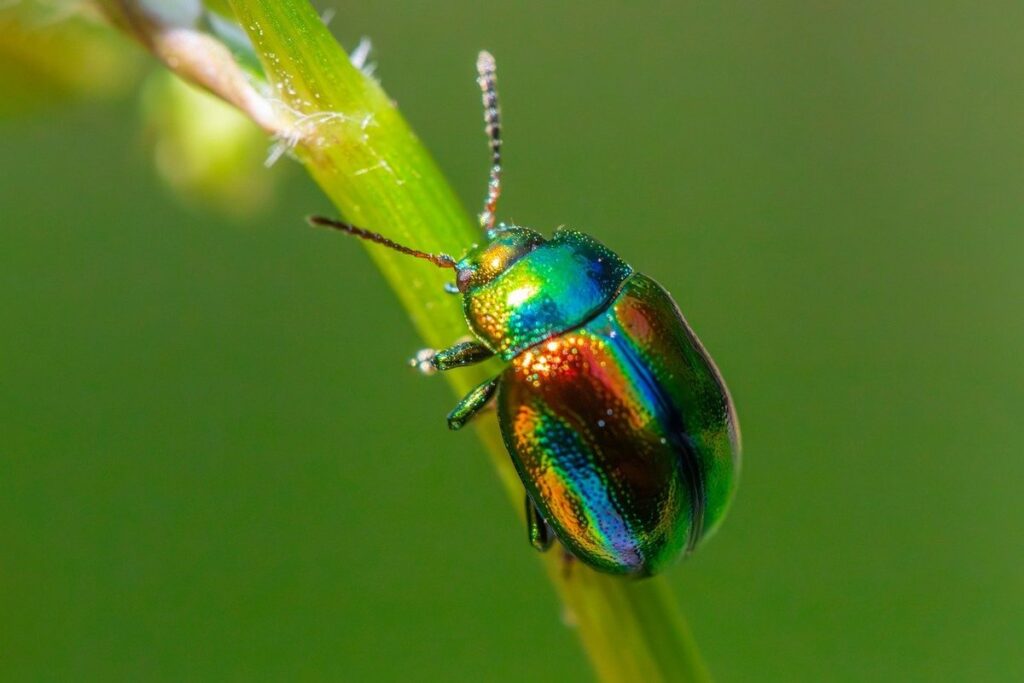
• Beetles: oval-shaped bodies with distinctive markings like stripes or spots.
Familiarize yourself with these and other pests that might infest your garden. Regularly inspecting plants will help you detect pest signs before they become severe problems. Consider keeping a record of your observations to track pest activity over time.
Building a Barrier: Preventing Pest Infestations
To effectively manage pests in your organic garden, it’s essential to start by building a barrier that prevents them from infesting your plants in the first place. This involves creating an environment that discourages pest presence.
Using Physical Barriers to Exclude Pests
When it comes to excluding pests from our gardens, using physical barriers can be an effective and non-toxic solution. One of the most popular options is fine mesh, which can be draped over plants or used as a covering for raised beds. This barrier allows light and water to reach plants while keeping insects out. For example, fine mesh with a 0.5mm mesh size can prevent pests like whiteflies, aphids, and thrips from reaching your plants.
Another option is copper tape, which can be wrapped around plant stems or used as a border around beds. Copper acts as an insecticide when it comes into contact with pests, causing them to die within hours. This makes it an effective solution for areas with high pest pressure. To use copper tape effectively, apply it directly to the soil line and ensure that it’s in good contact with the plant stem.
In addition to these options, other physical barriers include row covers, which allow plants to breathe while keeping insects out, and diatomaceous earth, a powder made from fossilized algae that dehydrates pests. By using one or more of these physical barriers, you can protect your garden from pest infestations without resorting to chemical pesticides.
Plant Selection for Pest Resistance
When it comes to creating an organic garden, selecting plants that are naturally resistant to certain pests is a crucial step in preventing infestations. This approach not only reduces the need for chemical pesticides but also promotes a healthier and more balanced ecosystem.
By choosing plant varieties that have built-in resistance to common pests, you can significantly reduce the likelihood of infestations. For example, plants like marigolds, nasturtiums, and calendula are known to repel nematodes, whiteflies, and aphids respectively. These ‘nurse crop’ plants can be incorporated into your garden design to provide a natural barrier against pests.
Other examples of pest-resistant plants include:
• Radishes, which can help control cucumber beetles
• Basil, which repels flies and other pests that target vegetables
• Chives, which deter aphids and other soft-bodied insects
When selecting pest-resistant plants, consider the specific pests you want to manage in your garden. Research and choose varieties that are known to be resistant to these pests, and incorporate them into your garden design as a proactive measure against infestations.
Creating a Pest-Unfriendly Environment
Creating a pest-unfriendly environment is essential to preventing infestations in your organic garden. One crucial aspect of this is proper soil care. Healthy soil that’s rich in nutrients and organic matter can support the growth of beneficial microbes, which in turn help repel pests. To achieve this, incorporate compost or well-rotted manure into your soil regularly. This will improve its structure, increase its water-holding capacity, and provide a haven for beneficial microorganisms.
Mulching is another effective way to create an environment that’s less conducive to pest infestations. Mulch helps retain moisture in the soil, reduces weed growth, and keeps the soil temperature stable – all of which can help deter pests. Use organic mulch materials like wood chips or straw, but avoid those with weed seeds, as they’ll only introduce new weeds into your garden.
When choosing a mulch, consider its color as well. Light-colored mulches tend to reflect sunlight and heat away from the soil, whereas dark-colored ones absorb it, potentially increasing soil temperature – which can attract pests like slugs and snails.
Integrated Pest Management (IPM) Strategies
Effective organic garden pest management requires a multi-faceted approach, which is why we’ll be exploring various IPM strategies to keep your garden healthy and thriving. From monitoring techniques to biological controls.
Understanding the IPM Approach
Integrated pest management (IPM) is a holistic approach to managing pests in organic gardens. It’s about working with nature, rather than against it, to create a balanced ecosystem where pests are kept under control through a combination of techniques. By adopting an IPM approach, gardeners can reduce their reliance on chemical pesticides and minimize harm to the environment.
The benefits of IPM in organic garden pest management are numerous. For one, it encourages a more detailed understanding of the specific pest problems you’re facing, allowing for targeted solutions that don’t impact beneficial insects or microorganisms. This also helps reduce waste by only using resources necessary to address specific issues. For example, if you discover that aphids are being attracted to your rose bushes due to nearby weeds, IPM would recommend removing those weeds rather than spraying the entire garden.
Effective IPM requires a willingness to observe and learn from nature’s patterns. This means keeping detailed records of pest activity, monitoring for signs of beneficial insects, and adjusting strategies accordingly.
Using Companion Planting for Pest Control
Companion planting is a natural and effective method to deter pests in your organic garden. By pairing plants that repel unwanted insects with those that attract beneficial ones, you can create a balanced ecosystem that promotes healthy growth without relying on chemical pesticides. For instance, basil and mint are known to repel aphids and whiteflies, while marigolds and nasturtiums attract beneficial nematodes that attack soil-dwelling pests.
When selecting companion plants for pest control, consider the specific needs of your garden. Some plants, such as garlic and chives, have broad-spectrum repellent properties and can be paired with a variety of crops to deter pests like aphids, spider mites, and thrips. Other plants, like calendula and sunflowers, attract beneficial insects that prey on pests, while also providing structural support for climbing plants.
To implement companion planting effectively, start by identifying the specific pest problems in your garden and selecting compatible companion plants based on their repellent or attractive properties. Plant them strategically around your crops to create a barrier against unwanted insects.
Encouraging Beneficial Insects with Habitat Creation
Creating habitats that attract beneficial insects is an essential aspect of integrated pest management (IPM) strategies. Beneficial insects like bees and butterflies play a crucial role in pollination and natural pest control. To encourage their presence, you need to create a welcoming environment for them.
Start by incorporating a variety of native plants that provide nectar and pollen sources throughout the growing season. Bees are particularly attracted to flowers with single petals, such as sunflowers and zinnias. Consider adding a bee hotel or insect house to your garden, which can provide shelter for solitary bees during the winter months.
When choosing plants, consider their blooming times and heights to ensure a constant supply of food and shelter for beneficial insects. For example, plant a mix of early-season bloomers like crocuses and daffodils, followed by mid-season flowers like lavender and coneflowers. This will create a diverse habitat that supports the life cycle of various beneficial insect species.
By incorporating these simple steps into your garden design, you can attract a diverse range of beneficial insects, reducing the need for chemical pesticides and promoting a balanced ecosystem.
Biological Controls: Using Natural Predators
One of the most effective and eco-friendly ways to manage pests is by introducing natural predators into your garden, providing a balanced ecosystem. Let’s explore how to use biological controls to keep pests under control naturally.
Introducing Ladybugs and Lacewings for Aphid Control
Ladybugs and lacewings are two of the most effective natural predators for controlling aphid populations in organic gardens. These beneficial insects can be introduced to your garden through various means, including purchasing them from reputable suppliers or encouraging their presence by planting aphid-attracting flowers.
Ladybugs, also known as lady beetles, feed on aphids and other soft-bodied insects, making them a valuable asset for gardeners struggling with aphid infestations. A single ladybug can consume up to 60 aphids per hour, making them a highly effective solution for controlling aphid populations.
Lacewings, on the other hand, are a popular choice for gardeners due to their voracious appetite for aphids and other pests. These delicate-looking insects have a long, narrow body and transparent wings that make them difficult to spot, but they pack a powerful punch when it comes to controlling pest populations.
To introduce ladybugs or lacewings into your garden, simply release them near the affected area in the evening, as this allows them to settle in overnight. In the morning, they’ll be ready to start hunting for aphids and other pests. Be sure to provide a source of water, such as a shallow dish or birdbath, to ensure their survival.
Encouraging Parasitic Wasps for Pest Control
Attracting parasitic wasps to your garden can be an effective and natural way to control pest populations. These beneficial insects prey on aphids, whiteflies, and other small pests that can harm your plants. To encourage these predators into your garden, create a welcoming environment by providing shelter and food.
Plant nectar-rich flowers like sunflowers, zinnias, or cosmos around the perimeter of your garden to attract parasitic wasps. These flowers serve as a source of energy for the wasps, enabling them to focus on hunting pests. Consider planting native species, which are more likely to be beneficial to local wildlife.
In addition to flowers, maintain a diverse range of plants in your garden, including herbs and vegetables with strong scents. This diversity will create an attractive environment for parasitic wasps, which can feed on the pests that infest these plants. Avoid using broad-spectrum pesticides, as they can harm or kill beneficial insects like parasitic wasps.
By creating a welcoming habitat and providing necessary resources, you can encourage parasitic wasps to take up residence in your garden and naturally control pest populations.
The Role of Nematodes in Soil Health
Nematodes play a crucial role in maintaining soil health and can be valuable allies in organic garden pest management. These microscopic worms are present in nearly all soils and feed on plant pathogens such as fungi and bacteria that harm plants.
Some species of nematodes prey on specific pests, making them a targeted biological control option. For example, the Steinernema feltiae nematode is used to manage fungus gnats, which can be difficult to control with traditional methods. By introducing these beneficial nematodes into the soil, gardeners can reduce the need for chemical pesticides and create a healthier ecosystem.
In addition to their predatory capabilities, nematodes contribute to soil fertility by breaking down organic matter and recycling nutrients. They also improve soil structure by creating channels that allow air and water to penetrate more easily.
To harness the benefits of nematodes in your garden, choose species specifically tailored to target problem pests. Follow application instructions carefully, as overuse or misuse can harm the very plants you’re trying to protect. Consider incorporating compost-rich soil amendments to create a thriving environment for beneficial microorganisms like nematodes.
Organic Insecticides: Using Natural Chemicals
One of the most natural and effective ways to control pests in your garden is by using organic insecticides that are derived from plants, essential oils, and other natural sources. Let’s explore some of these chemical-free alternatives together.
Neem Oil as a Natural Insecticide
Neem oil is a natural and effective insecticide that’s gained popularity among organic gardeners. Derived from the seeds of the neem tree (Azadirachta indica), this oil contains compounds that disrupt pest development, making it an excellent alternative to synthetic pesticides.
To use neem oil as a natural insecticide, mix 2-3% of the oil with water and spray it on affected plants. The solution can be applied at any time during the day, but avoid spraying in direct sunlight or when rain is expected. For best results, repeat applications every 7-10 days to ensure continuous protection.
Neem oil’s mode of action is twofold: it prevents pests from laying eggs and also kills them on contact. This dual mechanism makes it highly effective against a wide range of pests, including aphids, whiteflies, mealybugs, spider mites, and scale insects. By using neem oil as part of your integrated pest management strategy, you can maintain a healthy and balanced ecosystem in your garden while minimizing chemical use.
When selecting a neem oil product, look for those that are cold-pressed or solvent-free to ensure the highest quality extract.
Soap-Based Insecticides for Pest Control
When it comes to managing pests in your organic garden, soap-based insecticides offer a natural and effective alternative to chemical pesticides. These gentle yet potent formulas work by breaking down the insect’s exoskeleton, dehydrating them, or interfering with their ability to breathe.
Soap-based insecticides can be made at home using simple ingredients like dish soap, water, and a few drops of neem oil. This DIY approach not only saves money but also allows you to customize the solution according to your specific pest problems. For example, adding garlic oil to the mixture can enhance its repellent properties against aphids.
When using commercial soap-based insecticides, it’s essential to read the label carefully and follow the instructions for application rates and timing. Some common pests that can be controlled with soap-based insecticides include aphids, whiteflies, mealybugs, and spider mites.
To make the most of this natural pest control method, mix 2-3 tablespoons of dish soap with 1 quart of water and spray it directly on affected areas during early morning or evening hours when the sun is not intense. Repeat as needed to achieve desired results. By incorporating soap-based insecticides into your organic garden pest management routine, you can maintain a balanced ecosystem while minimizing harm to beneficial insects and the environment.
The Importance of Rotating Organic Insecticides
Rotating organic insecticides is crucial to maintain their effectiveness and prevent pest populations from developing resistance. When used repeatedly, these chemicals can become less potent, allowing pests to adapt and multiply.
To avoid this issue, gardeners should switch between different types of organic insecticides regularly. For example, if using neem oil or pyrethrin for several months in a row, it’s time to try something else like Bt (Bacillus thuringiensis) or garlic spray. This approach not only preserves the potency of these chemicals but also reduces the risk of over-reliance on a single compound.
Another benefit of rotating organic insecticides is that it can help maintain soil health and ecosystem balance. Overusing a particular chemical can disrupt beneficial microorganisms, leading to long-term environmental damage. By switching between different products, gardeners promote biodiversity and support the overall well-being of their garden’s ecosystem.
When selecting alternative pest control methods, consider factors like target pests, application timing, and product compatibility with other gardening practices. Researching and incorporating these techniques into your management strategy will not only ensure effective pest control but also foster a healthier garden environment.
Record-Keeping and Evaluation: Monitoring Success
Now that you’ve put your organic pest management plan into action, it’s time to track its effectiveness through careful record-keeping and evaluation. Effective monitoring will help you refine your strategy over time.
Keeping a Pest Management Journal
Keeping an accurate record of pest management activities is essential for effective organic garden pest management. A pest management journal allows you to track and analyze the progress of your efforts, making it easier to identify areas that require improvement.
To start keeping a pest management journal, dedicate a notebook or use a digital tool specifically designed for this purpose. Begin by recording key information such as weather patterns, soil moisture levels, and any notable observations about pest populations.
Each time you apply a control method, note the date, type of treatment, and amount used. Also, record any subsequent visits to the affected areas to track the effectiveness of the treatment. Include photos or sketches of the pests and affected plants to help with identification and monitoring.
Regularly reviewing your journal will help you identify patterns and correlations between environmental factors and pest activity. This information can be used to inform future management decisions, reducing the reliance on chemical controls and promoting a more holistic approach to organic garden pest management.
Evaluating IPM Strategies for Future Improvement
As you continue to monitor and manage pests in your organic garden, it’s essential to evaluate the effectiveness of your Integrated Pest Management (IPM) strategies. This process involves regularly assessing the pest population, monitoring the efficacy of control methods, and making adjustments as needed.
To begin evaluating your IPM strategy, keep a record of the following: the type and severity of pests present, the control methods used, and their outcomes. This information will help you identify what’s working and what areas need improvement. Consider using a pest management journal or spreadsheet to track this data over time.
When reviewing your records, look for patterns and trends that may indicate the need for adjustments. For example, if you find that a particular control method is only effective in certain conditions, take note of those factors (e.g., weather, soil type) to inform future decision-making. By regularly evaluating and refining your IPM strategy, you can ensure long-term success in managing pests organically while minimizing harm to the environment.
Frequently Asked Questions
How can I integrate organic garden pest management strategies with my existing gardening routine?
Integrating organic pest management techniques requires a holistic approach to your gardening routine. Consider setting aside dedicated time each week for monitoring, recording, and adjusting your control methods as needed. Use a journal or spreadsheet to track pest sightings, weather patterns, and the effectiveness of different controls. This will help you refine your strategies over time and adapt to changing conditions.
What are some potential drawbacks or limitations of using companion planting for pest control?
While companion planting can be an effective method for repelling pests, it’s essential to understand its limitations. Not all plants have the desired effect on every type of pest, and some may even attract certain insects you’re trying to deter. Research the specific pairing and ensure that it won’t create new problems or compromise other beneficial insects in your garden.
Can I use neem oil as a preventative measure to prevent pests from developing in the first place?
Yes, neem oil can be used as a preventative measure by spraying it on plants before pest populations reach damaging levels. However, always follow the recommended dilution ratio and application instructions to avoid harming beneficial insects or your plants themselves. Regular applications may also lead to resistance development over time.
How do I know if my integrated pest management (IPM) strategy is working effectively?
Regular monitoring and record-keeping are key to determining whether your IPM strategies are successful. Look for indicators such as reduced pest populations, improved plant health, or a decrease in the need for chemical controls. Adjust your methods accordingly based on these observations, and be prepared to adapt your approach as new information becomes available.
What’s the importance of crop rotation in organic garden pest management?
Crop rotation is an essential component of IPM strategies. By changing the types of plants you grow from season to season, you break the life cycles of certain pests, reduce soil-borne pathogens, and create a more diverse ecosystem that’s less susceptible to infestations. This approach also helps maintain soil fertility and structure, ensuring long-term garden health.