
When it comes to reducing waste and creating nutrient-rich soil for your garden, two popular options come to mind: compost bins and compost piles. But which one is right for you? As more people turn to sustainable gardening practices, understanding the benefits and challenges of each method can be a game-changer for your outdoor space. Whether you’re a seasoned gardener or just starting out, making an informed decision between a compost bin and pile will save you time, effort, and potentially even money in the long run. In this article, we’ll delve into the details of both methods, exploring their advantages, disadvantages, and best practices to help you make a decision that suits your needs and lifestyle.
Introduction to Composting
Composting is a simple and effective way to reduce waste, create nutrient-rich soil, and help your garden thrive. Let’s start by exploring the basics of composting and why it matters for your outdoor space.
Benefits of Composting
Composting offers numerous benefits that make it an attractive and essential practice for gardeners and environmental enthusiasts alike. By composting, you significantly reduce waste sent to landfills, which accounts for nearly 20% of municipal solid waste in the United States alone.
Composting also improves soil health by increasing its nutrient content and water-holding capacity. Rich compost can support healthy plant growth, boost crop yields, and enhance overall ecosystem balance. Moreover, composting helps conserve water by reducing runoff and erosion caused by poor soil quality.
Incorporating compost into your garden or yard has a cascading effect on the environment. For instance, using compost in landscaping reduces the need for fertilizers and pesticides, which can pollute nearby water sources and harm local wildlife. By composting at home, you join millions of other households worldwide that are taking proactive steps to minimize waste and promote sustainability.
To get started with composting, consider what types of materials you can collect from your kitchen or yard. Vegetable scraps, fruit peels, coffee grounds, and eggshells make excellent additions to a compost pile or bin.
Common Challenges in Composting
When starting out with composting, it’s not uncommon to encounter some common challenges that can make the process more frustrating than it needs to be. One of the biggest issues many people face is pests – flies, rodents, and other critters are attracted to the nutrient-rich food waste in your compost pile. To minimize this problem, make sure to balance your carbon-to-nitrogen ratio, as a lean mixture can attract unwanted visitors.
Other challenges include unpleasant odors emanating from your compost pile. This usually occurs when there’s too much nitrogen-rich material and not enough carbon-rich materials like leaves or straw. Simply adding more brown materials can help absorb excess moisture and reduce odor-causing microorganisms.
Lastly, maintaining an adequate carbon-to-nitrogen ratio is crucial to successful composting. Aim for a balance of 25-30% “green” materials (food waste, grass clippings) and 70-75% “brown” materials (dried leaves, straw). By being mindful of these common challenges, you can avoid costly mistakes and set yourself up for successful composting – regardless of whether you choose a compost bin or pile.
Types of Compost Bins
When it comes to choosing the right composting method, understanding your options for containing and managing your compost is key. We’ll explore the different types of compost bins available.
Choosing the Right Material for Your Bin
When it comes to choosing the right compost bin, selecting the correct material can be just as important as deciding on a style. Different materials have various benefits and drawbacks that should be considered based on personal needs and preferences.
For instance, plastic bins are often inexpensive, lightweight, and easy to set up. However, they may not provide the best insulation for maintaining optimal composting temperatures. On the other hand, metal bins can withstand harsh weather conditions and are resistant to pests. Nevertheless, they might rust over time if not properly maintained.
Wooden compost bins offer a more eco-friendly option with natural ventilation properties. They also allow for easy inspection of the compost’s condition without having to open the bin. However, their lifespan may be shorter compared to other materials due to potential rot and pest damage.
Recycled materials can also be used to create durable and environmentally friendly compost bins. These options often feature a mix of different recycled materials combined with natural elements like wood or bamboo. They tend to offer better insulation and are generally more resistant to pests than plastic bins.
Factors to Consider When Selecting a Compost Bin
When selecting a compost bin, there are several factors to consider to ensure it meets your needs and effectively turns kitchen scraps into nutrient-rich soil. First and foremost, think about the size of the bin. A larger bin is ideal for households with multiple people or those who generate a lot of organic waste, but may be impractical for smaller spaces or solo households.
Cost is another crucial factor to consider. Compost bins can range from affordable (around $20) to expensive (over $100). While it’s tempting to opt for the cheapest option, keep in mind that cheaper bins may not provide adequate aeration, leading to slow decomposition and unpleasant odors. Durability is also key – look for bins made from high-quality materials that will withstand outdoor conditions.
Finally, consider how easy you want the composting process to be. Some bins come with features like automatic turning mechanisms or built-in carbon-to-nitrogen ratio meters, while others require more manual effort. Think about your personal preferences and the level of maintenance you’re willing to commit to before making a decision.
Types of Compost Piles
When it comes to composting, there are several types of piles you can create, each with its own unique characteristics and benefits for your garden. Let’s explore them together!
Cold-Composting: A Low-Maintenance Option
Cold-composting is a low-maintenance method of composting that involves piling organic materials outdoors without turning them. This approach relies on natural decomposition processes to break down the materials over time. The benefits of cold-composting include minimal labor requirements and no need for specialized equipment.
One of the key advantages of cold-composting is its ability to break down tough materials like leaves, branches, and straw. These types of materials can be challenging to compost using hot-composting methods, but with cold-composting, they’ll eventually decompose over several months or even years. However, this slow process means that cold-composting takes longer than other methods.
Keep in mind that cold-composting can also lead to some drawbacks, such as unpleasant odors and pest attractants. It’s essential to balance the carbon-to-nitrogen ratio by adding “green” materials like food scraps or grass clippings to speed up decomposition. With a little patience and planning, you can create a thriving compost pile using the cold-composting method.
When setting up a cold-compost pile, make sure to choose a well-ventilated area with adequate space for airflow. You’ll also want to layer the materials in a way that allows for efficient decomposition. A general rule of thumb is to alternate between layers of carbon-rich and nitrogen-rich materials.
Hot-Composting: Breaking Down Organic Matter Quickly
Hot-composting is a method that involves actively managing the compost pile to create high temperatures, which accelerate the decomposition process. This technique requires regular turning and monitoring of moisture levels to maintain optimal conditions for microbial activity.
The advantages of hot-composting are numerous: it breaks down organic matter quickly, typically within 1-2 weeks, and produces a rich, humus-like compost that is ideal for soil amendment. Hot-composting also allows for the processing of large quantities of material in a relatively short period, making it a good option for those with limited space or a high volume of waste.
However, hot-composting can be more labor-intensive than other methods and requires close monitoring to avoid overheating, which can lead to odors, pests, or even fires. It’s essential to balance moisture levels, turn the pile regularly, and maintain adequate oxygen flow to prevent these issues. With proper management, hot-composting can be a highly effective way to produce nutrient-rich compost for your garden.
Comparison of Compost Bins and Piles
When deciding between a compost bin and pile, one key factor is how they compare to each other in terms of convenience and efficiency. Let’s dive into the details of both options.
Pros and Cons of Compost Bins
When it comes to using compost bins for waste management, there are several advantages and disadvantages to consider. One of the main benefits is that compost bins can be more visually appealing than a traditional pile, as they come in a variety of colors and styles that fit seamlessly into any backyard landscape.
Another advantage is that compost bins provide a contained space for your food scraps and yard waste, which helps to reduce odors and pests. This means you can compost even the smelliest items like meat and dairy without worrying about attracting unwanted critters.
However, there are also some drawbacks to using compost bins. For one, they can be more expensive than traditional compost piles, especially if you’re looking for a high-quality bin that will last for years to come.
Additionally, compost bins can be more labor-intensive to use, as you’ll need to turn the contents regularly to ensure everything is breaking down properly. This can be a bit of a hassle, especially if you have limited time on your hands.
Despite these drawbacks, many gardeners swear by the benefits of using a compost bin. With proper care and maintenance, they can provide a rich source of nutrient-dense soil for your plants, helping them grow strong and healthy all season long.
Pros and Cons of Compost Piles
When it comes to composting, two popular methods come to mind: using a compost bin and building a compost pile. While both have their advantages, they also come with some drawbacks. Let’s dive into the pros and cons of each.
A compost pile can be an attractive option for gardeners who want to compost on a large scale or have limited space for a bin. The benefits of compost piles include their ability to handle high volumes of organic matter and their tendency to attract beneficial insects and microorganisms that break down waste quickly. However, they can also be prone to pests, such as rodents and flies, which can be a nuisance.
On the other hand, compost bins are designed to contain odors and pests while still allowing for airflow and decomposition. They’re often more convenient and easier to manage than piles, especially in small spaces or urban areas. However, they can be expensive, may not allow for as much volume of waste, and require regular maintenance.
Ultimately, the choice between a compost pile and bin comes down to your personal preferences, space constraints, and level of maintenance you’re willing to commit to. If you have plenty of space and want to compost in bulk, a pile might be the way to go. But if you live in an apartment or prefer a more contained system, a bin is likely a better fit.
Best Practices for Both Compost Bins and Piles
To maximize your composting efforts, let’s dive into the best practices for setting up both bins and piles to create nutrient-rich soil for your garden.
Maintaining Optimal Carbon-to-Nitrogen Ratios
Achieving the ideal carbon-to-nitrogen (C:N) ratio is crucial for efficient composting, regardless of whether you’re using a bin or pile. This balance determines the rate at which microorganisms break down organic matter into nutrient-rich compost.
Aim for a C:N ratio between 25:1 and 30:1. Too little carbon and the mixture will be too “hot,” potentially leading to odors and pests. Conversely, an overabundance of carbon can slow decomposition. Balance is key: if you’re using a mix of green materials like food scraps (high nitrogen) with brown materials like leaves or straw (high carbon), ensure that for every 1 part green, there are at least 2-3 parts brown.
When maintaining optimal C:N ratios in both bins and piles, remember to:
* Add brown materials as needed to balance out green additions
* Monitor temperature: if it’s consistently above 160°F, it may be too “hot” and nitrogen is being wasted
* Aerate regularly by turning or adding bulking agents like coconut coir
By striking this balance, you’ll create an environment conducive to efficient composting, regardless of whether you’re using a bin or pile.
Monitoring Temperature and Moisture Levels
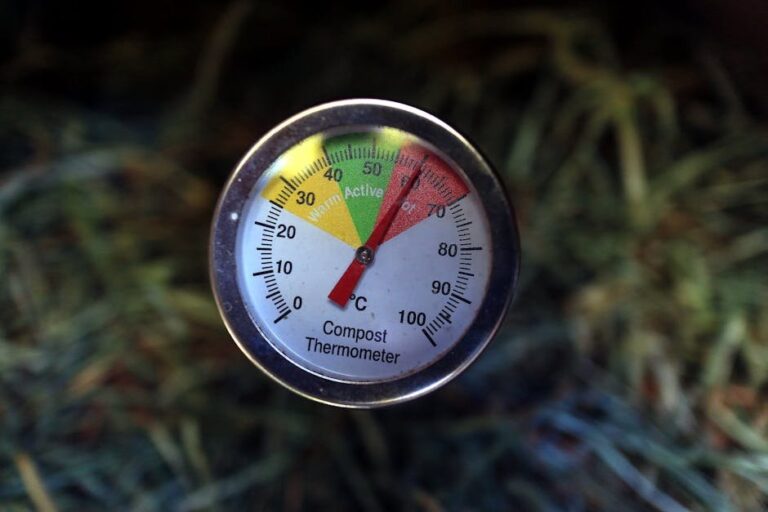
Monitoring temperature and moisture levels are crucial steps in ensuring efficient decomposition in both compost bins and piles. To check the temperature of your compost, use a thermometer to insert into the pile. The ideal temperature for decomposition is between 130°F and 140°F (54°C to 60°C). If it’s too hot, turn down the carbon-rich materials like leaves or straw, as they can smolder and cause the temperature to rise.
For moisture levels, you want to aim for a mix that feels like a damp sponge. Too little water can slow decomposition, while excessive water can lead to anaerobic conditions. Check the pile daily by inserting your hand into it up to the elbow. If it’s too dry, add water; if it’s too wet, turn down the carbon-rich materials.
Some compost piles and bins also come with built-in monitoring systems or have specific guidelines for maintaining optimal temperature and moisture levels. For example, some worm composting bins require a consistent 80°F to 90°F (27°C to 32°C) temperature range. By monitoring these factors regularly, you can ensure your compost is breaking down efficiently and safely.
Conclusion: Choosing the Right Composting Method
Now that we’ve weighed the pros and cons of each method, it’s time to think critically about which one is best suited for your unique needs. Let’s explore how to make a decision that works for you.
Considering Your Lifestyle and Resources
When it comes to choosing between a compost bin and a compost pile, it’s essential to consider your lifestyle and resources. Think about the amount of space you have available for composting – if you live in an apartment or have a small backyard, a compact compost bin might be more practical than a sprawling compost pile.
Consider your access to materials as well. If you’re collecting food scraps from multiple households or have limited access to yard trimmings, a compost bin with a secure lid and designated compartments can help keep things organized. On the other hand, if you have an abundance of yard waste and a dedicated space for composting, a compost pile might be a better fit.
Assess your time commitment too – do you have several hours each week to devote to monitoring and turning a compost pile, or would the hands-off approach of a compost bin suit you better? By taking these factors into account, you can make an informed decision about which method is best for your unique situation.
Tips for Successful Composting with Either Method
Whether you’ve chosen to use a compost bin or a pile, successful composting requires some finesse. To overcome common challenges and achieve great results, keep the following tips in mind.
Firstly, maintain the ideal carbon-to-nitrogen ratio by adding “green” materials like kitchen scraps and grass clippings alongside “brown” materials like dried leaves and shredded newspaper. This balance is crucial for decomposition to occur efficiently.
Another essential tip is to ensure adequate moisture levels. Aim for a consistency similar to a damp sponge, as this will facilitate microbial activity. Avoid overwatering, which can lead to anaerobic conditions and unpleasant odors.
Regular turning of the compost pile or bin will also speed up the process by introducing oxygen and preventing matting. Set aside time each week to give your compost a good mix, and don’t be afraid to get hands-on.
Finally, monitor temperature levels – ideally, you’re aiming for a range between 130°F and 140°F (54°C-60°C). This indicates that the composting process is underway. With these tips in mind, you’ll be well on your way to creating nutrient-rich compost using either method.
Frequently Asked Questions
How do I ensure my compost bin is attracting beneficial insects, like earthworms?
To attract beneficial insects to your compost bin, make sure it’s located in a spot with adequate sunlight and moisture levels. Add a mix of “green” (nitrogen-rich) and “brown” (carbon-rich) materials, such as food scraps and dried leaves, to create an ecosystem that supports beneficial insect populations. Avoid using pesticides or chemicals near your compost bin, as these can harm insects.
Can I use my kitchen scraps in both compost bins and piles?
Yes, you can use your kitchen scraps in both compost bins and piles. However, it’s essential to balance the ratio of green materials (like food scraps) to brown materials (like dried leaves or straw). In a compost bin, you may need to add more brown materials to absorb excess moisture and odor from kitchen scraps. In a compost pile, a higher proportion of green materials can be used.
How do I monitor temperature and moisture levels in my composting system?
To monitor temperature and moisture levels, use a compost thermometer to check the internal temperature of your bin or pile. Aim for temperatures between 130°F and 140°F (54°C and 60°C) for hot-composting. For cold-composting, aim for lower temperatures around 100°F to 120°F (38°C to 49°C). Check moisture levels by squeezing a handful of compost; it should feel like a damp sponge.
Can I use a compost bin indoors, or is it best suited for outdoor spaces?
You can use a compost bin indoors, especially in small gardens or urban areas. However, ensure proper ventilation and airflow to prevent odor buildup and pest attraction. Consider using an indoor compost bin with built-in filters or odor-absorbing materials.
How do I maintain optimal carbon-to-nitrogen ratios in my compost pile?
Maintain a balance of 2/3 “brown” (carbon-rich) materials to 1/3 “green” (nitrogen-rich) materials. Add brown materials like dried leaves, straw, or shredded newspaper to absorb excess moisture and odor. Green materials like food scraps, grass clippings, or manure can be added in moderation. Regularly turn the pile to ensure even decomposition and prevent anaerobic conditions.