
If you’re a gardener who’s struggled with the pesky problem of spider mites on your plants, you’re not alone. These tiny, spider-like pests can wreak havoc on even the healthiest of plants, sucking away nutrients and leaving behind a sticky residue that attracts other unwanted critters. But fear not – eliminating spider mites from your garden doesn’t have to involve harsh chemicals or expensive treatments. In this article, we’ll explore some effective natural ways to kill spider mites on your plants, including the use of essential oils, beneficial insects, and simple environmental changes that can help restore balance to your plant ecosystem. We’ll cover it all – from identifying the signs of a spider mite infestation to using neem oil and other natural remedies to keep these pests at bay for good.
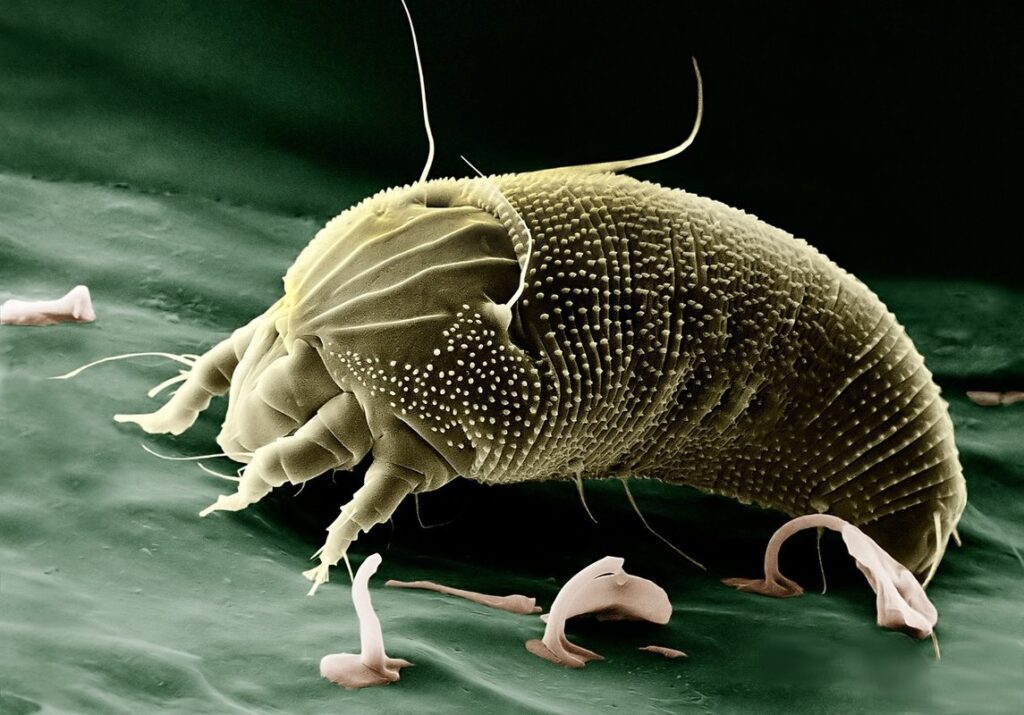
Understanding Spider Mites and Their Impact
Let’s start by understanding what spider mites are and how they can harm your plants, so you know exactly how to tackle them effectively. This includes recognizing their signs and causes of infestation.
What are Spider Mites?
Spider mites are tiny, spider-like arachnids that feed on plant sap. They’re so small you might need a magnifying glass to spot them, but their impact can be significant. These pests have a life cycle that involves four stages: egg, larva, protonymph, and adult. Female spider mites lay eggs on the underside of leaves or stems, which hatch into larvae within 3-5 days. As they grow, they molt several times before reaching adulthood.
Spider mites affect plants in various ways, including yellowing or bronzing of leaves, distorted growth, and a sticky substance called honeydew that attracts other pests. They can also transmit plant viruses, further weakening the plant. To understand how to kill spider mites naturally, it’s essential to know their life cycle and habits. For instance, they thrive in dry conditions, which means watering your plants regularly can help prevent infestations. By recognizing these tiny pests and understanding their impact on your plants, you’ll be better equipped to tackle them using natural methods, as we’ll discuss in the following sections.
Common Signs of a Spider Mite Infestation
Spider mite infestations can be tricky to detect, but knowing the common signs can help you catch them early and prevent damage to your plants. One of the first signs is yellowing leaves, which can start as a slight discoloration or progress to full-blown yellowing. This is often accompanied by stippling, tiny white spots on the underside of leaves that are actually eggs laid by the mites.
Another telltale sign is fine webbing, particularly around leaf axils and stems. Spider mites spin this webbing for shelter and protection, which can also help them hide from predators and pesticides. If you notice a fine, cottony material on your plant’s leaves or near its base, it could be a spider mite infestation.
To confirm the presence of spider mites, gently tap a leaf over a white sheet of paper. Mites will fall off the leaf onto the paper, where you can spot them with a magnifying glass. If you do suspect an infestation, act quickly to prevent further damage and spread of the pests.
When inspecting your plants for signs of spider mites, be sure to check both the upper and lower surfaces of leaves, as well as the stems and leaf axils, where mites are most likely to congregate. Regular monitoring will help you catch infestations before they get out of control.
Preparing Your Plants for Natural Treatment
Before applying any natural treatment, it’s essential to prepare your plants by inspecting them thoroughly and making any necessary adjustments to their environment. This will help ensure optimal results.
Creating an Environment Unfavorable to Spider Mites
Creating an environment unfavorable to spider mites is crucial for preventing infestations and allowing natural treatments to work effectively. Proper plant care plays a significant role in maintaining a healthy environment that discourages the presence of spider mites.
Adequate watering is essential, as overwatering can lead to moisture buildup on leaves, providing an ideal environment for spider mite populations to thrive. Conversely, underwatering can stress plants, making them more susceptible to infestations. To strike a balance, ensure your plants receive water when the top 1-2 inches of soil feels dry. Use a well-draining potting mix and avoid getting water on leaves.
Proper fertilization is also vital in promoting plant health and resilience against spider mites. Feed your plants with balanced, water-soluble fertilizers according to the manufacturer’s instructions. Avoid overfertilizing, as this can cause more harm than good.
Regular pruning helps maintain plant vigor by removing weak or damaged growth, which can be a source of attraction for spider mites. Prune your plants during their dormant season, and remove any dead or diseased leaves immediately. This will help prevent infestations and create an environment that’s less favorable to spider mite populations.
Using Physical Barriers to Prevent Re-Infestation
When it comes to preventing re-infestation of spider mites on your plants, using physical barriers is an effective and non-toxic method. One way to do this is by covering your plants with fine mesh or fine-netted cloths. This will prevent the adult mites from reaching your plants and laying eggs, thereby breaking the cycle of infestation.
You can use a fine-mesh screen or a breathable cloth like cheesecloth to cover individual pots or an entire room where your plants are located. Make sure the mesh is tightly woven so that the tiny mites can’t squeeze through. Another option is to place a physical barrier around the base of the plant, such as a fine-netted collar, to prevent mites from crawling up the stem.
To ensure effective coverage, make sure the barrier extends at least 6 inches above and below the soil level. This will help prevent any stray mites from escaping or re-infesting your plants. Regularly inspecting your plants under the barrier will also allow you to catch any early signs of infestation before it becomes a major problem.
Natural Chemicals and Essential Oils for Control
When it comes to using natural chemicals, neem oil and sulfur powder are excellent alternatives to synthetic pesticides that can help control spider mite infestations on your plants.
Neem Oil: A Natural Spider Mite Killer
Neem oil is a popular natural remedy for controlling spider mite infestations on plants. Derived from the seeds of the neem tree, this oil has been used for centuries to control pests and diseases due to its potent insecticidal properties. When it comes to killing spider mites naturally, neem oil is an excellent choice.
The effectiveness of neem oil against spider mites lies in its ability to disrupt their life cycle. It prevents the mites from reproducing by interfering with their hormonal balance, ultimately leading to a decline in population. Studies have shown that neem oil can reduce spider mite populations by up to 90% when used correctly.
To use neem oil safely and effectively, mix it with water according to the product’s instructions (usually 2-3%). Spray the solution on both sides of the leaves, making sure to cover all areas where spider mites are present. You can also add a few drops of neem oil to your regular watering schedule as a preventative measure.
When choosing a neem oil product, ensure it is specifically labeled as “neem oil” and contains azadirachtin, the active compound responsible for its insecticidal properties. Always follow the manufacturer’s instructions for safe use, and take necessary precautions when handling the oil to avoid skin irritation or other adverse effects.
Peppermint Oil and Other Essential Oils
When it comes to controlling spider mite infestations naturally, essential oils can be a game-changer. While we’ve discussed the benefits of neem oil and horticultural oil earlier, there are other essential oils that can help repel and kill these pesky pests. Let’s take a closer look at peppermint, lemongrass, and citronella essential oils.
Peppermint oil, in particular, has shown excellent results in controlling spider mites due to its strong menthol content. It’s also a natural deterrent for other garden pests like aphids and whiteflies. To use peppermint oil, mix 5-7 drops with 1 quart of water and spray it on the affected plants. You can also add it to your neem oil mixture for an extra boost.
Lemongrass essential oil has antiseptic properties that can help combat fungal diseases often associated with spider mite infestations. Mix a few drops (about 10-12) with water and spray it on the plant’s leaves, making sure to avoid the soil. Citronella oil, while not as potent as peppermint or lemongrass, can still be used in combination with other oils for added benefits.
When using essential oils, remember that their potency can decrease over time. Always dilute them properly and test a small area before applying them to your entire plant.
Biological Control Methods: Using Beneficial Insects
Beneficial insects can be a powerful tool in controlling spider mite populations, and we’re going to explore some of these natural predators. Let’s take a closer look at how you can use them to your advantage.
Introducing Predatory Mites as a Solution
When it comes to controlling spider mite populations on plants, there’s a clever solution that involves introducing beneficial insects that prey on these pests. Enter predatory mites – tiny heroes that help keep spider mites under control.
Predatory mites are specialized insects that feed exclusively on spider mites and their eggs. They’re a natural and non-toxic way to manage spider mite infestations, making them an excellent addition to your integrated pest management (IPM) strategy. By introducing predatory mites into the ecosystem, you can reduce the need for chemical pesticides and promote a balanced environment.
To introduce predatory mites effectively, it’s essential to choose the right species for your specific plant type and climate. For example, Phytoseiulus persimilis is a popular choice for indoor gardens, while Neoseiulus californicus is better suited for outdoor environments. Once you’ve selected the correct species, follow these steps: acquire a sufficient number of predatory mites (typically around 100-200 per plant), release them near the affected areas, and monitor their progress. With proper care and timing, predatory mites can help eliminate spider mite populations and maintain a healthy balance in your garden.
Other Natural Predators: Lacewings and Ladybugs
Lacewings and ladybugs are two of the most effective natural predators that can help control spider mite populations on plants. These beneficial insects feed on spider mites, their eggs, and even their webbing, making them a great addition to your integrated pest management (IPM) strategy.
To attract lacewings to your garden, plant nectar-rich flowers like cosmos, marigolds, or zinnias that provide a source of food for these beneficial insects. You can also introduce lacewing eggs or larvae to the affected area, which will quickly multiply and feed on spider mites. One lacewing larva can consume up to 5 times its own weight in spider mites per day!
Ladybugs, on the other hand, are attracted to yellow flowers like sunflowers or daisies that provide a source of pollen and nectar. They secrete a foul-tasting fluid from their leg joints that repels spider mites, making it difficult for them to feed and multiply. To encourage ladybugs to visit your garden, plant a diverse range of flowers that bloom at different times to ensure a constant source of food.
By introducing lacewings and ladybugs to your garden, you can create a balanced ecosystem where natural predators work together to control spider mite populations, reducing the need for chemical pesticides.
Environmental Changes to Encourage Spider Mite Decline
To discourage spider mites from thriving on your plants, consider implementing environmental changes that disrupt their delicate ecosystem and make it harder for them to survive. This can be a highly effective approach.
Improving Air Circulation Around Plants
When it comes to creating an environment that discourages spider mite infestations, improving air circulation around plants is a crucial step. These tiny pests thrive in humid conditions, so by increasing airflow, you’re making it harder for them to survive.
To boost air circulation, start by pruning any overgrown branches or leaves that might be blocking air movement. This simple act can make a significant difference in reducing moisture levels and preventing the buildup of condensation on leaves. You can also use fans or humidistats to monitor and adjust humidity levels around your plants.
Another way to enhance air circulation is to ensure good spacing between potted plants. By giving them enough room, you’re allowing air to circulate more freely and reducing the likelihood of moisture accumulation. For example, if you have a crowded potting bench, consider repotting some of your plants or moving others to a different area.
Remember, even small changes can add up to make a big impact on keeping spider mites at bay. By incorporating these simple adjustments into your plant care routine, you’ll be taking a significant step towards creating an environment that discourages these pesky pests from thriving.
Adjusting Temperature and Humidity Levels
Spider mites are highly sensitive to environmental changes, making temperature and humidity control crucial for their decline. When it comes to controlling spider mite populations, understanding the impact of temperature and humidity is essential.
Optimal temperatures for controlling spider mites typically range between 65°F (18°C) and 75°F (24°C). Temperatures above or below this range can be detrimental to plant growth but also make it difficult to control spider mite infestations. For example, temperatures above 80°F (27°C) can cause the spider mites’ metabolism to increase, making them more resilient to treatments.
Maintaining optimal humidity levels is equally important. Spider mites thrive in dry environments, which makes controlling humidity a vital step in reducing their populations. Aim for a relative humidity of between 40% and 60%. You can achieve this by misting the plants with water daily or placing the pot on a tray filled with water and pebbles.
By adjusting temperature and humidity levels within these optimal ranges, you’ll be creating an environment that’s less conducive to spider mite survival. This natural approach can help reduce their populations over time, reducing the need for chemical pesticides.
Monitoring Progress and Preventing Re-Infestation
Now that you’ve successfully gotten rid of spider mites, it’s essential to keep an eye out for any signs of re-infestation. Regular monitoring will help you catch potential problems before they get out of hand.
Regular Inspections to Catch Early Signs
Regular inspections are crucial when it comes to preventing re-infestation of spider mites on your plants. Spider mite infestations can be sneaky, and early detection is key to effective treatment. As you continue with natural methods of controlling these pests, regular monitoring will help you catch any signs of re-infestation before they become severe.
To perform a thorough inspection, examine your plants carefully, looking for any new growth or changes in the plant’s condition. Check for fine webbing on the leaves and stems, as spider mites spin this web to protect themselves from predators. Also, inspect the undersides of leaves and around nodes where new growth emerges, as these areas are often most susceptible to re-infestation.
During your inspection, also look out for other signs such as yellowing or bronzing of leaves, which can be an indicator of a mite infestation. If you do detect any of these symptoms, take immediate action by implementing natural control methods, such as neem oil sprays or introducing beneficial insects that prey on spider mites.
Maintaining a Clean Environment and Healthy Plants
Maintaining a clean environment is crucial when trying to naturally kill spider mites on plants. One of the most important steps is washing your tools regularly. Spider mites can easily spread from plant to plant using contaminated equipment, so make it a habit to wash your pruning shears, trowels, and other gardening tools with soap and water after each use.
Another key aspect is pruning infected areas. This not only helps prevent the spider mite population from growing but also promotes healthy growth by removing weak or damaged leaves. Use sharp, sterile pruning scissors to remove any heavily infested areas, making sure to disinfect them afterwards. Be cautious not to damage the surrounding plant tissue when pruning.
Regularly inspecting your plants and their surroundings will also help maintain a clean environment. Remove any debris, weeds, or dead plant matter that could be attracting pests or harboring diseases. Keeping a clean growing space is essential in preventing re-infestation and ensuring the overall health of your plants.
Frequently Asked Questions
How Can I Monitor Progress and Prevent Re-Infestation?
Monitoring progress is crucial to prevent re-infestation. Regularly inspect your plants for signs of spider mites, and maintain a clean environment by removing any debris or dead plant material. Adjust temperature and humidity levels as needed to create an unfavorable environment for spider mites.
Can I Use Other Essential Oils Alongside Neem Oil?
Yes, you can use other essential oils alongside neem oil to enhance their effectiveness. However, be sure to mix them in moderation and avoid overpowering the plant with strong fragrances. Peppermint oil, lemongrass oil, and tea tree oil are some examples of complementary essential oils that can help control spider mite infestations.
How Do I Know If My Plant Has Been Infested for a Long Time?
Infested plants may exhibit yellow or bronzed leaves, white powdery patches, or sticky residue on the leaves. Check the undersides of leaves and stems for eggs or webs. If you suspect your plant has been infested for an extended period, consider introducing beneficial insects like ladybugs or lacewings to help control the population.
Can I Use Beneficial Insects in Greenhouses or Indoor Spaces?
Yes, beneficial insects can be used effectively in greenhouses or indoor spaces. Introduce predatory mites or other beneficial insects early on to prevent infestations from taking hold. Maintain a clean and well-ventilated environment, and ensure that the temperature and humidity levels are suitable for the beneficial insects.
How Long Does it Take to See Results After Using Natural Remedies?
Results may vary depending on the severity of the infestation and the effectiveness of the natural remedies used. Typically, you can expect to see improvements within 1-2 weeks after introducing beneficial insects or using essential oils. However, maintaining a consistent environment unfavorable to spider mites will continue to yield results over time.