
Squash vine borers can be a frustrating pest for gardeners, causing significant damage to your prized cucurbit plants. But have you ever stopped to think about their lifecycle and how it contributes to the economic impact on your harvest? Understanding the squash vine borer’s life stages is crucial to managing this pest effectively. In this article, we’ll delve into the intricacies of their lifecycle, from egg laying to adult emergence, and explore the resulting damage to your plants. We’ll also discuss management strategies that can help minimize the impact of these borers, including host plant resistance, integrated pest management (IPM), and biological control methods. By the end of this article, you’ll be equipped with the knowledge to take control of squash vine borer populations in your garden and protect your valuable crops.
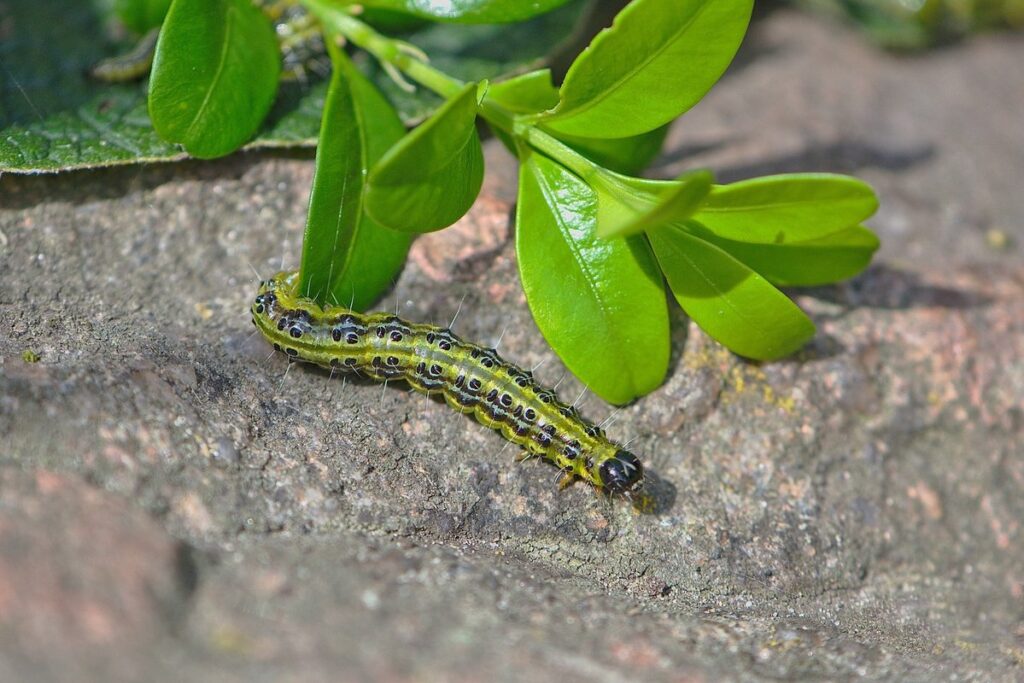
Identifying the Problem: How Squash Vine Borers Affect Your Garden
Squash vine borers can be devastating to your garden, causing wilted and dying plants that are a total loss. Here’s how these pests affect your squash crop.
Damage Caused by Squash Vine Borers
When squash vine borers infest your garden, they can cause significant damage to your plants. The adult moths lay their eggs on the base of the stem, and when the larvae hatch, they begin feeding on the plant’s vascular tissue. This feeding activity weakens the plant, making it more susceptible to disease and pests.
As a result, squash vine borers can reduce yields by up to 50% or more in severely infested plants. The damage is often irreversible, and the affected plants may not produce any fruit. Moreover, the weakened state of the plant makes it easier for other diseases to take hold, such as powdery mildew and downy mildew.
To put this into perspective, a study found that squash vine borer infestations can reduce the overall quality of cucurbits by up to 70%. This means that even if some fruit is produced, its quality may be compromised due to the damage caused by the borers. To prevent this from happening in your garden, it’s essential to monitor for signs of infestation and take action promptly when you spot them.
Economic Impact of Squash Vine Borers on Farmers and Gardeners
The economic impact of squash vine borers can be substantial for farmers and gardeners. Each year, these pests cause significant losses due to reduced crop quality and yield. In the United States alone, squash vine borer infestations have been estimated to result in annual losses of over $100 million. This staggering figure underscores the need for effective management strategies.
The financial burden of squash vine borers extends beyond lost revenue; gardeners also face increased costs related to control and management efforts. These expenses can include purchasing chemical pesticides, hiring professional pest control services, or investing time and resources in manual removal methods. In some cases, entire crops may be destroyed due to severe infestations, leading to further financial losses.
To mitigate these economic impacts, it’s essential for gardeners and farmers to adopt integrated pest management techniques that prioritize prevention and early detection. This includes monitoring plants regularly, using physical barriers or row covers to prevent egg-laying, and implementing cultural controls such as crop rotation and sanitation practices.
Understanding the Squash Vine Borer’s Life Cycle
To effectively manage squash vine borer infestations, it’s essential to understand their life cycle and development stages. Let’s dive into the intricacies of this pesky pest’s lifecycle.
Egg Stage: How Female Moths Lay Eggs on Plant Stems
Female squash vine moths are prolific egg-layers, with females capable of laying up to 200 eggs on a single plant. The ideal time for female moths to lay eggs is during the early morning hours, typically between 5:00 and 7:00 am, when temperatures range from 65°F to 75°F (18°C to 24°C). These conditions allow for optimal moisture levels on the plant stems, making it easier for the female moth to attach her eggs.
When searching for a suitable location to lay her eggs, the female squash vine moth will often target areas with high humidity and minimal air circulation. This is why you may notice clusters of eggs on the underside of leaves or near the base of the plant where moisture tends to collect. To minimize egg-laying, it’s essential to monitor your plants during these peak hours and take action promptly if you spot any moths.
To prevent egg-laying altogether, maintain a healthy garden with good air circulation, avoid overwatering, and remove weeds that can harbor female moths. By understanding the preferences of these pests, you can better protect your squash crop from the devastating effects of the squash vine borer’s lifecycle.
Larval Stage: The Developing Grubs Feed on Plant Tissue
As the grubs continue to develop inside the egg, they begin to feed on the surrounding plant tissue. This feeding behavior causes significant damage to the stem, particularly around the area where the eggs were laid. The grubs’ mouthparts are designed for boring into plant tissue, allowing them to consume large amounts of cellulose and other nutrients.
As a result, the affected areas of the stem begin to weaken and become discolored, often developing lesions or scars. This damage can reduce plant vigor, making it more susceptible to disease and environmental stressors. Furthermore, weakened stems are also more prone to breaking under wind or water pressure, leading to further damage and potential loss of yield.
To identify grub feeding activity, inspect the stem closely for signs of damage, such as holes, lesions, or scars. Monitoring your plants regularly can help you catch infestations early on, allowing for targeted control measures to prevent further damage.
Host Plant Resistance and Selection
When it comes to managing squash vine borers, selecting host plants that are naturally resistant can be a game-changer for gardeners. Let’s explore how to choose the right varieties for your needs.
Choosing Squash Varieties with Natural Resistance
When it comes to managing squash vine borers, selecting the right variety is crucial. Some squash varieties have natural resistance or tolerance to these pests, which can significantly reduce the need for chemical controls and other management strategies.
When choosing a resistant variety, look for terms like “BVB-resistant” or “tolerant to squash vine borer.” These varieties have undergone rigorous testing and selection processes to identify their ability to withstand squash vine borer infestations. For example, the ‘Crookneck’ and ‘Straightneck’ summer squash varieties are known to be resistant to squash vine borers.
It’s essential to understand that natural resistance doesn’t mean a plant is completely immune to squash vine borers. However, these varieties tend to exhibit less damage and have a better chance of survival when infested. When selecting resistant varieties, consider factors like growth habits, disease susceptibility, and maturation dates to ensure the best fit for your specific growing conditions.
Keep in mind that even with resistant varieties, proper management practices are still necessary to prevent infestations from getting out of control. Combine resistant varieties with cultural controls, like crop rotation and sanitation, to create a comprehensive management strategy.
Breeding for Improved Resistance: Current Research and Development
Breeding for improved resistance is an active area of research to combat squash vine borer infestations. Scientists are working on developing new squash varieties with enhanced tolerance to these pests. One such approach involves introducing genes from wild relatives of squash that have shown natural resistance to borers. For instance, researchers at the University of Illinois have identified a gene in the Cucurbita argyrosperma species that confers resistance to squash vine borer damage.
To achieve this goal, breeders are using various techniques such as marker-assisted selection and genomics-based breeding. These methods enable them to quickly identify and select plants with desirable traits. As an example, a team of researchers at the University of California, Davis, has successfully developed a squash variety with improved resistance to borers through marker-assisted selection. This breakthrough holds promise for reducing chemical pesticide use in squash cultivation.
In addition to genetic modification, breeders are also exploring other strategies like induced mutagenesis and conventional breeding programs to develop resistant varieties. These efforts aim to provide growers with reliable and sustainable solutions to manage squash vine borer populations. By supporting research in this area, we can potentially reduce the economic impact of these pests on the squash industry.
Integrated Pest Management (IPM) Strategies for Squash Vine Borers
To effectively manage squash vine borers, let’s dive into some practical IPM strategies that combine physical, cultural, and chemical controls to minimize damage. This approach can help you save your crops without harming the environment.
Crop Monitoring and Early Detection Methods
Crop monitoring is crucial to detect squash vine borer infestations early on. Visual inspections are an essential method for monitoring and can be done by looking for signs of damage such as holes in the stems, wilting leaves, and discolored patches. Inspect your plants regularly, especially during peak borer activity periods. For example, a study found that 75% of squash vine borers infestations were detected through visual inspections alone.
Another effective method is trap cropping. This involves planting a sacrificial crop that the borers prefer over the main crop. For instance, corn and sunflowers are often used as trap crops for squash vine borers. By using these plants alongside your squash vines, you can lure the borers away from your main crop and reduce infestations.
Regularly monitoring your plants will also help you identify other signs of borer activity such as egg clusters on the stems or larvae inside the stems. The sooner you detect an infestation, the easier it is to manage.
Cultural Controls: Practices that Prevent Borer Infestation
Cultural controls play a crucial role in preventing squash vine borer infestations. By implementing effective cultural practices, you can significantly reduce the risk of infestation and promote a healthier crop. One key practice is crop rotation, which involves rotating squash and other Cucurbitaceae family members to different areas of your garden each season. This simple tactic breaks the life cycle of the borer, making it harder for them to reproduce.
In addition to crop rotation, pruning can also help prevent infestations. Regularly remove any weak or damaged vines to reduce the attractiveness of your squash plants to borers. Prune your squash plants when they reach 2-3 feet in height and maintain a well-spaced layout to improve air circulation, further deterring borer populations.
Maintaining good garden sanitation is also essential for preventing squash vine borer infestations. Remove any debris or weeds from around the base of your squash plants and dispose of them properly. Regularly inspect your plants for signs of borers and remove any infected areas promptly to prevent the infestation from spreading.
Biological Control Methods Against Squash Vine Borers
When dealing with squash vine borers, it’s essential to explore biological control methods that can help mitigate infestations and reduce pesticide use. This includes introducing natural predators of the borer.
Parasites and Predators of the Squash Vine Moth
In addition to biological control methods like Bt and nuclear polyhedrosis virus, natural parasites and predators play a crucial role in regulating squash vine moth populations. These beneficial insects help reduce the damage caused by these pests, allowing you to manage them more effectively.
Wasps, particularly the parasitic wasp Trichogramma, are known to prey on squash vine moths. These wasps lay their eggs inside the moth’s eggs or larvae, causing them to die before they can harm your plants. Another common predator of squash vine moths is the fly genus Heterocera. Some species within this genus specialize in laying eggs near or inside the squash vine moth’s cocoons.
To encourage these beneficial insects on your farm, try incorporating diverse plant species that attract pollinators and parasitic wasps. You can also introduce native flowers and herbs that serve as a food source for these predators. By creating a balanced ecosystem, you’ll be able to reduce chemical treatments and still maintain a healthy crop yield.
Introduction of Beneficial Nematodes for Pest Management
Beneficial nematodes are microscopic worms that can help manage squash vine borer infestations by targeting their larvae. These tiny creatures are a natural and environmentally friendly solution for gardeners looking to reduce chemical use. Beneficial nematodes are specific to certain pests, including the squash vine borer, and work by attacking the insect’s internal organs.
To introduce beneficial nematodes into your soil, apply them when the temperature is between 55-75°F (13-24°C). This temperature range ensures the nematodes remain active. Water the area before applying the nematodes to ensure they are evenly distributed throughout the soil. The ideal application rate varies depending on the product and pest level, but a common starting point is 10-15 gallons of water per acre.
It’s essential to choose a beneficial nematode species specifically designed for managing squash vine borers. Some popular options include Heterorhabditis bacteriophora or Steinernema feltiae. When applying beneficial nematodes, incorporate them into the soil about an inch deep and 2-3 inches away from plant roots.
Chemical Controls and Treatment Options
When dealing with squash vine borer infestations, knowing your treatment options is crucial. We’ll explore effective chemical controls and alternative treatments to manage these pests effectively.
Insecticides: Types, Application Methods, and Timing
When it comes to managing squash vine borer infestations, insecticides can be an effective control method. There are several types of insecticides available for controlling these pests, including systemic and contact pesticides.
Systemic insecticides, such as imidacloprid (e.g., Marathon) and dinotefuran (e.g., Safari), are absorbed by the plant and provide protection against borer infestations from within. These insecticides can be applied to soil or foliarly sprayed on plants. However, they may require a longer period of application to achieve optimal results.
Contact pesticides, such as carbaryl (e.g., Sevin) and permethrin (e.g., Pounce), provide quick knockdown of borer adults but have shorter residual activity. These insecticides can be applied foliarly or as a soil drench. Timing is crucial when applying insecticides to control squash vine borers.
Apply systemic insecticides 1-2 weeks after transplanting and again about 4-6 weeks later, coinciding with the borer’s peak feeding period. For contact pesticides, apply them just before borer adults emerge from their eggs (usually mid-May to early June in temperate climates). Always follow the recommended application rates and timing specified on the label to minimize environmental impact and ensure efficacy.
Considerations for Organic and Conventional Farmers
As an organic or conventional farmer dealing with squash vine borer infestations, it’s essential to consider the implications of various management strategies on your farm. When it comes to chemical controls, you’ll need to weigh the benefits against potential risks to human health, the environment, and beneficial insects.
In contrast, adopting integrated pest management (IPM) techniques that combine physical barriers, trap cropping, and biological control methods can provide a more sustainable approach to squash vine borer management. For example, using row covers or fine-mesh screens can prevent adult borers from laying eggs on your plants, while introducing parasitic wasps like Trichogramma can help control populations.
However, organic farmers may struggle with the added costs and logistical challenges of implementing IPM strategies. Conventional farmers, on the other hand, might be concerned about the potential for chemical resistance and the impact on beneficial insects. Regardless of your approach, it’s crucial to consider the long-term implications of your management strategy and monitor its effectiveness over time.
When choosing a treatment method, keep in mind that squash vine borer larvae are particularly vulnerable during the larval stage (late June through early August). Targeting control measures during this period can significantly reduce damage.
Prevention is the Best Control: Long-Term Strategies for Managing Squash Vine Borers
To truly manage squash vine borers, it’s crucial to adopt long-term strategies that prevent infestations in the first place. Let’s dive into the most effective prevention methods for your garden.
Maintaining Healthy Soil and Crop Ecosystems
Maintaining healthy soil and crop ecosystems is crucial in reducing susceptibility to squash vine borers. When soil health is compromised, it can lead to weakened plant defenses, making them more vulnerable to infestations. This is particularly true for cucurbit crops like zucchini, acorn squash, and pumpkins.
One key aspect of maintaining healthy soil is incorporating organic matter through composting or mulching. By doing so, you’re increasing the soil’s water-holding capacity, reducing erosion, and providing essential nutrients to your plants. This can also help promote beneficial microorganisms that aid in pest suppression.
In addition to soil health, crop ecosystem diversity plays a vital role in preventing squash vine borer infestations. Planting companion crops like nasturtiums, calendula, or marigolds can repel adult borers and attract beneficial insects that prey on the borer’s larvae. By adopting these practices, you’re not only reducing your reliance on pesticides but also fostering a more resilient and balanced ecosystem.
By focusing on soil health and crop diversity, you’ll be taking proactive steps towards preventing squash vine borer infestations and creating a more sustainable growing environment.
Encouraging Beneficial Insects and Microorganisms
When it comes to managing squash vine borers, one of the most effective long-term strategies is encouraging beneficial insects and microorganisms in your garden. These tiny allies can help control borer populations without resorting to pesticides.
Beneficial nematodes, for example, are microscopic worms that attack and kill grubs, including those caused by the squash vine borer. You can apply them to the soil before planting or after an infestation has been spotted. Beneficial wasps, like Trichogramma, are also natural predators of borers and can be introduced into your garden.
To create a beneficial ecosystem, focus on building a diverse and balanced environment. Incorporate companion plants like nasturtiums, calendula, and marigolds, which repel pests or attract beneficial insects. Use organic mulches to retain moisture and suppress weeds, reducing the need for herbicides that can harm beneficial microorganisms.
By cultivating a thriving ecosystem of beneficial insects and microorganisms, you’ll be creating a natural barrier against squash vine borers. This approach requires patience and planning but can lead to more sustainable and effective long-term control.
Frequently Asked Questions
How can I determine if my squash plants are already infested with squash vine borers?
To determine if your squash plants are infested, inspect the base of the stem for small holes or yellowing leaves. Check for adult moths flying around the plants during dusk and dawn. Regularly monitoring your crops is crucial in early detection.
What’s the most effective way to control squash vine borer populations using host plant resistance?
Choosing squash varieties with natural resistance can significantly reduce infestation rates. Look for varieties like ‘Zabi’ and ‘Crookneck’, which have shown high levels of resistance. Plant these resistant varieties alongside susceptible ones to create a diverse crop that minimizes the impact of borers.
Can I use beneficial nematodes to control squash vine borer larvae?
Yes, beneficial nematodes can be used against squash vine borer larvae. These microscopic worms attack and kill the grubs, reducing infestation rates. Apply them at the base of the plant when the larvae are present, typically in early summer.
How long does it take for a female moth to lay eggs after hatching from a pupa?
A female squash vine borer can start laying eggs within 7-10 days of emerging as an adult. During this time, they’re active and flying around the plants, searching for suitable sites to lay their eggs.
What are some cultural controls that I can implement to prevent squash vine borer infestation?
Implementing cultural controls is essential in preventing squash vine borer infestation. These include crop rotation, removing weeds, and maintaining a diverse ecosystem with beneficial insects and microorganisms. By creating an environment less conducive to borers, you can reduce the need for chemical controls.