
When growing tomatoes, one of the most effective ways to keep pests at bay and promote healthy growth is by using neem oil spray. However, timing is everything when it comes to applying this natural pesticide. Too early or too late, and you might end up harming your plants instead of helping them. So, how do you know when to use neem oil spray on tomatoes?
This article will explore the general guidelines for optimizing your neem oil spray timing, as well as provide plant-specific considerations for tomatoes. We’ll cover how to prevent common pests like whiteflies and aphids, while also promoting healthy growth and preventing disease. By mastering the art of neem oil spray timing, you can enjoy a more successful and stress-free gardening experience. Whether you’re a beginner or an experienced gardener, this guide will help you get the most out of your tomatoes.
Understanding Neem Oil and Its Benefits
Neem oil is a natural and versatile garden tool, but understanding its unique properties and benefits is essential for getting the most out of your tomato neem oil spray. Let’s dive into what makes it so effective.
What Is Neem Oil and How Does It Affect Pests?
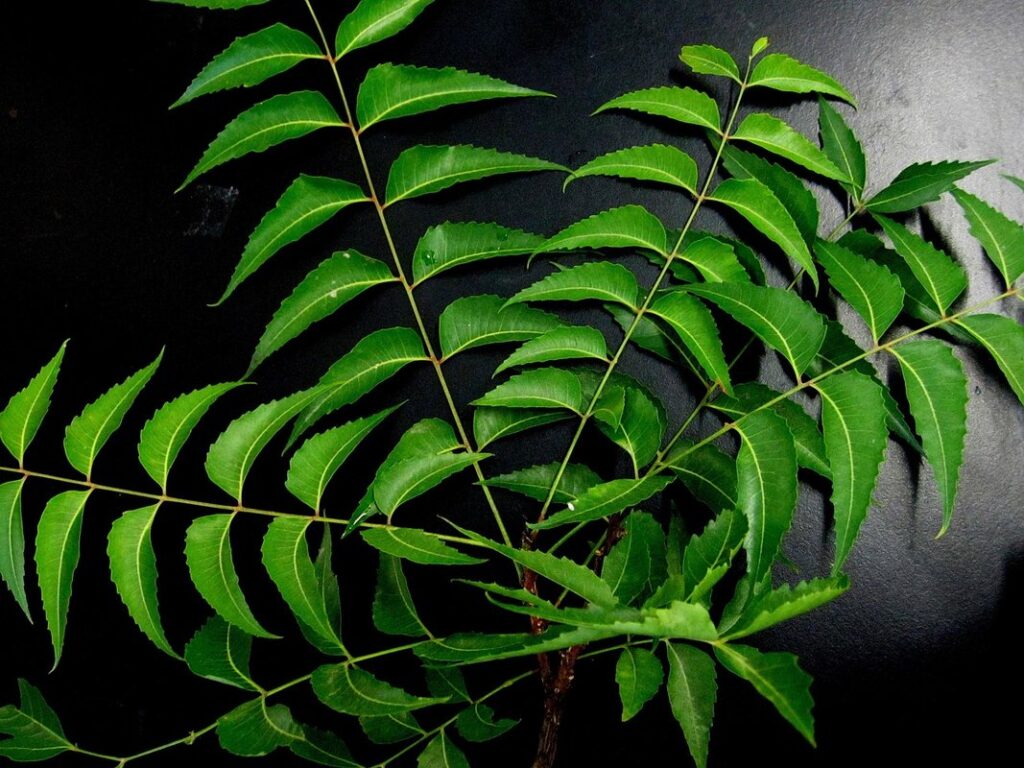
Neem oil is a natural, plant-based substance derived from the seeds of the neem tree (Azadirachta indica). This versatile oil has been used for centuries to control pests and diseases in gardens. So, what makes neem oil so effective?
When applied to plants, neem oil works by interfering with the hormone systems of insects and other pests, preventing them from reproducing and eventually leading to their death. It also acts as a repellent, discouraging pests from feeding on treated plants. This multi-faceted approach not only controls existing infestations but also prevents new ones from emerging.
For gardeners, using neem oil offers several benefits. It’s an eco-friendly alternative to chemical pesticides, which can harm beneficial insects and pollinators. Neem oil is also biodegradable, making it a safer choice for the environment. Moreover, its long-lasting effects reduce the need for repeated applications, saving you time and effort.
When choosing neem oil products, look for ones that are at least 100% cold-pressed, as this ensures maximum potency and effectiveness. Always follow the recommended application rates to avoid harming your plants.
The Importance of Choosing the Right Neem Oil Product
When it comes to using neem oil for tomato plants, choosing the right product is crucial for optimal results. With various types of neem oil products available on the market, selecting one can be overwhelming. Let’s break down the different types of neem oil products and what you should consider when making your selection.
Cold-pressed neem oil is considered the most potent form, as it retains its natural properties without any chemical processing. On the other hand, solvent-extracted neem oil may contain additives or chemicals that can affect plant health. Look for products labeled “neem extract” or “azadirachtin,” which indicate a high concentration of neem’s active ingredient.
When purchasing neem oil, consider the concentration of azadirachtin (the key compound in neem oil) and choose a product with at least 0.2% to 1.5% content for effective pest control. Also, opt for products that are certified organic or OMRI-listed to ensure they meet quality standards. Always read labels carefully and follow the manufacturer’s instructions for use to ensure you’re using neem oil safely and effectively in your tomato garden.
Pre-Spray Considerations: Soil Preparation and Weather Conditions
Before applying neem oil spray, it’s essential to prepare your soil for optimal absorption and consider current weather conditions that may impact its effectiveness. This is crucial for a successful application.
Preparing Your Soil for Neem Oil Spray Application
Before applying neem oil spray to your tomato plants, it’s crucial to prepare the soil for optimal absorption. Neem oil works best when applied to a well-nourished and balanced soil ecosystem. Start by checking your soil pH level. Tomatoes prefer a slightly acidic to neutral soil pH, ranging from 6.0 to 7.0.
If your soil pH is too high or too low, amend it with organic matter like compost or manure to adjust the acidity. This will not only improve neem oil absorption but also promote overall plant growth.
Nutrient needs are another essential aspect of soil preparation. Tomatoes require a balanced diet of nitrogen (N), phosphorus (P), and potassium (K) for optimal health. Neem oil can exacerbate nutrient deficiencies, so ensure your tomato plants receive adequate nutrients through regular fertilization or compost tea applications.
To prepare the soil for neem oil absorption, add 2-3 inches of organic mulch like straw or wood chips around the base of each plant. This will improve soil structure and fertility while retaining moisture and suppressing weeds. By optimizing soil pH and nutrient levels, you’ll set your tomato plants up for success with their upcoming neem oil treatment.
Factors Affecting Neem Oil Efficacy in Different Weather Conditions
When using neem oil on tomatoes, it’s essential to consider the impact of weather conditions on its effectiveness. Temperature plays a crucial role, as neem oil works best between 60°F and 80°F (15°C and 27°C). Above or below this range, its potency may decrease.
Humidity levels also affect neem oil performance. In high humidity environments, the oil’s active compounds can break down more quickly, reducing its efficacy. Conversely, low humidity can hinder the oil’s ability to spread evenly on leaf surfaces.
Wind is another critical factor to consider. Strong winds can disrupt the neem oil’s distribution, allowing pests and diseases to thrive. It’s best to apply neem oil during calm or gentle wind conditions.
Rainfall can also impact neem oil effectiveness. While rain can help wash away debris, it can also dilute the oil’s potency. Apply neem oil at least 24 hours before a predicted rain shower for optimal results.
Timing Your Neem Oil Spray Application: General Guidelines
To get the most out of your neem oil spray, it’s essential to apply it at the right time. This section outlines general guidelines for timing your sprays effectively.
Early Season Applications for Pest Prevention
When it comes to preventing pest infestations on your tomato plants, early season applications of neem oil are crucial. As a gardener, you want to give your plants the best chance at a healthy start before pests can take hold.
For optimal results, apply neem oil 7-10 days after transplanting seedlings into larger containers or directly into the garden bed. This timing allows young plants to establish themselves while still being vulnerable to pests. If you’re planting tomatoes from seeds, wait until they have two sets of true leaves before spraying with neem oil.
During this early stage, focus on controlling common tomato pests like aphids, whiteflies, and spider mites. Mix 2-3 tablespoons of neem oil with 1 gallon of water and spray the solution thoroughly, making sure to cover all surfaces of the plants, including undersides of leaves where pests often hide.
Regularly inspect your plants for signs of infestation, and repeat applications as needed to maintain a pest-free environment. By incorporating neem oil into your early season routine, you’ll be setting yourself up for success in maintaining a healthy, thriving tomato crop all season long.
Targeting Specific Pests with Timely Sprays
When it comes to protecting your tomato plants from pests, timing is everything. By understanding the life cycles of common garden pests and applying neem oil at strategic intervals, you can maximize its effectiveness and keep your plants healthy.
For example, the hornworm caterpillar’s most vulnerable stage is during the first three days after hatching. If you catch them during this window, a single application of neem oil can prevent infestations. Similarly, aphids are highly susceptible to neem oil when they’re in their nymph stage (typically 2-3 weeks after birth). Spray your plants with neem oil every 7-10 days to ensure these pesky critters don’t get established.
It’s also essential to consider the tomato plant’s growth stages. For instance, neem oil can be particularly effective when applied during the flowering and fruiting stages, as it helps control pests like whiteflies and spider mites that target ripe tomatoes. By timing your sprays according to the pest’s life cycle and the plant’s growth stage, you’ll get the most out of your neem oil application and enjoy a healthier garden.
Timing Your Neem Oil Spray Application: Plant-Specific Considerations
When using neem oil spray on your tomatoes, it’s essential to consider the specific growth stage and requirements of each variety, as this impacts application timing.
Different tomato plants have unique needs when it comes to neem oil spray applications, from seedlings to mature fruiting plants.
Fruiting Vegetables (Tomatoes, Peppers, Cucumbers)
When it comes to fruiting vegetables like tomatoes, peppers, and cucumbers, their pest control needs are quite unique. These plants are more susceptible to pests that target their fruiting bodies, which can lead to significant yield losses if not addressed promptly.
For optimal neem oil spray timing, consider the life cycle of these vegetables. Tomatoes, for instance, start producing flowers around 30-40 days after transplanting, and peak production occurs about 60-90 days later. This is when they’re most vulnerable to pests like hornworms, aphids, and whiteflies. Pepper plants tend to produce their first fruit around 70-80 days after sowing, while cucumbers take slightly longer.
To maximize the effectiveness of your neem oil spray application for these vegetables, target areas where pest pressure is highest. Inspect your plants regularly and apply neem oil at the first sign of infestation. Keep in mind that excessive use can lead to pesticide buildup in soil and waterways; always follow label instructions and consider integrated pest management strategies whenever possible.
When applying neem oil spray on these vegetables, ensure proper coverage by spraying in the early morning or late evening when plants are less stressed. This will help prevent potential damage from direct sunlight.
Leafy Greens and Other Brassicas (Lettuce, Kale, Broccoli)
When it comes to leafy greens and other brassicas like lettuce, kale, and broccoli, these plants are susceptible to a range of common pests that can quickly get out of hand if left unchecked. Aphids, whiteflies, and spider mites are just a few examples of the unwanted visitors that can infest your crops.
When it comes to timing your neem oil spray application for these plants, it’s essential to keep in mind their growth stages and development. Young seedlings are particularly vulnerable to pests, so a preventative treatment at this stage can be beneficial. Apply neem oil when the plants have 2-3 sets of leaves, usually around 7-10 days after sowing.
For more established plants, focus on integrated pest management (IPM) strategies that combine neem oil with other control methods like hand-picking and removing weeds. Regularly inspect your crops for signs of pests and take action before infestations become severe. By keeping a close eye on your leafy greens and brassicas and combining neem oil with other management techniques, you can protect these valuable crops from common pests and ensure a healthy harvest.
Timing Your Neem Oil Spray Application: Safety Precautions and Considerations
When using neem oil spray on your tomatoes, timing is everything – we’ll cover essential safety precautions to avoid harming your plants or yourself in this crucial application process. Always err on the side of caution when working with neem oil.
Ensuring Safe Handling and Disposal of Neem Oil
When working with neem oil, it’s essential to prioritize safe handling and disposal practices. This is especially crucial when spraying neem oil on tomatoes as part of an integrated pest management (IPM) strategy.
To prevent skin contact, always wear personal protective equipment (PPE) such as long-sleeved shirts, pants, gloves, and closed-toe shoes. When applying neem oil spray, avoid inhaling the mist by either spraying when wind is minimal or standing upwind of your garden. If you do need to breathe in a cloud of neem oil fumes, use a dust mask rated for organic chemicals.
Proper storage involves keeping neem oil away from direct sunlight and heat sources. This can be as simple as storing the bottle in a shaded area of your shed or garage. Always keep the original label intact, even after you’ve used the entire container. This ensures that future users know how to handle it safely, reducing potential exposure risks.
Keep in mind that neem oil is relatively non-toxic but still irritating to skin and eyes upon prolonged contact. Wash your hands thoroughly with soap and water if you accidentally get it on your skin.
Addressing Potential Plant Damage or Sensitivity Issues
When applying neem oil to protect your tomatoes from pests and diseases, it’s essential to be aware of potential plant damage risks. Some plants may be more sensitive to neem oil than others, so identifying these risks will help you adjust the application timing accordingly.
Be mindful that young or delicate seedlings might not be able to handle the potency of neem oil. If you’re applying neem oil for the first time, start with a lower concentration (1-2%) and monitor your plants’ reactions before increasing the strength. This approach will help prevent any potential damage.
Consider factors like plant age, health, and previous exposure to neem oil when deciding on application timing. For example, if you’re dealing with a sensitive variety or young seedlings, it’s best to spray at night or during periods of high humidity to minimize stress.
Monitoring Your Garden’s Response: Adjusting Timing as Needed
Now that you’re familiar with optimal application times, it’s time to observe your garden’s response and make adjustments as needed to ensure healthy tomatoes. Watch for any signs of pest pressure or fungal issues.
Observing Pest Populations and Neem Oil Efficacy
Monitoring pest populations and neem oil efficacy is crucial to optimize the timing of your tomato neem oil spray application. Start by regularly inspecting your plants for signs of pests, such as whiteflies, aphids, or hornworms. Use a magnifying glass or hand lens to get up close and personal with the plant’s surface. Note down the types of pests present and their numbers.
Next, assess the effectiveness of the neem oil spray by looking for improvements in pest population control over time. If you’ve noticed that the neem oil is not providing adequate protection against certain pests, consider adjusting your application timing or switching to a different product. Keep track of weather conditions, as extreme temperatures or rainfall can impact neem oil efficacy.
To get the most out of your neem oil spray, apply it when plants are under moderate stress, such as during hot summer days or periods of rapid growth. Also, pay attention to plant stages: spray seedlings and young fruiting plants more frequently than mature ones. By monitoring pest populations and adjusting application timing accordingly, you can significantly improve the health and productivity of your tomato garden.
Fine-Tuning Your Neem Oil Spray Schedule for Optimal Results
Fine-tuning your neem oil spray schedule requires ongoing monitoring and adjustments to ensure optimal results. As you observe your tomato plants’ responses to the spray, you’ll need to make adjustments to achieve the best balance between pest control and plant health.
Start by keeping a close eye on the plant’s reaction to the initial spray applications. Note the timing of any visible effects, such as reduced aphid populations or signs of stress. This data will help you refine your schedule for future sprays. Consider factors like weather conditions, temperature fluctuations, and nutrient availability when assessing the plant’s response.
For instance, if you notice that your tomato plants are sensitive to high temperatures, you may need to reschedule your neem oil applications for cooler morning or evening hours. Similarly, if the plant appears more prone to pest pressure during a particular growth stage, adjust your spray schedule accordingly.
As you fine-tune your neem oil application timing, also pay attention to any potential side effects. For example, if you notice an increase in fungal diseases after spraying neem oil, it may be necessary to reduce the frequency of applications or adjust the concentration of the solution. By making these adjustments, you can optimize the benefits of neem oil while minimizing its drawbacks.
In addition to observing your plants’ responses, also consider implementing a monitoring system that tracks weather patterns, temperature fluctuations, and other environmental factors. This will enable you to anticipate potential pest pressure and schedule neem oil applications accordingly.
Frequently Asked Questions
Can I use neem oil spray on tomatoes during extreme weather conditions?
Yes, you can still use neem oil spray during extreme weather conditions like intense heat or heavy rainfall. However, it’s essential to consider the effectiveness of neem oil in such conditions and adjust your application schedule accordingly. For example, if it’s extremely hot, apply neem oil in the early morning or evening when temperatures are lower.
How often can I reapply neem oil spray on tomato plants?
The frequency of reapplying neem oil spray depends on various factors like pest pressure, weather conditions, and plant growth stage. As a general rule, you can reapply neem oil every 7-10 days during peak growing seasons or when pests are present.
What should I do if my tomatoes show sensitivity to neem oil?
If your tomatoes show signs of sensitivity or damage after using neem oil spray, discontinue use and consider alternative pest control methods. Before resuming neem oil applications, ensure you’re using a suitable product for your specific plant type and following the recommended application guidelines.
Can I mix neem oil with other pesticides or fertilizers?
It’s generally not recommended to mix neem oil with other pesticides or fertilizers, as this can affect its efficacy or even harm your plants. Stick to the recommended usage rates and intervals for each product, and consider consulting a gardening expert if you’re unsure about combining different chemicals.
How long does it take to see results from using neem oil spray on tomatoes?
The time it takes to see results from using neem oil spray on tomatoes can vary depending on factors like pest pressure, plant health, and application frequency. Typically, you can expect to notice a reduction in pests within 3-7 days after the first application, with more pronounced effects occurring over several weeks of consistent use.