
Growing your own tomatoes can be a thrilling experience, but have you ever wondered how to get them to produce more fruit? One crucial step that often goes unnoticed is hand pollination. This simple yet effective technique can make all the difference in increasing yields and improving fruit set for a successful harvest. But what exactly is tomato hand pollination, and how do you do it? Don’t worry if you’re new to gardening; with our easy-to-follow guide, you’ll learn everything you need to know about manually pollinating your tomatoes. In this step-by-step tutorial, we’ll walk you through the process of identifying when pollination is necessary, using the right tools, and applying gentle yet effective techniques for optimal results.
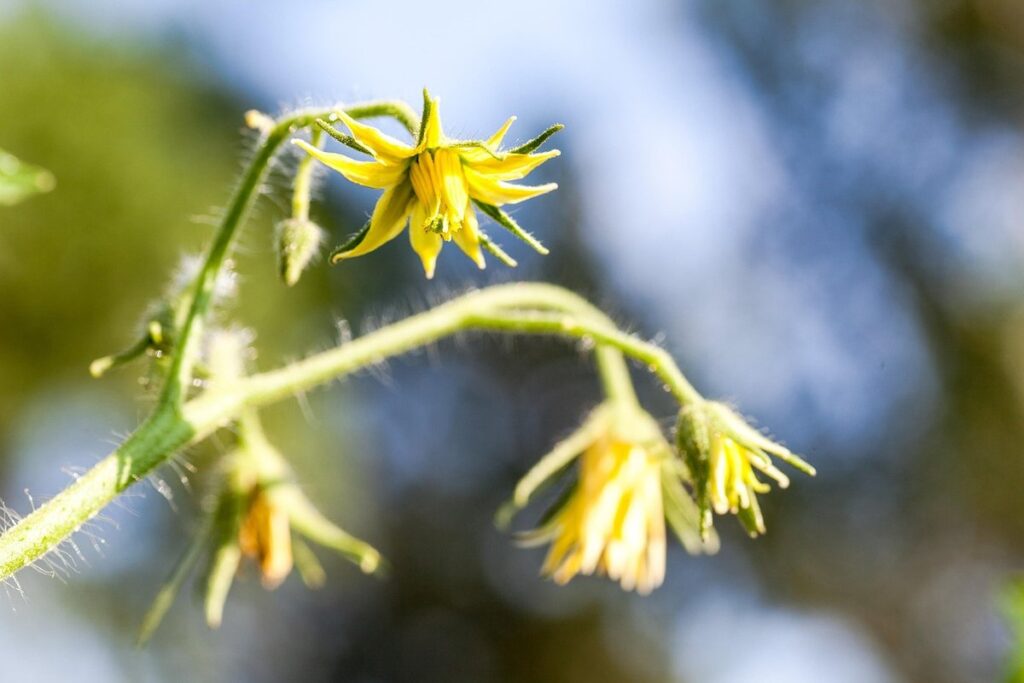
Understanding the Importance of Hand Pollination
Hand pollination is crucial for tomato plants, especially when it comes to increasing their chances of producing fruit. Let’s dive into why hand pollination matters for your tomato crop.
Benefits of Hand Pollination for Tomatoes
Hand pollination for tomatoes offers numerous benefits that can significantly impact the health and productivity of your plants. By manually transferring pollen from one flower to another, you can increase yields by up to 20% compared to standard fertilization methods.
One key advantage is improved fruit set – when properly pollinated, tomato plants are more likely to produce a bountiful harvest of high-quality fruits. This increased success rate is particularly beneficial for gardeners who struggle with poor pollination due to weather conditions or plant placement.
Another significant benefit of hand pollination is reduced pest pressure. By directly controlling the pollination process, you minimize the risk of pests and diseases that can spread through pollen transfer. This proactive approach allows you to maintain a healthier crop and reduce the need for pesticides.
Regular hand pollination also encourages plants to focus their energy on fruit growth rather than seed production, resulting in larger, more flavorful fruits. With consistent practice, you’ll find that your tomato harvests become more reliable and rewarding.
Why Some Growers Need to Use Hand Pollination
Some tomato growers may need to rely on hand pollination due to various factors that prevent natural pollinators from doing their job effectively. If you live in an area with a lack of bees or other pollinators, hand pollination can be a lifesaver for your tomato crop.
Poor weather conditions, such as heavy rain, strong winds, or extreme temperatures, can also disrupt the ability of bees and other pollinators to visit flowers. In these situations, hand pollination allows you to manually transfer pollen from one plant to another, ensuring that your tomatoes receive the necessary pollination.
Certain tomato varieties are bred for their high yield and disease resistance but may not be as attractive to pollinators. These types of plants require additional assistance through hand pollination. For example, some cherry tomatoes and patio tomatoes fall into this category.
Preparing for Hand Pollination
Before you begin hand pollinating your tomatoes, it’s essential to ensure your plants are healthy and prepared for the process. Let’s get started on the preparations!
Choosing the Right Time for Hand Pollination
Determining the right time for hand pollination is crucial to ensure successful fertilization of your tomato flowers. To do this, you’ll need to observe the flower stage and plant development closely. Start by examining the flowers on your tomato plants. You’re looking for the perfect combination: the pollen-containing anthers have begun to release their pollen, and the stigma, which receives the pollen, is receptive.
Typically, this occurs when the flower has reached its full bloom size, but hasn’t yet started to wilt. If you observe that the petals are slightly droopy or the color has begun to fade, it’s likely too late for hand pollination at that particular flower. To determine the optimal timing, check your plants daily during peak flowering periods.
As a general rule of thumb, hand pollinate in the morning when flowers are most receptive and the anthers have released their pollen overnight. This ensures maximum chances of successful fertilization. Remember to use the fine hairs on the underside of the flower’s stem or the tip of a small brush to gently collect pollen from one flower and transfer it to another.
Selecting the Correct Tools for Hand Pollination
When it comes to hand pollinating tomatoes, having the right tools is crucial for success. You’ll want to gather a few simple yet essential items that will help you transfer pollen effectively and efficiently.
A small, soft-bristled brush or a cotton swab are excellent choices for this task. The brush should have synthetic bristles, as natural fibers can leave behind debris and harm the plant’s delicate reproductive structures. A cotton swab is another good option, providing a gentle yet precise way to collect pollen from the anther.
You’ll also need a clean, dry surface or container to hold your chosen tool when not in use. This will prevent any accidental transfer of pollen or contamination with external substances. When selecting tools, consider their durability and resistance to dust and moisture, as these can affect their performance over time.
To maximize efficiency, choose a tool that is easy to maneuver and allows for precise control. For example, a small, flexible brush may be better suited for tight spaces within the flower, while a cotton swab might be more effective when working with larger blooms.
The Hand Pollination Process
Now that you understand how tomato plants produce flowers, let’s dive into the step-by-step hand pollination process to help your plant set fruit. This crucial stage is where patience and finesse come into play.
Step 1: Identifying Female Flowers Ready for Pollination
Identifying female flowers that are ready for pollination is a crucial step in the hand pollination process. As you inspect your tomato plant, look for flowers with a small, rounded shape and a slight drooping appearance at the tip. These are the female flowers, also known as the “receptacles,” which contain the ovules where pollen will germinate.
Check for the presence of two green or white ridges running along either side of the flower stem, just below the bloom. These ridges are responsible for supporting the growth of the fruit and indicate that the flower is mature enough to be pollinated. When you gently touch the center of the female flower, you should feel a small, slightly indented depression – this is where the pollen will be deposited.
Inspect your plant regularly to catch these subtle changes in the flowers’ appearance and development. Remember, timing is everything in hand pollination. The ideal time to pollinate is when the stigma (the top part of the female flower) has fully emerged from its covering and appears as a slight protrusion above the anther (the pollen-producing part).
Step 2: Collecting Pollen from Male Flowers
Collecting pollen from male flowers is a delicate process that requires precision and patience. Start by identifying the male flower on your tomato plant, which is typically smaller than the female flower. Gently touch the anther of the male flower to collect a small amount of pollen onto your finger or a clean surface.
To transfer the pollen to the female flower, carefully insert the tip of your finger into the stigma, taking care not to damage either the anther or the stigma. You can also use a small, clean brush to gently pick up the pollen from the male flower and apply it directly to the stigma of the female flower.
It’s essential to handle the flowers with care, as excess pressure or handling can cause the delicate reproductive organs to break. To ensure successful pollination, make sure to collect pollen from multiple male flowers and transfer it to the corresponding number of female flowers on your plant. This will increase the chances of successful fertilization and fruit set.
Step 3: Applying Pollen to Female Flowers
When it’s time to apply pollen to the female flowers, be gentle and precise. Hold the pollen-covered anther in one hand, with the fine, brush-like tip facing downwards. Carefully sweep this tip across the stigma of the receptive flower. This usually occurs 1-2 days after the male flower has reached its peak bloom stage.
It’s essential to apply pollen when the female flower is in its optimal pollination window. Research suggests that hand-pollinated tomato plants experience significantly higher yields than those left to natural pollinators. Timing your application correctly will ensure the highest success rates.
The brush-like tip of the anther should be gently stroked back and forth across the stigma, collecting any loose pollen in the process. This ensures maximum exposure to the receptive cells within the flower. It’s crucial not to apply too much pressure or rub the anther excessively, as this can damage delicate flower parts and reduce pollination effectiveness.
Practice makes perfect – with a little patience and finesse, you’ll become adept at applying pollen to your tomato plants’ female flowers in no time.
Tips for Effective Hand Pollination
To successfully hand pollinate tomatoes, you’ll want to focus on gently transferring pollen from one flower to another at the right stage of bloom. This requires a delicate touch and some insider knowledge.
Managing Weather Conditions During Pollination
When it comes to hand pollinating tomatoes, weather conditions can either be an ally or a nemesis. Heavy rain or high winds can make it challenging to successfully transfer pollen from the male flower to the female flower. To overcome these obstacles, consider the following strategies.
If you’re expecting rain, try to schedule your hand pollination session for early morning or late afternoon when the weather is usually calmer. This will give you a better chance of completing the process without getting wet or dealing with strong winds. If rain is unavoidable, use a waterproof or water-resistant bag to protect your flowers and keep them dry.
For high-wind conditions, find a sheltered location for hand pollination, such as an indoor spot or under a canopy. Avoid attempting to hand pollinate in open fields or areas exposed to harsh winds. You can also use twine or string to gently tie the flowers together, securing them in place and preventing them from getting blown away.
Keep in mind that these conditions may require some flexibility in your hand pollination schedule. Be prepared to reschedule if necessary, as the success of your tomatoes relies on proper pollination.
Reducing Stress on Plants During Hand Pollination
When performing hand pollination on tomatoes, it’s essential to minimize stress on the plant. This not only ensures the plant remains healthy but also encourages optimal fruit set and development. Proper handling is crucial during this process.
Handle the flowers gently to avoid bruising or damaging the delicate reproductive parts. Use a pair of tweezers or a small brush to collect pollen, applying gentle pressure as needed. Avoid touching the anthers directly with your fingers, as oils from human skin can hinder pollination.
Additionally, minimize disruption of the plant’s natural processes by avoiding excessive handling of the plant’s roots and leaves. This can cause unnecessary stress, potentially leading to root damage or other issues that may impact fruit growth.
To further reduce stress, consider performing hand pollination at dawn or early morning when plants are typically at their most receptive stage.
Common Challenges and Troubleshooting
As you begin hand pollinating your tomatoes, you may encounter a few bumps along the way. Don’t worry, we’ve got some common challenges and troubleshooting tips to help you get back on track quickly.
Identifying and Addressing Pollination Issues
As you practice hand pollination with your tomato plants, you may encounter some common issues that can impact the success of this delicate process. One of the most critical concerns is insufficient pollen. This can occur if the anther has not fully matured or if it’s been damaged during the pollination process.
To address this issue, inspect the anther regularly to ensure it’s producing a healthy amount of pollen. If you notice a lack of pollen, consider using a separate plant as a pollen donor or even purchasing pollen from a reputable supplier. Another common problem is poor application technique. To avoid transferring too much or too little pollen, use a small, soft-bristled brush to gently apply the pollen to the stigma.
It’s also essential to pollinate at the right time – typically when both flowers are mature but before they’ve opened fully. Keep in mind that hand pollination should be performed early in the morning when the plant is most receptive to fertilization. With a little patience and practice, you can overcome these challenges and ensure successful tomato hand pollination.
Strategies for Improving Hand Pollination Success Rates
When it comes to hand pollination of tomatoes, success rates can vary depending on several factors. One key aspect to focus on is experimentation with different techniques and timing adjustments. Here are some strategies you can try:
Try experimenting with different pollinator tools, such as cotton swabs or small paintbrushes, to see which one works best for your plants. Some growers find that using a fine-tip brush allows for more precise targeting of the stigma, resulting in higher success rates.
Another crucial factor is timing. Observe your tomato flowers closely and learn their patterns. You’ll often find that some days yield much better pollination results than others. Experiment with pollinating at different times during the day to determine when works best for your specific plants.
Timing adjustments can also involve adjusting the frequency of pollination. Some growers successfully hand-pollinate twice a day, while others prefer once every 2-3 days. It’s essential to experiment and find what works for you and your tomatoes.
Frequently Asked Questions
Can I skip hand pollination if my tomato plants are already producing fruit?
Yes, if your tomato plants are already producing fruit, you can still benefit from hand pollination, especially if the yields are low or inconsistent. However, it’s essential to determine whether the lack of pollination is due to inadequate pollinators or other factors.
What should I do if I accidentally damage a flower while hand pollinating?
If you accidentally damage a flower during hand pollination, gently remove any debris and continue with the pollination process as usual. However, if the damage is extensive or affects the plant’s overall health, consider consulting with a gardening expert for guidance.
Can I use hand pollination on other types of plants besides tomatoes?
Yes, hand pollination can be applied to various plants that require cross-pollination, including peppers, eggplants, and squash. However, research specific pollination techniques and requirements for the particular plant variety you’re working with.
How often should I perform hand pollination on my tomato plants?
The frequency of hand pollination depends on factors like weather conditions, plant health, and pest management. Typically, you’ll need to repeat the process every 2-3 days during peak pollen production or when observing a significant decrease in pollinators’ activity.
What are some signs that my tomato plants might require additional support beyond hand pollination?
Indications of inadequate pollination or overall plant stress include reduced fruit set, uneven growth patterns, and an increase in pest or disease issues. Be aware of these potential warning signs to adjust your care routine accordingly and provide the necessary support for optimal yields.