
As a gardener, you’re probably no stranger to the joys of growing your own tomatoes. But did you know that a well-planned tomato crop rotation plan can take your harvests to the next level? By rotating tomatoes with companion crops and implementing effective pest and disease management strategies, you can improve soil health, reduce disease incidence, and boost yields. This may sound like a lot to tackle, but trust us, it’s worth the effort. A solid tomato crop rotation plan is key to maintaining a thriving garden ecosystem. In this article, we’ll dive into the best strategies for rotating tomatoes with companion crops, managing pests and diseases, and creating a more resilient garden that will reward you with abundant harvests year after year.
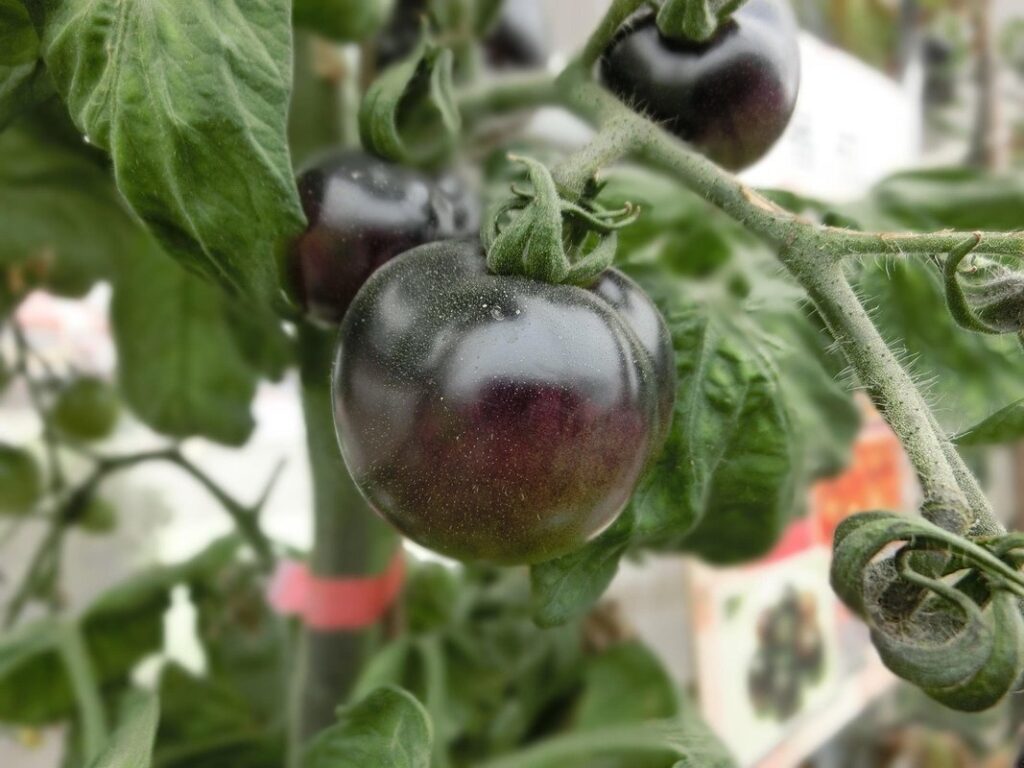
Understanding the Importance of Crop Rotation
Crop rotation is a crucial practice for maintaining soil health and preventing disease, which can devastate your tomato crop if not managed properly. Let’s explore why it matters in our comprehensive plan.
Benefits of Crop Rotation for Tomatoes
When implemented correctly, crop rotation can be a game-changer for tomato growers. By regularly rotating crops on the same land, you’ll not only reduce disease incidence but also improve soil health and boost yields.
One of the primary benefits of crop rotation is its ability to break disease cycles. When tomatoes are grown in the same spot year after year, they become more susceptible to diseases that thrive in those conditions. By changing the crop type, you disrupt this cycle, reducing the risk of disease outbreaks. For example, rotating tomatoes with corn or beans can help break the lifecycle of soilborne pathogens like fusarium wilt.
Crop rotation also promotes healthy soil structure and fertility. Different crops have varying nutrient requirements, which can be beneficial for the subsequent crop. Tomatoes, in particular, benefit from a balanced fertilizer profile that’s often provided by legumes like beans or peas. Additionally, crop rotation allows for improved soil aeration and reduced soil compaction, both of which are essential for tomato growth.
To make the most of crop rotation, choose crops with complementary growing requirements and nutrient profiles. A good starting point is to divide your farm into distinct sections based on soil type and drainage characteristics.
Common Challenges Faced by Tomato Growers Without Crop Rotation
When tomato growers fail to rotate their crops, they often encounter a range of challenges that can have severe consequences for their yields and soil health. One of the primary issues is soil depletion. Tomatoes are heavy feeders, requiring large amounts of nutrients such as nitrogen, phosphorus, and potassium. If left unchecked, these nutrients can quickly become depleted, leading to reduced plant growth and lower fruit production.
Pest and disease buildup is another significant concern when crop rotation is neglected. Tomato diseases like early blight and septoria leaf spot are often exacerbated by the persistence of infected soil microorganisms. Similarly, pests such as nematodes and whiteflies tend to thrive in areas where their food sources remain intact from previous crops. This can lead to an explosion of pest populations, causing widespread damage to tomato plants.
To mitigate these risks, it’s essential for growers to adopt a crop rotation plan that includes non-host crops to break the disease cycle and reduce soil-borne pathogens.
Preparing Your Soil for Tomatoes
To grow a bountiful tomato harvest, you’ll first want to prepare your soil by loosening and enriching it with organic matter like compost. This simple step sets the stage for robust plant growth.
Pre-Crop Preparation: Removing Debris and Residuals
Before planting tomatoes, it’s essential to prepare your fields by removing any debris or residual crops that may impact growth. This step is often overlooked but can significantly affect the health and productivity of your tomato crop.
Start by clearing the field of any leftover debris from previous crops, including weeds, dead plant matter, and broken branches. Use a combination of hand tools and machinery to remove large items, then finish with a thorough raking or cultivating operation to loosen the soil and break up any compacted layers.
Next, inspect your fields for signs of residual crops, such as roots or seeds from previous tomato plants. These can harbor disease pathogens that may spread to your new crop. Use a hoe or cultivator to carefully remove these remnants, taking care not to damage nearby soil structures. Finally, take the opportunity to add organic matter, like compost or well-rotted manure, to improve soil fertility and drainage.
Regular field clearing also helps reduce weed pressure and minimizes the need for herbicides, which can harm your tomato plants and contaminate the soil. By giving your tomatoes a clean slate, you’ll set them up for success from day one.
Adding Organic Matter to Improve Soil Structure and Fertility
When it comes to growing tomatoes, having well-structured and fertile soil is crucial for maximizing yields and reducing disease susceptibility. One of the most effective ways to improve soil health is by incorporating organic matter into your soil. This can be achieved through the use of compost or manure.
Compost, made from decomposed plant materials such as leaves, grass clippings, and food waste, acts as a natural fertilizer that enhances soil structure and fertility. It increases the water-holding capacity of the soil, making it less prone to drought stress. Compost also contains beneficial microbes that promote healthy microbial activity in the soil, reducing the need for synthetic fertilizers.
To incorporate compost into your soil, simply mix 2-4 inches of compost into the top 6-8 inches of the soil before planting tomato seedlings. Alternatively, you can use aged manure from herbivores such as horses or cows, which is rich in nutrients and improves soil structure. By incorporating organic matter into your soil, you’ll be creating a nutrient-rich environment that promotes healthy tomato growth and minimizes the risk of disease outbreaks.
Effective Crop Rotation Strategies for Tomatoes
Effective crop rotation is a crucial step in maintaining healthy tomato plants and maximizing yields. In this section, we’ll explore strategies to rotate your tomatoes successfully.
Rotating with Companion Crops: A Guide to Compatible Plants
When rotating with companion crops, choosing plants that complement tomatoes is crucial. One classic combination is pairing basil with tomatoes. Basil repels pests that target tomatoes, such as whiteflies and aphids, while its fragrance also improves the flavor of nearby tomato plants.
Another beneficial companion crop for tomatoes is marigold. These bright flowers repel nematodes, microscopic worms that can damage tomato roots. They also attract beneficial insects that prey on common tomato pests. Plant marigold around the perimeter of your tomato bed to reap its benefits.
Nasturtiums are a great addition to any tomato rotation plan. Their large leaves and colorful flowers deter aphids, squash bugs, and other pests from reaching tomatoes. As an added bonus, nasturtiums’ growth habits can help shade the soil, reducing moisture loss and preventing weeds from sprouting.
When selecting companion crops for your tomatoes, consider their growing requirements and space needs to ensure a harmonious coexistence. By incorporating these beneficial plants into your rotation plan, you’ll not only reduce disease susceptibility but also create a thriving ecosystem that promotes healthy tomato growth.
Implementing a 3- or 4-Year Crop Rotation Cycle
When planning a crop rotation cycle for your tomato crop, it’s essential to consider several key factors, including soil type, climate, and pest management. A well-planned rotation cycle can help improve soil fertility, reduce disease susceptibility, and promote healthy growth.
To implement a 3- or 4-year crop rotation cycle, start by identifying the different stages of crop growth that you will rotate through in each year. For example, you might dedicate one year to growing tomatoes, followed by a legume crop (such as beans or peas) that fixes nitrogen in the soil. The next year could be allocated for a non-legume crop like squash or corn.
When selecting crops for your rotation cycle, consider the specific needs of each plant and how they will impact your tomato crop. For instance, if you plan to grow tomatoes in the same spot as a legume crop, be sure to leave enough time between rotations to allow the soil to recover from any potential nutrient imbalances or pests that may have been introduced. By carefully planning your rotation cycle, you can create a balanced and sustainable growing environment for your tomato crop.
Managing Pests and Diseases through Crop Rotation
To keep pests and diseases at bay, crop rotation plays a crucial role in maintaining a healthy tomato garden. This approach is essential for long-term productivity and reduced reliance on chemical treatments.
Common Tomato Pests and How Crop Rotation Can Help Control Them
Tomatoes are one of the most widely cultivated crops globally, but they’re also one of the most susceptible to pests. Some common tomato pests include hornworms, aphids, whiteflies, and spider mites. These pests can cause significant damage to your crop, reducing yields and affecting fruit quality.
Hornworms, in particular, are a major concern for tomato farmers. They feed on plant tissues, causing holes in leaves and fruits. To control hornworm populations, incorporate crop rotation into your plan. Planting non-host crops like beans or corn after tomatoes can help break the life cycle of these pests. For example, research shows that planting beans after tomatoes reduced hornworm populations by up to 70%.
Aphids are another common pest affecting tomato plants. They feed on sap, causing curled leaves and stunted growth. Crop rotation can also help control aphid populations. Planting marigold or nasturtium flowers around your tomato patch can attract beneficial insects that prey on aphids.
When implementing crop rotation to control pests, it’s essential to choose non-host crops wisely. Avoid planting crops from the same plant family as tomatoes, such as peppers and eggplants. Instead, opt for diverse crops like beans, corn, or cucumbers. By incorporating crop rotation into your tomato cultivation plan, you can significantly reduce pest damage and promote a healthier crop.
Reducing Disease Incidence Through Crop Selection and Management
Reducing disease incidence is crucial to maintaining healthy tomato crops. When selecting varieties for your rotation plan, choose those with built-in resistance to common diseases such as fusarium wilt and bacterial spot. These resistant varieties can significantly reduce the need for fungicides and other chemical treatments.
Good sanitation practices also play a vital role in reducing disease incidence. This includes removing any infected plants or debris from the field, disinfecting equipment and tools regularly, and implementing crop rotation plans that avoid planting susceptible crops in areas where diseases have been known to occur. By adopting these strategies, you can minimize the risk of disease transmission and create a healthier environment for your tomato crops.
Consider using the “4Rs” approach: right crop, right place, right time, and right rate, when implementing your rotation plan. This involves selecting the right variety of tomato for the specific conditions in your field, planting them at the optimal time, and applying fungicides or other treatments judiciously to minimize environmental impact. By combining these strategies, you can reduce disease incidence and create a more sustainable crop rotation plan.
Monitoring and Adjusting Your Crop Rotation Plan
As you implement your tomato crop rotation plan, it’s essential to regularly monitor its effectiveness and make adjustments as needed to ensure optimal yields and disease resistance. This means staying vigilant for signs of stress or pest issues.
Regular Soil Testing to Monitor Nutrient Levels and pH
Regular soil testing is an essential component of maintaining a healthy tomato crop rotation plan. By regularly monitoring your soil’s nutrient levels and pH, you can ensure that your crops are receiving the necessary nutrients to thrive. This is particularly important for tomatoes, which require a balanced diet of nitrogen, phosphorus, and potassium to produce high yields.
Without regular testing, it’s easy to become complacent with the assumption that your soil is healthy simply because the previous crop seemed to grow well. However, this can lead to nutrient deficiencies and pH imbalances that may not be immediately apparent until it’s too late.
To get started with regular soil testing, begin by taking a sample from the area where you plan to plant tomatoes. Collect multiple samples from different areas of your field to account for any variations in soil conditions. Then, send these samples to a reputable laboratory for analysis. Based on the results, make necessary adjustments to your crop rotation plan, such as adding organic amendments or adjusting the pH levels.
By incorporating regular soil testing into your crop rotation plan, you’ll be able to catch potential issues before they become major problems and ensure that your tomatoes receive the nutrients they need to produce optimal yields and remain disease-resistant.
Adjusting Your Crop Rotation Plan Based on Seasonal Variations
As you implement your tomato crop rotation plan, it’s essential to be flexible and adapt to seasonal variations. Temperature and precipitation fluctuations can significantly impact soil health, nutrient availability, and pest/disease pressure. To adjust your crop rotation plan accordingly:
* Monitor local weather forecasts and adjust planting dates or varieties that are more resilient to extreme temperatures.
* Be prepared for changes in rainfall patterns by incorporating cover crops or drought-tolerant plants to improve soil structure and reduce erosion.
* Consider rotating tomato crops with legumes, such as beans or peas, which can help replenish nitrogen levels in the soil during periods of high water demand.
For example, if you’re experiencing a dry spell, consider planting heat-tolerant cherry tomatoes that require less water. Conversely, if you’re facing a cool and wet spring, delay planting indeterminate varieties until the soil has warmed up to prevent disease susceptibility. By acknowledging seasonal variations and adapting your crop rotation plan, you can minimize risks and maximize yields while maintaining a healthy tomato crop.
Frequently Asked Questions
How can I determine the best crop rotation cycle for my garden?
The ideal crop rotation cycle will depend on your specific climate, soil type, and gardening goals. Consider factors like growing seasons, weather patterns, and pest/disease pressure when selecting a 3- or 4-year cycle that suits your needs.
What are some common mistakes I should avoid when implementing a tomato crop rotation plan?
Some common pitfalls include failing to remove debris and residuals before planting new crops, neglecting to rotate with companion plants, and not regularly monitoring soil health. Be mindful of these potential mistakes and take steps to mitigate their impact on your garden’s productivity.
Can I rotate tomatoes with other nightshades like peppers or eggplants?
While it may be tempting to grow similar crops together, rotating tomatoes with other nightshades can exacerbate pest and disease issues. Instead, choose companion plants that complement tomatoes in terms of growth habits, nutrient uptake, and pest-repellent properties.
How often should I conduct soil tests as part of my crop rotation plan?
Regular soil testing is essential to maintaining healthy soil conditions. Aim to test your soil every 6-12 months, taking note of nutrient levels, pH, and microbial activity. Adjust your crop rotation plan accordingly based on these results.
Can I implement a crop rotation plan without having prior experience with companion planting?
Yes! While knowledge of compatible plants can be beneficial, it’s not necessary to start implementing a crop rotation plan right away. Begin by identifying areas for improvement in your existing garden, and then research and experiment with different crops and strategies over time.