
Are you tired of relying on chemical pesticides and fertilizers to keep your garden healthy? Do you want to create a more sustainable and resilient growing environment? Look no further than tomato cover crops. These versatile plants offer a multitude of benefits for soil health, pest control, and biodiversity in your garden. By incorporating tomato cover crops into your rotation, you can reduce the need for external inputs while promoting a balanced ecosystem. In this article, we’ll delve into the advantages of growing tomato cover crops, explore different types and planting techniques, and provide practical tips to get you started on improving your soil’s health. Whether you’re a seasoned gardener or just starting out, discover how tomato cover crops can revolutionize your gardening practice.
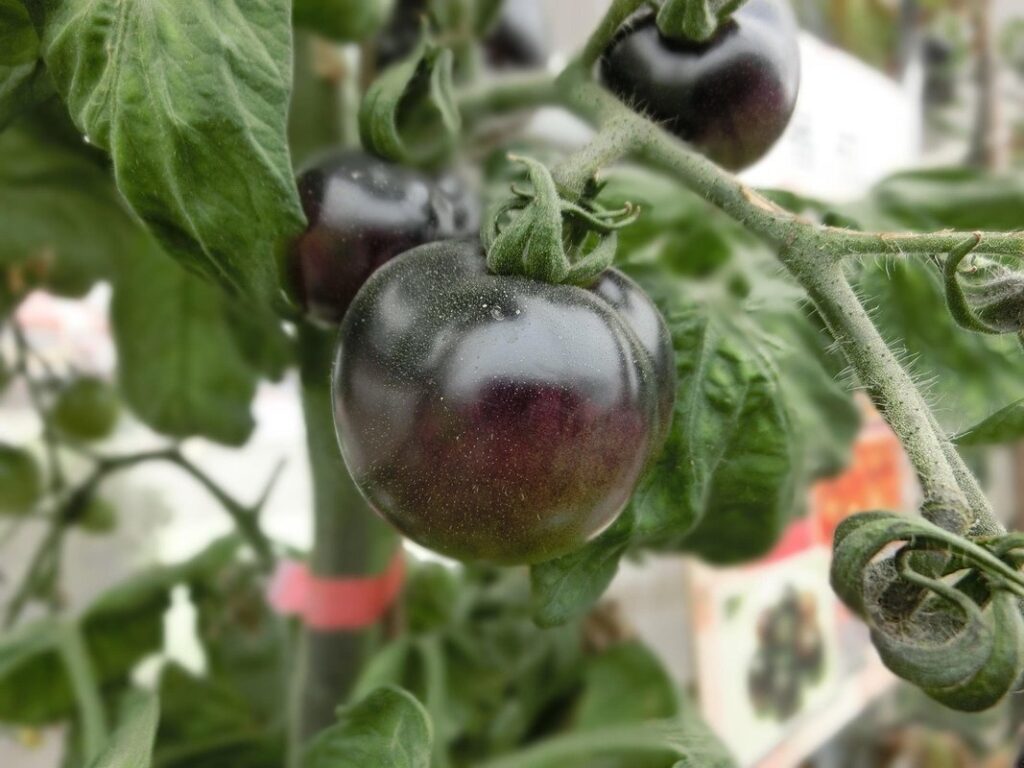
What Are Tomato Cover Crops and Why Do You Need Them?
Let’s start by explaining what tomato cover crops are and why they’re a game-changer for your garden, improving soil health and crop yields. In this section, we’ll break down their benefits and uses.
Definition and Purpose of Tomato Cover Crops
At its core, a tomato cover crop is a type of plant that’s intentionally grown between crops to protect and enrich the soil. Unlike traditional cover crops like clover or rye, which are typically sown after the main crop has been harvested, tomato cover crops are actually planted alongside tomatoes in the same bed.
This unique approach serves several purposes. Firstly, it helps to suppress weeds by shading out any unwanted growth and preventing them from germinating in the first place. This reduces the need for herbicides and manual weeding, making your garden maintenance tasks more manageable. Additionally, tomato cover crops act as a living mulch, retaining moisture and regulating soil temperature.
By using tomato cover crops, you can also increase the overall biodiversity of your garden. These plants attract beneficial insects like bees and butterflies, which pollinate your tomatoes and other nearby flowers. Furthermore, some varieties of tomato cover crops, such as cherry tomatoes or patio tomatoes, are specifically bred for their ability to produce fruit throughout the growing season, providing a secondary harvest opportunity.
Types of Tomato Cover Crops: Choosing the Right One for Your Garden
When selecting a tomato cover crop for your garden, you have several options to consider. The primary distinction between varieties lies in their growth habits: determinate and indeterminate.
Determinate tomatoes are compact, bushy plants that produce a single harvest of fruit at once. They’re ideal for small gardens or containers where space is limited. For instance, ‘Patio’ and ‘Tiny Tim’ are popular determinate varieties that thrive in confined spaces.
Indeterminate tomatoes, on the other hand, are vining plants that continue to grow and produce fruit throughout the season. These varieties require more support and may need pruning to maintain their structure. Examples of indeterminate tomatoes include ‘Better Boy’ and ‘Early Girl’.
Consider your garden’s specific needs when choosing a cover crop variety. If you have limited space or want a quick harvest, determinate tomatoes are a good choice. However, if you’re looking for continuous production and don’t mind providing additional support, indeterminate varieties may be the better option.
Benefits of Using Tomato Cover Crops in Your Garden
When you incorporate tomato cover crops into your garden, one of the most significant advantages is the prevention of soil erosion and nutrient depletion. Let’s explore these benefits further.
Soil Health and Erosion Control
When you plant tomato cover crops in your garden, their benefits extend far beyond providing a fresh crop. One of the most significant advantages of using tomato cover crops is their ability to improve soil health. By adding organic matter to the soil, these crops increase its fertility and structure, making it easier for roots to grow.
As an added benefit, tomato cover crops help retain water in the soil, reducing the need for frequent irrigation. This is particularly useful during periods of drought or water scarcity. To maximize this benefit, make sure to plant a mix of grasses and legumes that have different growth habits and maturation dates. For instance, planting clover and rye together will create a diverse cover crop system that captures moisture more effectively.
Tomato cover crops also reduce soil erosion by holding the soil in place with their extensive root systems. This is especially important for gardeners dealing with soil degradation due to heavy rainfall or poor drainage. By protecting your soil from erosion, you’ll save time and money in the long run, not to mention maintain a healthy ecosystem. To implement this strategy effectively, consider planting tomato cover crops after harvesting your summer vegetables, allowing them to mature before tilling the soil for spring planting.
Pest and Disease Management
When it comes to maintaining a healthy and thriving tomato crop, pest and disease management is crucial. Tomato cover crops play a significant role in this regard by attracting beneficial insects that prey on common pests, such as aphids and whiteflies.
For instance, the blooms of tomato cover crops like ‘Purple Haze’ or ‘Tigerella’ attract pollinators and predatory insects like ladybugs and lacewings, which feed on the pests that target your main crop. This natural form of pest control eliminates the need for chemical pesticides, reducing the risk of environmental contamination.
Tomato cover crops also help reduce fungal growth, a common issue in tomato gardens. By breaking up compacted soil and improving drainage, these cover crops create an environment less conducive to fungal development. Moreover, some tomato varieties have been bred with disease-resistant traits, further minimizing the risk of fungal diseases like septoria leaf spot or early blight.
When incorporating tomato cover crops into your garden, remember to plant them in close proximity to your main crop and allow for sufficient growth time before harvest to ensure maximum benefits.
Biodiversity and Ecological Balance
When you incorporate tomato cover crops into your garden, they offer more than just a nutritious food source for your tomatoes. They can also play a crucial role in maintaining biodiversity and ecological balance.
Tomato cover crops provide essential shelter and food for various wildlife, such as beneficial insects and pollinators like bees and butterflies. By leaving the crop residues intact after harvest or incorporating them into your soil, you’re creating an attractive habitat for these beneficial creatures. This is especially important during periods of low native vegetation growth, when resources are scarce.
Another benefit of tomato cover crops is their ability to promote ecological balance in your garden. They help break disease cycles by providing alternative food sources and habitats for natural predators. For example, if you have a problem with aphids on your tomatoes, introducing beneficial wasps that prey on them can be an effective control method. By planting tomato cover crops nearby, you’re creating an environment where these beneficial insects can thrive.
In addition to supporting pollinators, tomato cover crops can also help suppress weed growth, which in turn reduces the need for herbicides and other chemicals. This leads to a more balanced ecosystem, with fewer pests and diseases.
Planting and Maintaining Tomato Cover Crops: A Step-by-Step Guide
To get started, you’ll want to learn how to plant and maintain tomato cover crops effectively, which requires choosing a suitable location and preparing the soil properly.
Preparing the Soil for Tomato Cover Crop Planting
Before planting tomato cover crops, it’s essential to prepare the soil to ensure they thrive and provide the maximum benefits. Start by removing weeds that can compete with your cover crop for water, nutrients, and light. This is a crucial step as weeds can suppress seed germination and growth.
Next, till the soil to loosen it up to 8-10 inches deep. This will help break down compacted layers, improve drainage, and aerate the soil. You can use a garden fork or a rototiller for this process.
Once you’ve tilled the soil, test its pH level and nutrient content. Tomato cover crops prefer a slightly acidic to neutral soil pH (around 6.0-7.0). Based on your test results, add necessary nutrients like compost, manure, or fertilizer to ensure the soil is rich in nitrogen, phosphorus, and potassium.
Remember, preparing the soil correctly will set the stage for healthy growth, strong roots, and an abundance of beneficial insects that come with tomato cover crops. By investing a bit of time and effort upfront, you’ll be rewarded with improved soil fertility, reduced erosion, and enhanced biodiversity in your garden.
Planting Techniques and Timing
When planting tomato cover crops, it’s essential to get the technique right to ensure successful establishment. Start by choosing a suitable location with well-draining soil and full sun exposure. For optimal growth, sow seeds at a rate of 1-2 ounces per 1000 square feet. This will give you enough plants to form a dense canopy without overcrowding.
For sowing rates, consider the type of tomato cover crop you’re using. Some popular varieties include cherry tomatoes, patio tomatoes, and indeterminate tomatoes. For example, cherry tomatoes can be sown at a rate of 10-15 seeds per square foot, while indeterminate tomatoes should be spaced about 18-24 inches apart.
Timing is also crucial for successful tomato cover crops. Typically, it’s best to plant them in early spring or late summer/early fall, depending on your climate and the specific variety you’re using. This allows the plants to mature before winter or hot summer weather sets in. Be sure to check the seed packet or consult with a local nursery expert for more specific advice tailored to your region and growing conditions.
Challenges and Limitations of Growing Tomato Cover Crops
While tomato cover crops offer numerous benefits, there are also some challenges to consider when deciding whether they’re right for your garden. Let’s explore these potential pitfalls together.
Common Problems and Solutions
Growing tomato cover crops can be a rewarding experience, but it’s not without its challenges. One common issue gardeners may encounter is poor germination rates. This can be due to several factors, including inadequate soil temperature, insufficient moisture, or poor seed quality.
To overcome this challenge, ensure that you sow the seeds at the right time for your climate and when the soil has reached a suitable temperature. Keep the soil consistently moist during the first few weeks after sowing, but avoid overwatering which can lead to rot. Also, choose high-quality seeds from reputable suppliers.
Another issue gardeners may face is pest infestations. Tomatoes are susceptible to pests like hornworms, aphids, and whiteflies. To manage these pests, adopt an integrated pest management approach that includes techniques such as crop rotation, physical barriers, and introducing beneficial insects into your garden. For example, you can introduce ladybugs or lacewings which prey on aphids and other pests.
Regularly inspect your plants for signs of infestation and take action promptly to prevent the problem from getting out of hand. By being proactive and taking steps to address these common issues, you’ll be well on your way to enjoying a bountiful harvest from your tomato cover crops.
Climate and Weather Considerations
When growing tomato cover crops, climate and weather conditions can significantly impact their success. Extreme temperatures, droughts, and floods are just a few of the challenges you may face.
Tomato plants thrive in warm temperatures between 65°F to 70°F (18°C to 21°C), but even moderate temperature fluctuations can affect their growth. For example, if your area experiences frequent frosts, it’s best to choose a cover crop variety that is more resistant to cold temperatures or plant them in a location with some protection from frost.
Droughts can be another challenge, especially for tomato plants that require consistent moisture levels. To mitigate this risk, make sure to provide adequate water supply during dry spells and mulch around the plants to retain soil moisture. Floods, on the other hand, can lead to root rot and reduced growth. In areas prone to heavy rainfall, consider planting cover crops in raised beds or using a floating row cover to elevate them above the soil surface.
By understanding these climate-related limitations and taking necessary precautions, you can still reap the benefits of growing tomato cover crops despite less-than-ideal weather conditions.
Integrating Tomato Cover Crops into Your Garden Plan
Now that you’ve learned the benefits of using tomato cover crops, let’s dive into how to effectively incorporate them into your garden plan and improve soil health.
Companion Planting Strategies
When it comes to companion planting with tomato cover crops, the possibilities are endless. One of the most effective ways to utilize these beneficial plants is by pairing them with vegetables that benefit from their growth habits and pest-repellent properties.
Take the case of basil and tomatoes – a classic combination that not only enhances flavor but also promotes healthy growth. Planting basil alongside your tomato cover crops can help deter pests like whiteflies, aphids, and spider mites, which often target tomatoes. Basil’s strong scent and oils repel these unwanted visitors, protecting your valuable crop from damage.
Another strategic pairing is using radishes as a trap crop to prevent cucumber beetles from reaching nearby cucumbers or squash. Radishes are highly attractive to these pests, drawing them away from the more vulnerable plants. By planting radish seedlings among your tomato cover crops and companion plants, you’ll enjoy an extra layer of protection against common garden pests.
When selecting companion plants for your tomato cover crop system, consider incorporating marigolds, oregano, or garlic to repel nematodes, fungal diseases, or other pests that might affect nearby vegetables. With a well-planned companion planting strategy in place, you’ll be maximizing the benefits of your tomato cover crops while enjoying a healthier and more productive garden.
Crop Rotation and Succession Planning
When incorporating tomato cover crops into your garden plan, it’s essential to consider crop rotation and succession planning. This ensures that your soil remains healthy, pest buildup is prevented, and continuous garden productivity is maintained.
Crop rotation involves alternating between different types of plants to avoid depleting the soil of specific nutrients. Tomato cover crops can be integrated into this process by planting them after a tomato harvest or before a new crop. For example, planting a legume cover crop like clover or beans after tomatoes will replenish nitrogen in the soil.
Succession planning involves staggering plantings to ensure continuous growth and harvests throughout the growing season. By incorporating tomato cover crops into your succession plan, you can extend the growing season by 2-3 months. This allows for a longer harvest period and reduces waste. To implement this strategy, consider planting multiple cycles of tomato cover crops in rotation with other vegetables or flowers.
Incorporating tomato cover crops into your crop rotation plan will not only improve soil health but also provide additional benefits like pest control and reduced erosion.
Conclusion: Embracing the Benefits of Tomato Cover Crops
Now that we’ve explored the benefits and uses of tomato cover crops, let’s summarize how you can seamlessly integrate them into your garden for optimal results.
Recap of Key Takeaways
As we come to the end of our exploration into the world of tomato cover crops, let’s recap the key takeaways that will help you unlock their benefits for your garden. By incorporating tomato cover crops into your rotation, you’ll be able to improve soil health through their extensive root systems and nutrient-rich biomass.
These beneficial effects can lead to increased biodiversity in your garden as tomato cover crops provide a haven for beneficial insects and microorganisms. The dense foliage of the crop also creates an environment that’s less conducive to pests, reducing the need for chemical pesticides. By adopting this approach, you’ll not only create a more sustainable gardening practice but also enjoy healthier plants with improved yields.
To put these benefits into action, remember to plant tomato cover crops at the end of each growing season and allow them to mature before removing them. This will ensure that your soil is replenished with vital nutrients while minimizing weed competition in the following crop cycle.
Final Thoughts and Recommendations
As you embark on integrating tomato cover crops into your gardening routine, remember that patience and planning are key to reaping their benefits. Choose a variety of tomato cover crop suitable for your climate and growth season, such as ‘Husky Gold’ or ‘Aunt Ruby’s German Green’, which can thrive in cooler temperatures.
When planting, follow the same guidelines as you would for regular tomatoes: sow seeds 1/4 inch deep and 18-24 inches apart. For a more efficient process, use a cover crop drill or seed broadcaster to ensure even distribution. Regular maintenance is crucial; keep your tomato cover crops well-watered but not waterlogged.
To maximize the benefits of these crops, consider incorporating them into your rotation plan alongside other vegetables. This diversity will promote soil health and reduce pests and diseases. Monitor your plants for any signs of disease or nutrient deficiencies, making adjustments as needed to prevent damage. By following these guidelines and adapting to specific growing conditions, you can unlock the full potential of tomato cover crops in your garden.
Frequently Asked Questions
Can I use tomato cover crops with other types of vegetables, not just tomatoes?
Yes, you can definitely experiment with using tomato cover crops alongside a variety of vegetables. This will help to create a diverse and resilient ecosystem. Just ensure that the chosen cover crop is compatible with your primary vegetable crop in terms of growth habits, moisture requirements, and nutrient uptake.
How do I handle pests on my tomato cover crops? Can I use the same pest control methods as for tomatoes?
While tomato cover crops can help reduce pest pressure, some may still attract unwanted insects. Focus on integrated pest management techniques, such as introducing beneficial insects, practicing good gardening hygiene, and using physical barriers to prevent pest damage. Avoid spraying pesticides on your cover crops whenever possible, as this can harm other beneficial organisms.
What if my soil has poor drainage or is prone to waterlogging? Can I still use tomato cover crops?
Yes, even with challenging soil conditions, you can still benefit from using tomato cover crops. For example, some types of cover crops, such as bush tomatoes, are more tolerant of wet soils than others. Consider the specific growing requirements for your chosen cover crop and take steps to improve soil structure and drainage if needed.
Can I grow tomato cover crops in containers or do they require a lot of space?
You can definitely experiment with growing tomato cover crops in containers, especially if you have limited space or want to maximize vertical gardening potential. Just be sure to choose a compact or dwarf variety that’s suitable for container growing and provide adequate support and care.
What if I notice my tomato cover crop is being outcompeted by weeds? How do I control weed growth?
While it’s normal for some weeds to appear among your cover crops, it’s essential to prevent them from taking over. Use a combination of methods such as mulching, hand-weeding, or using targeted herbicides (when necessary) to control weed growth and ensure the success of your tomato cover crop.