
Growing delicious tomatoes in containers can be a challenge, but with the right soil mix, you’ll be on your way to a bountiful harvest. The key to success lies in creating a customized tomato container soil mix that provides the perfect blend of nutrients and drainage for your plants. But what makes a great container soil mix, exactly? It’s not just about throwing some dirt into a pot – it requires careful consideration of factors like container size, soil pH, fertilizer needs, and more.
In this ultimate guide, we’ll take you through everything you need to know to create the perfect tomato container soil mix. We’ll cover the essential components to include, how to balance nutrients, and even share some expert tips for optimizing your results. Whether you’re a seasoned gardener or just starting out with container gardening, this article will equip you with the knowledge to grow juicy, healthy tomatoes all season long.
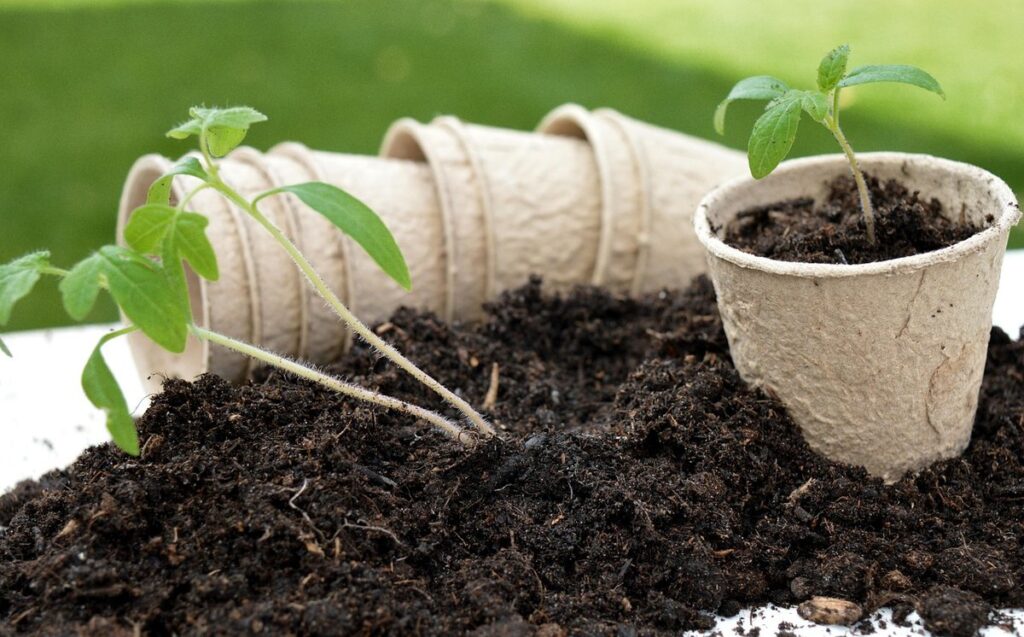
Choosing the Right Container
When it comes to growing tomatoes in containers, selecting the right mix is crucial for optimal growth and flavor. Let’s explore the factors to consider when choosing a container that meets your tomato plant’s needs.
Container Size and Type Considerations
When it comes to growing tomatoes in containers, choosing the right pot size and type is crucial for optimal growth. A container that’s too small can lead to waterlogged soil and root-bound plants, while one that’s too large can cause the soil to dry out too quickly.
Consider a minimum container size of 5-gallons or larger for indeterminate tomato varieties. These plants can grow quite large, so they need room to spread out their roots. For determinate varieties, a smaller pot will suffice, but still make sure it’s at least 3-4 gallons in size.
When choosing the type of container, consider its material and drainage capabilities. Plastic pots are lightweight and easy to move around, but they can dry out quickly due to their high water permeability. Ceramic or clay pots, on the other hand, retain moisture better, but may be heavier and more difficult to handle. Look for containers with built-in drainage holes or add a layer of small rocks at the bottom to prevent waterlogged soil.
In addition to size and material, also consider the pot’s depth. Tomato plants have deep taproots that can reach up to 3 feet in search of nutrients, so choose a container that’s at least 6-8 inches deep to accommodate these roots.
Understanding Container Soil Requirements
When growing tomatoes in containers, it’s essential to understand that container soil has unique requirements compared to garden soil. Unlike garden soil, which can take months or even years to develop its own ecosystem, container soil needs to be specifically designed to meet the needs of tomato plants.
To start, tomato plants prefer a slightly acidic to neutral soil pH, ranging from 6.0 to 7.0. If your container soil is too alkaline, it may limit nutrient uptake and cause deficiencies. Look for a mix with a balanced pH or add a pH adjuster to achieve the ideal range.
In terms of nutrient levels, tomato plants are heavy feeders and require a well-balanced fertilizer blend. A good container soil mix should contain essential macronutrients like nitrogen (N), phosphorus (P), and potassium (K). Aim for a mix with a balanced NPK ratio, such as 10-10-10.
Moisture retention is also crucial in container soils, which can dry out quickly due to their smaller volume. Opt for a mix that contains a water-retentive agent like coconut coir or vermiculite to ensure your tomatoes receive consistent moisture levels throughout the growing season.
Key Ingredients of Tomato Container Mix
When choosing a mix specifically designed for tomatoes, it’s essential to know the key ingredients that make up a high-quality container soil. These include vital nutrients and additives.
Organic Matter: The Foundation of a Healthy Soil Mix
Organic matter is the foundation of a healthy soil mix, and it’s essential to get it right when growing tomatoes in containers. This is because organic matter provides nutrients, improves soil structure, and supports beneficial microbial activity – all critical for producing robust and flavorful tomatoes.
When selecting an organic matter additive, consider using compost, peat moss, or coconut coir. Compost breaks down slowly, releasing nutrients over time, while peat moss helps retain moisture and suppress weeds. Coconut coir is another great option, offering a natural, biodegradable alternative to synthetic fertilizers.
To incorporate organic matter into your tomato container mix, start by adding 20-30% of the recommended amount to your potting soil. Mix it well with other ingredients like perlite or vermiculite for better drainage and aeration. As you harvest your tomatoes, consider using their residues (like peels or scraps) as compost tea, which can be added directly to the soil.
By prioritizing organic matter in your tomato container mix, you’ll be setting the stage for optimal plant growth, disease resistance, and yields.
Fertilizers and Nutrients for Optimal Growth
When it comes to creating an optimal tomato container mix, fertilizers and nutrients play a crucial role in supporting the plant’s growth. A well-balanced fertilizer will provide essential macronutrients like nitrogen (N), phosphorus (P), and potassium (K), typically represented by their NPK ratios.
For tomatoes, a general rule of thumb is to look for an 18-24-12 or 20-20-20 NPK ratio. This ensures your plants receive adequate nitrogen for leaf growth, phosphorus for fruit development, and potassium for overall plant health. However, some gardeners swear by slow-release fertilizers that provide a steady supply of nutrients over an extended period.
Natural alternatives like compost tea or worm casting can also be effective in providing beneficial microbes to the soil. When using slow-release or natural options, make sure to follow the package instructions and apply at the recommended rates to avoid over-fertilizing your plants. This will help prevent nutrient imbalances and promote healthy growth throughout the season.
Soil pH Management for Tomatoes
Soil pH management is crucial for tomato plants, and getting it right can make all the difference in their health and productivity. In this next part of our guide, we’ll cover how to manage soil pH for optimal tomato growth.
Understanding the Impact of pH on Tomato Plants
When it comes to growing tomatoes in containers, understanding the impact of pH on your plants is crucial for optimal growth and fruit production. Soil pH affects not only the availability of essential nutrients but also the root growth and overall health of your tomato plants.
pH levels between 6.0 and 7.0 are generally considered ideal for tomato growth, as they allow for optimal nutrient uptake and root development. However, if your soil’s pH is too high (above 7.5) or too low (below 5.5), it can lead to nutrient deficiencies and stunted growth. For example, a pH above 8.0 can cause an overabundance of calcium, leading to blossom-end rot, while a pH below 6.0 can result in manganese toxicity.
To maintain a healthy soil pH for your tomato plants, you can use peat moss or elemental sulfur to lower the pH if it’s too high, and lime to raise it if it’s too low. Regular soil testing will help you identify any pH imbalances, allowing you to make necessary adjustments and ensure your tomatoes receive the best possible growing conditions.
Methods for Adjusting Soil pH in Containers
Adjusting soil pH is crucial when growing tomatoes in containers. Since container soils tend to have higher acidity levels due to leaching of nutrients, it’s essential to take corrective measures to ensure optimal growth.
One common method for adjusting soil pH is by adding lime or sulfur. Lime helps increase the pH level by neutralizing acidic compounds, while sulfur does the opposite by reducing pH. However, when using either, it’s crucial not to overdo it as this can lead to nutrient deficiencies.
To give you a better idea of the amounts involved, here are some general guidelines for adding lime or sulfur to your container soil mix: 1-2 pounds of dolomitic limestone per cubic foot can raise pH by 0.5 units, while 1 pound of elemental sulfur can lower it by 1 unit.
Some other considerations include incorporating organic matter like peat moss and compost into the mix to help stabilize pH levels. Regular monitoring of your soil’s pH is also crucial – aim for a range between 6.0-7.0 for optimal tomato growth.
Watering Strategies for Container-Grown Tomatoes
When it comes to growing tomatoes in containers, getting the right amount of water is crucial. Let’s explore some effective watering strategies to help your container tomatoes thrive.
How to Determine the Right Amount of Water for Your Plants
When it comes to watering your container-grown tomatoes, determining the right amount can be a challenge. Over-watering is just as detrimental as under-watering, so it’s essential to get it right. Check for signs of thirst by inserting your finger into the soil up to the first knuckle. If the soil feels dry, it’s time to water. However, if it still feels moist, wait another day or two before checking again.
To avoid over-watering, look out for these warning signs: yellowing leaves, droopy stems, and a soft, mushy texture to the plant. On the other hand, under-watered plants will exhibit wilted leaves, brittle stems, and a dry, cracked soil surface.
Monitor your plant’s water needs based on factors like climate, temperature, and humidity. In hot weather, tomatoes may require more frequent watering, while in cooler conditions, they can go longer between drinks. Aim to provide about 1-2 inches of water per week, either from rainfall or irrigation.
Keep a close eye on your plants’ response to watering, adjusting your schedule as needed. By observing and responding to their signs, you’ll develop a sense of when to water your container-grown tomatoes just right.
Managing Moisture Levels in Tomato Containers
When it comes to growing tomatoes in containers, maintaining optimal moisture levels is crucial for their health and productivity. However, this can be a challenge, especially during hot summer months or when the plants are actively producing fruit.
One effective strategy for managing moisture levels is to use self-watering containers. These containers have a built-in reservoir that holds excess water, which is then drawn up by the plant as needed. This helps to prevent overwatering and ensures that the soil remains consistently moist but not waterlogged.
Another option is to implement a drip irrigation system. This delivers water directly to the roots of the plant, reducing evaporation and runoff, and allowing for precise control over moisture levels. You can also use a combination of both methods – for example, using self-watering containers during periods of high rainfall or dry spells, and switching to drip irrigation during prolonged dry spells.
Remember to check the soil moisture regularly by sticking your finger into it up to the knuckle. If the top 2-3 inches feel dry, it’s time to water. This will help you avoid overwatering, which can lead to root rot and other issues.
Pest and Disease Management in Container Soil
Managing pests and diseases in container soil can be a challenge, but don’t worry, we’ve got you covered with some effective strategies to keep your tomato plants healthy. From identifying common issues to implementing prevention techniques.
Common Pests Affecting Tomatoes in Containers
Tomato plants grown in containers are susceptible to various pests that can cause significant damage and affect yields. Among the most common pests affecting tomatoes in containers are slugs and snails. These slimy creatures feed on plant leaves, stems, and fruit, leaving behind a trail of damage. To control them, use copper tape around the container’s rim or collars made from copper to deter them.
Another common pest is whiteflies, tiny insects that feed on plant sap, causing yellowing leaves and stunted growth. To manage whiteflies, introduce natural predators like ladybugs, lacewings, or parasitic wasps into the container. Regularly inspect plants for whitefly eggs and destroy any infested leaves.
Aphids are also a common problem in container-grown tomatoes. These small, soft-bodied insects feed on plant sap, causing curled or distorted leaves. Use neem oil to control aphid populations or introduce beneficial insects like lacewings or hoverflies that prey on aphids.
Regularly inspect your plants for signs of pests and take action early to prevent infestations from getting out of hand.
Natural Methods for Controlling Pests and Diseases
When it comes to growing tomatoes in containers, it’s not just about creating the perfect soil mix – you also need to consider natural methods for controlling pests and diseases. These microscopic menaces can quickly decimate a crop, but fortunately, there are many effective ways to manage them without reaching for chemical pesticides or fungicides.
One of the most popular natural pest control methods is using neem oil. Derived from the seeds of the neem tree, this oil disrupts insect growth and development, preventing pests like aphids, whiteflies, and spider mites from reproducing. Mix a few drops with water and spray it on your plants to keep these pesky critters at bay.
Another effective way to manage diseases is by introducing beneficial insects into your container garden. These tiny helpers feed on disease-causing pathogens, keeping your tomato plants healthy and thriving. Ladybugs, lacewings, and parasitic wasps are all great additions to a container garden – they’ll help keep pests under control while also pollinating your plants.
To get the most out of these natural methods, make sure to maintain good garden hygiene by removing any infected leaves or debris, providing adequate air circulation, and watering your plants carefully. By incorporating these simple techniques into your tomato-growing routine, you can create a balanced ecosystem that promotes healthy growth and minimizes pest and disease issues.
Frequently Asked Questions
What if I’m short on space, can I still grow tomatoes in a small container?
You can still grow tomatoes in small containers, but be sure to choose a compact or dwarf variety that’s specifically bred for container gardening. These varieties will produce smaller fruit and require less support than larger varieties. Additionally, use a high-quality potting mix that retains moisture but also drains excess water to prevent waterlogged soil.
How often should I check the pH level of my tomato container soil?
It’s recommended to check the pH level of your tomato container soil every 2-3 weeks during peak growing season. This will ensure that the pH level remains within the optimal range (6.0-7.0) for tomatoes. Yes, you can use a DIY soil test kit or send a sample to a lab for analysis.
Can I reuse old potting mix from last year’s tomato plants?
While it might be tempting to save money by reusing old potting mix, it’s generally not recommended. Old potting mixes can harbor diseases and pests that can harm your new plants. Instead, use fresh, high-quality potting mix specifically designed for container gardening.
What if I forget to water my tomatoes one day, will they still survive?
Tomatoes are relatively drought-tolerant, but prolonged neglect can cause damage or even kill the plant. If you forget to water your tomatoes one day, make sure to water them as soon as possible. However, if you’re consistently forgetting to water, consider investing in an automated irrigation system for more reliable watering.
Can I use regular garden soil instead of potting mix?
No, it’s not recommended to use regular garden soil in containers. Garden soils are often too dense and can cause root bound issues, while potting mixes are specifically designed to provide the right balance of nutrients and drainage for container-grown plants.