
Tomato growers know that nothing’s as frustrating as dealing with a crop of perfectly delicious tomatoes marred by unsightly catfacing. This disfiguring disorder can be caused by a range of factors, from environmental stress to nutritional deficiencies and even diseases. Whether you’re a seasoned gardener or just starting out, it’s essential to understand the underlying causes of tomato catfacing to take corrective action. In this article, we’ll delve into the various reasons behind this problem, including how weather conditions, soil quality, and pest/disease pressure can contribute to its development. We’ll also explore management strategies for minimizing catfacing and maximizing yields. By the end of this guide, you’ll be equipped with the knowledge needed to grow healthier, more visually appealing tomatoes that are sure to impress.
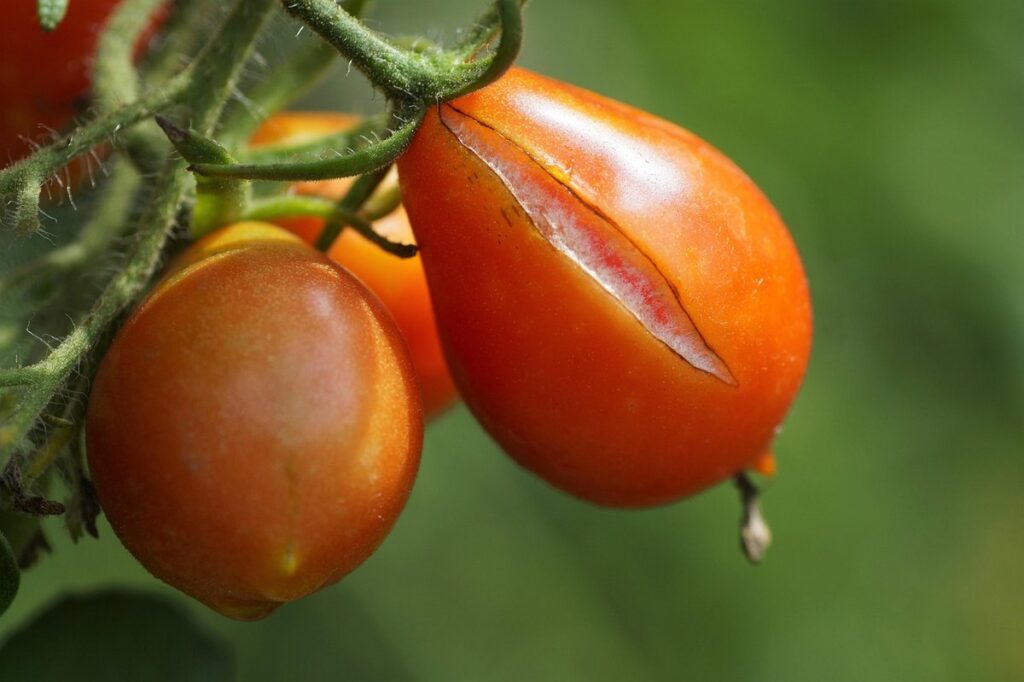
What is Tomato Catfacing?
Let’s dive into what exactly tomato catfacing is, and how it affects your tomatoes’ appearance, causing an unsightly blemish on their surface. This can be a frustrating issue for gardeners.
Definition and History of the Disorder
Tomato catfacing has been a long-standing issue for tomato growers worldwide. The first recorded instances of catfacing date back to the 19th century in Europe and North America. Initially, it was considered a minor defect, but as commercial tomato production grew, so did its impact on yields and marketability.
Catfacing affects not only the aesthetic appeal of tomatoes but also their quality and shelf life. Deformed fruit can be more susceptible to spoilage and may not meet the standards for fresh markets or processing facilities. As a result, catfacing can lead to significant economic losses for farmers and packers. According to a study by the University of California, catfacing can reduce tomato yields by up to 20% and decrease market value by as much as 30%.
Tomato catfacing is often attributed to environmental factors, including temperature fluctuations, moisture stress, and pest infestations. Understanding its history and global impact is essential for developing effective management strategies and breeding programs that focus on producing more resilient and disease-resistant tomato varieties.
Common Symptoms and Appearance
Tomatoes affected by catfacing often display characteristic symptoms and appearance. One of the most noticeable signs is the presence of distorted growths or abnormalities on the surface of the fruit. These growths can appear as small, irregularly-shaped blisters or as larger, more bulbous protrusions.
Affected areas typically include the skin’s epidermal layer, with the growths usually appearing in clusters or patches. In some cases, the entire surface of the tomato may be affected, while in others, only specific regions like the stem-end or blossom-end are impacted.
The severity of catfacing can vary widely depending on factors such as environmental conditions and disease pressure. Generally, mild cases will display small growths that are relatively shallow and don’t significantly affect fruit quality. However, more severe instances can lead to extensive damage, with some tomatoes appearing almost completely deformed.
Keep in mind that while catfacing can be visually unappealing, it doesn’t typically compromise the tomato’s edibility or nutritional value.
Environmental Factors Contributing to Catfacing
Let’s explore how environmental factors play a crucial role in causing catfacing on tomatoes, which can be influenced by temperature fluctuations and soil conditions.
Temperature Fluctuations and Stress
Temperature fluctuations and stress are two interconnected factors that can significantly contribute to catfacing in tomatoes. Sudden changes in temperature can cause the skin of the fruit to stretch and crack, leading to the characteristic “catface” appearance. This is particularly true for young fruits that have not yet developed their full skin strength.
Extreme temperatures, whether high or low, can also induce stress on the plant, making it more susceptible to disease and pests that can further exacerbate catfacing. For instance, a heatwave may cause the plant to produce more ethylene gas, leading to accelerated ripening and increased susceptibility to cracking.
To mitigate this issue, ensure consistent soil temperature by using mulch or black plastic sheets to regulate the soil temperature. Avoid exposing your plants to extreme temperatures during critical growth stages. Regular monitoring of temperature fluctuations can help you take necessary precautions to prevent catfacing. By understanding the relationship between temperature, stress, and catfacing, you’ll be better equipped to provide optimal growing conditions for your tomato crop.
Water Deficiency and Drought Conditions
When tomatoes are water-deficient or experience drought conditions, their cells don’t develop properly. This impairs the plant’s ability to support itself and can lead to catfacing. Water is essential for tomato growth, as it aids in cell division and expansion.
Drought conditions affect a tomato’s skin development, making it more prone to catfacing. When water levels are consistently low, the plant may drop its fruit or experience reduced yields. Stressed tomatoes are often more susceptible to pest damage, which can further exacerbate catfacing issues.
To minimize the risk of catfacing due to drought conditions, ensure your tomato plants receive adequate moisture, especially during critical growth stages. Mulch around the base helps retain soil moisture and regulate temperature fluctuations. Avoid frequent watering practices, as this can lead to overwatering and increased stress on the plant.
Nutritional Deficiencies Linked to Catfacing
Nutritional deficiencies can play a significant role in catfacing, so let’s explore how a lack of essential nutrients can contribute to this issue.
Manganese and Magnesium Deficiency
Manganese and magnesium are two essential micronutrients that play critical roles in plant growth and development. When these nutrients become deficient, they can lead to a range of problems, including catfacing in tomatoes.
Symptoms of manganese deficiency in tomatoes often manifest as distorted or misshapen fruit, particularly on the blossom end. This is because manganese is involved in the regulation of cell wall formation and expansion, which can be disrupted when levels are low. Magnesium, on the other hand, is essential for photosynthesis, chlorophyll production, and overall plant energy metabolism. A deficiency in magnesium can lead to stunted growth, yellowing leaves, and reduced fruit set.
In terms of catfacing specifically, manganese deficiency has been shown to contribute to the condition by disrupting normal cell division and expansion processes. This can result in characteristic “catface” symptoms such as puckered or curled skin on the tomato fruit. To avoid manganese and magnesium deficiencies, growers should focus on providing a balanced diet for their plants through regular soil testing and fertilization.
Other Nutrient Deficiencies (e.g., iron, zinc)
In addition to boron and calcium deficiencies, other nutrient deficiencies can also contribute to catfacing in tomatoes. Iron deficiency, for instance, is a common issue that can cause yellowing leaves and stunted growth. This happens because iron is essential for chlorophyll production, which helps plants convert sunlight into energy. Without sufficient iron, plants may struggle to produce the energy needed for healthy growth.
Zinc deficiency is another key player in catfacing. Zinc plays a critical role in plant hormone regulation, cell division, and protein synthesis. When zinc levels are low, plants may experience stunted growth, reduced fruit set, or even dieback of leaves. To avoid these issues, make sure to incorporate adequate amounts of iron- and zinc-rich fertilizers into your soil.
Some other nutrient deficiencies that can lead to catfacing include magnesium, potassium, and sulfur deficiency. These nutrients are essential for various plant functions, including photosynthesis, water balance, and cell wall development. If you suspect a nutrient deficiency is causing catfacing in your tomatoes, take a closer look at your soil’s pH levels and nutrient composition. Regular soil testing can help identify any deficiencies and guide targeted fertilization.
Practically speaking, here are some actionable tips to ensure optimal nutrient availability:
* Rotate crops to maintain soil health
* Use compost or well-rotted manure to replenish micronutrients
* Choose a balanced fertilizer that includes essential nutrients like NPK (nitrogen-phosphorus-potassium)
* Test your soil regularly for pH levels and nutrient deficiencies
Disease-Related Causes of Catfacing
Tomato catfacing can be caused by various diseases that affect your plants, including fusarium wilt and powdery mildew. Let’s explore these disease-related causes in more detail below.
Fungal Diseases and Bacterial Infections
Fungal diseases and bacterial infections are two of the most common causes of catfacing in tomatoes. These pathogens can cause significant damage to tomato plants, resulting in disfigured fruit with a characteristic “catfaced” appearance.
Some common fungal pathogens that cause catfacing include Botrytis cinerea, Septoria lycopersici, and Alternaria solani. These fungi typically infect the plant through wounds or natural openings, causing lesions on the fruit and leaves. Symptoms of fungal infections can include soft, mushy spots on the skin, white or gray mold growths, and a sour or vinegary odor.
Bacterial pathogens like Pseudomonas syringae and Clavibacter michiganensis can also cause catfacing in tomatoes. These bacteria often enter the plant through water splashing or other environmental factors, causing lesions and discoloration on the fruit. In severe cases, bacterial infections can lead to reduced yields and increased susceptibility to further disease.
To prevent fungal and bacterial diseases from causing catfacing, maintain good air circulation around your tomato plants, remove any infected leaves or fruits, and practice integrated pest management techniques like crop rotation and biological control methods. Regular monitoring of your plants for signs of disease will also help you catch issues early on and take corrective action before they spread.
Viral Infections and Other Microbial Factors
Viral infections and other microbial factors can significantly contribute to catfacing in tomatoes. One of the primary viral culprits is Tomato Spotted Wilt Virus (TSWV). Characterized by its ability to cause significant yield loss, TSWV leads to the development of dark green or yellowish spots on the fruit’s surface. These lesions often turn into necrotic areas, creating an ideal environment for secondary infections to take hold.
Other microbial factors like fungal pathogens can also induce catfacing. Botrytis cinerea, a common fungal agent, produces grayish-brown lesions that may merge to form larger blighted areas on the fruit’s skin. This damage not only makes the fruit unmarketable but also increases its susceptibility to further decay and spoilage.
To mitigate the risk of microbial-related catfacing, it is essential for growers to implement good agricultural practices such as crop rotation, sanitation, and integrated pest management strategies. Regular monitoring of your tomato plants for signs of infection or damage can help you intervene early and prevent the spread of disease-causing pathogens.
Management and Prevention Strategies
Now that we’ve explored the causes of tomato catfacing, let’s dive into some effective management and prevention strategies to help you minimize its impact on your harvest.
Cultural Practices (e.g., pruning, training)
Pruning and training are essential cultural practices that can help prevent catfacing in tomatoes. When plants receive adequate support and air circulation, they’re less likely to develop the curled or folded leaves characteristic of catfacing.
Proper pruning involves removing weak growth, suckers, and water sprouts. This helps direct energy towards fruit production rather than vegetative growth. To prune effectively, remove all but two or three of the weakest branches on the plant, leaving about 6-8 inches of stem intact. Cut just above a bud eye to encourage new growth.
Another effective technique is training the plant using a trellis or stake. This provides support for the fruiting branches and keeps them upright, ensuring even ripening. Regular pruning also allows you to inspect the plant’s internal structure more easily, making it simpler to detect any early signs of catfacing.
Integrated Pest Management (IPM) Approaches
When it comes to managing pests and diseases that cause catfacing on tomatoes, Integrated Pest Management (IPM) approaches are essential for long-term success. IPM is a holistic strategy that considers the entire ecosystem and seeks to minimize harm to people, the environment, and beneficial organisms.
Biological controls are a key component of IPM strategies for catfacing management. These natural methods use living organisms or their byproducts to control pests and diseases. For example, introducing beneficial insects like ladybugs or lacewings can help regulate aphid populations that contribute to catfacing.
Chemical management should only be used as a last resort in IPM approaches. However, when necessary, choose products specifically labeled for use on tomatoes and follow the recommended application rates and timing. Always read and follow the label instructions carefully to minimize risks to human health and the environment.
Remember, a combination of cultural practices like crop rotation, sanitation, and monitoring can also prevent pest buildup and reduce the need for chemical or biological controls. By adopting an IPM approach, you can create a balanced and sustainable growing environment that minimizes catfacing and promotes healthy tomato production.
Conclusion: Combating Tomato Catfacing through Understanding
Now that you’ve learned what causes tomato catfacing, let’s explore how understanding these factors can help you combat this common issue in your garden. With knowledge comes power to grow healthier tomatoes.
Recap of Key Causes and Factors
Let’s recap the key causes and factors that contribute to tomato catfacing. As we’ve explored throughout this comprehensive guide, the causes of tomato catfacing are multifaceted and involve a combination of environmental, genetic, and management-related factors.
At its core, tomato catfacing is primarily caused by fungal diseases such as Septoria leaf spot, Septoria lycopersici, and early blight. These fungi thrive in humid environments with warm temperatures, making them more prevalent in areas with high rainfall or poor air circulation around plants.
However, we’ve also seen that factors like excessive nitrogen fertilizer application, inadequate pruning, and pest infestations can exacerbate the issue by weakening plant defenses against fungal infections.
To effectively combat tomato catfacing, it’s essential to understand these interconnected causes and factors. By implementing integrated management strategies tailored to your specific growing conditions, you can reduce the risk of infection and promote healthy plant growth. This includes regular pruning, balanced fertilization, and timely pest monitoring.
Future Research Directions and Recommendations
To continue making strides in combating tomato catfacing, it’s essential to explore future research directions and recommendations for growers and producers. One potential area of focus is understanding the intricacies of calcium availability within plant tissues. Recent studies suggest that optimizing calcium levels can significantly reduce catfacing severity. However, more research is needed to pinpoint the exact mechanisms by which calcium influences fruit development.
Growers can start taking proactive steps by implementing more frequent soil testing and adjusting their fertilization schedules accordingly. This involves considering factors such as soil pH, nutrient deficiencies, and overall fertility management. By fine-tuning these aspects, producers can create a more conducive environment for optimal plant growth and reduced catfacing incidence.
Furthermore, integrating advanced technologies like precision agriculture and data-driven decision-making tools could revolutionize the way growers approach tomato production. These innovations enable real-time monitoring of soil moisture, temperature, and other critical factors that impact fruit development. By harnessing this power, producers can make informed decisions about optimal planting schedules, irrigation strategies, and pest management practices, ultimately reducing catfacing risks.
Frequently Asked Questions
How can I determine if my tomato catfacing is caused by a nutritional deficiency versus a disease?
To differentiate between the two, monitor your plant’s overall health and observe any signs of stress or infection. Nutritional deficiencies often result in slower growth rates, yellowing leaves, or stunted development, while diseases may cause more rapid deterioration, black spots, or powdery mildew.
Can I use a single solution to address all causes of tomato catfacing?
No, since catfacing can be caused by multiple factors, addressing the issue requires a comprehensive approach. Focus on improving soil quality through organic amendments, maintaining optimal water and temperature conditions, and implementing integrated pest management (IPM) strategies tailored to your specific situation.
What are some practical steps I can take immediately to prevent catfacing in my tomato crop?
Start by ensuring you’re providing your tomatoes with a balanced nutrient diet. Test your soil regularly and adjust fertilizer applications accordingly. Also, maintain proper irrigation schedules and monitor for pests/diseases that may contribute to catfasing.
How do weather conditions like temperature fluctuations impact the development of catfacing in tomatoes?
Temperature extremes can cause significant stress on tomato plants, weakening their resistance to pathogens and making them more susceptible to nutrient deficiencies. Aim to provide your plants with a consistent temperature between 60°F and 70°F (15°C and 21°C) during critical growth stages.
Can I use integrated pest management (IPM) techniques to prevent catfacing in my tomato crop?
Yes, IPM strategies can help minimize the risk of catfacing by reducing pest and disease pressure. This might involve introducing beneficial insects, practicing good sanitation, or using targeted fungicides only when necessary.