
Tomato farmers know that one of the most frustrating issues they face is tomato fruit cracking. This common problem can lead to significant losses in yield and quality, causing stress for growers who are already working hard to ensure a bountiful harvest. But what exactly causes this issue, and more importantly, how can you prevent it? In this article, we’ll explore the environmental and nutritional factors that contribute to tomato fruit cracking, as well as effective management strategies to promote healthy growth and development. By learning how to prevent this problem, you’ll be able to protect your crop and ensure a higher quality yield. We’ll dive into practical tips on how to manage soil conditions, monitor water intake, and provide optimal nutritional support for your tomatoes, giving you the knowledge you need to crack (pun intended) the code of tomato fruit cracking prevention.
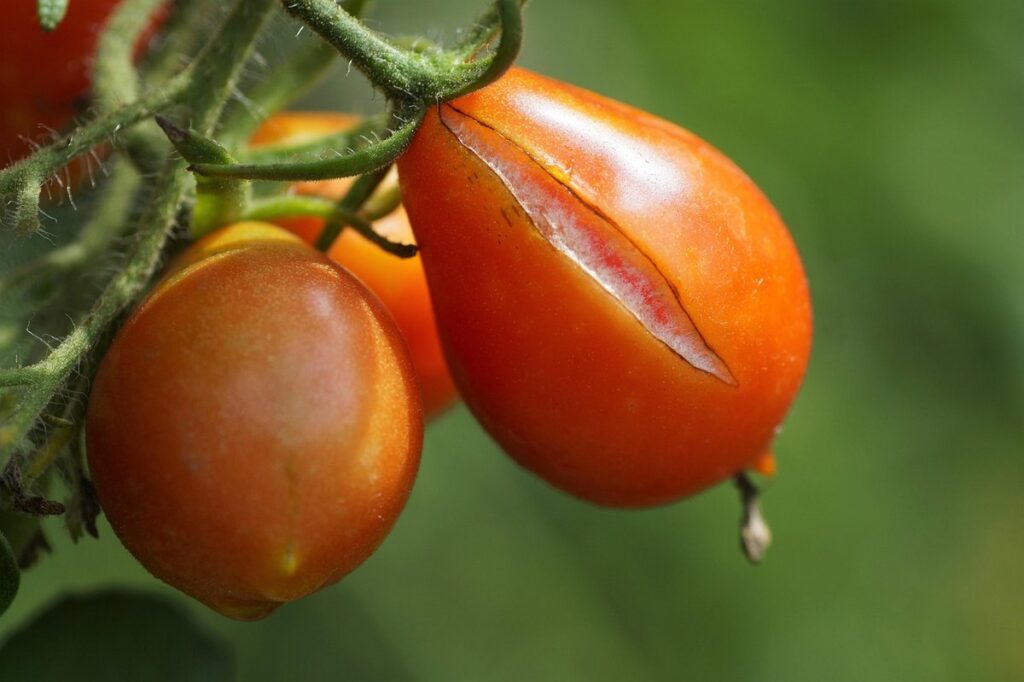
Understanding Tomato Fruit Cracking
Tomato fruit cracking can be a frustrating problem for gardeners and farmers alike, but understanding its causes is key to prevention. Let’s take a closer look at what contributes to this issue.
Causes of Fruit Cracking in Tomatoes
Tomato fruit cracking is a frustrating issue for many gardeners and farmers. But what causes this problem? Let’s dive into the main reasons why tomato fruits crack.
Uneven water uptake is one of the primary causes of fruit cracking. When soil moisture levels fluctuate, it can cause the fruit to absorb water rapidly, leading to an increase in pressure inside the skin. This pressure buildup eventually leads to cracking as the skin cannot withstand the stress. To prevent this issue, make sure to maintain consistent soil moisture levels and avoid overwatering.
Rapid growth is another factor that contributes to fruit cracking. Tomatoes grow quickly, especially during warm weather conditions. As they grow, the skin expands rapidly, but it may not be able to keep up with the rate of expansion. This can cause cracks to form on the surface of the fruit. To minimize this issue, ensure you provide your plants with a strong support system and monitor their growth closely.
Physical damage is also a common cause of fruit cracking. Handling tomatoes roughly or exposing them to extreme temperatures can cause micro-cracks in the skin. These micro-cracks can eventually develop into larger cracks as the fruit continues to grow. To prevent physical damage, handle your tomatoes gently and maintain a consistent temperature range in your greenhouse or growing area.
By understanding these causes of fruit cracking, you’ll be better equipped to implement prevention strategies and enjoy healthier, crack-free tomato crops.
Signs and Symptoms of Fruit Cracking
Identifying fruit cracking issues is crucial to take preventive measures. You’ll notice visual signs such as cracks on the surface of the tomato, which can be shallow or deep. These cracks often appear as small lines or fissures that may be more noticeable when the fruit is wet.
As the problem progresses, texture changes become apparent. The skin around the crack might become soft and mushy, making it easy to press a fingernail into the affected area. You might also notice discoloration, with the cracked area appearing lighter or darker than the rest of the tomato.
In severe cases, you may notice a change in the fruit’s overall firmness. Cracked tomatoes often feel softer than their healthy counterparts. Another indicator is the presence of moisture within the crack, which can lead to further decay and spoilage. To prevent these issues from arising, keep an eye out for any unusual changes in your tomato plants’ fruits.
Environmental Factors Contributing to Fruit Cracking
When growing tomatoes, certain environmental factors can significantly contribute to fruit cracking, making it essential to understand and address these causes. Let’s explore some of the key environmental triggers together.
Temperature Extremes and Their Effects on Tomatoes
Temperature fluctuations are one of the primary environmental factors that contribute to tomato fruit cracking. Tomatoes require a narrow temperature range for optimal growth and development. Prolonged exposure to temperatures above 28°C (82°F) or below 15°C (59°F) can lead to physical stress, causing the skin to become brittle and prone to cracking.
When tomatoes are exposed to sudden changes in temperature, the cell walls of the fruit expand and contract rapidly. This rapid expansion and contraction cause micro-cracks to form on the surface of the fruit, which eventually grow into larger cracks under increased pressure. For instance, during a heatwave, temperatures can soar above 35°C (95°F), causing the water inside the tomato cells to evaporate rapidly, leading to stress on the cell walls.
To mitigate temperature-related cracking issues, it’s essential to provide tomatoes with consistent and moderate temperatures between 18-25°C (64-77°F). Additionally, using row covers or other forms of shading can help protect tomatoes from extreme heat. By taking these measures, you can minimize the risk of fruit cracking due to temperature fluctuations.
Soil Moisture Levels and Water Stress
Tomato plants require optimal soil moisture levels to produce healthy fruits without cracking. However, if the soil is too dry or waterlogged, it can cause stress to the plant, leading to fruit cracking. Inadequate soil moisture can be caused by factors such as low rainfall, high evapotranspiration rates, or poor irrigation management.
Excessive soil moisture, on the other hand, can also lead to waterlogging, which can cause roots to rot and plants to become susceptible to diseases. This can result in a weakened plant structure that is more prone to fruit cracking.
To prevent this, it’s essential to maintain a consistent soil moisture level. Aim for about 1-2 inches of water per week, either from rainfall or irrigation. Monitor your plants’ condition by checking the color and texture of their leaves. If they’re looking wilted or pale, it may be a sign that the soil is too dry.
You can also use a moisture meter to measure the soil’s water content. Additionally, make sure to improve the soil structure by adding organic matter like compost, which helps retain moisture and promotes healthy root growth.
Nutritional Factors Influencing Fruit Cracking
Understanding the role of nutritional factors, such as water and nutrient uptake, is crucial to identifying potential causes of tomato fruit cracking. Let’s examine how these influences can impact your crops.
Deficiencies in Macronutrients (Nitrogen, Phosphorus, Potassium)
Tomato fruit cracking can be caused by deficiencies in essential macronutrients such as nitrogen, phosphorus, and potassium. Nitrogen deficiency is a common cause of fruit cracking, particularly during periods of high temperature and humidity. When nitrogen levels are low, the plant’s ability to produce chlorophyll and other essential compounds is impaired, leading to weakened cell walls that can crack under stress.
Phosphorus deficiency also plays a significant role in fruit cracking, as it is necessary for the production of ATP (adenosine triphosphate), which powers many physiological processes in the plant. A lack of phosphorus can lead to reduced photosynthesis and respiration rates, further exacerbating cell wall weaknesses.
Potassium deficiency, although less common, can also contribute to fruit cracking by disrupting ion balance within the plant’s cells. Potassium is essential for maintaining cell turgor pressure, which helps keep cell walls rigid and prevents cracking. To address these macronutrient deficiencies, farmers can implement strategies such as side-dressing with nitrogen-rich fertilizers, monitoring soil pH levels to ensure optimal phosphorus availability, or using potassium-rich fertilizers during the fruiting stage of plant development. Regular monitoring of nutrient levels and careful timing of fertilizer applications are key to preventing these types of macronutrient deficiencies.
Micronutrient Deficiencies and Their Impact on Tomato Health
Micronutrient deficiencies can have a significant impact on tomato health and increase the likelihood of fruit cracking. These essential nutrients play a crucial role in maintaining strong cell walls, which are vital for withstanding external pressures such as rain or wind. For instance, a deficiency in boron can lead to weakened cell walls, making tomatoes more susceptible to cracking.
Manganese is another micronutrient that is often overlooked but plays a critical role in maintaining plant health. A study found that manganese-deficient plants were more prone to fruit cracking due to the weakening of cell walls. Similarly, a lack of zinc can impair the synthesis of auxins, which are essential for cell wall development.
To prevent micronutrient deficiencies from contributing to tomato fruit cracking, gardeners and farmers should ensure their soil is rich in these essential nutrients. This can be achieved through regular soil testing and amendments, as well as using fertilizers that contain a balanced mix of micronutrients.
Management Strategies for Preventing Fruit Cracking
To effectively manage fruit cracking, you’ll want to consider implementing strategies that promote consistent soil moisture and reduce plant stress caused by fluctuating weather conditions. This section covers essential management techniques to prevent fruit cracking in your tomato crops.
Pruning Techniques to Promote Healthy Growth
Proper pruning is essential to prevent overgrowth and promote healthy growth in tomato plants. Overgrowth can lead to weak stems that are more susceptible to cracking under the weight of fruit. To prune effectively, start by removing lower leaves that don’t receive sufficient light, as these can create competition for water and nutrients.
Remove any weak or spindly growth from the plant, focusing on promoting a strong and balanced structure. This will also help reduce the risk of fungal diseases that thrive in moist environments. Consider using the “Suckering” method, where you remove all suckers (shoots that grow between the main stem and a branch) to redirect energy towards fruit production.
Another technique is the “Tip Pinching” method, where you pinch off the growing tips of branches to encourage bushy growth and prevent over-vigorous stretching. This will also help control height and promote more even fruit ripening. By pruning in this way, you’ll not only reduce stress on your plant but also create a stronger foundation for healthy fruit development and reduced cracking risks.
Mulching and Soil Erosion Prevention
Mulching is an often-overlooked but highly effective strategy for preventing fruit cracking in tomatoes. By applying a layer of organic mulch to the soil around your tomato plants, you can significantly reduce moisture loss, regulate soil temperature, and prevent erosion – all of which contribute to a lower risk of fruit cracking.
The benefits of mulching are numerous. For one, it helps retain moisture in the soil, reducing the need for frequent watering. This is particularly important during hot spells when tomatoes are more prone to cracking due to rapid growth and water loss. Mulch also regulates soil temperature by insulating the roots from extreme heat or cold, which can stress plants and lead to fruit cracking.
In addition to its moisture-retaining properties, mulch helps prevent erosion by stabilizing the soil and reducing runoff. This is especially important in areas with heavy rainfall or high winds, where soil can be washed away quickly.
Best Practices for Supporting Fruit Integrity
To achieve optimal fruit integrity, it’s crucial to understand how to properly handle tomatoes from planting to harvesting. This involves implementing specific techniques that safeguard against stress and damage.
Providing Support for Tomatoes (Stakes, Trellises)
When it comes to preventing tomato fruit cracking, providing the right support for your plants is crucial. Mechanical damage from branches and leaves rubbing against each other can weaken the fruit’s skin, making it more susceptible to cracks. To minimize this risk, you need to train your tomato plants to grow in a way that allows them to develop straight stems without twisting or bending.
One of the most effective techniques for supporting tomatoes is using stakes. You’ll want to install them when the plant is still young and about two feet tall. Drive the stake into the ground next to the plant, then gently tie the stem to it with twine or a soft material. Make sure not to tie too tightly, as this can constrict the growth of the plant.
Another option is using trellises. These provide more support for your plants and allow them to climb upwards, which promotes even fruit distribution and minimizes pressure on any single area. You can also use cages or obelisks to give your tomato plants some much-needed structure and support.
Handling and Harvesting Techniques
Proper handling and harvesting techniques are crucial to preventing tomato fruit cracking. When tomatoes are subjected to physical stress or damage during these stages, it can cause cracks on the surface, allowing moisture to enter and promote fungal diseases. To minimize this risk, farmers and gardeners should handle tomatoes with care.
When harvesting tomatoes, use a sharp knife or clippers to cut the stem at an angle, just above the fruit. This helps prevent damage to the delicate skin of the tomato. Avoid twisting or pulling on the plant, as this can cause roots to be disturbed, leading to stress and potentially cracking.
Another important aspect is to handle fruits gently, without bruising or squeezing them excessively. Tomatoes should not be stacked too high in crates or containers, as pressure from above can cause damage. Regularly inspect your tomatoes for any signs of physical stress or damage, and take steps to address these issues promptly.
Monitoring and Addressing Fruit Cracking Issues
When you notice fruit cracking on your tomatoes, it’s essential to identify the underlying cause and take swift action to prevent further damage and ensure a healthy crop. We’ll walk you through how to monitor and address these issues effectively.
Early Detection Methods for Identifying Cracking Issues
Detecting fruit cracking issues early on is crucial to prevent further damage and reduce losses. A regular visual inspection of the plants is an essential method for identifying potential problems. Look out for signs such as uneven growth, unusual coloration, or cracks on the skin of the fruits. These symptoms can be indicative of underlying issues like water stress, nutrient deficiencies, or physical damage.
Sensor-based monitoring systems are another effective way to detect cracking issues early on. Soil moisture sensors and temperature probes can alert you when there’s a sudden change in environmental conditions that may lead to cracking. Some farmers also use leaf wetness sensors to monitor humidity levels around the plants. These sensors can be integrated with weather stations or mobile apps for easy monitoring.
It’s essential to note that early detection doesn’t necessarily mean solving the problem immediately. However, it allows you to implement corrective measures, such as adjusting irrigation schedules or providing targeted nutrients, to prevent further damage and reduce losses. Regular monitoring and adaptation are key to preventing tomato fruit cracking issues.
Responding to Cracking Issues: Repair and Prevention Techniques
When it comes to fruit cracking issues, prevention is often more effective than repair. However, if you do encounter damaged fruits, there are steps you can take to minimize the damage and prevent further cracking.
First, inspect the cracked area carefully to determine the cause of the crack. This will help you decide on the best course of action for repair. If the crack is superficial, you may be able to salvage the fruit by removing any loose or damaged skin. However, if the crack has penetrated deeper into the fruit, it’s usually best to discard it.
Prevention is key, so let’s discuss some strategies for minimizing future cracking issues. One approach is to maintain optimal irrigation practices. This includes providing consistent moisture levels and avoiding overwatering, which can cause rapid expansion of water within the cell walls leading to cracks. Regular pruning also helps reduce stress on the plant, making it less prone to cracking.
By implementing these prevention measures, you’ll be better equipped to handle any future fruit cracking issues that may arise.
Frequently Asked Questions
How do I determine if my soil moisture levels are contributing to fruit cracking?
Conduct regular checks on your soil’s water content, using a soil probe or meter to ensure optimal levels. Aim for consistent moisture, avoiding fluctuations that can cause rapid water uptake.
Can I still prevent fruit cracking even if I’ve already planted my tomatoes and notice signs of cracking starting to appear?
Yes. While prevention is ideal, you can still implement strategies to minimize further damage and promote healing. Start by ensuring adequate support for the affected fruits, followed by pruning any damaged areas and implementing targeted nutritional support.
What are some common micronutrient deficiencies that contribute to fruit cracking in tomatoes, and how do I address them?
Tomatoes often lack calcium, magnesium, or boron. Monitor your soil pH and adjust it if necessary. Consider incorporating organic amendments rich in these micronutrients, such as compost or dolomitic limestone for calcium and magnesium.
How can I ensure my tomato plants receive the right amount of nitrogen, phosphorus, and potassium throughout their growth cycle?
Monitor your plants’ nutrient needs regularly through soil tests. Adjust your fertilization schedule according to their developmental stages. Apply balanced fertilizers that meet these macronutrient requirements during key growth periods, such as fruit set and flowering.
What are some effective pruning techniques for promoting healthy growth in tomatoes, reducing the likelihood of cracking?
Prune your tomato plants to maintain a balanced canopy, allowing for good air circulation and sunlight penetration. Remove weak or damaged branches, encouraging strong, upright growth that’s less susceptible to cracking. Regularly inspect your plants for signs of stress or disease and take action promptly to prevent further damage.