
Growing cucumbers can be a challenge, especially when it comes to keeping pests at bay and boosting yields. But did you know that there’s a simple yet effective way to tackle these issues? By planting marigolds alongside your cucumbers, you can create a harmonious garden ecosystem that promotes healthy growth and repels common pests naturally. This companion planting technique has been used by experienced gardeners for years, and the benefits are well worth exploring. In this article, we’ll delve into the world of cucumber marigold companion planting, covering its numerous advantages, real-world examples, and expert tips to get you started. Whether you’re a seasoned gardener or just starting out, learning how to combine these two plants can make all the difference in your harvest’s success.
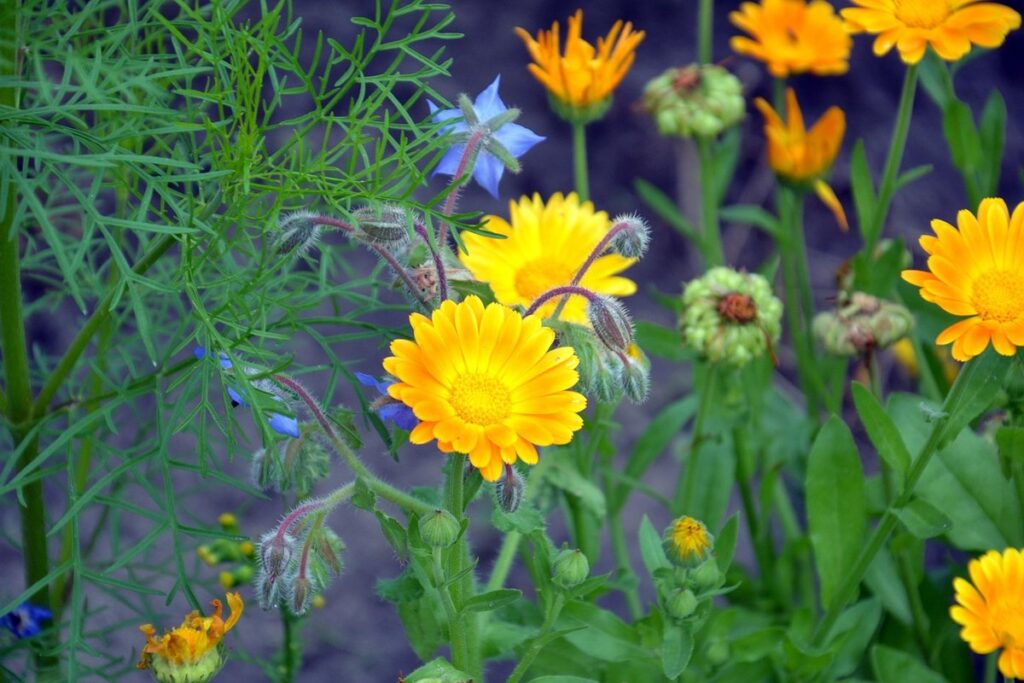
Understanding Companion Planting Basics
Companion planting is a simple yet powerful way to boost your garden’s health, and we’ll start by covering the basics of how it works. Let’s dive into what companion planting is all about.
What is Companion Planting?
Companion planting is an ancient gardening technique that involves growing different plants together to promote healthy growth, improve crop yields, and reduce pests and diseases. At its core, companion planting is about understanding how various plants interact with each other in the garden ecosystem.
When you plant cucumbers alongside marigolds, for instance, you’re creating a symbiotic relationship between two species that have co-evolved over time to benefit from each other’s presence. Cucumbers provide shade and support for climbing marigold varieties, while marigolds repel nematodes that can harm cucumber roots.
This interplay is not limited to physical interactions; different plants also release chemical signals into the soil and air that affect their neighbors’ growth. Some plants emit volatile organic compounds (VOCs) that attract beneficial insects or deter pests, creating a more balanced ecosystem. By recognizing these dynamics, gardeners can harness the power of companion planting to create healthier, more resilient crops.
Benefits of Companion Planting for Gardeners
Companion planting is a game-changer for gardeners looking to grow healthy, thriving crops. By strategically pairing plants together, you can create a balanced ecosystem that benefits from the positive interactions between them. One of the most significant advantages of companion planting is reduced pest issues. For example, marigolds repel nematodes, which can be devastating to cucumbers. By growing marigolds alongside your cucumber plants, you’ll significantly reduce the risk of infestation.
Improved soil health is another benefit of companion planting. Legumes like beans and peas are often paired with cucumbers because they fix nitrogen in the soil, making it more fertile for your crops. This not only improves yields but also reduces the need for synthetic fertilizers. With cucumber and marigold companion planting, you can expect increased crop yields due to the mutually beneficial relationship between these two plants. Marigolds’ tall growth habit also provides shade, reducing moisture loss and preventing fungal diseases that target cucumbers.
Cucumber Plant Profile: Needs and Requirements
To ensure a thriving cucumber plant, you need to understand its specific needs, including sunlight, water, soil type, and nutrient requirements that are crucial for healthy growth. Let’s take a closer look at these essential factors.
Overview of Cucumber Plant Characteristics
Cucumbers are a warm-season crop that thrive in well-draining soil and full sun. These versatile vegetables prefer to grow on a trellis or other support system, where they can climb upwards of 3-6 feet in length. They’re a popular choice for home gardens due to their ease of cultivation and high yields.
In terms of climate, cucumbers are best suited for regions with warm temperatures between 65°F and 90°F (18°C and 32°C). They can tolerate some frost but will bolt if exposed to prolonged periods of cold weather. When it comes to sunlight, cucumbers require at least six hours of direct sunlight per day to produce optimal yields.
When planting companion marigolds alongside your cucumbers, consider the mature size of both plants. Cucumbers should be spaced about 12-18 inches apart, while marigolds can be planted closer together (around 6-12 inches). This allows for a harmonious growth pattern and maximizes space in your garden bed.
Keep in mind that cucumbers are heavy feeders, so they’ll appreciate regular watering and fertilization. With proper care, these vining plants will provide you with a bountiful harvest of fresh cucumbers perfect for snacking or preserving.
Common Pests and Diseases Affecting Cucumbers
When it comes to growing cucumbers, one of the biggest challenges gardeners face is dealing with pests and diseases. Some common issues that can affect cucumber plants include aphids, whiteflies, spider mites, powdery mildew, and fungal diseases like anthracnose and fusarium wilt.
Aphids and whiteflies are both sap-sucking insects that can weaken the plant and spread disease. To combat these pests, try introducing beneficial insects like ladybugs or lacewings to your garden. These natural predators will feed on the aphids and whiteflies, helping to keep their populations under control.
Companion planting with marigold flowers can also help deter pests from cucumber plants. The strong scent of marigolds repels nematodes, which are microscopic worms that attack cucumber roots. Additionally, marigolds contain chemicals that inhibit the growth of fungal diseases like powdery mildew and anthracnose.
To incorporate companion planting into your garden, simply plant marigold flowers alongside your cucumbers. Keep in mind that it’s essential to choose a variety of marigold that blooms continuously throughout the growing season to provide ongoing protection for your cucumber plants.
Marigold Plant Profile: Characteristics and Uses
Marigolds are a popular companion plant for cucumbers, known for repelling nematodes and attracting beneficial insects to your garden. Let’s dive into their key characteristics and uses.
Overview of Marigold Plant Benefits
Marigolds are a gardener’s best friend, offering a multitude of benefits that make them an excellent addition to any garden. One of their most significant advantages is their ability to repel nematodes, microscopic worms that can harm plants and even cause disease. By planting marigolds alongside cucumbers, you can protect your crop from these pesky pests.
But that’s not all – marigolds are also a magnet for beneficial insects. These lovely flowers attract bees, butterflies, and ladybugs, which in turn help pollinate and control pest populations. This creates a balanced ecosystem where every plant works together to thrive.
In addition to their functional benefits, marigolds add a pop of color to the garden, brightening up the space with their vibrant orange and yellow blooms. Plant them strategically around your cucumber patch, and you’ll enjoy an explosion of color as well as improved plant health. To get the most out of this companion planting technique, be sure to sow marigold seeds near your cucumbers at least a week before transplanting them into larger containers or directly into the garden bed.
How Marigolds Interact with Cucumbers
Marigolds have been found to positively interact with cucumbers by repelling nematodes, microscopic worms that can harm cucumber roots and reduce yields. These beneficial nematode-repelling properties make marigolds an excellent companion plant for cucumbers. When planted together, marigolds’ strong scent and roots release chemicals into the soil that deter nematodes, creating a healthier environment for cucumbers.
In addition to repelling pests, marigolds also attract beneficial insects like ladybugs and lacewings, which prey on common cucumber pests such as aphids and whiteflies. This synergy between marigold and cucumber benefits both plants by reducing the need for pesticides and promoting overall plant health.
When combining cucumbers with marigolds in your garden, consider planting marigolds around the perimeter of your cucumber patch or interspersing them among cucumber rows to maximize their beneficial effects.
Companion Planting Techniques for Cucumber and Marigold
When it comes to growing cucumbers, adding marigolds to your garden can be a game-changer. This section will show you how to make the most of their beneficial relationship.
Intercropping Strategies for Maximum Benefits
When it comes to companion planting, intercropping cucumbers and marigolds can be a game-changer. By strategically combining these two plants, you can maximize space use, create a balanced ecosystem, and reap even more benefits from your garden.
One of the key advantages of intercropping is that it allows for efficient use of space. By planting marigold flowers around the base of cucumber plants, you can make the most of every inch of your garden bed. Marigolds are compact, flowering annuals that can thrive in poor soil and full sun, making them an ideal companion for cucumbers.
To intercrop effectively, consider the mature size of both plants. Cucumbers can spread out quite a bit as they grow, so make sure to leave enough space between each plant for their runners to spread out. Plant marigold seeds around the base of each cucumber plant, about 6-8 inches away from the stem. As the marigolds grow, they’ll help repel nematodes and other pests that might target your cucumbers.
By intercropping cucumbers and marigolds, you can create a more balanced ecosystem in your garden. Marigolds are known to attract beneficial insects like bees and butterflies, which will pollinate your cucumber flowers. This synergy between plants not only promotes healthy growth but also increases crop yields.
Plant Spacing and Layout Considerations
When planting cucumbers alongside marigolds, it’s essential to consider the spacing and layout of both plants. This will ensure they receive adequate sunlight, water, and air circulation, ultimately promoting healthy growth and maximizing their benefits.
Aim to plant marigold flowers about 6-12 inches away from your cucumber plants. This distance allows for optimal sunlight penetration to both plants while preventing overcrowding that can lead to fungal diseases and reduced air circulation.
In terms of layout, consider creating a border around the perimeter of your bed with marigolds. This will help deter pests like nematodes, which target cucumbers, and also provide additional benefits like repelling whiteflies and aphids.
When spacing cucumber plants themselves, allow about 18-24 inches between each plant to ensure proper air circulation and easy access for harvesting. Remember that cucumbers are a climbing plant and will require support as they grow. Providing adequate space for both cucumber and marigold plants will help you reap the rewards of this beneficial companion planting combination.
Successful Companion Planting in Practice
Let’s dive into some practical examples of how successful companion planting can be achieved, and explore real-life scenarios where cucumber and marigold pairing thrives. This section shares inspiring case studies and expert tips to get you started.
Case Studies and Real-World Examples
In various parts of the world, gardeners have successfully implemented cucumber and marigold companion planting. For instance, in a study conducted by the University of California, researchers found that cucumbers grown alongside marigolds had higher yields and fewer pests compared to those without marigolds. This is attributed to the repelling properties of marigolds against nematodes, whiteflies, and other insects.
In her garden in Australia, Emma experimented with companion planting after struggling with aphid infestations on her cucumber plants. She planted marigolds alongside her cucumbers and reported a significant reduction in pests within a fortnight. However, she also noted that the presence of marigolds had an unforeseen effect – it made the soil more alkaline due to their high magnesium content. This led Emma to adjust her fertilization strategy to maintain optimal soil pH.
In a similar vein, experienced gardener Rachel found that planting marigolds near cucumbers improved air circulation and reduced moisture retention, resulting in healthier plants overall.
Lessons Learned from Experienced Gardeners
Experienced gardeners who have successfully implemented companion planting with cucumbers and marigolds share their insights on maximizing benefits. For instance, Sarah from California recommends planting marigold flowers around the base of cucumber plants to repel nematodes, microscopic worms that can harm the plant’s roots. She notes that the strong scent of marigold repels these pests, resulting in healthier plants.
Another gardener, Mark from the UK, has noticed an increase in pollination when he planted marigolds alongside cucumbers. He suggests placing marigolds on a trellis near the cucumber vines to attract beneficial insects like bees and butterflies. This not only enhances fruit production but also promotes biodiversity in the garden.
When implementing this companion planting technique, it’s essential to remember that marigold flowers can grow quite tall – up to 2 feet high. To maximize space, consider using a trellis or a cage to support both plants. By following these tips and learning from experienced gardeners, you can create a thriving cucumber-marigold companion planting system in your own garden.
Troubleshooting Common Issues in Companion Planting
Sometimes, things don’t go as planned when trying companion planting with cucumbers and marigolds. This section will help you troubleshoot common issues that arise from this specific pairing.
Common Challenges Faced by Gardeners
As you embark on your cucumber and marigold companion planting journey, it’s essential to be aware of the common challenges gardeners face when implementing this technique. One of the primary issues is pest control failures. Despite the beneficial effects of marigolds on repelling nematodes and other pests, some gardeners may still experience problems with aphids, whiteflies, or spider mites. This could be due to inadequate spacing between plants, insufficient water supply, or an overabundance of nitrogen in the soil.
Another challenge is crop losses due to disease or nutrient deficiencies. Marigolds, while excellent at repelling pests, can sometimes attract beneficial insects that may inadvertently spread diseases like powdery mildew or downy mildew. To mitigate this risk, ensure you’re planting disease-resistant varieties of cucumbers and keeping your marigold plants well-separated from the cucumbers.
Cucumbers also require a rich soil with adequate calcium and potassium for optimal growth. If your soil lacks these essential nutrients, your cucumber crop may suffer, leading to reduced yields or an increased susceptibility to disease.
Solutions and Workarounds for Troubled Areas
If you’re experiencing trouble with pests or diseases affecting your cucumber plants when grown alongside marigolds, don’t worry – we’ve got some solutions and workarounds to help. For instance, if you find that the strong scent of marigolds is deterring beneficial insects like bees from visiting your cucumbers, consider introducing other pollinators like butterflies or hummingbirds into your garden.
You can also try using a row cover over your cucumber plants to prevent whiteflies and aphids from feeding on them. This breathable fabric allows for air circulation while keeping pests away. Organic pest control methods such as neem oil or insecticidal soap are another option, especially if you’re concerned about harming beneficial insects.
To avoid overcrowding which can lead to disease issues, ensure that your cucumber plants have at least 3-4 feet of space around them. This will also give marigolds enough room to spread out and perform their companion planting duties without competing with the cucumbers for water and nutrients. By implementing these strategies, you can enjoy a healthy and thriving crop of cucumbers while still benefiting from the advantages that marigold companion planting offers.
Conclusion: Harnessing the Power of Companion Planting
Now that you’ve learned how to pair cucumbers and marigolds, it’s time to put your newfound knowledge into practice and reap the rewards of companion planting.
Recap of Key Points
By now, you should have a good understanding of the benefits and techniques involved in companion planting with cucumbers and marigolds. Let’s recap the main points to help solidify this new knowledge.
Companion planting with these two plants can improve cucumber growth by repelling pests like aphids and whiteflies, while also attracting beneficial insects that pollinate your crops. Marigold flowers release a chemical called pyrethrum, which deters nematodes – microscopic worms that harm cucumbers. Additionally, the bright yellow and orange hues of marigolds reflect light onto lower leaves of cucumbers, promoting healthy growth.
To incorporate this technique into your garden, start by planting marigold seeds alongside cucumber plants when they’re about 6-8 inches tall. Maintain a spacing of around 2-3 feet between the two plants to allow for adequate air circulation and growth. With proper care and attention, you should see improved yields and better overall health in your cucumber crop.
Encouragement to Try Companion Planting at Home
As you’ve learned about the benefits of companion planting between cucumbers and marigolds, we hope this newfound knowledge has inspired you to give it a try. Companion planting is not just for seasoned gardeners; anyone can achieve success with these simple techniques in their own gardens.
To get started, begin by selecting plants that have compatible growth habits and needs. Research the specific requirements of your cucumber and marigold varieties, including sunlight, watering, and pruning needs. Make sure to plant them together in a location that receives at least six hours of direct sunlight per day. Be mindful of spacing: cucumbers prefer full sun and well-draining soil, while marigolds benefit from slightly acidic conditions.
Begin with a small patch or container garden to test the waters before scaling up your companion planting efforts. Keep track of your progress, noting any improvements in growth rates, pest resistance, or flavor profiles. With patience and practice, you’ll be amazed at how these seemingly simple techniques can make a significant difference in your homegrown harvests.
Frequently Asked Questions
Can I use companion planting with other types of cucumbers, such as gherkins or English cucumbers?
Yes, you can apply the principles of cucumber marigold companion planting to various types of cucumbers. However, keep in mind that different varieties may have unique growth habits and requirements. Research specific needs for your chosen variety and adapt your intercropping strategy accordingly.
How far apart should I plant my marigolds from my cucumber plants?
For optimal results, space marigold flowers about 12-18 inches away from the base of your cucumber plants. This distance allows both plants to receive sufficient sunlight while minimizing competition for resources. Be sure to adjust spacing based on your specific climate and garden layout.
Can I use other types of flowers instead of marigolds in companion planting?
While marigolds are an excellent choice, you can experiment with other flowers like basil, calendula, or nasturtiums as companions for cucumbers. Each flower has its unique properties and benefits; research their specific characteristics and how they interact with your cucumber plants before making a switch.
How long does it take to see the benefits of companion planting in my garden?
You may start noticing improvements in pest control and overall plant health within 2-4 weeks after implementing companion planting. However, it can take several months for the full effects to manifest, as the microorganisms and beneficial insects begin to build up and create a balanced ecosystem.
Can I use marigold flowers in pots or containers for companion planting?
While marigolds thrive in well-draining soil with plenty of sunlight, you can still grow them in containers. Use a minimum 5-gallon container with good drainage holes and ensure your marigold plants receive at least 6 hours of direct sunlight per day. This setup will allow you to practice companion planting even in smaller garden spaces or on balconies.