
When you think of cucumbers, you probably picture them as a refreshing snack or a key ingredient in your favorite salad. But did you know that these versatile veggies also have a hidden superpower? Cucumber composting vines are rich in nutrients that can take your soil health to the next level, boost crop yields, and even balance out your ecosystem. By harnessing the power of these nutrient-rich vines, you’ll not only be reducing waste but also creating a more sustainable gardening routine.
In this article, we’ll delve into the world of cucumber composting vines and show you how to make the most of their benefits. We’ll cover everything from why these vines are so valuable for your garden to practical tips on incorporating them into your composting routine. By the end of this article, you’ll be equipped with the knowledge to take full advantage of cucumber composting vines and start enjoying the rewards they have to offer.
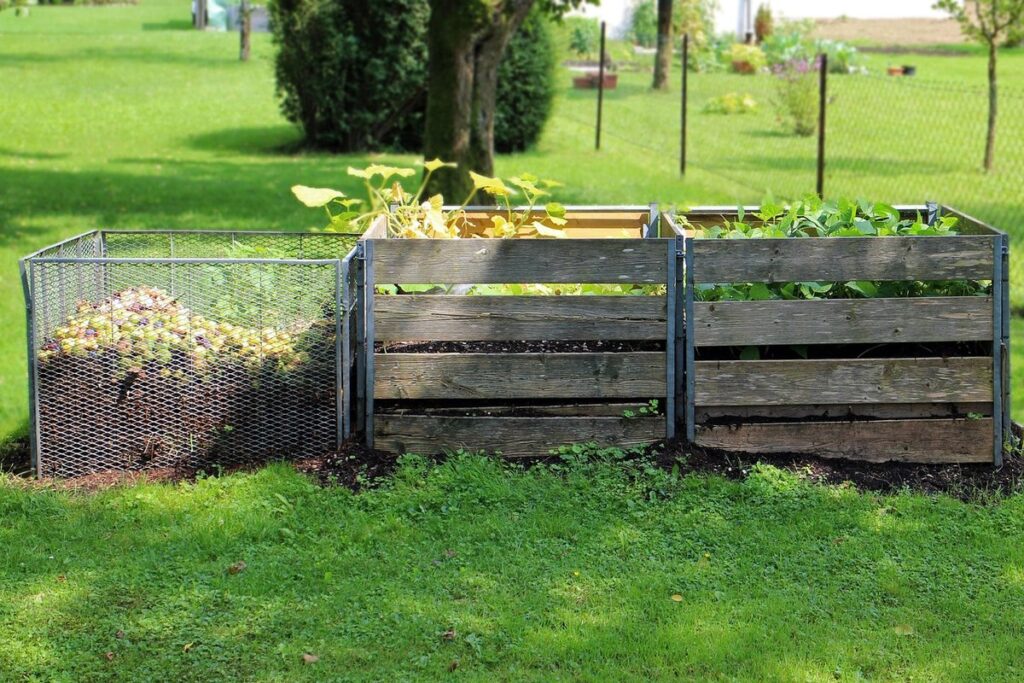
Benefits of Cucumber Composting Vines
By utilizing cucumber composting vines, you’ll not only reduce waste but also create a nutrient-rich fertilizer for your garden. This section will highlight the benefits of incorporating these vines into your composting routine.
What are Cucumber Composting Vines?
If you’ve dabbled in composting, you might be familiar with Cucumber Composting Vines, also known as Borage (Borago officinalis). This versatile plant is a game-changer for compost piles, and we’re here to introduce you to its benefits.
Cucumber Composting Vines are a type of annual herb that thrives in warm weather. Its flowers are small and star-shaped, but they produce an abundance of nectar-rich blooms that attract pollinators and beneficial insects. This is where the magic begins – these vines are packed with nutrients that speed up the decomposition process. When added to compost piles, Cucumber Composting Vines enhance microbial activity, break down organic matter faster, and reduce odors.
To incorporate Cucumber Composting Vines into your composting routine, simply plant them alongside other green waste in a designated area of your pile. As they grow, their roots will help aerate the soil and speed up decomposition. You can also harvest individual leaves or flowers to add directly to your compost. By harnessing the power of Cucumber Composting Vines, you’ll be on your way to creating rich, nutrient-dense compost for your garden.
Nutrient-Rich Properties
When you incorporate cucumber composting vines into your garden, you’re not just adding a new crop – you’re also gaining access to an impressive array of nutrient-rich properties. One of the most significant benefits is their high potassium content. Potassium is an essential mineral for plant growth, helping with overall health and resistance to disease. It’s also crucial for promoting root development and strengthening cell walls.
But that’s not all – cucumber composting vines are also renowned for their ability to improve soil structure. By adding organic matter from these vines to your soil, you’re creating a more conducive environment for beneficial microbes to thrive. This has numerous benefits, including enhanced drainage, increased fertility, and reduced erosion. To tap into these advantages, try incorporating finely chopped cucumber composting vine scraps into your compost pile or using them as mulch around your plants.
Regularly adding nutrient-rich materials like cucumber composting vines can greatly enhance the overall health of your garden. By doing so, you’ll be creating a more sustainable and self-sufficient ecosystem that’s better equipped to support the growth and development of all your crops.
How Cucumber Composting Vines Benefit Soil Health
When you incorporate cucumber composting vines into your compost pile, they can significantly benefit soil health. These vines are a nutrient-rich addition to your compost, and as they break down, they release essential micronutrients that improve soil fertility.
Cucumber composting vines act as a natural fertilizer, increasing the overall nutritional content of your soil. This has numerous benefits for plant growth, including increased yields and improved resistance to pests and diseases. By promoting a balanced ecosystem, cucumber composting vines also encourage beneficial microbial activity in the soil, which is essential for healthy plant development.
To maximize the benefits of cucumber composting vines, make sure to bury them deep within your compost pile, allowing them to break down fully before adding the resulting compost to your garden beds. A general rule of thumb is to maintain a balance of “green” (nitrogen-rich) and “brown” (carbon-rich) materials in your compost pile – add plenty of leaf litter or straw to balance out the nutrient-dense cucumber vines.
The result is healthier, more resilient plants that are better equipped to thrive in challenging conditions. By harnessing the power of cucumber composting vines, you can create a rich, fertile soil environment that promotes optimal plant growth and yields.
Growing Cucumber Composting Vines
Growing cucumber composting vines requires careful attention to pruning and training, allowing you to maximize yields and keep your space organized. Let’s dive into some essential tips for growing healthy and productive vines.
Planting and Care Instructions
When planting cucumber composting vines, choose a spot that receives full sun and has well-draining soil. The ideal temperature for cucumber growth is between 65°F to 95°F (18°C to 35°C), so ensure the area gets at least six hours of direct sunlight daily. Water the soil regularly, but avoid overwatering, which can lead to root rot.
For optimal growth, space cucumber vines about two to three feet apart. This allows for proper air circulation and prevents disease from spreading easily between plants. To promote healthy development, add a 2-inch layer of compost on top of the soil before planting. As the vines grow, prune them regularly to encourage bushy growth and prevent them from becoming too leggy.
Pruning involves removing any weak or damaged shoots, as well as tips that have produced flowers or fruit. By pruning your cucumber vines regularly, you can maintain their shape and promote a more productive harvest.
Propagation Methods
When it comes to growing new cucumber composting vine plants, propagation methods play a crucial role. There are several ways to propagate these vines, and the right method for you will depend on your personal preference, the time of year, and the resources available.
One popular method is seed starting. This involves sowing seeds indoors 2-3 weeks before the last frost date in your area. Sow 1-2 seeds per cell in a seed tray filled with a high-quality potting mix. Keep the soil consistently moist but not waterlogged. Once the seedlings have 2-3 sets of leaves, transplant them into individual pots or directly into the garden.
Another method is using stem cuttings. Take 4-6 inch stem sections from mature plants and remove lower leaves. Dip the cut end in rooting hormone powder to increase success rates. Plant the cutting in a pot filled with a well-draining mix, and keep it moist but not waterlogged. Layering involves bending a long stem down to the ground and allowing it to root before cutting it below the node. This method can be time-consuming but is effective for large-scale propagation.
When propagating by layering or cuttings, make sure to take sections from healthy plants that are at least 6 months old. This will ensure that your new plants have a good chance of thriving in their new environment.
Tips for Encouraging Vigorous Growth
When it comes to cultivating cucumber composting vines, encouraging vigorous growth is crucial for maximizing yields and ensuring a bountiful harvest. To promote healthy development, make sure your plants receive adequate sunlight – aim for at least 6 hours of direct sunlight per day. Water them consistently, but avoid overwatering, which can lead to fungal diseases and root rot.
Maintaining optimal temperatures between 65°F to 75°F (18°C to 24°C) is also vital for growth. To ensure your vines receive the right amount of moisture, check the soil daily by inserting your finger into the top 1-2 inches of soil. If it feels dry, it’s time to water.
Fertilizing regularly can also boost growth rates. A balanced fertilizer (e.g., 10-10-10 NPK) applied once a month will provide essential nutrients for healthy development. Additionally, consider incorporating compost tea or fish emulsion into your fertilization routine to offer beneficial microbes and micronutrients.
Keep in mind that cucumbers are heavy feeders and require consistent nutrient supply throughout the growing season.
Using Cucumber Composting Vines in Compost Piles
Adding cucumber composting vines to your pile can be a great way to enhance nutrient-rich soil, and we’ll walk you through how to incorporate them effectively. We’ll cover some key considerations for successful integration.
Adding Cucumber Composting Vines to Your Compost
When it’s time to add cucumber composting vines to your compost pile, you’ll want to follow a few key guidelines. Start by considering the optimal ratio of “green” materials (like food scraps and grass clippings) to “brown” materials (such as dried leaves and shredded newspaper). Aim for a mix that leans towards brown materials – at least 2/3 – this will help balance out the nitrogen-rich cucumbers.
Timing is also crucial when adding cucumber composting vines. For best results, add them in smaller batches throughout the composting process, rather than all at once. This allows the microorganisms to break down the material more evenly and prevents anaerobic conditions that can lead to unpleasant odors or pests.
As a general rule of thumb, start by layering about 1/4 of the vines into the bottom third of your pile, followed by 6-8 inches of brown materials on top. This will create an initial carbon-to-nitrogen ratio that’s conducive to composting. Continue adding more layers in the same pattern – alternating between green and brown materials – until you reach the desired height for your pile.
How Cucumber Composting Vines Accelerate Decomposition
When you add cucumber composting vines to your compost pile, they can accelerate decomposition significantly. These plants thrive in moist environments and actively break down organic matter as part of their growth process.
Their presence facilitates faster decomposition by introducing beneficial microorganisms that help break down complex compounds into simpler nutrients. This can be attributed to the extensive root system of these vines, which allows them to access deeper layers of compost where more recalcitrant materials reside.
As they decompose, cucumber composting vines release enzymes that further accelerate the breakdown process, ensuring a balanced and nutrient-rich outcome. Regularly incorporating fresh vine matter into your pile will also promote microbial activity and maintain optimal carbon-to-nitrogen ratios – both crucial factors in efficient decomposition.
By leveraging these benefits, gardeners can expedite the creation of high-quality compost with a shorter turnaround time.
Maximizing Nutrient Retention
When using cucumber composting vines in your compost piles, maximizing nutrient retention is crucial to creating a rich and fertile soil amendment. To achieve this, it’s essential to balance the carbon-to-nitrogen ratio of your compost pile. Cucumber vines are high in nitrogen, so you’ll want to ensure that there’s enough “brown” materials (dry leaves, straw, or shredded newspaper) to offset the excess nitrogen.
Aim for a mix of 2/3 “browns” and 1/3 “greens” (including cucumber vines). As the compost pile breaks down, microorganisms will convert the nitrogen-rich materials into a stable form that’s easily accessible by plants. To further enhance nutrient retention, add a 5-10% layer of finished compost at the bottom of your pile before adding the cucumber vines. This initial layer acts as a seed for beneficial microbes, helping to kickstart the decomposition process.
Monitor moisture levels and turn the pile regularly to maintain optimal conditions for microbial activity. With proper balance and maintenance, your compost pile will transform into a nutrient-dense soil amendment that’s perfect for garden beds or houseplants.
Composting with Cucumber Composting Vines: A Step-by-Step Guide
To start composting with your cucumber vines, follow these simple steps to turn kitchen scraps and garden waste into nutrient-rich fertilizer for your garden. This section will walk you through each step of the process.
Setting Up a Cucumber Composting Vine-Infused Compost Pile
When setting up a cucumber composting vine-infused compost pile, it’s essential to choose the right materials. Begin by collecting a mix of “green” and “brown” materials. Green materials, such as food scraps, grass clippings, or manure, provide nitrogen-rich nutrients for your compost. Brown materials, like dried leaves, shredded newspaper, or straw, add carbon-rich fiber that helps balance out the mixture.
To create your cucumber composting vine-infused compost pile, start by layering a 4-6 inch base of brown materials. Next, place a handful of cucumber composting vines and some green materials on top. Continue alternating layers, ending with a 2-inch layer of brown materials to prevent pests and odors.
Maintaining optimal moisture levels is crucial for the composting process. The pile should be kept moist, like a damp sponge, but not soggy or waterlogged. Aim for about 40-50% moisture content by checking the color – if it’s more than 2 inches from being dark brown to black, add some water.
Regular turning of the compost pile is also necessary to ensure oxygen reaches all areas and helps break down the materials efficiently.
Monitoring and Maintaining the Compost Pile
Monitoring and maintaining your cucumber composting pile is crucial for producing nutrient-rich fertilizer for your plants. To ensure a balanced pile, aim to have a mix of 2/3 “brown” materials like dried leaves or shredded newspaper and 1/3 “green” materials like food scraps or grass clippings.
Check the moisture level regularly by sticking your hand into the pile up to your forearm; it should feel damp but not soggy. If too dry, add water; if too wet, turn the pile to aerate it. Regularly inspect your pile for pests like rodents, ants, or flies and diseases like mold or fungus.
To maintain a healthy pH level, balance acidic materials like citrus peels with alkaline ones like eggshells. Aim for a pH between 6.0 and 7.5, which is suitable for most plants. Finally, turn your pile regularly to ensure even decomposition and prevent matting of the materials. This will also help to speed up the composting process.
This process may take anywhere from a few weeks to several months, depending on the size of the pile and the temperature within it.
Harvesting Nutrient-Rich Compost
When it’s time to harvest nutrient-rich compost from your cucumber composting vines, follow these steps for optimal results. First, wait until the vines have broken down significantly and are no longer recognizable as plant material. This process can take anywhere from 6-12 months, depending on factors like temperature, moisture, and carbon-to-nitrogen ratios.
To determine if your compost is ready, perform a simple ‘squeeze test.’ Squeeze a handful of the compost; if it forms a tight ball that holds its shape when released, it’s ready to use. This indicates adequate nutrient retention and stability. If not, continue to monitor and wait for further decomposition.
For using the compost in your garden, mix 2-4 inches into topsoil or existing beds before planting new vegetables like cucumbers. Alternatively, create a compost tea by steeping one quart of water with 1/2 cup of compost for several hours. This liquid solution can be used as a foliar spray or soil drench to promote plant growth and health.
Regularly turning the compost pile will also help speed up the decomposition process. This ensures oxygen reaches all areas, reducing anaerobic conditions that might produce unpleasant odors or pathogens.
Potential Challenges and Solutions for Cucumber Composting Vines
As you start growing cucumber composting vines, you may encounter some unexpected obstacles along the way. Let’s discuss potential challenges and solutions to keep your vine-growing journey on track smoothly.
Common Issues with Growing Cucumber Composting Vines
When growing cucumber composting vines, you may encounter common issues that can affect their health and productivity. One of the most significant challenges is pests. Aphids, whiteflies, and spider mites are notorious for feeding on cucumber plants, causing damage to leaves and reducing yields.
To combat these pests, it’s essential to maintain a clean growing environment. Remove any weeds or debris around the vines, and inspect your plants regularly for signs of infestation. Use neem oil or insecticidal soap as organic solutions to control pest populations. Additionally, introduce beneficial insects like ladybugs or lacewings, which feed on pests naturally.
Diseases such as powdery mildew, downy mildew, and fusarium wilt can also affect cucumber composting vines. Adequate sunlight, proper air circulation, and moisture management are crucial to prevent disease outbreaks. Avoid overwatering, as this can lead to root rot and other issues. Use crop rotation techniques to break disease cycles, and consider applying fungicides or bactericides if necessary.
Inadequate sunlight is another common issue that may impact your cucumber composting vines. These plants require at least 6 hours of direct sunlight per day to thrive. If you’re growing in a shaded area, consider pruning nearby plants or using grow lights to supplement the natural light.
Troubleshooting Tips and Strategies
If you notice that your cucumber composting vine plants are not thriving as expected, don’t worry – it’s easier to troubleshoot common issues than you think. First, check for pests and diseases, which can be identified by looking out for holes in leaves, yellow or black spots on the stem, or actual insects crawling around the plant. Use neem oil or insecticidal soap to get rid of any unwanted guests.
Another potential issue is nutrient deficiencies – if your plants are not getting enough nitrogen, phosphorus, or potassium, they may start showing signs like weak growth, stunted development, or pale leaves. Test the pH level and adjust it accordingly by adding compost or fertilizer that matches the plant’s needs. You can also try giving them a balanced fertilizer once a month to prevent such deficiencies.
In addition to these common problems, be on the lookout for root bound plants – if your vines have outgrown their containers, they’ll need more space to spread out and get enough air circulation. Prune the roots gently, transfer them to larger pots or directly into the garden bed with some compost added as mulch. By identifying and addressing these issues promptly, you can ensure that your cucumber composting vine plants continue to grow strong and healthy.
Long-Term Planning for Sustainable Compost Production
When it comes to long-term planning for sustainable compost production using cucumber composting vines, it’s essential to consider the entire process from planting to harvesting. A well-planned system will not only ensure a steady supply of nutrient-rich compost but also minimize waste and reduce environmental impact.
Start by identifying your target yield and compost needs. Calculate how much space you’ll require for both cucumber vines and compost piles. Consider using raised beds or containers to maintain soil health and promote healthy root growth. Make sure to leave enough room between vines for air circulation, which is crucial for preventing disease.
To create a sustainable composting system, incorporate “add-on” plants that enhance nutrient cycling, such as nitrogen-fixing legumes or cover crops like comfrey. These will help break down organic matter and increase the overall fertility of your soil. Regular monitoring of temperature, moisture levels, and carbon-to-nitrogen ratios will also ensure a balanced composting process.
Keep records of your progress to refine future planning. Monitor your yields and adjust planting schedules accordingly. This data-driven approach will allow you to optimize your system over time, maximizing both cucumber production and compost quality.
Cucumber Composting Vines in Permaculture Systems
When it comes to integrating cucumber composting vines into your permaculture system, you want to consider their role as a nutrient-rich crop and how they can be effectively utilized. Let’s explore ways to do this sustainably.
Integrating Cucumber Composting Vines into Your Garden Ecosystem
Integrating cucumber composting vines into your permaculture system is a game-changer for creating a thriving ecosystem. These versatile plants offer multiple benefits, from providing a nutrient-rich fertilizer to attracting beneficial insects and pollinators. To maximize their potential, consider the following strategies.
Plant them alongside nitrogen-fixing legumes or comfrey to create a dynamic fertility loop. As the cucumber vines grow, they’ll produce an abundance of biomass that can be incorporated into the soil or used as mulch. This process not only reduces waste but also increases soil biota and fertility.
Position your cucumber composting vines near areas with high water retention, such as under tree canopies or near ponds. Their extensive root system will help draw excess moisture from these zones, reducing erosion and runoff while maintaining a stable ecosystem balance.
When integrating cucumber composting vines into your permaculture design, keep in mind their mature size (approximately 3-5 feet) to ensure proper spacing within your garden bed. By thoughtfully incorporating these valuable plants, you’ll foster an environment teeming with life, minimizing the need for external fertilizers and pest control measures.
Maximizing Resource Efficiency with Cucumber Composting Vines
When using cucumber composting vines in permaculture systems, one of the most significant benefits is their ability to maximize resource efficiency. These versatile vines can serve as a nitrogen-fixing crop, reducing the need for synthetic fertilizers and minimizing waste. By incorporating them into your garden, you can create a closed-loop system where nutrients are constantly cycled back into the soil.
One effective way to utilize cucumber composting vines is through companion planting. Pair them with legumes like beans or peas, which not only provide shade but also fix atmospheric nitrogen, creating a symbiotic relationship that benefits both plants. This approach allows you to optimize space and create a diverse ecosystem while minimizing external inputs.
To further maximize resource efficiency, consider the following tips: integrate cucumber composting vines into your polyculture designs, where they can benefit from the diversity of the surrounding plant community; incorporate their pruned stems into mulch or compost, where they can continue to contribute nutrients to the soil; and explore using them as a living trellis for other plants, minimizing the need for external support structures.
Enhancing Biodiversity through Cucumber Composting Vines
By incorporating cucumber composting vines into your permaculture system, you can significantly enhance biodiversity. These versatile plants not only provide a source of nutrients for your soil but also attract beneficial insects and pollinators. Cucumber vines are an excellent example of “companion planting,” where the same area is used to grow multiple crops that complement each other.
To maximize biodiversity through cucumber composting vines, focus on creating a diverse ecosystem by incorporating companion plants like dill, basil, or nasturtiums alongside your cucumbers. These plants will attract beneficial insects and pollinators, while also providing additional nutrients for the soil. For example, dill repels aphids and other pests that target cucumber leaves, ensuring healthier growth.
When planning your permaculture system, consider using vertical space to grow a variety of companion crops alongside your cucumbers. This will not only increase biodiversity but also optimize space usage. By implementing these strategies, you’ll be able to create a thriving ecosystem where every plant contributes to the overall health and fertility of your soil.
Conclusion: Unlocking the Full Potential of Cucumber Composting Vines
Now that you’ve learned how to grow and use cucumber composting vines, let’s explore the exciting possibilities they hold for your garden and beyond. We’ll unlock their full potential together!
Recap of Key Benefits and Uses
Cucumber composting vines have proven to be an incredibly valuable addition to any garden or indoor growing space. By now, you’ve learned about their unique characteristics and uses, but let’s take a moment to recap the key benefits and uses of these remarkable plants.
First and foremost, cucumber composting vines are expert decomposers. Their extensive root systems break down organic matter quickly and efficiently, speeding up the decomposition process and turning waste into nutrient-rich fertilizer. This not only reduces waste but also creates a natural soil conditioner that promotes healthy plant growth.
In addition to their decomposition abilities, these vines also promote soil health by introducing beneficial microbes and fungi into the soil ecosystem. These microorganisms help break down complex organic compounds, making nutrients more accessible to plants. By incorporating cucumber composting vines into your garden or indoor growing space, you’re not only reducing waste but also creating a thriving soil community.
By utilizing cucumber composting vines, you can support biodiversity in your garden by providing a habitat for beneficial insects and microorganisms.
Future Directions for Research and Adoption
As we conclude our exploration of cucumber composting vines, it’s essential to consider the potential for future growth and adoption. One area ripe for research is optimizing nutrient retention in these unique vines. By studying the ideal pH levels and microbe populations, farmers can refine their composting process to create an even more efficient nutrient cycle.
In small garden settings, experimenting with cucumber composting vines can help home gardeners maximize space while reducing waste. For instance, a single vine can be trained to climb up a trellis or arbor, making it perfect for compact urban spaces. Large-scale agricultural operations, on the other hand, could benefit from integrating these vines into existing farming systems. By leveraging composting capabilities, farmers can create nutrient-rich fertilizers while minimizing chemical inputs.
To integrate cucumber composting vines into your operation, consider factors like climate, soil quality, and crop rotation strategies. This innovative approach not only reduces waste but also promotes sustainable agricultural practices that benefit both the environment and local communities.
Frequently Asked Questions
Can I use cucumber composting vines in a hot climate?
Yes, but you’ll need to ensure the compost pile is regularly turned and maintained to prevent overheating, which can kill off beneficial microorganisms.
How long does it take for cucumber composting vines to break down in a compost pile?
The breakdown process typically takes 2-6 weeks, depending on factors like moisture levels, temperature, and oxygen availability. Keep the pile moist and regularly turned to speed up decomposition.
What if I have limited space for a compost pile – can I still use cucumber composting vines?
Yes, you can create a mini-compost pile or even use bokashi bins with cucumber composting vines. These compact solutions allow you to utilize their nutrient-rich properties in small spaces.
How do I incorporate cucumber composting vines into my existing compost routine without disrupting the ecosystem?
Gradually introduce the cucumber composting vines over a few weeks, allowing the microorganisms to adjust and ensuring a smooth transition. Monitor your compost’s temperature, moisture levels, and odor to ensure everything remains balanced.
Can I use dried or wilted cucumber composting vines for composting, or do they need to be fresh?
Yes, you can still utilize dried or wilted cucumber composting vines, but their nutrient value may be lower than that of fresh material. However, even dried vines are rich in nutrients and can contribute significantly to your compost’s overall quality.